


 Čeština
  English (UK)
  Русский
  العربية
  日本語
日本語  한국어
한국어  Magyar
  Türkçe
  Español
  Svenska
  Português
  Ελληνικά
  Suomi
Suomi  Nederlands
  Română
  Italiano
  Français
  Polski
  Українська
  Deutsch
  简体中文
简体中文  Slovenčina
  Yacht Charter Thailand – Bareboat Rentals for Sailing Holidays">

Book a 7–10 day bareboat charter in Phuket or Krabi to secure access to sheltered bays and lagoon coves along the coastline. Choose a vessel with a safety-checked kit, recent maintenance, and clear sail plans that connect known destinations and anchor points along the coast. Pair the trip with a practical navigation app to keep daily legs within comfortable distances and avoid rough crossings after dusk, and plan where you will sail between destinations.
In the dry season, winds generally range from 10 to 20 knots, enabling enjoyable day sails along reefs, mangroves, and limestone coastlines. Opt for a boat with an outboard dinghy for easy shore visits and a convertible top or shade awning to stay cool during late-morning hops. Pack cushioned seating in the cockpit and a couple of thick ručníky for lounging on deck, and verify that safety gear, life jackets, and a floating line are within reach at all times.
The region’s history of trade and cultural exchange is reflected in port towns from Phuket to Krabi, with markets showcasing fresh seafood and coastal cuisine. Destinations vary from busy harbours to secluded coves, offering opportunities to snorkel, kayak, or simply watch the sunset over the coastline. Across the strait, malaysia adds a cross-border flavor to the route, inviting you to consider longer loops with careful planning and local guidance.
To maximize comfort on board, bring lightweight clothing, reef-safe sunscreen, and towels for each guest. Keep a practical galley setup for on-board meals, including a small stove, basic cookware, and a spice kit to enhance Thai cuisine at anchor. Along the route, plan pauses in sheltered bays to swim, stretch, and top up water tanks at marina facilities or fuel docks.
For a balanced plan, focus on Phang Nga Bay’s lagoon scenery, the smooth waterways around Koh Phi Phi, and the calm coves near Railay Beach. Shorter hops with overnight stays in friendly bays help you adjust to boat handling, while longer legs on clear mornings let you explore new destinations with confidence. When you return, you’ll have a firsthand feel for Thailand’s sailing culture, the coast’s timeless charm, and the memories shared with your crew.
Practical steps for planning a Thai bareboat charter

Hire a licensed skipper or confirm you hold a recognized sailing certificate before you book a Thai bareboat charter. This keeps navigation and local rules clear, so your crew can focus on the scenery and sailing.
Choose a calm base in a scenic archipelago and plan your route around a single cluster for your first outing. Start from Phuket, Krabi, or Trat gateways, then map a 3–4 day loop that avoids crowded hotspots while you enjoy crystal-clear turquoise coves and snorkelling spots.
Pick a boat with well-equipped features: spacious cabins, comfortable seats for day trips, a reliable outboard tender, and a practical toilet. Ensure the hull, rig, and safety gear are up to date so you feel at home afloat.
Provisions should balance refreshment and weight. Include alcoholic beverages in moderation, bottled water, and non-perishables. In september heat, store cold drinks in the cooler, use shade and fans, and keep a steady supply of reef-safe sunscreen and snacks.
Safety and checks mold your plan: verify life jackets for all people on board, test the VHF radio, and have a first aid kit and fire extinguisher ready. Confirm fuel, water, and spare parts for the outboard so every leg runs smoothly.
Map snorkelling sessions and anchorages along turquoise bays and crystal-clear water. Schedule 2–3 hops with sheltered moorings to keep the trip calm and comfortable, and respect local reefs during making the most of your time in the archipelago.
Keep the timetable flexible to cope with weather shifts and crew energy. If winds pick up, shorten sails or pick a nearby calm cove. Add cheeky shore evenings to enjoy meals on deck without rushing, and avoid starting in a crowded harbour at dusk.
Handle paperwork and permissions with your operator: confirm licensing requirements, insurance, and port dues. The operator should provide a simple checklist and a pre-handover walk-through, plus guidance on refuelling and water top-ups before leaving base.
Finally, plan the first night around a home base feel on deck and in the saloon. Build a compact packing list: light clothing, reef-safe sunscreen, a compact tool kit, spare parts for the toilet and outboard, and a small stove kit if you want simple meals while island-hopping.
Choose your route: Phuket, Phi Phi, Krabi, and the Similan Islands
Begin in Phuket and sail a clockwise loop to Phi Phi, Krabi, and the Similan Islands for a great balance of sheltered bays and longer offshore hops. Each leg reveals a varied landscape of limestone cliffs, turquoise coves, and white-sand beaches.
Rent a Jeanneau sailer with a comfortable onboard layout and a practical middle cabin arrangement. The decker cockpit invites social meals and sunning, while a well-provisioned saloon keeps everyone connected. We arrange transfers from Phuket International to your base, so your charter starts smoothly.
Phuket serves as a convenient town base with easy access to marinas such as Royal Phuket Marina and Yacht Haven Phuket. From there, the first leg to Phi Phi stays in short, protected waters, letting you settle in and pack light for the next moves.
Phi Phi delivers dramatic rock formations and coves you can explore by dinghy. Tie up in Ton Sai Bay or Loh Dalum, stroll to viewpoints, and enjoy a night ashore before continuing. Also, a dive-masterinstructor can join the crew for reef experiences while holidays unfold on deck.
In Krabi, Ao Nang and Railay offer great anchorages and shore access, with short transfers to nearby caves and mangroves. The middle stretch combines sheltered passages with longer hops, perfect for fine-tuning sail trim and wind awareness while you discover local marine life.
From Krabi, the Similan Islands present pristine snorkeling and diving sites in clear water. The best windows run from November to April for calmer seas and better visibility. After the Similans, consider a southern detour to Ko Lanta to extend the adventure, with ground transfers back to town if you need a day ashore before your flight home.
Ko Lanta provides a southern extension option with calm beaches, easy beach walks, and a chance to taste island-life away from crowded routes. Pack light for the bend in the route, and use transfers to simplify ground transport between islands and towns. This flexible schedule keeps holidays relaxed, allowing you to close gaps with later legs or adjust plans to match weather and currents while enjoying a perfect balance of sailing and shore time.
To maximize your time, arrive with a compact pack, stock in Ko Lanta or Phuket as needed, and stay connected with on-demand marine services. Our rentals include attentive support, radius access to marinas, and options to add a dive-masterinstructor for curated underwater experiences during your sailing holidays.
| Leg | Approx. distance (NM) | Best base/port | Poznámky |
|---|---|---|---|
| Phuket to Phi Phi | 18–22 | Phuket marinas: Royal Phuket Marina; Yacht Haven Phuket | Short, protected hop; provisioning in Phuket; great for early acclimation |
| Phi Phi to Krabi | 28–35 | Ao Nang or Railay Beach | Scenic coastline; dinghy access to caves and coves; transfers available |
| Krabi to Similan Islands | 90–110 | Ao Nang / Krabi base to Similan moorings | Long crossing; plan weather window; dive-masterinstructor optional |
| Similan Islands to Phuket | 75–100 | Phuket marinas | Return leg; prepare for final provisioning; great coastline views |
Verify skipper qualifications and crew requirements for Thai waters
Verify skipper qualifications and crew requirements with your broker before you book. Request copies of licenses, endorsements, and medical certificates for the skipper and each crew member. Confirm the skipper holds a thai license or an internationally recognized certificate (for example, RYA Yachtmaster Offshore or ICC) and that they have recent coastal sailing experience in thai waters, which covers routes around phuket, krabi, and the surrounding coastline.
Choose a skipper with hands-on experience in the Andaman Sea’s southwest coast near phuket, krabi, and lanta. Ask about familiarity with hong island, sand banks, and calm anchorages along the world-famous coastline. Ensure they can handle day-to-day operations on sailboats or catamarans and manage weather changes in monsoon seasons.
For crew, specify the minimum: one licensed skipper plus a decker for larger boats; for catamarans carrying eight or more guests, require an additional crew member. Clarify roles such as watchkeeping, lines handling, provisioning, and safety briefing to keep the crew cohesive during charters.
Thai regulations require that every voyage under thai flag has a designated skipper. The charter should confirm the boat’s flag and registration and clearly show who will be on board for each leg of the trip. If you choose bareboat options, alternatively ensure a qualified skipper is included or arrange one through the operator.
Safety equipment and checks matter: ensure a full set of life jackets, a throwable, VHF radio, GPS, fire extinguishers, and a liferaft. Check holds for spare parts, fuel, water, and provisioning. Review the safety briefing and emergency procedures before departure. Some charters also include a separate safety drill at the outset.
Transfers and access play a big role in Thailand charters. Plan transfers from phuket or krabi airports to the marina, and confirm if the operator provides transfers or recommends trusted providers. Verify access to nearby anchorages on a plan that includes hong island, the surrounding islands, or a stop at kawthaung if overland border trips are arranged. For those sailing from lanta, ensure the route lines up with sea conditions and daylight hours.
Alcohol policy on board matters too. If the skipper is on watch, limit alcoholic beverages and avoid consumption during critical maneuvers. Some fleets allow moderate drinking when at anchor or in calm seas; ensure the contract states the policy clearly to prevent misunderstandings during charters at world-famous destinations along the coastline.
Select the right yacht size and rig for your itinerary and crew
Choose a 40–44 ft monohull with a fractional sloop rig for 4–6 guests on a week-long Thailand itinerary. This size balances easy handling, quick reefing, and two comfortable cabins with a saloon that can sleep an extra guest, ideal for coastal hops around Phuket, Phang Nga, Krabi, and Phi Phi destinations.
If you value more living space and a steadier ride for a larger crew, select a 44–50 ft catamaran with a wide lounge deck, two heads, and a shallow draft for anchorages along the Similan Islands and the coastline. In Thai charter fleets you’ll see Bavaria sailing models widely, and for luxury touches bilgin options sometimes appear in the high-end segment. Ensure the included gear covers a dinghy with outboard, snorkeling gear, and a full galley set.
Rig choice depends on your plan and experience. A fractional sloop suits most itineraries, offering easy reefing and predictable handling. If your crew includes a few seasoned sailors, a cutter rig adds staysails for flexibility in lighter winds. For longer passages or a larger group, a ketch can ease watches, though it adds complexity in sail handling. Look into sails and rigging as you map each day so you can sail between bays with confidence.
Plan routes with arrival logistics in mind. Most travelers fly into Phuket or Bangkok and connect to Phuket or Krabi airports; keep a day for packing, provisioning, and crew briefing. Upon arrival, the dinghy with outboard helps you reach small bays and anchorages along the coastline. The charter includes life jackets, navigation gear, VHF, and spare parts; pack a compact wardrobe, reef protection, and a small first-aid kit.
In summary, match yacht size and rig to the number of crew, your planned legs, and comfort level. For the November winds along the Andaman coast, a 40–44 ft sloop or a 44–50 ft catamaran handles day sails and anchor stops well. Consider destinations such as Phuket, Krabi, Phang Nga, Similan, and even a Myanmar route if you extend your trip. A well-chosen charter becomes a haven for sailing holidays, offering freedom to sail into quiet bays, look into new coastlines, and enjoy a smooth arrival.
Understand licensing, insurance, and safety equipment needed on board
Verify licensing and insurance with your rental company before you sail. Bareboat rentals require a certificate of competency or a skipper supplied by the operator, and the company will confirm you are able to operate in the areas you’ll be exploring along the west coast, from crowded anchorages near lanta to soft coves near phang. The process references malaysias maritime guidance and local authority rules, and the operator will provide a clear checklist as part of your year-long trip, together with guidance on safe communication and weather planning.
- Licensing and crew requirements: The rental company will verify that you hold a recognized certificate (for example, ICC, RYA Coastal Skipper, or local equivalents) or that you hire a licensed skipper. When you sail among city harbors and in crowded areas, the skipper’s local view helps you navigate safely and respond quickly to changing conditions in soft seas.
- Insurance: Ensure hull and liability coverage for the vessel and passengers, including medical costs, and confirm who is named on the policy. Ask about coverage during june and the peak weather windows, and keep a copy aboard for quick reference. Check whether the plan also covers temporary losses of use and emergency evacuations.
- Safety equipment: Your on-board kit should include life jackets for every passenger, with sizes for adult and kids; have enough seats and beds in case of a move; a throwable flotation device; a VHF radio or satellite communication unit; a first aid kit; fire extinguishers; signaling flares; navigation lights; a bilge pump; anchor gear with adequate chain and rode; spare anchor; and dry bags with spare batteries and tools. Ensure all gear is in good condition for calm or heavy seas, and test the devices before departure.
- Accommodations and comfort: Confirm beds and seating arrangements–most rentals offer twin cabins plus the saloon seating for the crew. Verify there is space for adult passengers to sleep comfortably, and check that soft furnishings create a unique backdrop for relaxing evenings after exploring. If wifi is needed, confirm it covers key areas with city view options and stable connectivity near popular anchorages.
- Operational guidance: Do a thorough pre-departure briefing on route options, anchorages, weather margins, and emergency procedures. Map several anchorages as backups in crowded bays, and prepare a simple handover plan with your crew. Maintain clear communication with the rental company and fellow sailors at all times.
Plan provisioning, marina bookings, and port clearance procedures
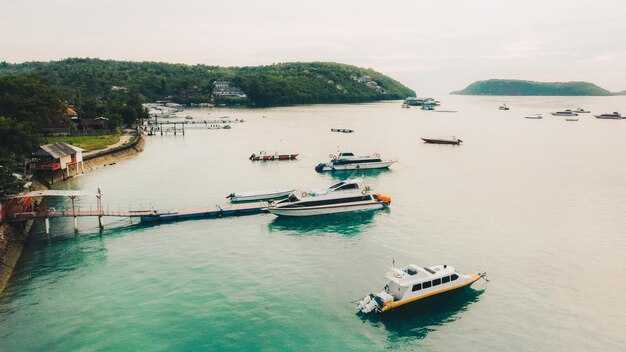
Reserve marina slots and provisioning for your trip at least six weeks in advance, especially during peak season. Book private slips if possible, near fuel docks and markets, and confirm port clearance requirements with Thai authorities before departure.
Use a practical approach that suits both single and larger crews, whether you sail a traditional sailboat or a modern, well-equipped crewed yacht. Focus on a concise plan that keeps accommodation comfortable, en-suite heads ready, and cushioned seats in good condition for an unforgettable cruising experience.
- Provisioning plan
- Count people and beds to determine accommodation needs, then build a menu for the trip that balances fresh items and long-lasting staples.
- Shop by category: dry goods, dairy, meat and seafood, beverages, and ice; choose items that can be stored in a well-equipped galley and protected with cushioned containers.
- Allocate space for en-suite cabins and private stowage; keep enough non-perishables for mid-cruise gaps and less pantry churn during busy sailing days.
- Plan what to buy locally at near markets along the route, prioritizing beautiful, regionally inspired options to enhance the offering for cruising parties.
- Draft a backup list for 2–3 days of extra supplies in case of delayed ports, ensuring there is enough to keep people comfortable on a longer-than-expected leg.
- Rezervace v přístavu
- Identify marinas offering reliable electrical hookups, water, Wi‑Fi, showers, and launderette facilities on your route through sailboats to sailboat charters; prioritize those with easy access to provisioning points.
- Lock in berths six weeks ahead in high season; request private slips or near the fuel dock to minimize movement and fuel stops during peak traffic.
- Check harbor rules for ships with en-suite cabins and ensure dock crew can assist with disembarkation and provisioning; confirm security, pier lighting, and night moves for your crewed or traditional vessel.
- Coordinate with port agents about fresh-water supply, waste pump-out, and stern-to or alongside mooring options to maximize space for a comfortable trip with seats and lounging areas.
- Ask about spare parts and repairs nearby, especially for engines and sails, so you can handle minor issues before they affect the schedule.
- Port clearance procedures
- Prepare a clear ETA and file it with the Harbour Master; provide a crew manifest, vessel documentation, and insurance details to smooth entry when you arrive at a new port.
- Carry all passports, visas as needed, and copies of boat registration; fill out any mandatory customs and immigration forms before landing, and verify if a temporary import permit is required for your sailboat or private charter.
- Submit a current crew list with nationalities and roles; ensure at least one person can speak the local language or has a translator app ready for quick checks.
- Confirm what items you may declare as personal belongings vs. commercially imported goods; declare food supplies only if required by local rules to avoid delays during port clearance.
- Expect port fees and clearance charges to be rated by port authority; keep a small contingency budget in cash and a charged card to cover miscellaneous costs.
- After clearance, keep onboard copies of all documents and maintain a record for each port; this helps when moving to the next stop and reduces time in future checks.