


 Čeština
  English (UK)
  Русский
  العربية
  日本語
日本語  한국어
한국어  Magyar
  Türkçe
  Español
  Svenska
  Português
  Ελληνικά
  Suomi
Suomi  Nederlands
  Română
  Italiano
  Français
  Polski
  Українська
  Deutsch
  简体中文
简体中文  Slovenčina
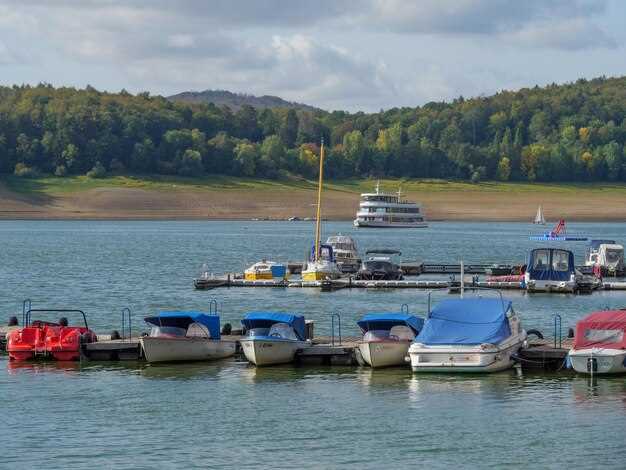
Recommendation: book a fully guided overnight angling outing to land gurnard and other species–the plan offers strong chances of catching lots and having reliable action year after year.
Note: matts offer fully crewed, overnight outings from a location with deck lights that help night fishing. Boats are long and stable, designed for fast departures from the marina, giving you the advantage of extended time on the water. Leave at dusk and chase a broader range of species; just land gurnard and other shelf dwellers before dawn.
Increase your odds by scheduling during calmer months; note that many operators run year-round overnight sessions, although autumn brings greater demand and more flexible schedules. If you wish to maximize catching, pick a location that offers both offshore and inshore options. The advantage? you can switch to land-based spots if seas turn rough, and still keep the night experience.
For a balanced plan, look for a setup that combines long sessions and reliable crew. matts operate from a harbor with dependable moorage, ensuring you can leave at the ideal tide window. The plan is highly rated by anglers for its great focus on practical catching, safety, and value; you’ll finish with a full land bag and a strong wish to return.
Comprehensive Charter Planning
Book a ready, well-equipped yacht with british captains who can adapt to conditions; secure flexible dates, ensure a minimum crew, and confirm safety gear before you pay. This approach means you and your group mind safety and are prepared, making you confident on the day out on the water, aligned with world standards.
- Define objectives and boat type
- Identify target angling species and desired voyage length. If you wish for a longer outing, pick a yacht with ample deck space and stable performance in coastal waters.
- Choose vessel type: monohull or catamaran; for steady handling, a 30–45 ft model fits 2–4 guests comfortably.
- Crew credentials, safety, and readiness
- Confirm the captain’s license and track record; ensure the crew is united and comfortable with emergency drills. They should definitely demonstrate current first-aid and survival training; verify life jackets are available for every person and an EPIRB or similar beacon is on board, ensuring a perfect safety culture.
- Ask for references and confirm readiness; they should really be able to handle weather changes constantly and calmly.
- Schedule, weather, and durations
- Plan for a 4–6 hour window for a half-day or 8–10 hours for a full day; longer options are possible if the weather, current, and depth permit. Have a contingency plan if conditions shift.
- Build in a little buffer for tide, wildlife, and potential delays; ensure the crew and owner are ready to adjust on the fly.
- Costs, deposits, and availability
- Request a detailed quote covering vessel hire, crew, fuel, docking, and gear; confirm the minimum charge and the least refundable portion. Use terms that protect both sides and ensure you can commit when ready.
- Check multiple available dates and confirm a backup option to avoid peak-season surcharges.
- Equipment, safety, and anchor checks
- Verify anchor type and chaining quality; ensure all navigational electronics, VHF, radar, and AIS are functioning. Inspect life rafts, extinguishers, and distress signals for current service dates.
- Ask for a complete gear list before departure and confirm what is included versus rented; this minimizes surprises on the water. Work with the crew to finalize each item, ensuring everything is ready.
- Itinerary sequencing and water etiquette
- Plan a logical event sequence: depart, reach depth, anchor at the chosen site, and return. Include a buffer for slack tide and wildlife viewing; respect port regulations and waste rules to keep water pristine.
- Coordinate shore stops or onboard demonstrations; ensure the crew handles safety briefings and propulsion coordination smoothly.
- Post-trip review and continuous improvement
- Note what worked well and what could be improved; share feedback with the captain and crew to tailor future charters and keep the camarat spirit high. When done, summarize learnings to inform your next journey.
Choose Wellington fishing charter by boat type, capacity, and crew needs
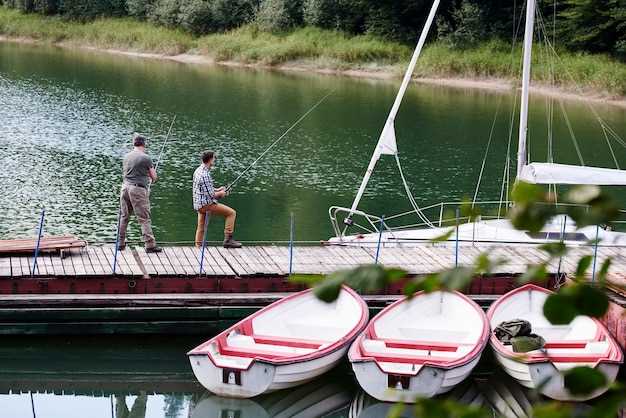
Start with a mid-sized center-console or stable catamaran that seats 4–8 guests. A skipper and a deckhand keep rigging neat, hooks ready, and safety checks up to date, delivering a smooth day on the water for inshore or offshore targets. Booking earlier in the week often yields lower price and more schedule flexibility.
Boat types and capacity to consider: center-console for 4–6, catamaran for 6–8, offshore sport-fisher up to 12. For comfort and living space, prefer vessels with enclosed cabins, non-slip decks, and easy access to bait prep. Price varies by week and season: half-day (about 4 hours) 600–900, full-day (6–8 hours) 1,100–1,900. A deposit of 25–50% is common; many operators offer refundable options if you cancel more than 48 hours ahead.
Crew needs: licensed master required; add a mate for handling gear, rigging, and refreshments. If you have kids or seniors, choose a craft with good accessibility and a plan for light meals or beverages onboard. Optional crew like Owen can assist during peak hours; Amanda can oversee deck operations and guest service to boost happiness and efficiency.
Marina access and logistics: pick a departure from a central marina with park-and-ride or easy street parking near the dock. Confirm drive-time from your accommodation, and whether a marina shuttle is available. Some operators offer after-ride transport from nearby hotels; this can be handy for late-evening departures or a surfing–sunset combo on the same day.
Booking tips and extras: online quotes are common, with transparent price breakdowns and clear deposit terms. Ask whether beverages, snacks, and rental gear are included or optional; many outfits can provide non-alcoholic beverages and light bites. For larger parties or multi-boat itineraries, coordinate with the skipper in advance, share your live requirements, and plan a backup itinerary if weather changes. Thanks to clear terms, you’ll have a worry-free life ashore and a smoother experience.
Seasonal targets and optimal fishing windows in Wellington Harbour
Recommendation: Plan dawn and dusk sessions; the most productive windows are roughly 1.5 before sunrise and 2 after sunset, when snapper, kahawai, and kingfish activity peaks near harbour edges and lagoon mouths close to river outlets.
Seasonal targets by season: Early spring and late autumn bring clearer water and shallower bars; focus on shallow reefs around the lagoon and near pilings where customary feeding occurs; keep hull to the left of the channel during incoming tide.
Tide-based planning: Use tide charts to time lures; the advantage of rising or falling tides is extended windows for light tackle; slack water tends to reduce current so rigs track well; conditions often align with calm dusk.
Species and tactics: Snapper concentrate on reef edges; kahawai patrol the channel near feeding schools; kingfish appear along outer ledges; early mornings bring more action, and on occasion a late bite can occur.
Equipment and crew: All vessels should be equipped; plan for extended time on days when traveling with a small crew; the owner and crew aboard yachts often coordinate schedules via united networks; costs vary by season.
Facilities and etiquette: For multi-day sails, ensure toilets are stocked and hull port sides kept tidy; croatian crews may arrive with a well-organised routine; sometimes guests expect a little creature comfort.
Global network notes: emirates-based operators, united fleets, traveling owners coordinate seasons; this process brings an advantage for teams that stay equipped and plan ahead, creating adventure opportunities on occasion.
Packing list, on-board amenities, and inclusions for Wellington charters
Pack a compact dry bag with essential changes of clothes, a waterproof windbreaker, a light fleece for evening, and non-slip deck shoes. Include sunglasses, sunscreen, a hat, and a personal kit with medications, seasickness remedies, and a small water bottle. For traveling in minutes of rough seas, carry motion-sickness options and a simple plan for the wake, plus printed contact details. Have waiver forms signed and ready at check-in to keep things smooth and avoid delays. If you’re visiting during the next sailing window, bring a compact spare bag to separate dirty clothes.
On-board amenities and gear: The vessel provides shaded aft deck, cushioned seating, a galley with fridge, kettle, and hot drinks; a head with fresh water rinse; and dry storage for gear. Safety gear includes properly sized life jackets for all, throwable flotation, a first-aid kit, and a fire extinguisher. Navigation equipment includes VHF radio, handheld GPS, a depth sounder, and nautical charts. Bring camera gear or a phone for photos, plus binoculars to scan waters around the coast. Extras like a cooler, ice, and a small trash bag help keep spaces tidy. A strong sense of camarat among guests and crew keeps the day running smoothly. Yachts in the area often mirror these features, so returning guests know what to expect.
Inclusions and extras: Most weekly itineraries include snacks, bottled water, tea or coffee, and ice. Crew will provide basic prep for post-trip cleanup and, where permitted, a light fish-cleaning service; follow local rules for waste and environment. A full safety briefing is standard, and the waiver must be signed before departure. For gear beyond the standard, request in advance; space around the cabin is tight, so plan to store extra items in lockers. Arrive 15-20 minutes before the scheduled time and stay around the dock area during check-in. Routes vary, with visits to different towns along the harbor and near various waters. The chief crew will explain example routes, and evening or night sails offer calm seas and great views. If you’re bringing extras, keep them in a compact bag and respect the crew’s guidance on what can be stored. An event-like atmosphere during these sessions adds to the overall experience.
Croatia yacht rentals: bareboat vs crewed options and licensing requirements
Recommendation: Opt for a crewed yacht charter for a worry-free week; captains navigate, dock, and handle safety, while your family enjoys the scenery, meals, and evenings comfortably.
Licensing for bareboat: Bareboat options require a license recognized by Croatian authorities for the vessel type and length. Typical qualifications include ICC for sailing yachts or an RYA certificate (Day Skipper or Coastal Skipper) and, for larger or motor yachts, a local category B license or equivalent. If you don’t hold a valid credential or have minimal experience, select a crewed plan. knowing vaše pověření před rezervací předejdete zdržením při odbavení.
Ceny a konfigurace posádky: Běžné týdenní sazby za pronájem lodí bez posádky se obvykle pohybují od 2 000 do 4 000 EUR u středně velkých plachetnic, přičemž sazba se liší v závislosti na sezóně a poplatcích v přístavu. Pronájem lodí s posádkou začíná výše, obvykle od 6 000 do 25 000 EUR na týden, v závislosti na velikosti jachty a složení posádky. K celkové částce se mohou výrazně přičíst další položky, jako je zásobování, palivo a balíček nápojů, plus platy členů posádky. Toto uspořádání vám poskytuje místní znalosti a bezpečnost pro navigaci a tyto změny posádky vám poskytují větší zabezpečení při kotvení v blízkosti pláží a plánování další etapy plavby. Člun je obvykle v ceně; objem nádrže a toalety se u jednotlivých plavidel liší, proto si před rezervací tyto specifikace ověřte.
Výbava a pohodlí na palubě: Pronájem bez posádky vyžaduje, abyste si zajistili proviant a bezpečnostní vybavení; možnosti s posádkou poskytují jídlo, ložní prádlo, ručníky a základní doplňky, jako je šnorchlovací vybavení a neopreny. Provozovatelé nabízejí řadu možností, včetně zajištění proviantu a soukromých kuchařů. Kontrola kapacity nádrže a ukazatele sladké vody je nezbytná; toalety na palubě by měly být zahrnuty a některé jachty nabízejí druhý člun nebo tender jako doplňky. Tento plán je vhodný pro rodiny a zaměřuje se na klidná kotviště a snadný přístup na pláže pro večerní koupání.
Praktické tipy a poznámky: Získejte kapitánův životopis a ověřte licence a zkušenosti; u pronájmu bez posádky mohou provozovatelé vyžadovat plavební curriculum vitae a doklad o minimálním počtu dní na moři. matt Z poznámek na stole vyplývá, že mnoho společností stanovuje minimální počet dnů plavby na moři podle velikosti lodi. Pokud vás zajímají specifika licencí, kontaktujte provozovatele před rezervací a ověřte si, co je akceptováno. Pro menší setkání může být možnost pronájmu lodi s posádkou, která zahrnuje kapitána a jednoho člena posádky, díky čemuž se můžete soustředit spíše na zážitek než na logistiku.
Další kroky: Shromážděte cenové nabídky, porovnejte, co je zahrnuto (palivo, přístavní poplatky, kotvení, pojištění a daně) a ujistěte se, zda je nabízeno stravování nebo plná penze; nezapomeňte si prohlédnout itineráře, které zahrnují snadný přístup na pláže, šnorchlování a klidná kotviště pro večery. Pokud preferujete flexibilní rozvrh, pronájem s posádkou poskytuje předvídatelnost; pokud chcete ušetřit, pronájem bez posádky se schopným kapitánem je proveditelný se správnou licencí a plánem.
Oblíbené trasy v Chorvatsku: Split do Dubrovníku a trasy mezi ostrovy pro soukromé plachtění
Pronájem rychlé a dobře vybavené plachetnice ve Splitu zefektivňuje pobřežní plavbu ostrovními kanály a usnadňuje život na palubě s jednotnou posádkou. Odpolední klidy nabízejí spolehlivá okna pro plavby mezi lagunami, přičemž podél trasy lze při driftování často spatřit ostruchy a večery trávit na palubě pod hvězdami.
Doporučené trasy se liší podle vkusu: začněte ve Splitu a pokračujte směrem na Dubrovník přes Hvar, Vis, Korčulu a Mljet, nebo zvolte klidnější okružní plavbu mezi ostrovy, která zahrnuje Lokrum a vedlejší zátoky. Takové trasy vedou chráněnými zátokami a lagunami, kde lze snadno zařídit večírky na břehu a pobyt na palubě zajišťuje bezproblémovost. Pečlivým plánováním můžete upravit denní vzdálenosti a zůstat flexibilní, protože podmínky se mění.
Pro plánovače, kteří upřednostňují praktické zkušenosti, volte plavidla vlastněná majitelem s transparentními měsíčními sazbami a jasným plánováním. Někteří majitelé vedou kurzy pro kapitány a strojníky, což může zvýšit bezpečnost a důvěru na dlouhých plavbách. Takové programy vám pomohou přemýšlet dopředu o zásobování, například mít připravené vybavení pro manipulaci s lany a skladovat trvanlivé zásoby vody – nikdy nezapomeňte naplánovat odpolední zastávku v laguně na koupání. Pokud je Owen na palubě, přidělte mu roli navigátora; takové jednoduché detaily formují osobnost na palubě a podporují hladší průběh dnů.
Dále připravte seznam věcí vhodný pro teplé dny a chladnější noci: prodyšné látky, vybavení bezpečné pro korály a kompaktní kávovou sadu pro odpolední posezení na palubě. Měsíční aktualizace od majitele mohou upravit harmonogram podle měnících se větrů a zároveň udržet posádku plnou energie a odpočatou. Vždy udržujte jasnou komunikaci, mějte připravené vyvazovací lana a pravidelně pijte vodu, abyste zůstali ve střehu během náročných období na dlouhých plavbách.
| Route | Days | Highlights | Poznámky |
|---|---|---|---|
| Split → Hvar → Vis → Korčula → Mljet → Dubrovník | 6–7 | Skryté laguny, modré jeskyně, pozorování гарнакů, středověká města | Nejlepší v květnu–říjnu; pronajaté lodě nabízejí flexibilní rozvrhy |
| Split → Brač → Šolta → Čiovo → Korčula → Mljet → Dubrovník | 5–7 | Klidné zátoky, olivové háje, večeře v místních restauracích, chráněné přístavy | Odjezdy v polovině týdne pomáhají vyhnout se davům |
| Split → Trogir → Šolta → Vis → Biševo → Hvar → Dubrovník | 7–8 | Modrá jeskyně Biševo, pobřeží, bohatý život na útesech | Jarní až raně podzimní okna fungují dobře; plánujte s ohledem na výhodné počasí |