


 Čeština
  English (UK)
  Русский
  العربية
  日本語
日本語  한국어
한국어  Magyar
  Türkçe
  Español
  Svenska
  Português
  Ελληνικά
  Suomi
Suomi  Nederlands
  Română
  Italiano
  Français
  Polski
  Українська
  Deutsch
  简体中文
简体中文  Slovenčina
  Types of Sailboat Rigs and Their Uses – A Practical Guide">

Start with a complete, level setup: a sloop rig. It keeps handling simple for a small crew, making the rig approachable and predictable, providing broad parts availability for sailboats of all sizes. With one mast and two sails, you can reef quickly, trim efficiently, and stay in command in gusts up to 25 knots–reducing the risk at mooring or in crowded harbors.
Nearshore days or offshore passages benefit from a cutter or fractional rig when you need versatility without excess complexity. A cutter carries two headsails (jib and staysail) and, in heavy weather, an optional staysail on the stays. This setup provides better downwind control and steadier handling as winds shift, so a small crew can stay coordinated below deck and keep moving without constant sail changes.
For vessels designed for long routes, a tall keč or yawl distributes sail area across two masts, making trimming more forgiving and giving an independent set of options if one sail stalls. It demands more line-handling work, but it sustains progress when conditions are mixed.
Gaff rigs deliver extra sail area on tall vessels and maintain respectable performance in light air, while schooners with multiple masts spread control duties among crew members, which helps when you want to work with a trained team or a larger crew. The tall rig often favors those working near coastal harbors and in light squalls where engine assist is common.
Key checks before choosing a rig include mooring constraints, vessel length, and expected weather. To keep things straightforward, aim for a setup offering level reach and suitable sail plans, and ensure you have below deck instructions and a reliable spare parts kit. For a small crew, choose a rig that makes reefing easy, halyard operation quick, and helm balance predictable. Fortune favors a prepared crew, so factor your goals and cadence into the final choice. For motor-powered operations, plan sail schedules that minimize engine interference and help you glide toward harbor in calm seas.
How many different kinds of sailboats are there?
Recommendation: start with a sloop-equipped mono-hull for everyday cruising; it offers wide support, easy handling, and low maintenance. Enter the market with this setup, and you’ll realistically encounter about 20–30 common kinds when counting hull forms and rig variants. This is just enough to cover most cruising needs.
There are five practical hull families you’ll meet most often: monohulls, catamarans, trimarans, heavy-displacement cruisers, and high-performance racers. Within monohulls, the most common rig is the sloop, found on the majority of boats on the water; the cutter is another frequent option for long passages. A gaff rig remains in use on traditional crafts and classic designs for a distinctive fore-sail look. Trimaran designs provide high speed and a wide deck, while catamarans offer twin hulls with spacious interiors and a stable platform, including beautiful living spaces above deck.
In multihulls, twin hulls are standard on catamarans, while trimarans keep three hulls and a longer waterline run to improve speed. Most catamarans use a straightforward fore-aft rig, though some specialist models adopt a fractional setup for better upwind performance. For the classic feel, some small sailing crafts still employ a gaff, which tilts the mainsail and changes balance compared with most modern rigs.
Materials vary widely: aluminium is common on offshore and expedition-ready designs, offering strength and lighter weight for certain builds; maintenance becomes essential to prevent corrosion on aluminium hulls. Fibreglass remains the default material for most production boats, balancing cost and repairability; wooden hulls stay popular among crafts with traditional appeal but require regular maintenance. Reduced draft options like twin keels or centerboards help you enter shallow harbors and lochs, while fixed fin keels improve performance but limit access above and below waterline. When you weigh form, consider the central mast position, tilt tendencies under load, and the relative ease of replacing halyards and sail runs.
Výběr the right kind depends on your experience, goals, and budget. For smaller crews, a compact sloop on a mono-hull is a solid start. If you want extra space and calm motion in choppy water, a catamaran with twin hulls appeals, yet you’ll face higher upfront costs and more complex maintenance. If speed and long passages motivate you, a trimaran or a high-performance rig can be exciting, but requires careful handling and regular maintenance. Above all, assess how the form fits your plan every season and how the fore, central rig, and keels interact with your comfort level and travel routes.
Fractional vs Masthead Rigs: Effects on sail area, handling, and reefing ease
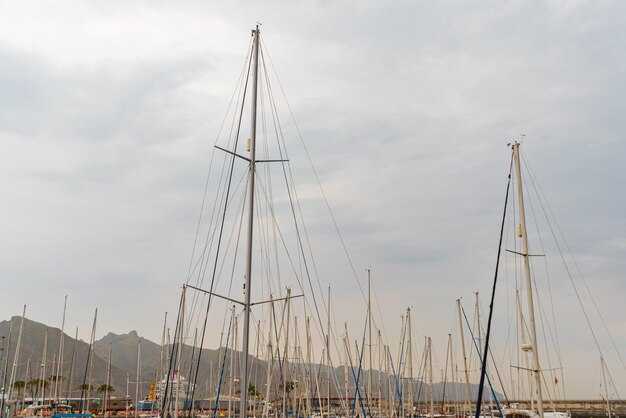
Fractional rigs are the better default for most cruising boats under 40 feet, because they simplify reefing and allow precise mainsail trim. In-depth tuning of halyards and outhauls yields more stable handling in gusts, smoother docking, and a forgiving feel when youre learning. On dinghies and a catboat, the difference is immediate, letting you manage sails without needing a large crew. The setup is extremely durable across a thousand voyages.
Most masthead rigs carry a large genoa, often 130-150% of the foretriangle, which adds substantial sail area forward and boosts light-wind speeds. Fractional rigs use a smaller foretriangle and typically a 100-125% jib, with most power coming from the mainsail. That shift improves balance, reduces weather helm, and makes trim more predictable when gusts run through the rig. A twin-headsail setup on a masthead rig is possible, but adds complexity. A wing mainsail exists on some modern designs to cut drag, and laser-cut fittings on halyards and sheets improve reliability during long voyages.
Handling and reefing ease take a clear edge with fractional rigs. Reefing is cockpit-friendly: you drop one or two reefs in the mainsail and adjust the headsail to maintain balance, which keeps speeds under control during docking in confined spaces. On masthead rigs, the oversized genoa can overpower the boat in gusts, prompting sailors to reef both sails to stay balanced, a process that costs time and attention during close-quarters maneuvers. With a bulb keel or other ballast configurations, the center of effort shifts are easier to manage on a fractional rig, improving overall control without sacrificing durability.
Practical guidance: for most recreational boating and thousand voyages in varied conditions, choose fractional when you want easier handling, faster reefing, and steadier trim–especially in crowded marinas or while docking. Masthead setups shine on designs that routinely sail in light air with long runs or when a very large genoa is desirable for downwind speed, though they require more crew or time to reef and balance. Consider your hull form, keel, and rig height, then pick a system that emphasizes ease of reefing, predictable handling, and smooth trim–whether you sail a dinghy, a catboat, or a larger cruiser that handles modern, extreme conditions with confidence. If you want a flexible option that covers various voyages and speeds, a fractional rig with a 100-110% jib and a full mainsail offers the most versatile performance without complicating docking or tuning.
Sloop Rig: The versatile all-rounder for beginners, cruisers, and racers
Opt for a standard sloop rig with a mainsail and a jib mounted on a single mast. This setup is ekonomický, easy to manage, and adapts to most conditions, therefore it suits beginners, cruisers, and club racers alike.
To cover a wider wind range, keep a choice between a smaller jib and a larger genoa. The genoa increases light-wind drive on cruises and offshore passages, while the smaller jib reduces weather helm and trimming effort in heavy seas. The headsail attaches to the forestay at the front of the mast, and mounting a roller-furler makes quick sail changes possible. For heavy-weather versatility, consider a cutter rig as a secondary option on the same boat, giving you two foresails without sacrificing the simplicity of a sloop when you want it.
Maintenance starts with the basics: inspect halyards, sheets, and the mainsail luff; lubricate the winches; replace worn blocks; and check deck fittings and chainplates. On steel-hulled boats, verify mast step and backing plate integrity; otherwise, maintenance is similar. Before every voyage, confirm the forestay taut, lines run free from the front to the port side, and all fittings mounted securely on port and starboard. Also inspect the shaft and propeller clearances after the dock, especially if you expect shallow waters.
The sloop’s trim options enable agile handling across a wide range of conditions; a působivý light-wind performance comes with a properly tuned genoa, and a balanced rig keeps you comfortable as breeze rises. Accessories such as a roller-furler, spare sheets, and a reliable windvane add safety and flexibility; the setup remains possible even on older boats, and you can upgrade gradually.
Designs vary, but the core trade-off stays: larger headsails boost speed in light winds; smaller mainsails ease reefing in stronger breeze. A mid-size headsail paired with a medium mainsail gives reliable coverage across each season. For racers, a fractional rig with a taller mast improves upwind performance; for offshore cruising, a well-chosen genoa with a sturdy mainsail provides balance and predictable handling. The port a rules of your sailing area influence your choice, so align the rig to expected winds and crewing capacity.
In summary, for starters and seasoned sailors alike, the Sloop Rig remains the versatile all-rounder: simple to manage, scalable through upgrades, and capable in cruises or club races. Maintain the basics, keep a sensible set of příslušenství, and consider a cutter or larger genoa when your plans include longer offshore passages. Sloops deliver steady control, repeatable handling, and a clear path to improving sailing skills over time.
Cutter Rig: Flexible sail plan for varied winds and long-distance passages
Opt for a cutter rig for flexible sailing in varied winds and for long-distance passages. This configuration keeps you comfortable and allows you to respond quickly to shifts in wind. The entire sail wardrobe serves multiple uses, with a main plus two foresails that can be set or reduced as conditions demand.
- Flexible sail plan: a main, a genoa, and a staysail provide options for every wind strength. You can reef the main, swap to a smaller genoa, or set the staysail for heavy weather, making the rig agile and fast in variable seas.
- Performance balance: the staysail boosts upwind performance and improves weather helm control, while the genoa on light air helps you maintain speed without overloading the hull.
- Handling and comfort: two headsails simplify sail changes at sea, enabling you to enter heavier weather with minimal crew effort and still keep the boat balanced. This approach helps every crew member stay on deck with confidence.
- Durability and hardware: choose well-designed accessories and durable sails; brands entering the market offer robust sheets, halyards, tracks, and winches that support long voyages.
- Every voyage use: the cutter rig shines as a daysailer and on extended passages, providing predictable behavior under a wide range of wind conditions and sea states.
- Rig height options: a tall rig improves light-wind performance, while a lowered mast keeps marina entries simple without sacrificing strength or control.
- Complete sail wardrobe: combine a weather-friendly staysail with a versatile genoa to cover both heavy-weather protection and fast-downwind progress in calm seas.
- Maintenance and design focus: sails designed to hold shape under load and hardware kept well-lubricated reduce downtime and keep performance consistent.
- Modern considerations: if you run hydrofoils or plan to enter high-performance categories, the cutter rig still offers a solid baseline, with loading managed by purpose-built rigging and strong deck hardware. Thus you retain capability without compromising safety.
Choosing this rig, you gain strength in versatility: it supports both long passages and daily cruising, adapts to every season, and remains a practical, durable option that many sailors choose as a complete solution.
Yawl, Ketch, and Brigantine: Multi-mast rigs for balance, deck space, and fatigue management
Doporučení: Vyberte si keč pro vyváženou a přizpůsobivou plachtu, která zachovává prostor na palubě a snižuje únavu na dlouhých plavbách. Existují i jiné více stěžňové konstrukce, ale tyto tři konfigurace pokrývají plachetnice napříč výletními a pobřežními akcemi a jsou dobře známé pro svou stabilní ovladatelnost.
-
Yawl
- Uspořádání soupravy: hlavní stěžeň vpředu s menší zadní stěžní za patou kormidla. Toto uspořádání je známé pro zajištění stabilní rovnováhy při změnách větru.
- Designové prvky: besenová plachta je obvykle menší, což umožňuje flexibilní refování bez přeplnění přední paluby; mezi klíčové vlastnosti patří besen, který se nachází za patou kormidla, vertikálně vyvažuje střed tahu a zvyšuje stabilitu.
- Prostor na palubě a manipulace: zadní stěžejní plachta udržuje přední palubu volnou pro lana a práci a zlepšuje úroveň kontroly při plavbě jednou rukou nebo v malém počtu.
- Praktické použití: zvláště odolná pro dlouhé plavby a závody na otevřeném moři, kde oplachtění poskytuje flexibilní možnosti nastavení plachet při zachování snadné ovladatelnosti.
-
Ketch
- Uspořádání soupravy: hlavní stěžeň vpředu, zadní stěžeň vzadu. Plachty jsou primárně podélné, s volitelnými stěhovkami pro slabý vítr; toto uspořádání obecně umožňuje široký katalog plachet bez přetížení jednoho stěžně.
- Balance a forma: Rozložení zátěže plachet udržuje centrální váhu níže a centrálněji, což zvyšuje pohodlí při hlídkování a snižuje únavu posádek o dvou až čtyřech lidech.
- Prostor na palubě a operace: Dva stěžně oddělují práci na přední palubě od manipulace s bezanem, což pomáhá při vyvazování nebo kotvení a poskytuje prostor pro bezpečnostní vybavení.
- Praktické použití: oblíbená volba pro dálkové plavby, známá také pro konzistentní výkon při proměnlivých rychlostech větru a stavech moře, včetně závodů a pobřežních plaveb.
-
Brigantina
- Uspořádání soupravy: přední stěžeň nese obdélníkové plachty; hlavní stěžeň podpírá podélné plachty, čímž poskytuje kombinaci, kterou lze nastavit pro rychlost po větru i pro kontrolu proti větru.
- Výkonnost: rozdělený plán plachet může zvětšit celkovou plochu plachet bez přetížení jediného ráhna, což pomáhá udržet kontrolu při změnách větru; rychlost se může za příznivého větru výrazně zvýšit.
- Paluba a posádka: dvě stěžně rozdělují lana a výstroj, čímž snižují únavu; to pomáhá při plavbách na otevřeném moři a při pořádání malých posádek nebo tréninkových sezení.
- Interpretace pro námořníky: brigantina zůstává odlišná od šalup, nabízí odlišný pracovní postup a více možností pro události při zachování praktické údržby a odolnosti.
Tipy pro výběr a používání více stožárových souprav:
- Zhodnoťte velikost a úroveň výcviku své posádky; keč nebo yawl se hodí pro dva až čtyři členy posádky, kteří chtějí zvládnutelné změny plachet a stabilní vyvážení.
- Zvažte dopad na vodní hladinu: rozprostření plachet přes dva nebo více stěžňů snižuje maximální náklon při daných rychlostech větru a zlepšuje stabilitu, zejména při plné plachtě.
- Uspořádání paluby: návrhy joly a brigantiny ponechávají přední palubu volnou pro kotvy, lana a bezpečnostní vybavení, zatímco zadní nebo přední stěžeň zůstávají s plachtami uschovány.
- Vyberte si odolný hardware: robustní navijáky, lana a kladky snižují únavu během dlouhých plaveb a na rozbouřeném moři; to je zvláště důležité na lodích s ráhnovými plachtami nebo těžkou výbavou.
- Zkontrolujte potřeby údržby: více stěžňů znamená více lanoví ke kontrole; naplánujte pravidelné kontroly a mazání a mějte na palubě náhradní díly pro plavby na otevřeném moři.
- Prozkoumejte online zdroje a reference: webové stránky vás mohou provést různými formami návrhů plachet a rozebrat známé rozdíly ve výkonu, a pomoci vám tak vybrat správné slovo a plán.
Otázky ohledně vyvážení a rychlostí? V praxi keč často poskytuje nejplynulejší průběh změn větru, jola nabízí vynikající palubní prostor a úlevu od únavy a brigantina přidává všestranné plány plachet pro události a rychlé plavby. Ústřední myšlenka zůstává: rozložení plochy plachet na více stěžňů zlepšuje stabilitu a udržuje paluby bezpečnější, zejména při velkém zatížení.
Gafle, lugrové plachty a další tradiční oplachtění: Klasické uspořádání, tipy pro údržbu a specifické použití
Pro přívěsný cruiser zvolte gaflové oplachtění, pokud chcete rychlou ovladatelnost a tradiční vzhled. Udržujte gaflovou hlavu v jedné ose s ráhnem pomocí robustní otěže a přímočarého plánu refování; vyvážený profil plachty zůstává kontrolovatelný v celém rozsahu větru a vyhovuje malým posádkám na přívěsu.
Gafflové a lugrové oplachtění vyměňují jednoduchost a kompaktní oplachtění za nuancované ovládání tvaru plachet. Lugrová plachta je lehká a rychle se vytahuje, zatímco gafflová plachta přidává ovladatelnou horní hranu, která pomáhá udržet výkon, když se zvedají vlny. Pro běžnou plavbu s klasickou atmosférou nabízejí tyto systémy spolehlivý výkon, který mnoho posádek považuje za atraktivní, zejména na vlnách, které se mírně valí, a při stálém větru. Mezi důležité vlastnosti patří snadné refování, ochranné obaly na plachty a možnost trimování z kokpitu bez náročných úprav.
Tipy pro údržbu: měsíčně kontrolujte patku stěžně a spoje stěžeň-kování; promazávejte nebo voskujte otočné body na čelistech ráhna; vyměňte opotřebovaná lanka a kladky před začátkem hlavní sezóny. Zkontrolujte švy plachet, zda nevykazují poškození UV zářením, a v případě potřeby je přešijte, a skladujte plachty v suchu, abyste zabránili plísním. U dřevěných ráhen pravidelně zužujte a lakujte stěžeň, ráhno a latu; u hliníkových ráhen kontrolujte kování a aplikujte ochranu proti korozi. Hydrodynamická rovnováha se zlepší, když udržíte nízkou hmotnost a budete mít čistou palubu s lanky vedenými k jednomu navijáku nebo malé sadě dobrých úchytů, které podpírají takeláž. Nezanedbávejte přívěs; zajistěte stěžně a ráhna polstrovanými podpěrami, abyste snížili ohyb během jízdy po silnici. Pravidelně také kontrolujte, zda jsou stěžně rovné a zda nevykazují známky koroze nebo únavy, které by mohly ovlivnit ovladatelnost při rychlosti.
Mezi specializované využití patří tradiční klubové závody, pobřežní denní plavby na člunech typu catboat a dálkové plavby po jezerech, kde klasická silueta dodává kouzlo. Schopnost gaflové plachty nést velkou horní plochu při mírných výškách stěžně znamená, že si udržíte rychlost, i když jsou trupy lehké. Lugrové oplachtění vyhovuje minimalistickým posádkám, které oceňují rychlé sestavení a nižší celkovou hmotnost oplachtění; několik pilotů uvádí, že si užívají refování na vodě a tichý kokpit. Někteří námořníci oceňují křídlový vzhled, když jsou plachty na závětrné straně plošší, a estetika se líbí spolu se společenskou atmosférou a pocitem štěstí, které dobové oplachtění přináší.
Praktické rady a источник osvědčených postupů naleznete v klubových příručkách a praktických záznamech, včetně poznámek od tradičních stavitelů lodí a opraven. Slovo слово se často objevuje v kontrolních seznamech a poznámkách, a připomíná posádkám, aby před sezónou zkontrolovaly výtahy, kladky a upevňovací prvky. Klíčem je udržet vodorovné linie lanoví průhledné a plochu plachet přizpůsobenou výkonu trupu, aby se zabránilo přetížení kormidla v zatáčkách. Následující tabulka shrnuje rychlé srovnání a tipy pro údržbu, které můžete použít hned.
| Rig type | Typické použití | Priority údržby | Nejlepší trupy | Poznámky |
|---|---|---|---|---|
| Podvod | Tradiční plachetnice pro denní plavby, přívěsné křižníky, catboaty | Zkontrolujte závěs ráhna, halzy, hrdelní kuželky; obnovte lemovací lano; chraňte plachty před sluncem | Krátký stěžeň, zahnutý ráhno, silný sazl | Vysoká plocha plachty; precizní ovládání horního lemu |
| Výstupek | Jednoduché, lehké oplachtění na malých lodích; vnitrozemské vody | Prohlédnout lodní dvůr, plachty, lana; přešít švy | Nízké náklady, snadná manipulace | Rychlé k nastavení; vyžaduje promyšlené ovládání plachet |
| Sprits/Other traditional rigs | Heritage craft, niche sailers | UV protection, spar fittings | Varies | Distinctive look; performance varies with hull |