


 Čeština
  English (UK)
  Русский
  العربية
  日本語
日本語  한국어
한국어  Magyar
  Türkçe
  Español
  Svenska
  Português
  Ελληνικά
  Suomi
Suomi  Nederlands
  Română
  Italiano
  Français
  Polski
  Українська
  Deutsch
  简体中文
简体中文  Slovenčina
 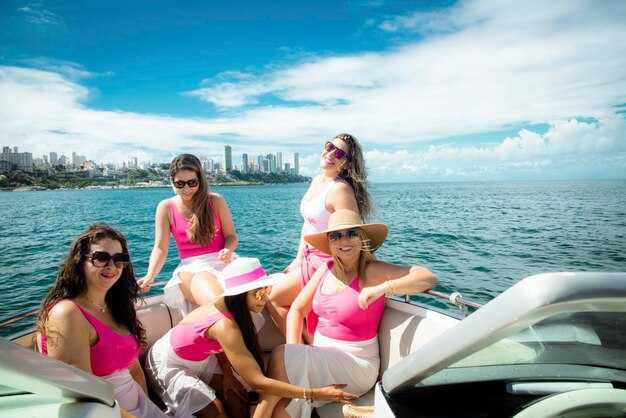 Tropical Escapade – Miami Key Biscayne Boat Tours">

Recommendation: Choose a top-of-the-line afternoon excursion where a bottle of water and a light dish are included, the duration is 2–3 hours, and the narration makes the coastline come alive in perfect clarity.
On the route headlining the coast, you’ll see communities with their white houses sporting deco touches, a barrier reef visible from the bow, and an open-water horizon that invites gentle waves rather than rough chop. Harry, a seasoned captain, shares stories given the calm conditions for those wanting local color without fluff, giving tips for photo stops and shaded overlooks along the shore, so you feel at home even when you’re far from shore.
Practical notes: look for departures with smooth coordination and a vessel used for coastal exchanges rather than crowded sightseeing. The crew uses stable, top-of-the-line craft, and the itinerary is designed with accessibility in mind, so you can stow a small dish for a snack and a bottle for hydration without disrupting the view. Weather can shift quickly, so pack light layers; the duration remains within 2–3 hours, with a few optional photo stops if wind and waves cooperate.
For travelers anchored in the area for a quick break, the experience is a compact, informative escape that pairs marine scenery with architectural detail along barrier-adjacent homes and deco accents. If you’re curious about the coastline and want an authentic vibe rather than a generic glide, this option is the necessary choice for a concise, immersive digest of the region’s mood–much more than a standard ride along the shore.
Hands-on, on-the-water learning with immersive wildlife and habitat insights around the National Park
Recommendation: Book a private, captain-led charter aboard a compact yacht with a small group (6–12 guests); select an eco-focused itinerary that includes a naturalist guide and hands-on activities; reserve rentals a minimum of two weeks in advance and target routes that stay within protected waters for best wildlife access.
-
On-water wildlife encounters
- Species: bottlenose dolphins, American manatees, green sea turtles, and water birds such as ospreys and roseate spoonbills.
- Habitats: mangrove groves lined with complex root structures, seagrass flats, coral outcrops, and tidal creeks; which shifts with tides and light, and the architecture of root systems makes nurseries for juvenile fish.
- Behavior: basking, foraging, tail-slapping; observations deepen when the naturalist explains past survey data and what to expect next.
-
Learning format and crew
- Hands-on activities: water sampling, shoreline transects, snorkel gear trials, and tracking wildlife clues from the deck.
- Crew: captain leads safety and interpretation; Captain Baggs shares habitat stories and makes explanations accessible.
- Session timing: dawn and late-afternoon slots maximize light and animal activity; even stop at quiet coves for micro-lectures.
- Exclusively designed itineraries emphasize interaction and engagement, not just sightseeing.
-
Logistics, calendar and options
- Rentals and purchases: charter yacht is available; on-board gear is offered as extras; you can purchase a field notebook or a digital guide on board.
- Calendar: most operators offer two daily departures; private trips can be customized to fit your schedule.
- Pricing and value: pricing varies by vessel size and inclusions; exclusive experiences can command a premium, but group packages reduce the per-person bill and align with market pricing.
- Location and access: docks near sheltered bays provide easy boarding; routes are designed to minimize disturbance of protected areas.
- Getting there: arrive 15 minutes before departure; parking is available nearby and the dock is clearly marked on the calendar.
- Purchase options: choose a basic package or add extras like snorkeling gear, underwater cameras, or a post-trip recap report.
-
Takeaways and tips
- Unforgettable visuals: basking rays over seagrass, birds perched along mangrove canopies, and water reflections highlighting beauty.
- What to bring and how to prepare: sunscreen, water, hat, light jacket; taking notes on your observations helps retention; baggs–field notes logs–are kept by the naturalist for reference.
- Fitness and gear: this format suits friends and families; a short bike excursion can be added to a nearby shoreline path.
- Getting a recap: you’ll be getting a post-trip summary with recommended readings and next-step actions.
Choosing the right vessel: family-friendly boats, small-group charters, or private tours
For families, choose a stable, sun-safe craft with wide access and shaded spaces; for small-group charters, go with a mid-size platform that balances comfort and maneuverability; for private experiences, lock in an entirely customizable vessel with a dedicated captain. Used safety gear is checked on departure, highly reliable life jackets are provided.
firstly, assess participants: 4–6 people fit best on a 28–34 ft craft with easy water access; 7–12 fit on a 40+ ft platform with multiple seating zones; private options can host larger crews but cost increases with duration and skipper coverage, opening doors for adventures.
What to look for includes reef access, sandy beaches, and landscapes that shine at sunset; local bays and reefs offer remote coves for paddling and calm water, while some vessels provide paddle gear and sails for a gentle ride.
Memories hinge on timing and services: some itineraries end with dinner under the stars, others feature a casual evening with music; book early, источник of options, and verify that the duration matches your wanting pace and kid-welcoming gear so nothing feels rushed; theres room to add a quiet beach stop if the mood shifts; many guests took away lasting memories.
If choosing a family-focused craft, pick one that prioritizes safety gear and shore-friendly access; for small-group charters, pick a craft that can flex between snorkeling, sailing, and a sunset sail, with enough space for all participants; for private experiences, a fully private itinerary can include an evening paddle, a remote anchorage, and a custom dinner, maximizing remote landscapes and coconut groves as backdrops, with ritz-level service and extra amenities to elevate every moment.
Onboard learning moments: coral reefs, seagrass beds, mangroves, and marine species
Start with a 10-minute on-board briefing and a quick gear check before entering the water. This smooth start clarifies safety rules, confirms zones for wildlife viewing, and outlines the day’s learning milestones for visitors.
Coral reefs: Onboard naturalists explain how reef-building corals host symbiotic algae, why bleaching occurs, and which species thrive in these near-shore habitats. Statistical notes show healthier patches host greater fish diversity and provide more shelter for invertebrates. Tips: maintain at least a two-meter distance from colonies, avoid contact, and follow hand signals. The service uses top-of-the-line masks, fins, and snorkels, all provided, so every participant can focus on observation rather than gear hassles.
Seagrass beds: These underwater meadows stabilize sediment, trap nutrients, and serve as nurseries for dozens of juvenile species. Statistics from regional surveys indicate dense meadows correlate with higher juvenile fish densities and improved resilience to storms. Tips: glide with slow fin strokes to minimize disturbance, avoid stepping on blades, and watch for needlefish, pipefishes, and small crabs. Duration-friendly routes keep visitors engaged without fatigue, and rental gear ensures comfort for all ages.
Mangroves: The fringe woodlands protect shorelines, filter runoff, and host a web of life where crustaceans, small fishes, wading birds, and snakes rely on the dark root tangle. Remote channels offer close-up glimpses of mangroves and the critters that use them as temporary homes. Planning with guides helps you move through sheltered lagoons to maximize sightings while staying off delicate roots. With each encounter, social updates and quick notes post-ride help solidify learning.
Marine species: Dolphins may ride the bow wave; sea turtles surface near channels; stingrays cruise sandy flats, and juvenile sharks lurk beneath ledges. For better chances, choose times around dawn or late afternoon and keep noise levels low. Bring a compact camera or a smartphone with a good zoom; something steady yields breathtaking images. The introduction to animal behavior and habitat connections helps visitors understand the state of coastal ecosystems and why protection matters.
Planning and gear: Better planning with operators results in a smoother adventure. A charter with top-of-the-line rental gear–masks, snorkels, fins, and life vests–supports comfort and safety for all visitors. In-session instructors provide brief safety checks, live commentary, and practical tips you can reuse on future adventures. The close proximity to shore reveals glamorous waterfront scenery while keeping groups within safe, controlled areas. Social features, guest rotation, and occasional post-ride discussions enhance engagement.
Post-ride takeaways: a concise field notebook, a handful of tips for protecting fragile habitats, and a short glossary of species you observed give something tangible to remember. In future planning, consider weather windows, duration preferences, and remote-access resources that extend the learning beyond the ride. With these elements, your adventure would translate into lasting knowledge and a stronger service mindset toward conservation.
Safety and responsible viewing: guidelines for visitors and wildlife interaction
Always maintain a safe distance from wildlife; keeping your distance is quite necessary to prevent stress caused by sudden movements, loud noises, or fast changes in speed. Do not chase, corner, or surprise animals; operate at a calm, predictable pace near feeding grounds and nesting sites throughout your journey, and use the star-lit horizon as a cue for steady, smooth passes.
Getting closer can disrupt feeding and breeding; traveling teams and guides enforce a 50-meter rule around dolphins, manatees, and seabirds. Respect the vessel’s service policy and the captain’s instructions to keep everyone safe and comfortable throughout the voyage.
Ensuring snorkeling activities are supervised by licensed guides; stay with the group, do not touch marine life or corals, and avoid touching reef structures with hands or fins. If wildlife approaches, pause and back away slowly. Leave the area if an animal shows agitation to prevent stress on the creature.
Leave debris on shore or in the water; preserve habitats by using reef-safe sunscreen and packing out all trash. During dinner aboard or ashore, keep decks clear and dispose of waste in designated bins to protect home reefs and coastal ecosystems.
Throughout a luxury voyage, relax on deck or in shaded lounges; however, youre encouraged to share preferences with guides so routes can be adjusted to comfort. The company aims to deliver a smooth viewing experience with attentive service, clear views, and a calm breeze guiding your passage to memorable moments.
Technologies on board include GPS, AIS, depth finders, and radar to help avoid sensitive zones and plan calmer passages. Follow the crew’s directions when using snorkeling gear and respect the quiet zones set aside for wildlife watching.
Guides and crew act as your safety link; if youre a subscriber, you can access extra safety briefings and tips via the link provided in the briefing packet. Stay hydrated, wear sunscreen and hats, and monitor weather updates to adjust plans as needed, ensuring comfort for all participants and family members aboard the yacht.
| Odstup od divoké zvěře | Dodržujte vzdálenost alespoň 50 m; snižte rychlost; nekrmte. |
| Dotýkání a krmení | Nedotýkejte se ani nekrmte; tiše pozorujte; držte kamery stabilně. |
| Pravidla pro šnorchlování | Držte se průvodce; nesahejte na korály ani zvířata; opláchněte vybavení; vraťte se v klidu. |
| Odpad a smetí | Všechny nečistoty odneste s sebou; používejte určené koše; nenechávejte odpadky na břehu nebo ve vodě. |
| Provoz plavidla | Pohybujte se pomalu v blízkosti přírodních rezervací; minimalizujte vlnobití; dodržujte AIS a místní předpisy. |
| Pohodlí hostů | Respektujte preference; upravte tempo; vyhýbejte se přeplnění ve vyhlídkových zónách. |
Co s sebou a jak se sbalit: nezbytnosti pro pohodlí, bezpečnost a focení
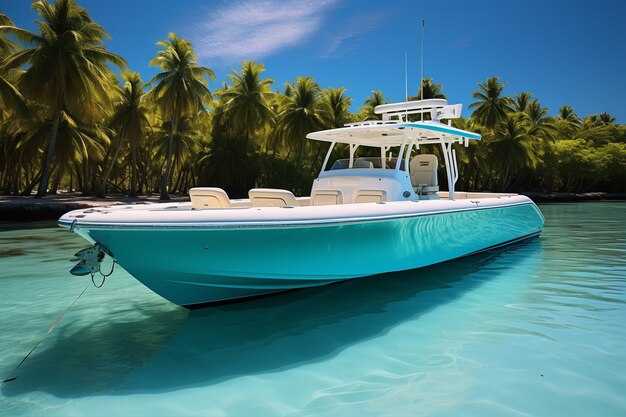
Sbalte si lehký, rychleschnoucí batoh s vodotěsným pouzdrem na telefon a kloboukem se širokou krempou; v slaném vánku a na ostrém slunci vám bude pohodlně a zachytíte ostré výhledy.
Hydratace a ochrana: noste alespoň jeden litr vody na osobu a kompaktní elektrolytický mix; vyberte si opalovací krém SPF 30+ (bezpečný pro korály), balzám na rty a sluneční brýle s UV ochranou; lehká nepromokavá bunda navíc je rozumná volba pro případ náhlých přeháněk.
Bezpečnost a skladování: záchranné vesty jsou součástí vybavení nebo jsou k dispozici k pronájmu; personál vám pomůže s výběrem správné velikosti a použitím vodotěsného vaku a uschová cennosti ve vodotěsném vaku, aby je ochránil před postříkáním v mělkých zónách u mangrovových porostů.
Foto vybavení a techniky: vezměte si fotoaparát s nabitou náhradní baterií a paměťovými kartami; extra baterie se hodí při slabém osvětlení a polarizační filtr snižuje odlesky na vodě a zvýrazňuje modrou; užijete si výhledy a budete chtít malou misku svačinek pro rychlou energii.
Zkušenosti a kontext: tento vzdělávací zážitek s denním průvodcem nabízí kontext o ekosystému a různých druzích, se kterými se můžete setkat; od bahenních ptáků po rejnoky klouzající po mělčinách, všimnete si domů podél jižního pobřeží státu a architektury na panoramatu města (zdroj: státní orgány).
Balicí seznam a doplňky: uspořádejte si věci do tří zón – zóna pohodlí (oblečení, opalovací krém, klobouk), zóna ochrany (vodotěsné pouzdro, suchý vak, miska s občerstvením) a zóna bezpečnosti (záchranná vesta, píšťalka, léky); zastávky na tržištích nebo vyžádané vybavení mohou zajistit další položky; je možné pádlování v mělkých zátokách, takže si vezměte boty do vody a ručník na osušení.
Sezónnost a plánování: nejlepší období pro pozorování, přílivy a úvahy o počasí
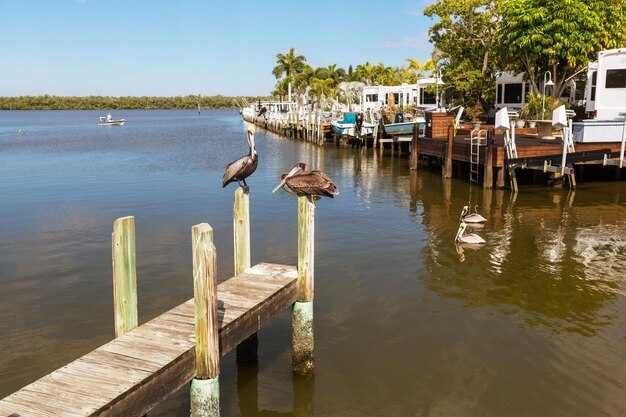
Pro nejlepší pozorování divoké zvěře a nejklidnější vodu si zarezervujte soukromý celodenní výlet na pobřeží během období sucha (listopad až duben).
Vyplujte za rozbřesku z přístavu Carlton, abyste maximalizovali oblohu plnou hvězd a atmosféru zlaté hodiny; brzké hodiny nabízejí fantastické příležitosti ke spatření delfínů, kapustňáků a pobřežních ptáků, než se den oteplí, a je to skvělý okamžik, kdy se můžete o ráno podělit s přáteli.
Na přílivu záleží: střední stav odkrývá písčiny a širší kanály, čímž se zvyšují možnosti pozorování ptáků a života v projíždějících vodních cestách; po bouřkách sledujte úlomky plovoucí podél pobřeží a naplánujte si trasu s prostorem pro manévrování kolem mělčin a úzkých zátok; odjezd během klidného přílivu pomáhá udržet plynulou jízdu.
Předpověď počasí: období sucha přináší jasnou oblohu a slabší vítr, zatímco horké, vlhké letní měsíce přinášejí intenzivnější slunce a možný odpolední déšť; hurikánová sezóna trvá od června do listopadu, proto sledujte předpovědi a buďte připraveni se přizpůsobit; opalovací krém, klobouky a lehké oblečení jsou nezbytné, s dostatkem vody pro každého účastníka.
Možnosti plánování: pronájem soukromého průvodce poskytuje flexibilitu pro úpravu plánů v reakci na podmínky, což vám umožní trávit dny pozorováním divoké zvěře nebo objevováním vyhlídek v oblasti Cape; mnohé nabídky zahrnují více zastávek, odpočinek na palubě u nábřeží, občerstvení a vodu pro vaši skupinu; základnu opustíte s itinerářem, který vyhovuje vašemu vkusu.
Vybavení a logistika: vezměte si malý voděodolný vak na telefony a klíče, nabíječku na telefon a kolo pro snadný průzkum pobřeží, pokud je to povoleno; tržní aktivita v okolí Homesteadu často nabízí krátké, flexibilní itineráře, které vyhovují různým skupinám, včetně těch, které cestují s dětmi nebo staršími osobami; písečná pláž v okolí může být perfektní zastávkou k nasátí zlatavého světla a relaxaci před dalším úsekem.
Sezónní tipy: svítání a soumrak přinášejí fantastické výhledy a zvláštní atmosféru pod hvězdami; naplánujte si variantu, která vám umožní oddat se něčemu, co máte rádi – hudbě vody, vůni opalovacího krému ve vzduchu a pocitu čerstvé soli na kůži; získáte prostor k dýchání a vytvoříte si nadčasové vzpomínky s přáteli nebo rodinou.