Počasí a roční období: Kdy se vydat na jachting ve Španělsku
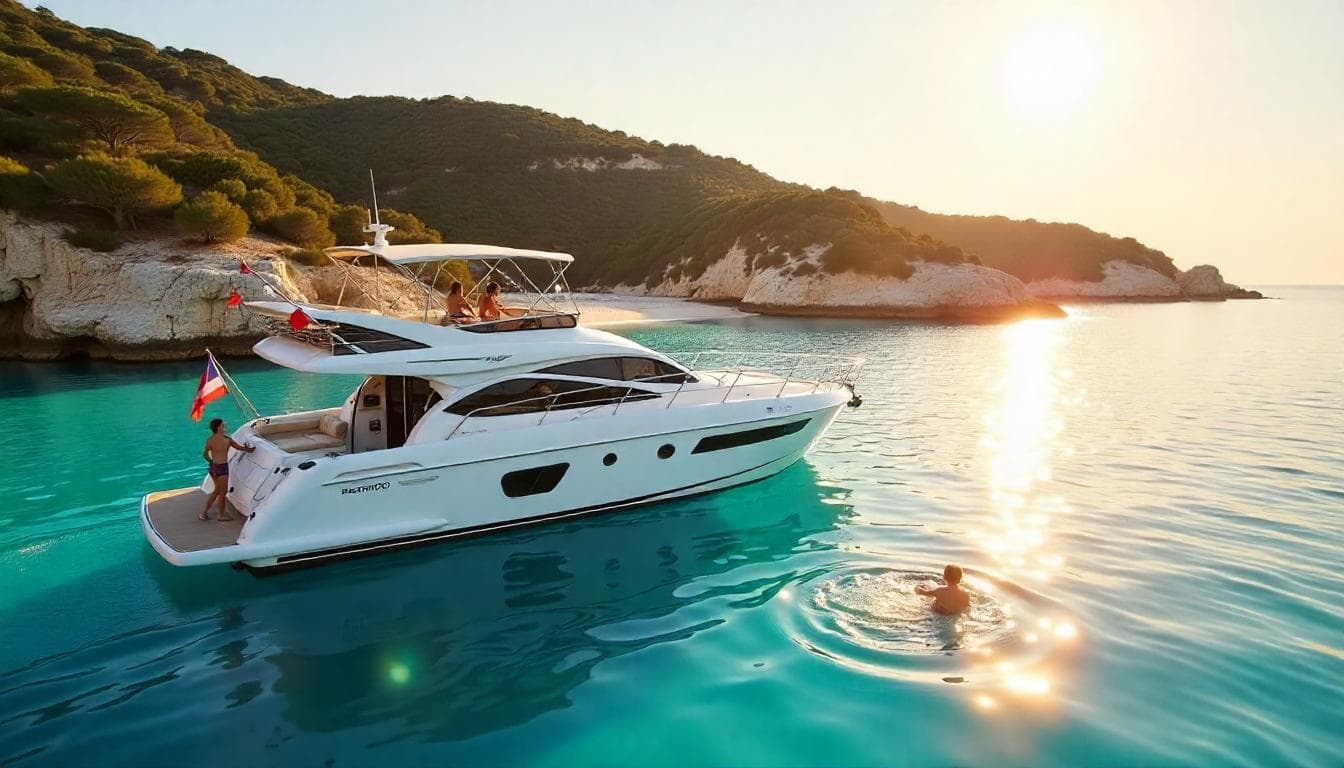
Spain offers a long and varied coastline that stretches from the Mediterranean Sea to the Atlantic Ocean. Choosing when to go yachting there depends mainly on the kind of weather you prefer, how busy the harbors are, and what kind of sailing conditions suit your plans.
Why Timing Affects a Yachting Trip
The Mediterranean part of Spain tends to have hot, dry summers and milder winters, while the Atlantic coast sees more rain and stronger winds year-round. The Balearic Islands sit in the middle of these patterns, and the Canary Islands stay warmer in winter because they lie farther south. These differences mean that the same month can feel quite different depending on which region you visit. Shoulder months often bring lighter crowds at marinas and anchorages, while peak summer months require earlier booking for both berths and supplies.
Spring Conditions Along the Coast
From March through May, daytime temperatures are usually comfortable for sailing and swimming. Winds are often lighter than in winter, which makes handling a yacht easier for crews of all experience levels. Rain showers can still occur, but they tend to pass quickly. Many marinas have more open space than they do later in the year, so it is simpler to find a berth without reserving months ahead. Spring also lines up with several local festivals on land, giving crews the option to combine sailing days with short visits ashore.
📚 You may also like
Summer Patterns and Crowds
June through August brings the warmest water and the most reliable sunshine across most of Spain’s yachting areas. The Balearics and Costa Brava see steady daytime warmth and generally moderate sea breezes. However, popular anchorages fill early each day, and larger marinas can reach capacity. Morning departures help avoid stronger afternoon winds that sometimes develop along exposed stretches of coast. Crews who enjoy lively harbors and easy access to restaurants and nightlife often choose this window, while those seeking quieter anchorages may prefer to sail earlier or later in the season.
Fall Sailing and Shoulder Advantages
September through November offers a gradual cooling that many sailors find pleasant. Sea temperatures remain high enough for swimming well into October in the Mediterranean, and winds stay moderate on most days. Marina demand drops after the summer rush, which can make last-minute berthing easier. The Atlantic coast can see more unsettled weather during these months, so crews planning longer passages usually watch forecasts closely. Overall, fall gives a good balance between comfortable conditions and lower visitor numbers.
Winter Options in the South and Islands
December through February is cooler across northern and central Spain, but the southern coast and the Canary Islands remain mild enough for sailing. The Canaries in particular attract crews who want to avoid cold northern winters. Winds can be stronger and more consistent, which suits experienced sailors but may feel demanding for beginners. Many charter operators reduce their fleets during these months, so availability is lower than in spring or fall. Those who do sail in winter often focus on protected bays and shorter day trips.
Frequently Asked Questions
What is the most popular time to charter a yacht in Spain?
Most people choose the summer months when the weather is warmest and the water is calmest, though this also brings the highest demand for boats and berths.
Can you sail year-round in the Balearic Islands?
Year-round sailing is possible, but winter months are cooler and see fewer charter options. Spring and fall usually offer the best compromise between weather and availability.
Are there quieter months that still have good weather?
May, June, September, and October often provide pleasant temperatures with fewer boats in the harbors. These shoulder periods are favored by crews who want easier access to anchorages and marinas.
Does the Canary Islands season differ from mainland Spain?
Yes. The Canaries stay warmer in winter, so they attract sailors looking for mild conditions when the Mediterranean coast is cooler. Summer there can also be windier than on the Balearic Islands.