A Visionary Beginning
The Maltese Falcon began as an ambitious project rooted in one owner's desire to create a modern square-rigged sailing yacht. A hull laid down in 1990 was purchased and reworked over several years into a vessel that combined classic sailing aesthetics with contemporary engineering. The build process drew on extensive labor and specialized materials, resulting in a yacht that stood apart from conventional motor or sail designs of its era.
Origins and Early Development
Tom Perkins initiated the conversion after acquiring the unfinished hull. The goal was to produce a functional square-rigger that could be handled by a relatively small crew while delivering strong performance under sail. Construction extended across multiple years and required careful coordination between shipyards and designers. Three tall carbon masts were installed as a central element of the rig, setting the yacht apart from traditional stayed masts. The completed vessel first sailed in the mid-2000s and quickly drew attention for its scale and technical approach.
Design and Rigging System
The yacht's most distinctive feature is its DynaRig, in which the masts themselves rotate to adjust sail angle. This arrangement removes many of the lines and winches found on conventional sailing yachts, allowing the sails to be set or furled from within the mast structure. The hull measures roughly 88 meters in length, providing ample deck space and interior volume. Interior spaces were shaped by designer Ken Freivokh, who focused on clean lines and practical circulation between living areas. The overall result pairs a striking exterior profile with interiors that remain comfortable during extended passages.
📚 You may also like
Guest Facilities and Daily Life Aboard
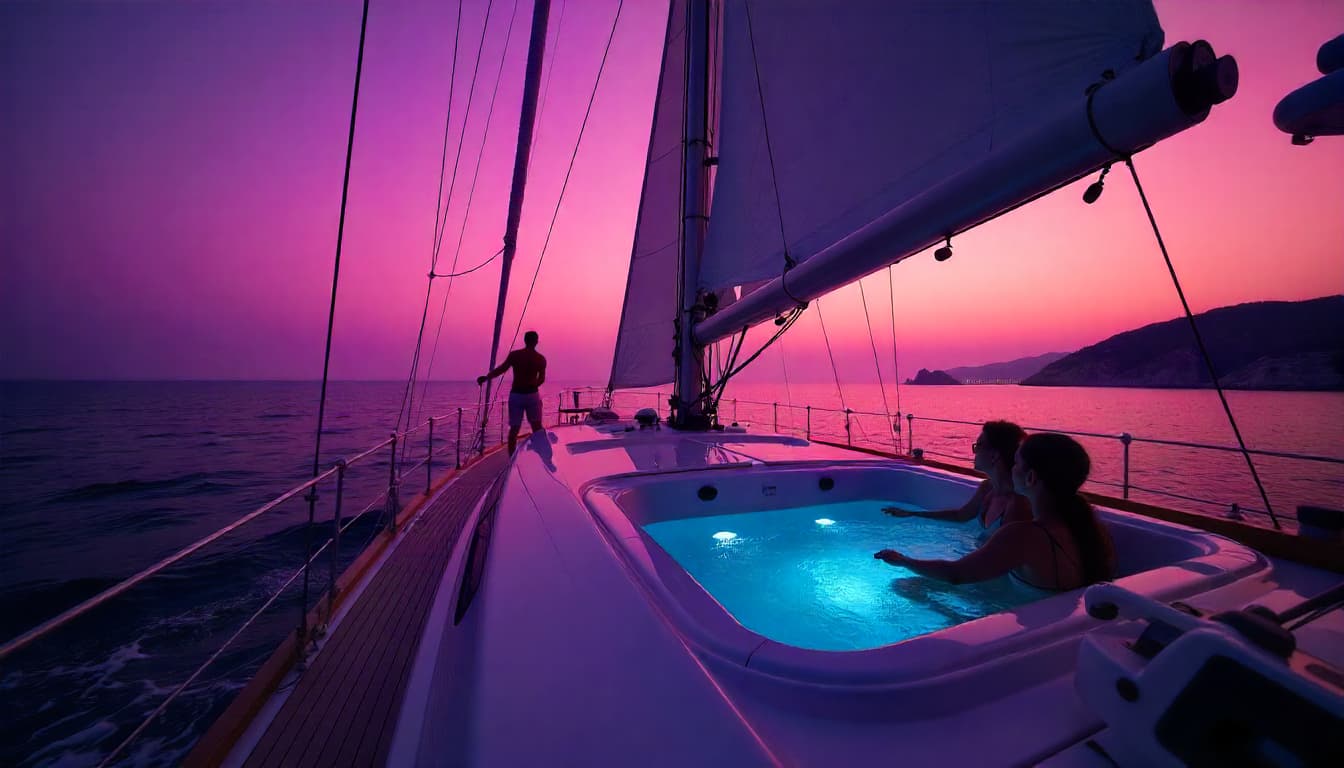
Accommodations are arranged for up to twelve guests across several cabins. Public areas include a cinema space that can project onto a large screen suspended between the masts when conditions allow. A gym and an outdoor jacuzzi offer additional options for relaxation or exercise. Because the yacht operates under sail for much of its time at sea, guests experience both the motion of a large sailing vessel and the quieter periods when the engines are not in use. Crew members handle sail adjustments and daily operations, leaving guests free to choose their level of involvement.
Ownership Changes and Charter Use
After its initial years under Perkins, the yacht changed hands and has since been available for charter. Weekly rates vary with season, itinerary, and fuel costs, but the vessel remains one of the more recognizable options in the large-yacht segment. Owners have continued periodic refits that address both cosmetic updates and technical improvements such as more efficient lighting and monitoring systems. For those interested in experiencing the yacht without purchasing it outright, charter through GetBoat provides a direct way to review current availability and routes.
Ongoing Care and Future Outlook
Any vessel of this size requires a permanent crew for routine maintenance, safety inspections, and seasonal upgrades. Annual refits often focus on preserving the carbon rig, updating navigation electronics, and ensuring the interior finishes remain in good condition. These efforts help retain both the yacht's performance capabilities and its market position. As sailing technology continues to evolve, the Maltese Falcon serves as a reference point for later projects that explore automated or rotating rig systems.
Frequently Asked Questions
How was the Maltese Falcon originally conceived?
The project started when an existing hull was purchased with the intention of turning it into a working square-rigged yacht. The owner worked with naval architects and rig specialists to develop the rotating-mast system that defines the boat today.
What is the main advantage of the DynaRig?
The rotating masts allow sails to be trimmed without the large number of lines and crew members required on traditional square-riggers. This reduces deck clutter and simplifies handling while still providing substantial sail area.
Can the yacht be booked for private charters?
Yes. After changes in ownership the Maltese Falcon has been offered for charter on a weekly basis. Availability, routes, and pricing are best checked through established charter platforms that list current schedules and crew details.
What kind of maintenance does a yacht like this require?
Regular work includes rig inspections, sail repairs, hull coatings, and updates to onboard systems. Most large sailing yachts schedule an annual refit period during which deeper technical work and interior refreshes are completed.