Náklady na jachting ve Španělsku: Rozpočet na cestu
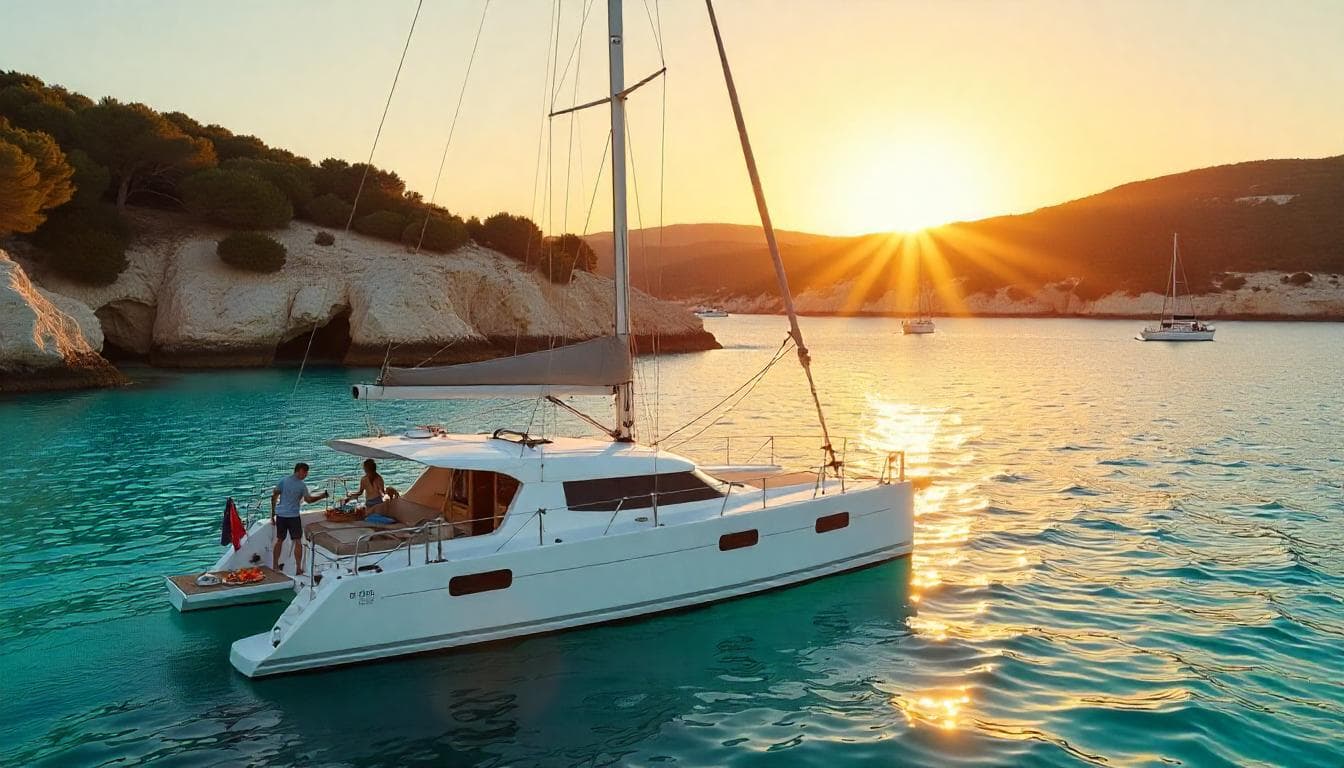
Yachting along Spain’s long coastline offers plenty of variety, from sheltered coves in the Balearics to longer passages along the Atlantic side. Before you book anything, it helps to understand where the money actually goes so you can match the trip to what you want to spend.
Why a Realistic Budget Matters
Costs add up quickly once you factor in the boat itself, places to tie up, fuel, food, and any crew or insurance. Without a clear idea of the main items, it is easy to overspend early and then feel limited later in the trip. A simple written breakdown of expected daily or weekly outgoings lets you adjust choices, such as how many nights you spend in marinas versus at anchor, before you leave home.
Charter Fees and What Influences Them
The largest single expense is usually the charter fee. Prices vary with boat size, age, whether it is a monohull or catamaran, and the time of year. Summer weeks in busy areas cost more than shoulder months. Smaller boats with basic equipment are naturally cheaper to hire than larger or newer vessels that include more amenities or a professional crew. Checking several operators and being flexible with dates often reveals better availability and rates. You can also compare listings and charter through GetBoat to see what is offered in the region you have in mind.
📚 You may also like
Mooring, Marinas, and Anchoring Choices
Where you spend the nights affects the budget directly. Popular marinas charge higher nightly rates, especially in high season, while smaller or less central harbours are usually lower. Anchoring is free in many sheltered spots, though you still need to consider holding ground, depth, and local regulations. Mixing a few marina nights for convenience with several nights at anchor is a common way to keep the total down without giving up all shore access.
Fuel, Provisions, and Other Running Costs
Fuel use depends on how much the engine runs and the type of boat. Sailboats under sail use very little, while motor yachts or boats that motor between islands use more. Provisions can be bought locally in supermarkets or markets, which is often cheaper than stocking everything before departure. Other items such as insurance top-ups, park fees for certain anchorages, or occasional taxi rides from remote bays should also be noted so nothing comes as a surprise.
Simple Steps to Stay Within Your Plan
Book earlier rather than later if your dates are fixed, since last-minute options can be limited. Decide in advance how many marina nights you really need and look for anchorages that are well protected. Track daily spending on a phone note or small spreadsheet so you can shift plans mid-trip if one category runs higher than expected. Keeping the itinerary flexible also helps; moving to a quieter area when a marina is full or prices are high can save money without losing the overall experience.
Frequently Asked Questions
How far in advance should I book a yacht in Spain?
Popular boats and peak summer weeks can fill several months ahead. Booking three to six months out usually gives a wider choice and sometimes better rates, though last-minute deals appear when plans change.
Is anchoring really free everywhere?
Many coves allow free anchoring, but some protected areas or harbours have restrictions or small fees. Checking local pilot books or asking at the nearest marina office avoids surprises.
What is the main difference in cost between a monohull and a catamaran?
Catamarans generally cost more to charter because they offer more living space and stability. Fuel and marina fees can also be higher due to wider beams, so the gap shows up in several parts of the budget, not just the base rate.