Nejlepší přístavy pro jachting v Portugalsku
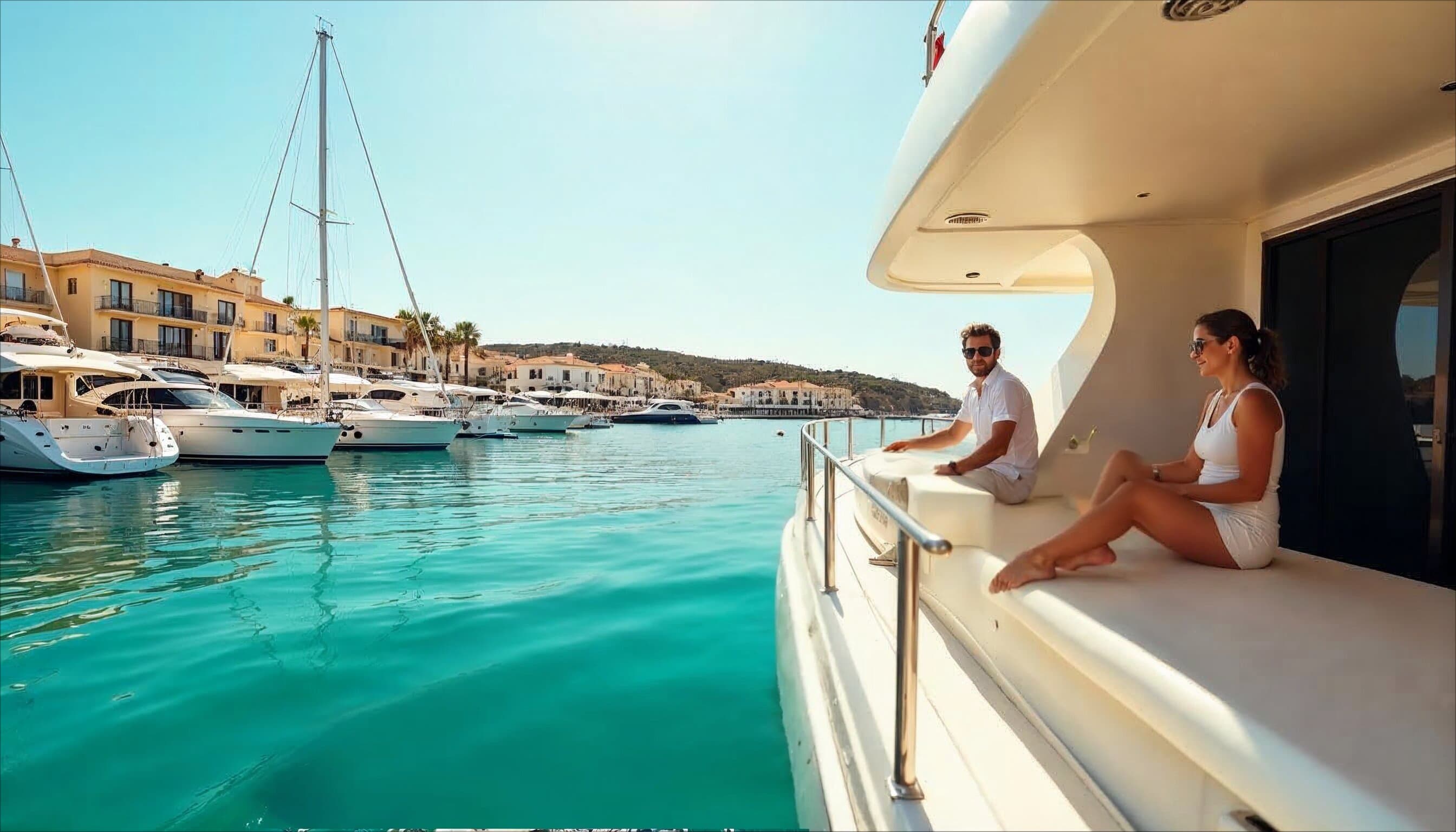
Portugal’s long Atlantic coastline offers sailors a mix of sheltered harbours, steady winds and easy access to both open water and quiet anchorages. Many visitors arrive by yacht to explore the south coast’s sandy bays, the sheltered approaches near Lisbon and the more remote islands farther west. The marinas themselves range from large, well-equipped harbours in the Algarve to smaller, historic ports closer to the capital.
Why sailors choose Portugal
The country sits on the western edge of Europe, so passages to the Mediterranean or the Canaries are straightforward. Summers bring reliable northerly winds along much of the coast, while winters remain mild enough for year-round cruising for those prepared for occasional fronts. Most marinas provide basic services such as fuel, water and electricity, and many now offer pump-out facilities as environmental rules tighten. Because the sailing season stretches from spring into late autumn, owners and charterers can plan longer stays without rushing.
Marina de Vilamoura and the Algarve coast
The Algarve’s largest marina sits inside a long breakwater that protects hundreds of berths from the prevailing south-westerly swell. Approach is straightforward in daylight, with clear channel markers and a responsive marina office on VHF. Once inside, visitors find repair yards, chandleries and a range of restaurants within walking distance. The surrounding town supplies supermarkets and transport links, making it a convenient base for provisioning or crew changes. From here, day sails reach several well-known caves and coves that are popular in settled weather; skippers should check local forecasts, as the wind can pick up quickly in the afternoons.
📚 You may also like
Marina de Cascais and the Lisbon approaches
Just west of the capital, Cascais marina lies in a bay that offers reasonable shelter from most directions except strong southerlies. The harbour is popular with both local sailors and visitors arriving from the north or south. Facilities include haul-out services and a range of small shops along the waterfront promenade. The town itself retains a quiet residential feel outside peak summer months, and regular trains run into Lisbon for those wanting to visit the city without moving the boat. A short sail west leads to the dramatic cliffs at Cabo da Roca, where anchoring is possible in calm conditions but requires close attention to swell and wind.
Other useful stops along the coast
Further west, the Azores islands provide a natural waypoint for yachts crossing the Atlantic. Several harbours there have expanded their pontoons in recent years and can accommodate larger vessels when space is reserved in advance. On the mainland, smaller ports such as Lagos and Portimão offer alternatives when Vilamoura is full, though they have fewer berths and more limited repair options. In the north, the Douro River entrance near Porto is used mainly by smaller craft; larger yachts usually continue south or head for the marinas around Lisbon. Checking availability ahead is advisable, especially during major regattas or holiday periods.
Practical considerations before arrival
Entry formalities for EU and non-EU flagged vessels are straightforward at the main marinas, but skippers should carry the usual ship’s papers and proof of insurance. Weather windows matter more than in the Mediterranean because Atlantic swells can affect even protected harbours. Many crews use weather-routing apps and local forecasts from the Portuguese meteorological service. Fuel prices tend to be lower than in northern Europe, yet still vary between marinas, so comparing a few stops is worthwhile. For those without their own boat, charter through GetBoat can be a practical way to sample the coast without committing to ownership.
Frequently Asked Questions
Which marina is best for first-time visitors to Portugal?
Vilamoura is often recommended because it combines straightforward navigation, extensive facilities and easy access to shops and transport. Cascais works well if your plans include Lisbon.
Do I need to reserve a berth in advance?
During July and August, and around major sailing events, space can be limited. Contacting the marina office a few weeks ahead is sensible, especially for yachts over 20 metres.
What are typical wind conditions along the coast?
From May to September the prevailing wind is northerly, often 10–20 knots in the afternoon. Stronger southerly or south-westerly winds occur with passing fronts and are more common outside the main season.
Are there anchorages near the main marinas?
Yes, several coves along the Algarve and near Cascais offer daytime anchoring in settled weather. Overnight stops require checking depths, holding and local regulations, as some areas restrict anchoring to protect seagrass.