


 Čeština
  English (UK)
  Русский
  العربية
  日本語
日本語  한국어
한국어  Magyar
  Türkçe
  Español
  Svenska
  Português
  Ελληνικά
  Suomi
Suomi  Nederlands
  Română
  Italiano
  Français
  Polski
  Українська
  Deutsch
  简体中文
简体中文  Slovenčina
  Top 12 Must-See Spots at Lake Kawaguchi for Day Trips">

Start with a one-day loop around kawaguchi lake: arrive by 10am and take a line map to guide a convenient, line-by-line route that hits the twelve spots.
Each stop is designed for a short hop, with easy access across the lake via bus or short taxi rides, ideal for touring at a comfortable pace. If you’re travelling as couples or a small group, you’ll find several favourite photo spots that spark zájm and don’t require hours of hiking. finding the right balance becomes easy with this route.
Mt. Fuji is the tallest peak in Japan, and its silhouette frames several vantage points around kawaguchi. A rising light on the north shore highlights the best reflections, and a short stop for them is often enough for a crisp, share-worthy post.
For added value, this guide was created to keep you on track with a simple, repeatable route and a new stop list. At the midpoint, enjoy an italian coffee or pastry and check the map for the next leg. The path runs across the lake, linking ropeway access, lakeside paths, and a calm tea house.
This concise guide keeps you within a compact itinerary, with an additional option if you want to extend the day: a short excursion to a nearby onsen or to a secondary viewpoint. If you love sunset hues, the last light over the lake is a favourite moment to capture and then head home ready to plan your next kawaguchi visit.
One-day itinerary with practical timing, access, and route suggestions
Arrive Kawaguchiko Station by 8:00 and walk along the lakefront toward the main promenade. The north-shore path, during this stretch, takes about 30 minutes to reach the first cafes and offers the first views of Mount Fuji reflected on the water. Have a simple plan so you don’t miss the iconic spots, and actually keep your pace steady for the rest of the day.
By 9:00 reach Oishi Park, where wide lawns meet forested hills and a small herbs garden adds scent and color to photo moments. Families pause here for a quick break, and the outdoor paths invite a relaxed stroll along the lake.
From there, 10:15–11:15, visit the Itchiku Kubota Museum or a nearby ryokan to experience traditional spaces created to feel like a cozy house, with textiles that tell a story through color.
Lunch around 12:00 at lakeside cafes serving houtou, with options including meat for non-vegetarians.
13:00–14:00, rent a boat or join a short lake cruise to view Mount Fuji from the water. The watercraft departs near the main quay and returns you to Kawaguchiko after about one hour.
Late afternoon, explore neighboring towns in minamitsuru-gun and stop by a shop offering kimonos for a brief try-on. This creates memorable photos along the shore, as artisans create them.
Conclude by 17:00 with a final coffee or dessert at a cafe near the lake, or head back to a ryokan if you’re staying in the area. If you’re traveling with families, this route keeps the pace relaxed and leaves time for a quick stroll around the lake before heading home.
Best sunrise and sunset viewpoints for Mount Fuji reflections
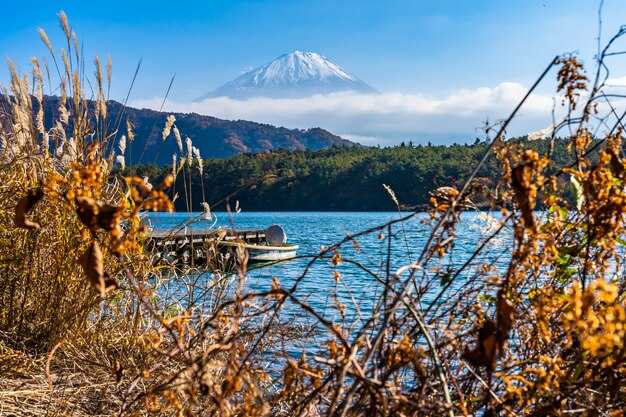
Chureito Pagoda at sunrise is the easiest, iconic Fuji reflection you can capture on a Kawaguchiko day trip, with the pagoda framing Mount Fuji on the water’s surface as the first light hits. Arrive 20–30 minutes before sunrise to secure your position on the viewing steps and to catch the pond’s glassy surface before any breeze arrives. This perspective is particularly photogenic in spring and autumn when mist hovers above the lake.
Oshino Hakkai, such as the ponds near oshino, offers the closest natural refuges with Fuji’s reflection, fish visible beneath the surface, and a tranquil backdrop. For sunrise or sunset, choose the ponds facing northwest to catch Fuji above the trees, providing convenience with a short drive from Kawaguchiko. The nearest stops are along Route 413, and the quiet morning breeze keeps the water still; herbs from local stalls add a pleasant scent to the scene. Such a stop is a neat contrast to city crowds, and it’s available year-round.
From Kawaguchiko’s Tenjo area, the Kachi Kachi Ropeway ferries you above the lake to a cool vantage where Fuji sits beyond the water and the valley below. This route offers an overhead perspective ideal for sunset reflections when the lake darkens and the mountain lights glow. The nearest parking is by the ropeway station, and the road access is straightforward for most cars; the convenience makes it easy to switch from morning to evening shoots without losing momentum. Featuring the same panorama of sky and water, the scene shifts with clouds, so be ready to click and maybe catch something special in the light.
Oishi Park on Kawaguchiko’s north shore provides broad scenery with flowers and Fuji reflected in the lake at sunset. Bring a long lens to compress the composition and a wide lens for the full panorama. The nearest rest areas offer snacks, and a digital map helps plan the walk along the lake and catch the best light. This district is popular for golden hour shots, and you’ll see locals and visitors framing their own reflections along the waterfront.
For a compact day trip, combine Oshino and Kawaguchiko with a sunrise at Chureito Pagoda, then finish with a sunset at Hakone’s Lake Ashi if the weather cooperates. The bus routes from Kawaguchiko Station connect to Fujiyoshida and Oshino in under an hour, while driving in a Subaru gives you flexibility to chase light across above the lake. Planning with a neat digital calendar helps you align times, wind conditions, and traffic so you don’t miss the moment when Fuji’s reflection shines on the water.
Accessible lakeside walks and kid-friendly stops
begin with a 2 km lakeside loop along Kawaguchi-ko’s north shore, starting at Kawaguchiko Station. The paved, stroller-friendly path stays close to public restrooms and cafés, making it already a week-day favorite for family strolls, about 40 minutes at a gentle pace.
Add a stop at the Kachi Kachi Ropeway station for a short, panoramic ride up to Tenjozan. From the highland platform, you get panoramic views across the lake and, on clear days, Fuji’s north face. The ropeway is famous with families, and the most iconic sight draws visitors from around the region.
On the southern stretch, you’ll find quieter, serene spaces in public parks and along the lakeside boardwalk. Kids enjoy watching ducks and boats, with benches for quick stop locations and safe crossings at crosswalks.
note: some sections near lava-rock terrain may have uneven ground; wear sturdy shoes and stay on marked trails. The area around Kawaguchi Lake carries lava history that shapes the shore, so tread carefully where paths narrow.
A night stroll adds a gentle charm: lamps light the water and the trail remains easy to follow. Bring a light jacket for the breeze, and plan a short stop at a close snack stall to round out the outing. japanese families, including visitors from osaka, often wrap the day with a peaceful lakeside stroll before heading home.
Cultural stops within a short stroll from the shore
Begin at Kawaguchiko Shrine, just steps from the shore. The approach along the lakes trail brings you back to a calm torii gate and stone lanterns you pass on the way. You’ll notice donation boxes and the presence of regular visitors. The round walk to the shrine and back takes about 8 minutes, and the panoramic view from the waterward side makes the stop very rewarding.
Nearby, a tiny stall run by simon offers appare and handmade goods, a small pulse of local craft. The detour along the trails adds a bit of local flavor, and you can chat with simon about the town’s history while you try a sample.
A lakeside cafe sits with a panoramic window and a friendly menu that features regional broth and light bites. The seats feel very comfortable after a busy morning. If you booked ryokans nearby, you can leave your bags in the rooms before strolling along the shore for a final look at the sunset.
Nearby are ryokans with onsens that welcome day guests after the stroll. Short trails meander along the shore to a compact heritage house where locals display small exhibitions in quaint boxes. The presence of these voices, photos, and crafts makes the stop fascinating for families. The route is flat and easy, and you can enjoy bike rides along the path to reach other cultural corners of the lake.
Boat rides, ropeway access, and timing tips for maximum views
Take the 9:15 Kawaguchiko Boat Cruise from the north pier to catch Mt Fuji reflected in still water; the huge payoff for photographers comes on clear mornings as boats glide over a glassy surface. Rides run roughly every 20–30 minutes through late morning, and each trip lasts about 20–25 minutes; prices typically range from 1,000 to 2,000 yen, with cheaper combo options when paired with the ropeway on official sites. This plan is capital for a short escape from Tokyo, and it works fully even on crowded days.
Then hop on the Kachi Kachi Ropeway. It is located on the lakeside in the Fuji Five Lakes region and leads to a dome-shaped lookout with a sweeping view. The ropeway runs from about 09:00 to 17:00; ascent and descent each take a few minutes, so plan about 10–15 minutes at the top. From the top, you see Mt Fuji rising behind the lake and the surrounding hills, with the background often clear on dry days. This viewpoint is particularly popular in autumn when leaves turn color and in winter when the air is crisp.
To maximize views, coordinate the two activities: start with the boat in the early hours for reflections, then ride the ropeway mid-morning or late afternoon for broad panoramas. For sunset light, book the 16:00–16:30 slot up top on calm days; if you prefer softer light on water, shoot from the east shore at sunrise. Always check the official weather forecast on sites before you go; youll avoid clouds and wind that obscure Fuji’s silhouette.
Practical notes: bring a light jacket, sunscreen, and water; the breeze at elevation can feel sharper; the ropeway ticket often includes a shorter line if you buy online on the official site. In autumn, leaves can color dramatically; plan a second run for better results. The Kawaguchiko area is a region known for textile stalls and small shops; you can browse textile crafts near the ropeway base and along the promenade. Visitors from many countries come here, so youll likely hear multiple languages; sneha notes this is a great place to pair lakeside views with a quick stroll for snacks. The waves on the lake create onda patterns that add motion to moving shots; keep cameras secure and set to a wider lens to capture both the water and Fuji.
Seasonal photography spots and when to shoot for colors and light
Chureito Pagoda at first light in winter delivers a clean blue line of dawn across the lake with Mt Fuji crisp above the snow. Arrive 60 minutes before sunrise to set up, depart your hotel early, and frame the scene before crowds arrive.
In this article, plan with seasonal color and light in mind to maximize every shot around Lake Kawaguchi.
Please plan a pick-up from your hotel to keep to the tight windows and avoid a shortage of daylight in winter. Youd still have room to move, but you should arrive early to secure your preferred angle.
Spring highlights
- Chureito Pagoda: best in early morning during late March to early April; shoot 40–60 minutes before sunrise to catch the blue hour and blossoms framing Fuji. Use a wide lens to emphasize the line of stairs against the sky.
- Oishi Park gardens: 7:00–9:00 a.m. provides soft light along the lakefront; between water, blossoms, and garden beds you’ll find lovely compositional options. Some spots offer free viewing, others charge a small fee.
- Zahrady muzea Itchiku Kubota: ranní světlo na textiliemi inspirovaných strukturách; vyjeďte ze stanice Kawaguchiko a následujte svahovou cestu směrem k otevřeným výhledům. Okolní hory a linie budovy vytvářejí vyvážený rám.
Letní vrcholy
- Levandulová pole v Oishi Parku: vrchol kvetení od konce července do začátku srpna; foťte od zlaté hodiny do modré hodiny, zatímco fialové řady září proti modré vodě. Vezměte s sebou polarizační filtr pro prohloubení barev a snížení odlesků.
- Kawaguchiko promenáda a nábřeží: dlouhé, klidné úseky se dobře hodí v pozdních odpoledních hodinách, kdy se světlo změkčí; otevřené prostory vám pomáhají komponovat mezi stromy a vodní linií.
- Noční fotografie nad jezerem: z otevřených výhledů poblíž břehu nebo ve vedlejších městech můžete zachytit odrazy světel na vodě. Pokud si přejete, můžete si naplánovat večerní vícedobrodružství a odjet po západu slunce pro klidnější snímky.
Podzimní zvýraznění
- Momiji-dani (Údolí javorů) poblíž lanovky: polovina až konec listopadu přináší žhavé listy osvětlené sluncem; natáčejte ráno, abyste se vyhnuli stínům a zachovali si zářivé barvy. Okolní svahy dodávají hloubku, když jsou orámovány jezerem.
- Nejlepší výhled z lanovky Kachi-Kachi: konec listopadu až začátek prosince nabízí dramatické zbarvení jezera a města; dorazte dříve než dav, když slunce zapadá za hory.
- Břeh jezera Kawaguchi poblíž budov a zahrad: používejte světlo mezi listy k zvýraznění textur a červených tónů; brzké odpolední slunce může vytvářet ostré stíny, proto hledejte klidnější zákoutí s jemným světlem.
Zimní highlights
- Chureito Pagoda ve sněhu: čisté noci vedou k ostrým siluetám; zkuste 7:00–9:00 ráno, abyste viděli první světlo interagující s bílými pláněmi. Linie Fuji zůstává hlavním bodem.
- Noční záběry Fuji z otevřených bodů na jezeře: noční fotografie nabízí jinou náladu; použijte stativ pro expoziční časy 15–30 sekund a experimentujte s 2–10minutovými sekvencemi pro slabé hvězdné nebo mračné pruhy. Světla města v okolní Fujiyoshida vytvářejí jemné pozadí.
- Klidné, zamyšlené chvíle na břehu jezera: chladná rána mohou přinést nízkou mlhu mezi horami a vodou; delší procházka po otevřené pláži přináší klidné, nedotčené snímky.
Extra poznámky
- Zarovnejte své záběry pečlivým plánováním: první světlo, zlatá hodina, modrá hodina, noc – každé okno mění barevnou rovnováhu a náladu.
- Mezi místy odcházejte brzy, abyste se vyhnuli davům a maximalizovali klidné úhly poblíž zahrad a otevřených pobřeží.
- Páry a dobrodruzi mohou vyvážit portréty s krajinou tím, že si vyberou pozadí poblíž zahrad nebo vodních linií, čímž vytvoří krásný kontrast mezi aktivitou a klidem.
- Textilní textury z oblasti Muzea Itchiku Kubota dodávají zimním a jarním rámcům hmatový prvek; zahrňte budovu a okolní krajinu pro hloubku.
- Směrem k nejlepším vyhlídkám naleznete otevřená místa, která orámovávají Mt. Fuji s jezerem a okolními kopci a nabízejí dokonalé, klidnější okamžiky.
- Zkontrolujte si prosím podmínky květu a sněhu předem; krátkodobá předpověď vám pomůže vybrat správný den a čas odjezdu pro nejlepší barvy.
- Možná byste chtěli naplánovat několik flexibilních časových slotů, abyste se přizpůsobili počasí a světlu, a tím učinit fotografický plán odolnějším pro ideální den plný dobrodružství a dobrodružství kolem Kawaguchiko.