


 Čeština
  English (UK)
  Русский
  العربية
  日本語
日本語  한국어
한국어  Magyar
  Türkçe
  Español
  Svenska
  Português
  Ελληνικά
  Suomi
Suomi  Nederlands
  Română
  Italiano
  Français
  Polski
  Українська
  Deutsch
  简体中文
简体中文  Slovenčina
 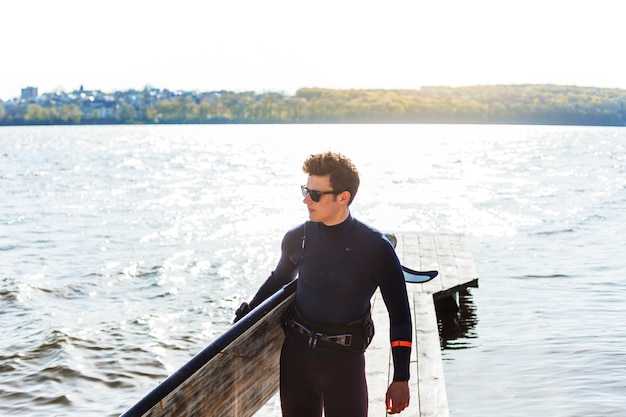 Tips to Become a Better Boater – Essential Boating Skills">

Begin with a quick, practical pre-trip checklist: verify fuel, test bilge pumps, secure loose gear, and put on life jackets. Practice a 10-second man-overboard drill while the boat is moving at idle so you can respond if someone goes overboard. This direct action helps you connect safety habits to real conditions and builds confidence for all your runs on the water.
Adopt a simple, repeatable set of tips for each voyage: keep velocity steady in chop, anticipate wind shifts, and choose a heading that avoids crowded channels. For powerboats, tune trim and ballast to the load and fuel. When reading charts, compare distances to landmarks and read radar returns to verify the route, especially when operating under reduced visibility. Always consider backup options before you depart.
Develop muscle memory for docking by practicing short slips in calm water, then move to longer sessions in variable wind. This builds the potřebujete for precise lines, fender placement, and rope handling. Keep an emergency gear bag ready. operating in rough conditions requires breathing calmly, which keeps your crew engaged and your decisions sharp. The habit of reviewing weather forecasts often will keep you out of trouble before it starts.
Becoming a more capable boater means systems you can trust. Build a routine that connect engine gauges, steering feel, and lookout practice into every trip. When trouble seems near, you can switch from routine to task-specific actions; that clarity saves time and keeps your crew safer, faster than you expect. By treating safety as a daily discipline rather than a checkbox, you turn the water into a reliable classroom where every movement matters.
Tips to Become a Better Boater: 9 Learn Advanced Maneuvering Techniques

Begin with a hands-on docking drill in calm water to connect your control inputs with the boat’s response. Wear a life jacket, practice securing lines early, and keep crew clear of the stem and propeller.
Master slow-speed maneuvering by coordinating rudder and throttle; keep inputs deliberate to pivot around a fixed point. This advice helps most berthing tasks and builds confidence for every boater.
Practice controlled turns in tight spaces using small, sequential rudder taps and throttle adjustments to avoid propeller wash.
Propeller safety and securing lines: keep hands clear of the running area, shut down when securing lines, and verify everyone stays back.
Wind and current: adjust heading into the wind or current by 5–15 degrees, then hold a steady course with smooth trim and weight distribution.
Backing and pivoting: in reverse, apply gentle throttle and steer with the rudder to minimize bow rise and avoid prop-wash surprises.
Rivers and coast planning: plot routes through central channels, note eddies, and select safe launch and recovery points along the coast.
Systems and checks: run a marine pre-departure checklist covering safety gear, VHF, and engine gauges; involving everyone keeps risk minimal.
Events and ongoing practice: enroll in hands-on clinics led by professional instructors, make practice enjoyable, and dedicate time to master these maneuvers. heres a practical approach: practice with a friend, repeat the same drill, and record results to track progress.
Focused on practical on-water skills for frequent use
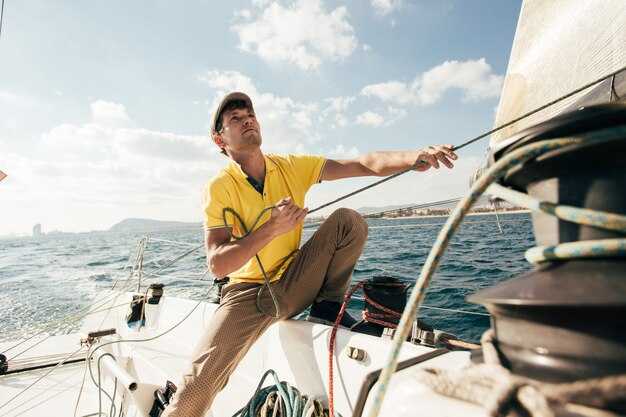
Practice controlled, low-speed boating and backward maneuvers in a sheltered florida cove to build muscle memory before tackling heavier traffic. They help you stay composed when conditions shift and keep your vessel stable as you learn to respond to minor changes in wind or current.
Document the basics with a dedicated page that outlines step-by-step drills. Master the basics of steering, trim, and throttle, then link each drill to specific vessels you operate. This approach covers core controls in a steady sequence while you explore different routes and handling scenarios.
Enrich practice with activities that mimic on-water tasks: docking in light wind, keeping a steady line of sight, and performing controlled stops. The program covers these skills and provides feedback you can apply during boating sessions with family or friends.
When emergencies arise, they rely on calm, practiced responses. Run through a checklist: keep to a stable speed, switch to appropriate routes, and use your controls to regain control. Practicing in calm water builds muscle memory you can apply in bigger seas or during crowded florida harbors.
Keep exploring new activities, but do so in a controlled sequence: try a backward approach, then a forward approach, then a stop, then a slow turn. This step-by-step cadence helps you master the timing of throttle, rudder, and trim. If you ride with other boats, discuss your plan and consider their perspectives to boost safety and enjoyment.
Boating cadence should include a routine you repeat on every trip: review routes, inspect gear, and keep the page of drills fresh in memory. By keeping these habits, you enjoy smoother outings and boost confidence every time you head out on florida waters.
Pre-trip safety checks and gear readiness
Do a full pre-trip safety check before you cast off today. Create a simple, repeatable checklist of procedures and assign one person to verify each item, so your boating crew stays focused as you depart and you enjoy a good, smooth ride.
Stock the safety components: PFDs for all riders, a throwable flotation device, a fire extinguisher, a first-aid kit, a horn or whistle, and a bright flashlight with spare batteries. Keep navigation devices powered and within reach, and verify the VHF radio or backup messaging is ready. Add a Columbia rain jacket or other weather gear for crew comfort, and ensure a dry bag keeps charts and a spare phone dry. This boost readiness and helps connect the crew to the plan.
Inspect the engine and hull: check fuel level, oil level, and coolant; ensure battery terminals are clean and tight; test the bilge pump and float switch. Look for hull damage and remove any lines or debris from the propeller shaft. Address loose hardware and inspect steering and throttle controls for smooth, controlled operation.
Plan the trip with tide and weather in mind. Check a reliable forecast, note wind and waves, and pick a safe, controlled speed. Review channel markers and marina procedures and choose a familiar route for your first legs. This approach reduces the chance of accidents and keeps everyone clear of hazards.
After checks, log the results and share them with your boating community. Keep a copy in the center and refer to it before every trip. This practice helps lead the crew, boosts confidence, and connects with fellow boaters in Florida and beyond–whether you’re on the west coast or a local bay.
Slow-speed maneuvering near docks and in tight spaces
Begin your approach at 2-3 knots, then ease to 1-2 knots as you reach the slip; keep the hull moving with a steady rudder and brief power adjustments to counter wind and current. Use shallow arcs, small steering inputs, and a plan for what to do if a gust shifts the boat toward pilings. This controlled tempo reduces the risk of contact and keeps you in control while maneuvering near docks.
Preparation is essential: theres a simple check you run before any close-quarters move. Ensure you have the right equipment: fenders positioned to protect the hull, spring lines and regular lines ready, chafing gear in place, and your engine, steering, and throttle controls tested. Determine your needs for the dock type, tide, and wind, and confirm that your crew understands duties. Ensuring fenders are positioned and lines managed reduces risk.
There are three common types of slow-speed maneuvers near docks: parallel docking along the edge of a pier and then turning to align with the slip; backing into a slip with a controlled reverse; and stern-first pivoting to rotate in place when space is tight. Practice each type at a calm harbor and use a deliberate sequence: look, plan, move, adjust, and maintain spacing from other boats and pilings. A deliberate approach lets you master the timing without rushing.
Wind and current management: assess wind direction relative to the dock and water depth. If wind is pushing toward pilings, use a short inbound path with a controlled arc and keep your moving momentum steady to avoid sudden turns. Tie a bow line and stern line to relieve pressure, and be ready to switch to backing a few feet to re-center. Knowledge of wind shifts helps you avoid contact and enjoy cruising with confidence. Observe and communicate with crew, and adjust pressure gradually rather than snapping the controls.
If you have doubts, rely on knowledge of the basics and seek tips from an experienced captain. Build dedication by repeating the same steps in different docks and conditions. Ask what details you need, check what types of docking you’ll face, and tailor your approach. Like any skill, slow-speed handling improves with deliberate practice and a plan you can repeat. With time you become a master of slow-speed handling and can adapt to most docks and conditions.
Leaving the dock safely starts with a plan and a clear line of sight. Before you depart, verify that fenders are stored or moved, lines are ready, and crew know where to stand. Maintain a moving but controlled motion while turning away, and keep watch for pedestrians, swimmers, or retrieving lines. If someone falls overboard, stop engine, throw a flotation device, and maintain visual contact until the person is rescued. After clearing the dock, recheck speed and steerage as you begin cruising away, gradually increasing distance from the slip while maintaining readiness to stop if needed. This routine protects crew and boat as you transition from dock to cruising.
Steering-throttle coordination for smooth turns and stops
Begin with a pre-launch check of controls and systems: verify current RPM range, ensure steering responds to light inputs, and inspect wear on linkages. This setup stays aligned with the boat’s standards and supports smooth maneuvers you’ll make today. If you need to adjust, this check helps reduce doubts about response. It doesnt rely on guesswork and uses measured inputs. This approach is designed to stay stable through turning and stopping.
Turning: přibližujte se ke křižovatce s povědomím o provozu v okolí a pohybujících se plavidlech, poté proveďte plynulou sekvenci řízení a plynu. Nejprve zvolte malý řídicí vstup, poté postupně přidávejte plyn, abyste udrželi oblouk. U plánovacích trupů mířte na 3–6 stupňů řízení a 5–15% rampu plynu během první sekundy zatáčení. U výtlakových trupů používejte jemnější vstup a prodlužte oblouk. Pokud loď začne klopit, zmírněte plyn a upravte pomocí volantu; tím si udržíte kontrolu v proudu a větru.
Zastavování: plynule snižujte plyn do volnoběhu při držení lehkého kormidla, aby loď jela rovně. Pokud zastavujete v blízkosti doku nebo v křížovém proudu, zvažte krátký zpátečný chod, abyste zajistili vzdálenost, a poté neutrální polohu, když míříte dovnitř. Tato metoda snižuje náhlé změny a udržuje loď v souladu s trajektorií. Vždy se ujistěte, že posádka nosí záchranné vesty během operací zblízka a sleduje překážky přicházející z okolních sektorů.
Přibližování k doku a ukotvení: Rozhodněte se dopředu pro plán a potvrďte předstartovní kontroly. Při přibližování k mísťu s přístavem, snižte brzy rychlost, aplikujte drobné korekce řízení a mějte připraveny jištěcí lanka. Udržujte tým informovaný a soustřeďte se na aktuální podmínky, abyste zvýšili bezpečnost a kontrolu.
| Situace | Řídicí vstup | Throttle action | Poznámky |
|---|---|---|---|
| Pomalé zatáčení | 3–8° | 0–15% | Udržujte stálou křivku a sledujte okolní plavidla |
| Přibližování k doku v proudu | 2–5° proti směru proudění | -10% to idle | Buďte připraveni vrátit se zpět, pokud to bude nutné. |
| Zastavení ve volné vodě | 0–5° | Plynule snižte otáčky do volnoběžných. | Udržujte trim stabilní, aby nedocházelo k kývání. |
Zvládání ve větru, proudu a v drsných vodách
Proveďte to nyní: zajistěte pevný bow line s vhodným uzlem, používejte důležité vázání a procvičujte si dokovací úpravy, abyste správně četli a rychle reagovali na změny podmínek.
- Předodjezdové plánování
- Přečtěte si předpověď počasí a zkontrolujte předpisy pro vaši oblast; ujistěte se, že dodržujete bezpečnostní směrnice klubu a trasu navrženou tak, aby se minimalizovalo vystavení poryvům větru; určete, co očekávat a únikovou cestu; zkontrolujte lana, bouřky a záchranné vesty; tento plán zahrnuje kroky, které vás udrží připravené.
- Řízení ovlivněné větrem
- Udržujte stabilní směr plavby pomocí řízených ovládacích prvků, upravujte plyn a kormidlo tak, abyste kompenzovali nárazy větru; udržujte loď v optimálním nastavení, abyste snížili tendenci k zatáčení větrem; pokud musíte zatáčet, provedete plynulý, pomalý oblouk a vyhněte se náhlým pojezdům; chraňte svou posádku před uvolněným vybavením a zajišťovacími lany.
- Řízení proudu a vírů
- Když silně proudí Kolumbijský proud, pozorně sleduj vodu před sebou a vyber si směr, který tě udrží v hlubších kanálech; sniž rychlost, abys udržel stálost a zabránil plnění kýlu; využívej motor k boji proti odlivu a poté upravuj řízení, aby ses udržel na stálém kurzu; tento postup zvyšuje kontrolu a bezpečnost.
- Rough water techniques
- Přibližujte se k vlnám v mírném úhlu (asi 45 stupňů) a udržujte váhu vyváženou; opřete se o sedadlo a používejte úchyty; zajistěte lana a vyvarujte se přehnané reakce na každou vlnu; upravte trim a balast, abyste minimalizovali kývání; soustřeďte se na obzor, abyste načetli další vlnobití.
- Budování dovedností a bezpečnostní opatření
- Připojte se k místnímu klubu, abyste měli přístup ke strukturovaným cvičením na vodě; tyto nabídky vám pomohou procvičovat kotvení, manipulaci s lanem a manévrování v drsných vodách; pravidelně procvičujte důležité vázání a manipulaci s lanem, abyste zlepšili svůj čas odezvy a sebevědomí; učení posiluje vaše konečné bezpečnostní myšlení.
Závěr: Toto konečné zdůraznění čtení vody, procvičování soustředěných ovládacích prvků a udržování obrany proti ztrátě výstroje zvýší svobodu si užívat plavby i v případě, že vás omezí vítr, proud a rozbouřená voda.
Nouzové postupy, signalizace a cvičení týkající se komunikace posádky
Začínejte každou plavbu 5minutovým nouzovým cvičením, které zahrnuje signalizaci, shromáždění a role posádky. Jmenujte centrálního vedoucího signalizace a projděte si, co musí každý udělat, pokud se něco pokazí. Cvičení zahrnuje rychlou kontrolu záchranných vest, hasicích přístrojů a hozích pomůcek před odjezdem z doku. Budete vědět, kdo volá a kdo se stará o vybavení.
Signalizační cvičení využívají zvukové a vizuální signály. Procvičujte varovné troubení pro situaci člověk přes palubu, nouzi a návrat do přístavu, a také rakety uložené v bezpečné krytce poblíž kormidla. Udržujte signalizační sadu, která zahrnuje roh, píšťalku, zrcadlo a rakety; testujte je ve vodách s různými větrnými a přílivovými podmínkami.
Cvičení komunikace posádky přiděluje role: Kapitán, Přední, Zadní, Motor a Pozorovatel. Používejte jasné pokyny, opakujte zprávy a potvrďte stručným přiznáním. Procvičujte si rozhodování o přednosti v klidných jezerech a když se provoz zvýší v blízkosti přístavišť. Teenágeři si mohou s dohledem dát praktické otočky; střídejte role, abyste si vybudovali sebevědomí. Tento přístup zlepšuje komunikaci posádky v náročných situacích.
Projeďte praktickou kontrolu vybavení a systémů před jakoukoli plavbou. Ověřte hladinu paliva, kryty lodní kajuty a postupy nouzového zastavení motoru. Potvrďte funkčnost navigačních světel a zvukových signalizačních zařízení za svítání, za soumraku a při nízké viditelnosti. Procvičte si manipulaci s lanem, umístění boukacího polštáře a zajištění věcí, abyste zabránili uvolnění vybavení při změnách rychlosti nebo při manévrování v blízkosti přístavů.
Snadné cvičení vyhovují lodím všech velikostí. Pro teenagery a nové posádky udržujte úkoly jednoduché: pozorovatel, radiotelegrafista, manipulátor lan. Používejte stálé tempo a jasný jazyk, poté střídejte role, abyste posílili sebevědomí. Sdílejte poznámky s místní radou a jezeřní asociací, abyste sladili postupy mezi loděmi a zlepšili bezpečnost na vodě.
Po každé relaci si pročtěte poznámky a aktualizujte stručný přehled pro posádku. Zaznamenejte, co fungovalo, co vyvolalo pochybnosti a co vyžaduje objasnění. Pro pokročilé posádky přidejte simulovanou rádiovou zátěž a časově omezené odpovědi, abyste otestovali zvládání tlaku a zároveň zůstali v rámci centrálního bezpečnostního plánu. Tento postup vám pomůže zůstat připraveni, mít nikdy nadbytečné vybavení a být připraveni rychle reagovat v reálné vodě.