


 Čeština
  English (UK)
  Русский
  العربية
  日本語
日本語  한국어
한국어  Magyar
  Türkçe
  Español
  Svenska
  Português
  Ελληνικά
  Suomi
Suomi  Nederlands
  Română
  Italiano
  Français
  Polski
  Українська
  Deutsch
  简体中文
简体中文  Slovenčina
 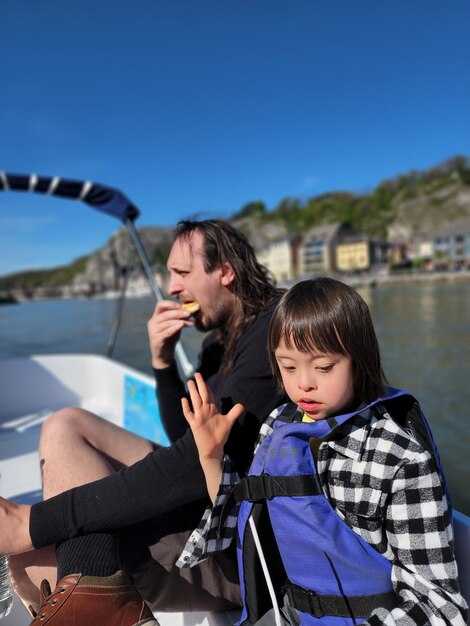 Tips for Sailing with Children – Safe, Fun Family Boat Trips">

Start with a short, calm trial sail to gauge your children’s comfort before longer trips. Pick a familiar cove, keep the pace slow, and aim for 60 to 90 minutes total on the first outing. This approach helps the mother and others see how they would respond, keeps the mood light, and focuses on the basics just enough to build confidence, with breaks to explore the outside deck and take a swim if the water is calm.
Prepare the boat with clear safety zones: keep basics visible, store gear in the saloon and cockpit, and provide life jackets that fit each child. Use a gentle engine power setting, and plan for anchoring in sheltered coves. If weather shifts, have a plan to deploy the winch for furling sails and to shorten the ride safely; never lift a child near lines or ropes, and this setup helps reduce effort and keeps everyone calm so you can focus on safety.
During the voyage, keep the atmosphere positive with steady routines: assign a rotating watch for keeping an eye on the horizon, and give children simple tasks like trimming a sheet or tidying the deck. Bring compact books and picture cards for calm moments in the saloon, and give each child a small role to foster responsibility that they would enjoy. besides, schedule a mid-point swim in a safe, sheltered area if conditions allow, and stay connected with your crew while you reassure everyone from the cockpit to the outside deck.
Engage the family with practical skills that match age: knot-tying, chart-reading, and keeping a steady stance so the body stays balanced. When moving between deck and saloon, use the winch or lines with deliberate, calm actions; this reduces risk and makes the trip more enjoyable for they and for you. perhaps carry a small safety kit with plasters and seasickness bands to give quick relief and prevent disruption.
After each outing, compare notes with a simple checklist: gauge the wind, the mood of the body, and how calmly the children settled in the saloon while the boat changes speed. Keep a small books collection for rainy days, and share the results with your mother and the crew to keep improving the basics of family sailing and to give everyone confidence.
Practical planning and safety for kid-friendly boat trips
Plan for at least one adult supervising every two kids, and require a properly fitted life jacket for each person on deck at all times. Prepare a simple pre-trip checklist and review it with your crew so you can stay safely organized from boarding to dock, creating a reliable routine that most families rely on.
Design the day around short, purposeful activities to keep young minds engaged and hands busy while afloat; rotate roles, practice knot tying, or try a chart-reading exercise, so never rely on passive moments alone, keeping the crew safe.
Assign clear responsibilities before you leave: adults monitor weather and supervision, while older children learn to stay within the designated area; keep someone responsible for sun protection, water, and snacks, all done safely and calmly.
Check the forecast, tides, and wind, and have an alternate plan ready for wherever conditions shift; if heavy waves appear, move to a sheltered cove or call it a land-based stop, perhaps at a pier or somewhere nearby.
Keep a compact radio or VHF on deck with fresh batteries, and practice a simple sound-based protocol for signaling, so every person knows what to do if communication bites the dust.
At night, illuminate your path with a bright deck light and limit movement to the safe zones; slow your pace and maintain a steady discussion so everyone feels secure, and enjoy the ride together instead of rushing.
During the trip, schedule tiny breaks to reconnect, share your love for the sea, and create memories; give kids a chance to choose an activity, and let them feel involved wherever you go, somewhere special that strengthens your bond.
Choose kid-friendly routes and sheltered sailing areas
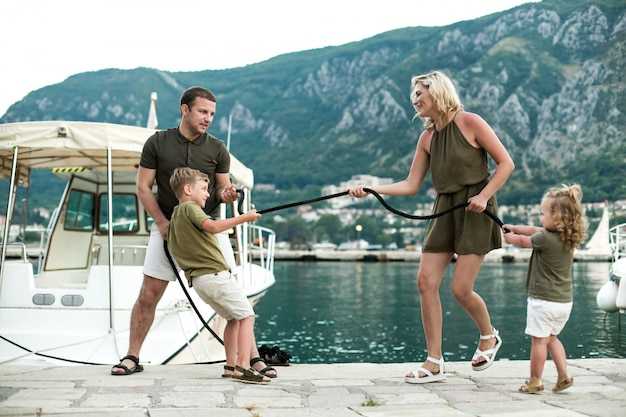
Select routes with sheltered waters and short hops between safe anchorages to keep transitions smooth for young voyagers. Choose bays where wind breaks and calm entry protect the keel, and where a nearby marina offers accessible facilities and a calm saloon area for breaks.
Turn planning into play and engage the kids: letting them pick two options from a short list, then select the final leg. They learnt to read buoys and watch wildlife, and you can incorporate activities such as light knot tying or map trivia. Letting them help with small tasks keeps them focused and builds confidence, and creatively distributing roles keeps the same energy across legs.
During the sail, inspect sails and trim as winds shift to maintain a steady pace and reduce rolling. ottilie sits in the saloon with a drawing pad; that helps them concentrate. Theyd take turns with safe tasks and learn simple safety rules. After each leg, review what worked and what to improve.
Watch for dolphins along the shore and heed the unpredictable weather. You cant ignore signals of changing conditions, so head to a protected cove or harbor when winds rise. Keep kids informed with simple cues and short checks of the weather and horizon.
Anchor and explore with a plan: choose routes where the depth is predictable and where snorkeling spots or shallow reefs are accessible at low tide. This gives an advantage, allowing quick, calm stops for play and exploration. Place markers in the same places on each trip so kids can anticipate the routine and feel secure.
After all, the goal is love of sailing, ensuring safety, and letting children learn through repeat runs that reinforce confidence and joy.
Pre-sail safety checklist tailored for children
Put a properly fitted, U.S. Coast Guard–approved life jacket on every child before you cast off. Ensure the strap sits flat, the buckle is secure, and test the fit by lifting gently on the shoulders; there should be little slack. This simple measure reduces overboard risk from the first moment you reach the sheltered deck of your sailboats.
Choose a sheltered area of the cockpit or cabin for kids, away from lines and booms, and keep them within arm’s reach. Have a dedicated handhold or tether somewhere accessible, and plan routes so they pass through the protected zone rather than edge along the gunwale.
Introduction to safety: use simple, clear language and show signals with a whistle or visual cue; practice a quick man overboard drill with a life jacket on a doll or a family member so the young crew know what to do and that everyone would contribute when needed.
Assign small, age-appropriate tasks to young crew members; this would teach them to stay aware and know where to find help, while giving the family a shared role and strengthening the lifestyle on the water.
Inspect gear before departure: confirm all PFDs, harnesses, and tethers fit correctly; test the bilge pump, VHF radio, and flashlight; carry a waterproof chart and a simple route plan and review them with the kids to build knowledge that might come in handy, especially if someone falls ill or winds shift through the day.
Keep clear of the sails by teaching kids to stay back from mainsail tracks and winches; show them how to crouch and move with the boat when you trim sails, and always keep a hand on a rail when the deck heels. If a child feels unsteady, move them to a central area and reset the pace; usually this keeps everyone back and safe and lets the sailor stay calm.
Plan with flexibility: if wind shifts or seas rise, shorten the leg and head toward a sheltered harbor somewhere nearby; plan another brief leg later if conditions allow, ensuring a seasoned sailor would adjust and keep safety first through the day.
End-of-day review: confirm all gear is dry, hats and sunscreen re-applied, and kids know how to contact family if separated; write a quick note with new knowledge and possible improvements for the next trip so you reinforce a healthy family lifestyle and back-to-back safe sailing sessions.
Onboard kid duties: age-appropriate tasks and roles
Assign an officer on watch for kids aged 6 and up and rotate roles to keep them taking part; flexibility matters when the seas are unpredictable, and many families have been using this approach.
Always secure a lifejacket on each child and review a simple overboard protocol before setting sail. If a child is feeling overwhelmed, pause briefly and switch to a quick, calm activity with adult guidance.
During calmer stretches, offer books and light crafts to keep them entertained and build confidence without screens. Tips: keep tasks short, celebrate progress, and encourage curiosity about the marine environment.
Attach an arva badge to lifejacket or gear for quick recognition by crew, and post a simple roles checklist so kids know what to do when the plan changes.
During mooring or docking, assign a clear line-check task to a child and pair them with a buddy to watch fenders and observe hull clearance. This steady responsibility helps them feel involved and reduces the chance of being stuck waiting ashore.
This approach helps kids love being on the boat and strengthens family bonds, making many trips smoother and more fun.
| Age | Role | Key tasks | Safety notes | Zařízení |
|---|---|---|---|---|
| 3–5 | Safety Buddy | Put lifejacket on with help; fetch small items; point at landmarks; observe surroundings | Always supervised; stay clear of lines and moving rigging | Lifejacket; simple bin for tokens; arva badge sticker |
| 6–8 | Officer on watch (under supervision) | Watch for obstacles; pass light items to adult; assist with mooring prep | Keep adult within arm’s reach; never handle heavy lines alone | Lifejacket; flashlight; checklist; books for quiet time |
| 9–12 | Junior Officer | Lead basic deck tasks; help log weather info; coordinate hand signals | Always confirm steps with adult; practice overboard recovery | Lifejacket; map or chart; whistle; arva badge |
Food, hydration, sun protection, and comfortable clothing for youngsters
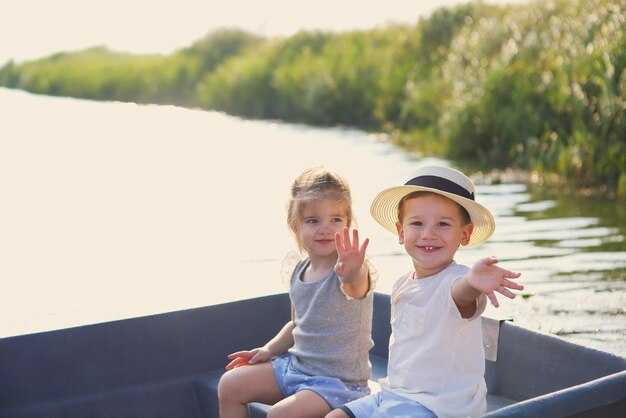
Provide each youngster with a labeled 500 ml water bottle and offer 150–200 ml every 15 minutes; increase to 250 ml on sunny, hot days to keep hydration safely steady. This isnt optional for staying alert and safe on the water.
Food should be portable and mess-free: cheese sticks, fruit segments, whole-grain crackers, and yogurt tubes. Pack two snacks per child and a small napkin; store in a dry bag to prevent spills after a splash or when the boat rocks.
Sun protection plan: Apply sunscreen SPF 50+ 30 minutes before sun exposure, reapply every two hours or after swimming or sweating, wear a wide-brim hat and sunglasses with 100% UV protection. Use a shaded area on deck when possible, and position yourself so kids aren’t exposed when the sails catch bright light. Keep shade cloth ready for breaks while the boat moves.
Clothing and footwear: Choose light, breathable fabrics such as cotton or synthetic blends, with long sleeves and UPF-rated shirts on sunny days. Pick light colors to reflect heat; wear closed-toe deck shoes or non-slip sandals, and keep a spare set of dry clothes in a bag for splashes. This helps youngsters stay safely comfortable and ready to move around the deck.
Deck safety and involvement: During turning or steering, keep hands visible and seated; store drinks and snacks in secure containers to prevent spills. While mooring, use proper lines and have an adult ready to assist. Older children can take on simple tasks under supervision, while others observe to learn; letting them participate builds confidence while staying safely aware of surroundings.
Activities and introduction to sailing know-how: Offer short, specific tasks such as knot-tying, basic flag signals, or counting clouds to explain wind direction. Perhaps keep a small wind journal to record what the crew notices; theyre learning about sails, steering, and turning, and the pleasures come from seeing a beautiful day on the water which reinforces knowledge and confidence.
Safety equipment: Attach an arva whistle to each life jacket, check straps and fit, and keep a small first-aid kit with kid-friendly supplies accessible at all times. Include a compact waterproof bag with sunscreen, spare hat, and kid-sized towels.
Seasickness awareness: signs, remedies, and prevention strategies
Keep the child well hydrated and comfortable by choosing a sheltered corner of the yacht, offering small sips of water while monitoring their response, and keeping everything within easy reach so boredom doesn’t spark anxiety.
Look to the horizon and maintain a steady gaze to reduce the mismatch between motion and sight. Position yourselves in a midship, sheltered area on those boats where the ride feels steadier, giving you the advantage of calmer seas for their balance.
Build a practical kit from their collection of reliable remedies and comfort items. Include ginger chews or crystallized ginger, peppermint, acupressure wristbands, dry crackers, electrolyte drinks, and a small bottle of safe aroma or oil. For sparking their interest, add a few lightweight games and activities that fit on small boats and don’t require heavy movement.
Watch for signs that tell you everything is not right: pale or flushed skin, sweating, excessive yawning, nausea, vomiting, dizziness, or trouble focusing. Those sensations often emerge as a wave pattern and may peak after several minutes, so stay alert while you ride out the motion.
Remedies that can work well at sea include:
- Ginger in natural form, such as chews or candy, for its tendency to settle the stomach; give only age-appropriate amounts.
- Acupressure bands worn on the wrists to reduce nausea without drugs.
- Fresh air, shaded seating, and avoiding strong smells like fuel or sunscreen lotions.
- Light, easily digestible snacks and small sips of water or electrolyte drinks between activities.
- Cool compresses on the forehead or back of neck if sweating is heavy.
Prevention strategies form the backbone of a calm voyage. Use a holistic approach that combines planning, observation, and kid-friendly routines:
- Planning weather and sea state in advance helps you select sheltered routes and avoid rough waves; check forecasts, swap long passages for shorter hops when possible, and keep a flexible schedule.
- Select seats and rails with stable footing; those in the middle of the boat typically sway less, minimizing risk for younger sailors.
- Keep their horizon view, involve them in simple tasks, and spark curiosity with small games or stories to reduce focus on movement.
- Keep the activity level moderate and pace drinking and eating; avoid heavy meals or spicy foods before departures, and limit screens to prevent sensory overload.
- Prepare a compact arva-style safety checklist and a vibrant, child-friendly routine so their own bodies learn to signal discomfort early and seek help from you.
If symptoms persist, still maintain a sheltered position, hold their hand or arm to reassure them, and provide quiet activities to keep them calm. In prolonged cases, switch to a calmer course or shorten the trip, prioritizing safety and comfort for everyone on board, especially their safety and well-being.
Over years of cruising with families, crews have learnt that a prepared, well-structured approach gives kids a sense of control and turns seasickness management into a routine. Their own responses become an opportunity for small, practical lessons–how to listen to their body, communicate clearly, and participate in keeping the voyage safe and enjoyable for all. By keeping the plan simple, well-structured, and inclusive, you create a vibrant, supportive environment on every voyage, whether you’re on a busy boat or a quiet harbor, and you’ll see that seasickness can be managed with confidence and care.