


 Čeština
  English (UK)
  Русский
  العربية
  日本語
日本語  한국어
한국어  Magyar
  Türkçe
  Español
  Svenska
  Português
  Ελληνικά
  Suomi
Suomi  Nederlands
  Română
  Italiano
  Français
  Polski
  Українська
  Deutsch
  简体中文
简体中文  Slovenčina
  The Pitons – Everything You Need to Know Before You Visit Saint Lucia">

Plan to visit Saint Lucia in december for best visibility and calmer seas, and book a guided Pitons trek with a licensed guide. This step-by-step approach gives you accurate slopes, safe ascent, and local knowledge that improve sight lines and overall safety.
The Pitons, two iconic peaks near Soufrière, rise from the Caribbean and frame Saint Lucia’s geography and history across the islands. Grand Piton and Petit Piton offer a classic sight for hikers and divers alike, with coastal views visible from the shoreline and a sight you’ll remember long after you leave.
A guided trek is the best approach, delivering a step-by-step safety briefing, weather checks, and current trail conditions. For bouldering enthusiasts, there are blocks near the lower slopes, but the main ascents are steep and require proper gear and a steady pace. Think through your route with a guide to ensure you stay on safe paths and respect the environment. The pitons demand patience and proper gear.
When planning, consider that crowds peak in march and again in december, so choose your start day accordingly. The trek includes a safety briefing, water, and a lookout that reveals the twin peaks from multiple angles. Distances are manageable for most hikers, and a licensed guide remains essential for safety on the main routes.
Beyond the hills, Saint Lucia’s coral reefs around the Pitons provide diving experiences with abundant marine life. Diving trips start from Soufrière or Castries and include equipment, transport, and a safety briefing. December offers clearer marine conditions on many days, satisfying sightseers and divers alike.
Pack a compact backpack with water, sunscreen, a hat, and a light layer. The knowledge you gain from your guide includes botany, fauna, and local culture, making even short walks meaningful. Island access is available from several villages, with flexible schedules that includes half-day and full-day options.
From a practical perspective, the Pitons reward careful planning and respect for the environment. Your perspective will shift as you move from shaded paths to ridge viewpoints and coastlines. Use a mindful approach: check weather, tides, and trail status, and you’ll leave with lasting memories of these iconic peaks.
Pitons Visit Plan: Timing, Access, and Practical Steps
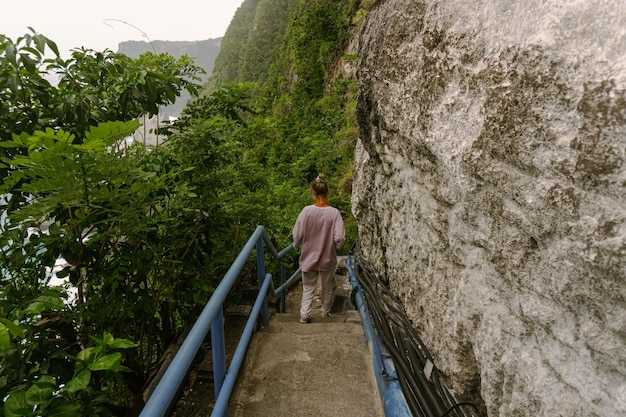
Hire a licensed local guide and begin the Gros Piton hike before 8:00 a.m. to maximize safety, shade, and views.
Access centers on Soufrière, where official guides meet at the trailhead and provide the rope-assisted sections, weather checks, and pace control. Book online with a certified operator to reserve a morning slot and avoid delays after rain. The route is typical for hikers with steady cardio, and the guide’s presence makes the climb safer and more informative.
Plan for roughly 4 mile (about 6.5 kilometer) round trip. Expect 2 to 4 hours total depending on pace and conditions. Bring two liters of water, electrolyte drink, sun protection, a hat, and a light rain jacket. Wear sturdy shoes with good grip; the path includes rocky stairs and exposed stretches where you’ll appreciate stability and breathing room for your muscles.
Practical steps: confirm your guide online 24–48 hours ahead, meet at the agreed point near Soufrière, and review the trail segments together. Pack what you need in a small daypack and rely on your guide for pacing and safety on steeper ladders or rocky ledges. After reaching the summit, take a short break to enjoy the west-facing views, then descend at a comfortable pace and return to town by afternoon. If you want to tackle Petit Piton as well, coordinate a longer day with the same operator, provided you have enough energy and time.
Best Weather Windows: When to Go for Clear Views and Safe Trails

Plan your visit December through April to maximize clear views of the Pitons and keep trails dry and safe. Gros Piton rises about 770 meters and Petit Piton about 743 meters, creating dramatic silhouettes that are best appreciated from sunrise viewpoints. On halcyon mornings you’ll find sharp sightlines for photo opportunities, and many trips enjoy the same favorable lighting with minimal haze. lucias photo spots await along switchbacks and lookouts, where the symbol of Saint Lucia appears against lush green slopes. Bring a light jacket for cool dawn air, a trekking stick for rocky sections, and a plan for transfers between trailheads with a local driver to save time and boost safety. planning your day around these windows makes the whole trip smoother and more enjoyable.
There are three standout weather windows to target. December–February delivers the clearest skies and driest footing, ideal for steep climbs and long viewing sessions. March–April keeps the air dry but humidity climbs, offering comfortable mornings with rich greens and bright backgrounds for photography. May–November brings higher rain chances and more clouds; rainforest paths stay valid, yet expect slick roots and variable visibility. When you’re combining site visits, think in terms of three distinct legs–start with the western lookout, move to a mid-slope vista, and end at a coastal view–so you can make the most of every viewing angle and minimize backtracking.
Practical tips for planning and safety. Plan in advance, and reserve a driver who can handle transfers between Soufrière, the Pitons, and your lodging. This saves you time, keeps you within daylight hours, and reduces fatigue after long hikes. In the dry window you’ll keep the ground firm, but still check that the environment remains welcoming–look for stable footing, watch for loose roots, and listen for approaching showers. Each activity, from a short forest loop to a longer summit approach, benefits from starting early to catch light at its best and to return before heat and humidity rise. note that a light rain shower can pass quickly in the morning and actually improve visibility for a moment, so keep your plans flexible and use the same transfer plan to return to your site.
| Okno | Weather & Viewing | Trail Safety | Tips |
|---|---|---|---|
| Dec–Feb | Clear, dry days; low haze; brisk mornings | Best footing; low slick risk | Start at sunrise; bring water; driver for transfers |
| Mar–Apr | Dry with rising humidity; stable visibility | Moderate crowds; well-marked routes | Photo stops at three lookouts; plan rest breaks |
| May–Nov | More rain and clouds; pockets of good light | Higher slick risk; waterfalls ideal | Coordinate with driver; plan shorter, lush loops |
Getting There: Transit Options, Parking Tips, and Local Gateways
Fly into Hewanorra International Airport (UVF) and pre-book a private transfer to Soufrière; this minimizes parking stress and gets you to the Pitons ready for your adventures.
Three gateways into Saint Lucia remain your main entry points: UVF in the south, George F. L. Charles Airport (SLU) in Castries for quick hops, and the Castries cruise port for day arrivals by ship. From these starts, the best option to reach the Pitons is a private shuttle or a rental car, which provides door-to-door service and avoids long waits for taxis. Youll notice the journey becomes smoother when you reserve a transfer in advance, and you can choose a vehicle with a little extra space for backpacks and camera gear.
On the ground, you have several transit choices. Licensed taxis and private shuttles deliver dependable service; renting a car gives accessible mobility, with the road along the coast winding through valleys and offering higher vantage points. If you want speed, seaplane transfers provide a dramatic view of water and peaks–a reward many visitors remember long after they return. For safety and comfort, stay focused on footing and weather, and consider a guided option, which can be the best way to move forward with a shorter learning curve. However, weather can shift quickly, so keep a flexible plan. Youll coordinate pickups and visits with your group so you can savor each moment together, while exploring worlds apart coastal and hillside perspectives.
Parking tips: choose lodgings with secure lots or use small municipal spaces near Soufrière; arrive early–before 9:00 a.m.–to snag a space in the little town lot by the market. Keep valuables out of sight and avoid blocking driveways. When you plan to hike, bring water, sunglasses, a hat, and sturdy footwear; the Gros Piton base and the Petit Piton trailheads sit on different sides of Soufrière, and a licensed guide is required to ensure safety and share local context. For mountaineering-minded visitors, guides provide context on geology and plant life and typically charge a modest on-site fee. After the ascent, capture the views from several angles and return to town before crowds build, so you can reset and plan your next move with confidence.
Trail Options: Gros Piton vs Petit Piton and Suitability for Your Fitness
I recommend Gros Piton as the better pick for most hikers. It delivers a balanced workout, rewarding views, and a steady ascent with gentle sections that keep your pace comfortable as youre getting higher above the forest canopy.
Gros Piton trail tends to be longer and offers a steady climb, with stones and stone steps along switchbacks that feel manageable for people with moderate fitness. On average, most climbs take about 2-4 hours round trip.
Petit Piton presents a shorter but steeper challenge, with more exposed rock and occasional ladder-like holds near the summit. This route is a strong option for experienced hikers who want a quicker ascent, but it’s not ideal for beginners without a guide. If you travel with a friend or join others, you’ll appreciate the safety and camaraderie.
Reason to choose one over the other comes down to your goals and next plans. If you want a steady day with ample photo stops, Gros Piton fits best. If you crave a fierce, fast climb, Petit Piton may suit you better.
Tips for getting it right: before you book, hire a professional guide; check hours and arrange hotel pickup to avoid late starts. The cost for a group tour varies by size, and booking a shared option can cut cost.
Gear and safety: wear sturdy shoes, bring water, sunscreen, and a light snack. The trails vary, with stones changing and the rock surface offering different grip; a gentle pace helps you stay fresh. Also, bring a camera for a photo at the summit. In exposed sections, the rock’s diameter narrows in places, so careful footing matters.
Local context: The Pitons anchor Saint Lucia’s image in the Windward Islands. After the climb, you can pickup a local meal and share tips with others. Some lodges use jalousie shutters, a detail you’ll notice on rooms and lookouts after your climb. The two peaks draw people from across the islands for a classic photo opportunity.
Finally, plan ahead: if youre strong, you might pick Petit Piton for a shorter, tougher workout; otherwise, Gros Piton remains the safer option for most. Booking a guided climb will help ensure safety and maximize rewards.
Day Trip Gear Checklist: What to Pack, Wear, and Bring
Pack a 20–25L daypack with a rain cover and take two to three liters of water, plus electrolyte sachets; small sugar packets can boost energy during a longer ascent. This setup requires smart packing to stay light yet prepared for changing conditions.
- Hydration and nutrition
- Water: 2–3 liters total, in a bottle or hydration bladder; carry a lightweight backup bottle.
- Electrolyte powder or tablets; quick-energy snacks such as energy bars, nuts, and several dried fruits.
- Cukrové sáčky pro rychlejší energii, když ucítíte, jak se blíží nejteplejší hodiny.
- Oblečení a obuv
- Základní vrstvy: odvlhčovací trička a prodyšné dlouhé rukávy; vyhýbejte se bavlně, abyste zůstali v teple, když se zapotíte.
- Spodní díl: rychleschnoucí turistické kalhoty nebo kraťasy; náhradní ponožky; zvažte lehké náhradní oblečení na cestu zpět.
- Obuv: uzavřené turistické boty s dobrou přilnavostí; pro lezecké pasáže si vyberte boty s extra přilnavostí; noste lehké rukavice, pokud očekáváte kamenité úseky.
- Vnější vrstva: kvalitní, sbalitelná pláštěnka nebo větrovka pro idylická rána, která se změní v deštivé.
- Ochrana před sluncem a pokožkou
- Ochranný krém SPF 30–50; balzám na rty s SPF; sluneční brýle; široký klobouk nebo čepice.
- Bezpečnost a první pomoc
- Malá lékárnička; prostředky na puchýře; dezinfekční ubrousky; repelent proti hmyzu; kompaktní píšťalka.
- Navigace a komunikace
- Mapa nebo offline průvodce oblastí Pitonů; plně nabitý telefon s power bankou; vodotěsný obal na elektroniku.
- Gear and carry comfort
- Čelovka nebo malá svítilna, pokud byste se mohli vrátit po západu slunce; trekingové hole pro stabilitu na strmých nebo nerovných úsecích.
- Bandana, malý ručník a kompaktní multifunkční nástroj nebo nůž, pokud to dovolují místní pravidla.
- Poznámky k městu a plánování
- Sejít se v nejbližším městě nebo v místě vyzvednutí průvodce; mějte s sebou drobné na zastávku v kavárně; naplánujte si návrat před setměním.
- Zeptejte se místních obyvatel nebo průvodců na aktuální podmínky; zvolte značenou trasu, pokud jste pro tuto outdoorovou aktivitu nováček.
- Ve městě si často dáte svačinu nebo kávu, zatímco vzrušení graduje před lezeckým výstupem.
Extra tipy: začněte dříve, abyste se vyhnuli nejžhavějším hodinám, a vezměte si s sebou náhradní tričko, kdyby vás zima; blažená rána dodávají plánu kouzlo a dobrá příprava udržuje celý den hladký. Pokud se objeví bolavé nohy, dělejte si pravidelné přestávky a vyhodnocujte vybavení; kvalitní vybavení může přinést klidnější tempo a více času na užívání si výhledů. Vyberte vrstvy, které jsou navrženy tak, aby odolávaly vlhkosti.
Bezpečnost, respekt a předpisy: Zůstávání na stezkách, zohlednění přílivu a kontakt v případě nouze
Dodržujte značené stezky vždy, abyste chránili křehkou vegetaci a zachovali rozsáhlé pohledy do popředí, které dělají z Pitons nezapomenutelné místo. Respektujte stanoviska rangerů a místních komunit; tím chráníte flóru v citlivých habitatech. Noste vodu, ochranu před sluncem a malou lékárničku; buďte opatrní na nerovném terénu. Pohybujte se stabilním tempem a pokud potřebujete pauzu, odejděte do stran na rovnou plochu spíše než na strmých úsecích. Návštěvníci ubytovaní v oblasti Regency by měli řídit se pokyny hotelu a držet se oficiálních stezek, aby se snížila tlačenice a zajistila bezpečnost všech.
Předtím, než se vydáte podél pobřežních úseků, zkontrolujte odlivové tabulky a předpovědi větru pro několik hodin kolem vaší polohy. Příliv určuje možnosti návratu; nikdy neprocházejte odhalené skály nebo pláže, když stoupá voda. Pokud trasa vede po pláži, přesuňte se na vyšší terén před západem slunce, abyste se vyhnuli skrytým vlnám. Sledujte surf a vyhýbejte se kluzkým skalám nebo mokrým balvanům; pokud se vlny začnou přibližovat, ustupte do bezpečnějšího terénu klidně. Za měnících se podmínek vždy mějte záložní plán pro případ, že budete muset změnit trasu přes vyšší cestu.
Dodržujte předpisy v parku a dodržujte zdvořilostní cestovní etiku: drony, ohně a zesilující zařízení jsou omezeny na většině stezek Pitons. Odneste s sebou veškerý odpad a vyhýbejte se znečišťování v popředí a podél cestních koridorů; používejte určená plážová nebo pikniková místa. Bouldering je povolen pouze na schválených trasách s průvodcem; zůstaňte v označených zónách a vyhýbejte se strmějším skalám, které překračují bezpečnostní hranice. Pokud je to možné, použijte parkování autem nebo služby odvozu na začátku stezky, abyste minimalizovali přeplněnost a snížili riziko pro ostatní. Příjemný, promyšlený přístup udržuje méně nebezpečí a podporuje wellness pro každého, kdo sdílí stezku.
V případě nouze zavolejte na místní nouzovou linku umístěnou na začátcích tras nebo kontaktujte concierge vašeho hotelu pro okamžitou pomoc. Zaznamenejte si telefonní číslo oblasti správy Pitons a sdělení vaší přesné polohy (GPS, pokud je k dispozici) urychlí reakci; uveďte počet zúčastněných osob a jakékoli zranění. Ve vážných případech mohou záchranáři koordinovat evakuaci vrtulníkem nebo vyzvednutí autem do nejbližší nemocnice. Vždy mějte u sebe nabitý telefon s místní SIM kartou a informujte cestovního společníka nebo recepci o svých plánech vrátit se do určitého času. Několik rychlých kontrol vašeho stavu během dne pomáhá zajistit bezpečný návrat a příběhy o klidných, dobře koordinovaných reakcích povzbuzují cestovatele k plánování dopředu uprostřed nádherného okolí a rozsáhlých možností průzkumu. Pokud se spoléháte na přepravní službu, potvrďte si v předstihu místa vyzvednutí, abyste se vyhnuli zpožděním na pláži nebo na začátku trasy.