


 Čeština
  English (UK)
  Русский
  العربية
  日本語
日本語  한국어
한국어  Magyar
  Türkçe
  Español
  Svenska
  Português
  Ελληνικά
  Suomi
Suomi  Nederlands
  Română
  Italiano
  Français
  Polski
  Українська
  Deutsch
  简体中文
简体中文  Slovenčina
 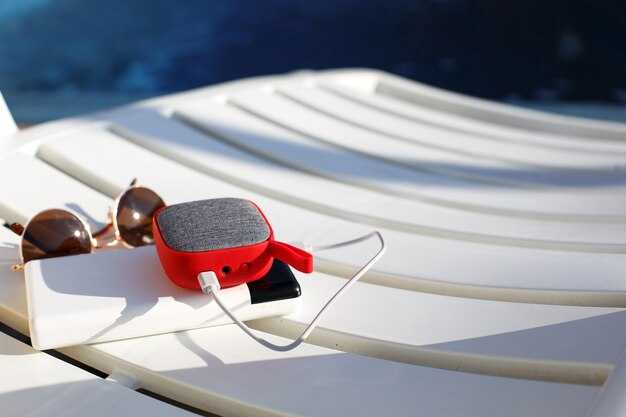 The Essential Equipment On Board a Boat – Must-Have Gear for Safe Sailing">

Začněte zimním kontrolním seznamem a ověřte si svou výbavu před každou plavbou, abyste zvýšili úroveň své připravenosti na pobřežních pasážích. Praktický přístup zkracuje reakční doby a chrání vaši posádku. Kvalita vašeho vybavení, od chladicího boxu po VHF, přímo ovlivňuje efektivitu vašeho plánu, když se podmínky zhorší. Toto myšlení platí pro všechny lodě, od malých dinghy až po větší jachty.
Převodovka promění menší problém v kontrolovatelnou situaci. Vybavte záchrannou vestou každou osobu, umístěte píšťalku na snadno dostupné místo a mějte na palubě propojené VKV rádio spolu s EPIRB. A compact Svítilna a přenosný hasicí přístroj rozšiřují vaši bezpečnostní sadu. Kromě toho mějte zásobenou chladničku s vodou a trvanlivými svačinami pro delší pobřežní cesty. Zajistěte, aby byly toalety přístupné a udržované, abyste se vyhnuli zpožděním, když trávíte hodiny na moři.
Navigace začíná spolehlivým kompasem, aktuálními mapami a jednoduchým, praktickým kontrolním seznamem úkolů před vyplutím z přístavu. Ruční GPS může doplnit vaši trasu, ale nikdy se nespoléhejte pouze na elektroniku – papírové mapy mějte vždy jako zálohu. Pro pobřežní plavbu sledujte tabulky přílivů a odlivů a varování před počasím a mějte nabíječku, aby vaše zařízení zůstala připojená.
Dodržujte doporučené seznamy vybavení z důvěryhodných zdrojů a služeb a plánujte pravidelné kontroly záchranného člunu, kotevního zařízení a hadic. Lékárnička první pomoci pro plavidla, náhradní vodní čerpadlo a náhradní pojistky zajistí hladký chod vašeho provozu. Robustní kotva, náhradní lana, fendry a výtlačné čerpadlo doplňují sadu, umístěnou pro rychlý přístup.
Díky promyšlené přípravě zůstanou vaše lodě připravené na náročné podmínky. Pevné zimní nastavení mysli, organizované skladování a čisté toalety přispívají k plynulejší plavbě. A EPIRB na palubě, spolehlivý kompas, a chladná hlava a připravený chladič se promítají do lepšího rozhodování a rychlejší pomoci, pokud nastanou potíže. Pravidelná cvičení, jasné role a průběžná údržba jsou návyky, které udržují bezpečnost v popředí, pro každou plavbu podél pobřeží.
Průvodce vybavením lodí pro bezpečnou plavbu a šnorchlování
Před odjezdem zajistěte pro každého správně padnoucí záchrannou vestu a ruční VHF rádio; mějte házecí kruh na dosah. Přibalte kompaktní lékárničku, signalizační zařízení a suchý vak, a to vše umístěte sem pro rychlý přístup.
Pro šnorchlování si sbalte masku, šnorchl, ploutve a neopren nebo rash guard. Uložte si vybavení do vodotěsného suchého vaku a pravidelně kontrolujte těsnění, abyste zabránili úniku vody; v případě potřeby během používání opláchněte a vytiskněte si jednoduchý štítek s pokyny pro péči, které naleznete zde.
Vytiskněte si laminovaný kontrolní seznam a mějte ho poblíž kormidla. K plánování cest používejte zařízení jako GPS, mapový plotr, kompas a navigační aplikace; před opuštěním úkrytu ověřte nastavení a poté proveďte rychlou bezpečnostní kontrolu s posádkou.
Pokud rybaříte, nezapomeňte na pruty, náčiní a podběrák; uložte je do skříňky na náčiní, abyste udrželi rovnováhu. Když spatříte ryby, krátce posádce připomeňte bezpečnost a dejte pozor, abyste nezachytili vlasce.
Nainstalujte si sprchu na palubu pro oplachování soli z rukou a vybavení a podél kokpitu umístěte protiskluzové rohože. Používejte nastavitelné madla a udržujte stabilní postoj pro zlepšení stability chůze za rozbouřeného moře; mějte připravené náhradní lano pro vlečení nebo kotvení s odpovídající odolností proti opotřebení.
Napájení a autonomie jsou závislé na sadě lodních baterií a solárním panelu, které zajišťují nezávislost pro světla, VHF a nabíjení zařízení. Pravidelně sledujte úroveň nabití, otáčejte držáky zařízení, abyste snížili namáhání, a uchovávejte baterie a kabely ve vodotěsné skříňce.
Veškerý hardware, který přijde do kontaktu se solí, by měl být po expozici očištěn, vysušen a ošetřen, aby se zabránilo korozi; opláchněte a důkladně osušte vybavení, abyste prodloužili jeho životnost. Obohaťte svou sadu o kompaktní sadu nářadí pro případ nouze, baterku a multifunkční nástroj, abyste zajistili pohodu na palubě i na kotvě.
Kontakty na prodejce by měly být vytištěny na náhradním listu; zjistěte dodací lhůty dílů a vyžádejte si náhradní díly dříve, než dojdou. Volejte prodejci, když potřebujete náhradní díly nebo radu ohledně konkrétních zařízení.
Vaše každodenní rutina na palubě by měla být příjemná a bezpečná. Mějte vodu a občerstvení na dosah a plánujte si pravidelné sprchy pro udržení pohody. Zajistěte, aby byly chodníky volné a dobře osvětlené, a ukládejte vybavení do označených přihrádek, aby každý věděl, kde co rychle najít.
Bezpečnostní vybavení lodě: Nezbytná výbava pro bezpečnou plavbu a šnorchlování
Každou cestu začněte se správně padnoucí vestou a kompaktní signalizační sadou. Tato výbava poskytne okamžitou ochranu a viditelnost, zatímco posoudíte podmínky.
Udržujte dobře uspořádanou palubní soupravu na určeném místě, s položkami uloženými ve vodotěsných pytlích nebo nádobách. Nejpoužívanější výstroj umístěte na dosah ruky u kormidla a zálohy uložte níže do označených boxů, abyste zabránili nepořádku při pohybu.
-
Personal safety gear
- vesty: PFD schválené pobřežní stráží USA ve velikostech, které padnou každé osobě; preferujte jeden z pěnových nebo nafukovacích typů a před vyplutím vyzkoušejte, zda sedí
- ochrana hlavy: lehká čepice nebo klobouk a opalovací krém na ochranu před slunečním zářením během aktivit
- bezpečnostní lanko vypínače: připevněte k záchranné vestě nebo oděvu, aby se zastavil motor, pokud spadnete přes palubu
-
Signalizace a viditelnost
- světlice: uchovávejte kombinaci ručních a padákových světlic s měsíční kontrolou data spotřeby; skladujte v suché, snadno přístupné nádobě
- píšťalka a zrcátko: kompaktní signalizační nástroje pro krátké vzdálenosti
- VHF vysílačka a mobilní zařízení: mějte nabitý mobilní telefon ve vodotěsném pouzdře a pevnou VHF jednotku pro pokrytí pobřeží
- vzduchová houkačka nebo píšťalka: doplňkové zvukové signály při přiblížení k jiným plavidlům
-
Požární bezpečnost a mechanická ochrana
- hasiče: alespoň jeden v každém motorovém prostoru; kontrolujte tlakoměry a zajistěte dostupnost
- náhradní díly a svíčky: zahrňte alespoň jednu náhradní zapalovací svíčku a nezbytné pojistky; skladujte v označené nádobě
- uzavírací ventil paliva a hladiny oleje: zkontrolujte před vyjetím a při výrazných změnách počasí
-
Navigační, záchranné a vyprošťovací vybavení
- záchranný vak s plovoucím lanem: mějte připravený pro záchranu člověka přes palubu; umístěte blízko kokpitu
- plovoucí bójka (SMB) a píšťalka: pro bezpečnost při šnorchlování a viditelnost polohy lodi
- mapa, kompas a náhradní baterie: uchovávejte v suché krabici; označte si plánovanou trasu a známá nebezpečí
- ruční svítilny: vodotěsné a s čerstvými bateriemi pro noční operace
-
Vybavení specifické pro šnorchlování a bezpečnost s partnerem
- maska, šnorchl a ploutve: zvolte si dobře těsnící masku a pohodlné ploutve; před vstupem do vody si je vyzkoušejte
- šnorchlovací vesta nebo přídavné plavecké pomůcky: používejte, pokud se nacházíte v blízkosti proudu nebo na nových místech pro šnorchlování
- připomenutí partnerského systému: dohodněte se na signálech a při šnorchlování se držte na dohled
- ochrana bezpečná pro korálové útesy: naneste opalovací krém na exponovanou pokožku a znovu použijte vyrážku, abyste snížili podráždění
-
Skladování, organizace a nakládání s odpady
- suché vaky a vodotěsné boxy: oddělte vybavení podle typu aktivity a uložte je na vyhrazené místo
- nakládání s odpady: toalety a toaletní potřeby skladujte ve vyhrazené sadě; dodržujte místní pravidla pro likvidaci
- zabezpečte předměty během plavby: používejte popruhy nebo sítě, abyste zabránili posunu a poškození
Regular checks will reduce breakdowns and keep gear ready. Remember to inspect the lifebuoys, inflatables, and signaling devices before each voyage, and replace anything that shows wear or is past expiry. For trusted guidance, consult the источник of marine-safety best practices and update your kit accordingly. Going out with a well-structured setup will let you focus on enjoying the water, whether you sail or snorkel, with better protection and fewer interruptions.
PFDs: Selection, Proper Fit, and Quick-Release Use
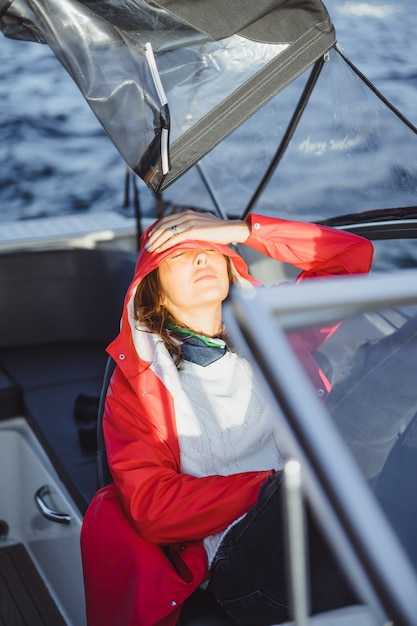
Choose a USCG-approved Type III PFD with at least 70 N buoyancy for adults and ensure a snug, adjustable fit, which provides sufficient buoyancy. For offshore trips or rough water, add a Type I PFD with higher buoyancy on the boat. Welcome aboard–this guide helps you pick gear that makes boating safer in accidental situations and supports your defense against immersion.
Fit matters more than the label. Try the vest over the clothes you’ll wear on deck, fasten all buckles, and cinch the straps until you cannot slide more than two fingers under the chest. Have a helper check by gently lifting your shoulders; if the chin rises toward the water or the vest rides up, switch to a different size or cut to maintain close alignment with the torso. This step does maximize precision and ensure a secure fit for most users.
Quick-release use should be intuitive and fast. Look for models with easy-squeeze side-release buckles and a straightforward buckle strap you can operate with one hand, even when wearing gloves. Practice on land and in shallow water to build precision; also test release under various conditions so you can act quickly if needed. The quick-release design allows rapid freeing, and then keep containers with signaling devices within reach in each activity zone for secure, rapid access during activities.
Maintenance and lifespan are part of defense against deterioration. Rinse PFDs with fresh water after salt or brackish trips, air dry away from direct sun, and inspect for tears, frayed straps, faded reflective trim, or stretched seams. Replace worn units or those that fail any test; most PFDs will show signs of wear after a few seasons, so schedule replacements after 3–5 years or sooner if damage appears.
To support safety on board, store PFDs in containers or clip them to cockpit coaming or seating for quick call to action. Ensure each wearer’s PFD is in a secure position and easy to grab during a sudden movement. Also, keep sponges and other cleaning containers away from pockets or straps and maintain a safe safety systems on the boat. After trips, return each vest to its designated spot and routinely test seals, fasteners, and life-saving features–this routine helps prevent accidental delays and keeps boating trips on track.
Mask, Snorkel, and Fins: Fit, Fog Prevention, and Cleaning Routine
Test the mask at your station before any voyage: a secure seal, comfortable strap, and clear lenses ensure better visibility and safer handling on vessels.
- Fit and types: Choose a low-volume mask with a soft silicone strap and tempered lenses. Types include single-lens, dual-lens, and full-face options. For childrens, use a smaller frame with a gentle nose pocket and softer silicone. Before pairing with a snorkel, verify that the mask stays sealed when you inhale through the nose and that the strap sits evenly without pinching.
- Strap adjustments: Start with the strap resting mid-back of the head; if leaks occur, loosen slightly and reposition. Avoid over-tightening, which can cause discomfort and press on the cheeks. If you wear long hair, pull it back and use a headband to reduce hair interference at the edges.
- Fog prevention basics: Dedicate several minutes to apply a defog option or rinse with fresh water before entering the water. In practice, a light defog gel or spray improves visibility across all areas of the lenses, including the periphery. Avoid abrasive cleaners on lenses and store the gear dry to maintain coating effectiveness.
- Snorkel options: Dry-top or semi-dry snorkels reduce water intrusion in choppy conditions. Ensure the mouthpiece fits comfortably; if you wear a full-face mask, assess the compatibility with any additional breathing gear and follow the manufacturer’s guidance.
- Fins selection: Pick fins that match your leg length and swimming style. Shorter fins are easier for beginners; longer fins give better propulsion but require careful deck handling near mooring lines. Check the fin straps for a snug but not tight fit to prevent blistering during long sessions.
- Ticket and setup notes: When renting gear, keep your ticket or rental record handy and confirm return conditions. If you’re sharing equipment, perform a quick seal test and strap check after any transfer to new vessels or areas around the station.
Fog prevention routines and care steps you can follow daily include rinsing after every use, being meticulous about inside-out cleaning, and drying thoroughly in shade. This approach helps preserve protective coatings of lenses and keeps straps pliable–enriched by careful rinsing routines and thoughtful storage near mooring areas.
- Cleaning protocol: Rinse mask, snorkel, and fins with fresh water immediately after use, then lightly scrub with a mild soap and soft brush. Rinse again and air-dry completely before packing in a protective case. Do not expose to direct sun for extended periods to avoid material degradation.
- Care and storage: Store in a breathable protective shell away from salt spray and heat. Keep the equipment organized at your station and avoid piling other gear on top of delicate lenses or fin blades.
- Maintenance cadence: Do a full inspection weekly–check straps for cracks, lens seals for micro-tears, and the snorkel mouthpiece for wear. Replace worn parts promptly to prevent surprises during a voyage.
- Safety note: If you notice persistent fog, consider trying a new defogging option or re-applying after rinsing. If leaks persist despite adjustments, contact a dive shop or instructor for a proper fit assessment and suggested alternatives, especially when planning trips with multiple vessels in busy areas.
Remember: being prepared with well-fitting gear at the mooring, thoughtful handling near deck edges, and a simple care routine keeps your mask, snorkel, and fins ready for long-term use–protecting your vision, comfort, and safety in all weather conditions.
Scuba Gear on Deck: Regulator, BCD, Tanks, and On-Boat Handling
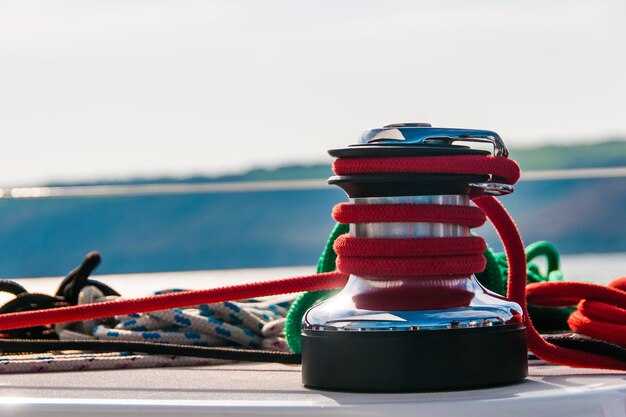
Begin with a firm rule: secure regulator, BCD, and tanks in a dedicated on-deck rack, using weather-resistant straps to stop movement in rough seas and deliver excellent grip. Upright tanks rest in a cradle with an unbreakable latch, plus protective caps, and hoses routed along the rack to reduce abrasion. The design accounts for the element of rough weather on boats of different sizes.
Here is a practical handling approach you can rely on: keep gear in separate containers or bags, color-code them, and create a simple list of assignments for crew. Such organization helps prevent mix-ups on deck.
Regular checks: inspect the first stage and hoses for cracks, inspect O-rings, and replace worn parts. Carry a small land-based tool kit, including screwdrivers, to handle minor field tweaks. Do not over-tighten fittings.
Storage and transport: after use, rinse in fresh water if possible; dry on a rack; store in dry containers away from heat; keep them accessible but secure. The setup allows quick access while ensuring safety and quality.
Weather and crew: before setting sail, verify that all gear is secured and clearly labeled; for childrens on board, assign a dedicated space and keep lines short for easy handling. Keep small items down in lockers to avoid clutter.
Checklist: Regulator, first stage, hoses; BCD inflator; tanks; manifold; mask; fins; spare O-rings; spare hoses; tape; containers; moisture-absorber.
Onboard Storage: Dry Bags, Racks, and Securing Gear in Rough Seas
Secure essential gear in a dedicated dry bag system mounted on adjustable racks, and lash bags with low-stretch maritime webbing to a fixed anchor point; this makes gear stable in rough seas and reduces shifting in the boat.
Choose 5–15 L dry bags for walking gear and personal items, and group them by location (cabins, cockpit, bow) so you can access quickly.
Use purpose-built racks that maximize efficiency and minimize movement; adjustable shelves help fit parts and tools, and they simplify rinsing and cleaning after trips easily.
Label and categorize gear with clear marks; this facilitates rapid retrieval for emergency and reduces times spent searching.
Use maritime-grade fixtures like french cleats or zip strips; they provide precision in load distribution and keep gear from shifting in both choppiness and smooth seas.
Keep anchor lines, spare parts, and maintenance items in a separate, clearly labeled addition; this supports regulatory compliance and quality expectations across vessels.
Regularly audit your setup for emergencies and rough weather; check that bags remain watertight, compartments drain, and racks hold heavy loads.
Consider bilingual or french tags for crew across boats and vessels; this helps in locations with multilingual crews.
Always measure weight per location and figure whether the plan you implement makes sense for your boat under maritime regulations; this adds reliability and safety to everyday use.
Owners often tune layouts after seasons to match experience, and this approach reduces the risk of gear shifting during storms and heavy times at sea.
In addition, modular bags that attach to the existing racks make it easy to reconfigure storage; addition to core racks helps adapt to trips and products on board.
That results in a simple, fast reset after a shift; thats a practical outcome on any vessel.
Signaling and Surface Support: Whistles, Surface Markers, and VHF Coordination
Keep a waterproof whistle on a strap around your neck and a bright surface marker within easy reach on-board; that quick signal can resolve issues before they escalate and keeps everyone aligned on the same plan.
Use the whistle for immediate alerts in wind, rain, or engine noise. Attach the strap to a collar or life jacket so you can signal without searching your pockets. Test the whistle before trips and replace the mouthpiece if it shows wear; practice short blasts to establish a recognizable pattern for others on the water.
Choose a Surface Marker Buoy (SMB) or buoyant marker that stays visible from a distance, even in glare. Clip or tether the marker to a short line so you can deploy it quickly when you pause near moorings or during an unexpected stop. Store it in a waterproof bag at the helm or cockpit locker and keep extra line there for fast retrieval when wind picks up or conditions change.
Coordinate with the VHF to manage communications. Hail on channel 16, then switch to a working channel such as 68 or 72 to talk with crew, harbor staff, or nearby boats. State your signal and boat name clearly, then confirm acknowledgement. Keep the radio powered with fresh batteries and a robust, waterproof case at the helm; if you use a router for data on the same system, keep it isolated from the VHF microphone to avoid interference.
Build a simple checklist and run through it after each trip to reinforce good habits. Include checks for:
– signal gear: whistle, strap, collar, surface marker, spare parts
– on-board systems: VHF battery, channel memory, call sign, range
– moorings and marks: location, visibility, weather, wind direction
– tools: wrenches, plug, and basic maintenance items for quick fixes
– safety practices: accidental signals, drills, and who handles others on-board
This routine helps you respond to real events, stay aware of power needs, and reduce panic during unexpected trips or water conditions.
| Položka | Purpose | How to use | Údržba |
| Whistle and strap | Audible signaling | Keep on collar or life jacket; blast in clear, short bursts | Dry after use; replace worn mouthpiece |
| Surface Marker Buoy (SMB) | Visual position signal | Deploy quickly when stopping near moorings or in rough water | Inspect line and buoy; replace if faded or torn |
| VHF radio | Boat-to-boat and shore communication | Hail on 16; switch to working channel (68/72); confirm word-for-word | Check batteries; verify memory and call sign; store in waterproof case |
| Backup signals (signals, lights) | Night visibility and redundancy | Use waterproof signal light or mirror at night or low visibility | Recharge or replace batteries; keep dry |
| Wrench and plug tools | Quick on-site adjustments | Use for antenna mounts, fittings, or securing gear | Keep in a small kit; corrosion protection |