


 Čeština
  English (UK)
  Русский
  العربية
  日本語
日本語  한국어
한국어  Magyar
  Türkçe
  Español
  Svenska
  Português
  Ελληνικά
  Suomi
Suomi  Nederlands
  Română
  Italiano
  Français
  Polski
  Українська
  Deutsch
  简体中文
简体中文  Slovenčina
  The Dos and Don’ts of Sailing Etiquette – A Comprehensive Guide">

Always announce your arrival on the dock and introduce yourself to someone nearby to prevent misunderstandings. A quick hello with your boat name sets a tone of courtesy and helps keep the harbor organized. It becomes natural once you practice it daily, and others will anticipate your moves, making the first minutes smoother.
Respect zones in marinas and on the water: sail within your designated area, yield to boats with limited maneuverability, and avoid crossing paths in busy channels. Know your responsibilities as a člun: communicate clearly, keep decks organized, and secure rigging so lines won’t snag or drift. Joining clubs or enrolling in courses expands deeper knowledge and helps you learn proper etiquette through real scenarios.
Before departure, inspect rigging and safety gear, and perform antifouling checks if your area requires it. Use proper mooring techniques, and keep awnings and sails secured to prevent chafing in gusts. In friendly fleets, instructors emphasize routines that build an organized flow from docking to departure.
During maneuvers, communicate with crystal clarity using standard signals or radio calls. Be mindful of newcomers on arrival: avoid lingering near crowded pens, give space to larger vessels, and offer simple guidance to help them feel welcome. Reading the sense of the water and the crew around you makes every move smoother.
Make etiquette a routine by practicing with courses, mentoring new sailors, and sharing tips about antifouling, rigging, and dock manners in your clubs. Being organized, thoughtful, and approachable turns a casual day on the water into a safer, more enjoyable experience for everyone.
Sailing Etiquette and UK Sailing Rules: A Practical Reference
Always yield early near docks and busy channels. Set the wheel with a smooth touch, reduce engine power, and keep to no-wake speeds in harbour approaches to give other vessels time to respond. If you see a close pass coming, dont hesitate to slow further and adjust course.
As a sailboat, stay visible and predictable. Trained crews communicate clearly in the cockpit, calling out ‘starboard’ or ‘port’ and avoiding maneuvers that happen suddenly.
Signal intent: use VHF channel 16 for important messages, and highlight plans to improve utilization of the channel. Clear hand signals and spoken calls help other vessels follow your intentions.
No-wake zones near docks and moorings require steady speed. Provide space for swimmers, paddleboarders, kayaks, and other small craft; this reduces risk and makes exchanges smoother. Many skippers appreciate this courtesy.
Dock etiquette includes offers of a helping hand when landing lines, plus thanking others after a successful tie. This simple courtesy builds a cooperative atmosphere on the quay and at the helm.
Some crews train trainees in safety drills; inviting guests to explore the basics builds confidence and better seamanship. In a busy harbour, keep interactions calm and avoid blocking passing sailboat or motor vessels.
UK rules emphasize respect for larger vessels and byelaws. For a sailboat, keep to a safe distance from powered craft and avoid blocking channels; your vessel should stay above the wake to maintain visibility. This will reduce near-misses and improve traffic flow.
Return to your home port with tidy lines and a prepared cockpit. Before mooring, cover fenders, secure halyards, and confirm the wheel response. Providing orderly practice and good habits will leave many crew feeling ready to go again.
The Dos and Don’ts of Sailing Etiquette: A Practical Guide and UK Sailing Rules
Always announce your approach to a pontoon and wait for a clear gap before tying up or passing moorings.
In shared environments, sailors carry shared responsibilities. Keep wash gentle, limit speed near other boats, and stow lines and fenders so they don’t snag propellers or create hazards for sailors on the water.
Expectations in local waters emphasize courtesy: give way to sailboats under sail, communicate clearly with short signals or VHF, and keep a safe distance from the traffic. If fear arises in crowds, stay in sheltered areas and seek advice from local sailors before venturing into busy anchorages. This is a critical habit for protecting the environment and keeping communities welcoming.
UK rules rely on COLREGs and marina guidelines. Maintain a persistent lookout, use proper lights at night, and signal your intentions clearly before overtaking or crossing paths. Environmental awareness shapes every action when you share anchorages and channels, and this approach helps sailors coordinate on busy waters. On the water, sailboat crews should communicate early to adjust courses smoothly.
Environmental care matters as much as seamanship. Use antifouling practices that comply with local guidelines; wash hulls only where allowed, collect wash water, and dispose of waste at approved facilities. Remember, environmental choices affect the shared environments you explore as a sailboat crew.
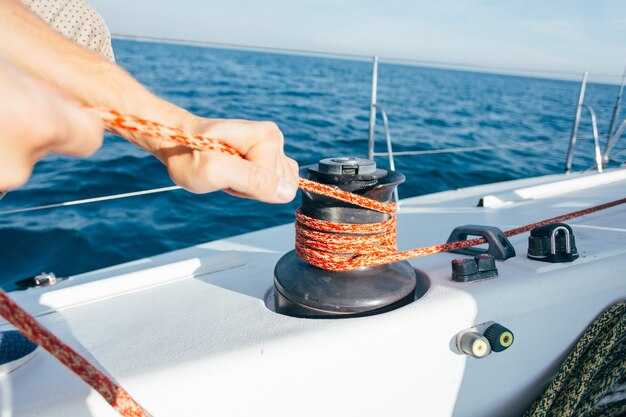
Dress for deck safety with non-slip clothes and appropriate life jackets; keep lines coiled and footwear secure; avoid loose clothing or jewelry that can snag winches or cleats.
When approaching anchorages, steer a controlled course and give space to the boats already at anchor; select a seabed suitable for anchoring and set the anchor with enough scope to hold position in tidal flows. Check local restrictions and maintain a respectful distance from shorelines and other craft.
You’re more confident on deck when you plan and communicate with the crew and nearby sailors, which makes everyday operations smoother and safer.
| Do | Don’t |
|---|---|
| Announce approach to a pontoon or mooring with a clear signal | Approach without signaling or crowding others |
| Keep wash low and give space to sailboats and other vessels | Rush through channels or violate right-of-way rules |
| Communicate intentions via VHF or appropriate sound signals well in advance | Ignore signals or mislead others about your plans |
| Follow local guidelines for anchorages and environmental care | Neglect environmental rules or leave waste in the water |
| Wear non-slip clothes and secure lines to prevent tangles | Move around deck in wet gear or loose clothing near winches |
Right-of-Way in Narrow Channels and Busy Marinas
Vessels should stay to the starboard side in narrow channels and yield to traffic approaching from the opposite direction. Reduce speed to a minimum, and both vessels should keep a predictable path to minimize confusion for others.
In busy marinas, adopt a simple process: identify stand-on versus give-way vessels, for example signal intentions with a short horn blast or radio call, and utilize predictable maneuvers to avoid surprises.
Night operations demand extra visibility: switch on deck and navigation lights, ensure green channel markers are visible, and plan a steady approach to reduce moves that might suddenly surprise nearby traffic.
Example scenario: a tug and a small runabout approach a tight channel near docks; the runabout yields, the tug maintains a clear path and both pass safely with a speed adjustment.
Leaving a busy marina requires awareness of pedestrians, restaurants on the quay, and dockside activity–if a wine bar is nearby, factor in higher foot traffic and plan the exit to create a safe margin between you and others.
Knowledge of regulations matters; check local rules and signage to align with guidelines used around the world; when conditions change, adjust course to stay clear.
Sometimes circumstances demand a wider arc; use natural spacing to avoid crowding other boats and pedestrians near docks.
Long practice pays off: build a routine you can apply when entering or leaving marinas; it works with charts, fixed markers, and respectful communication to minimize risk.
Passing, Overtaking, and Wake Management
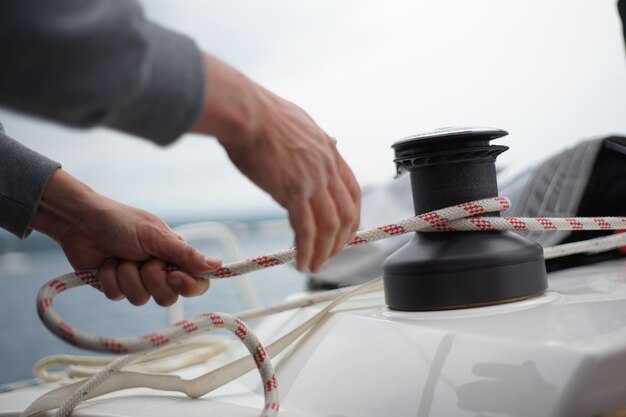
Plan a pass early, signal early and clearly, and stick to a calm, neutral line to keep the maneuver enjoyable for everyone involved. This reduces surprises and helps you enjoy the process and a pleasant day on the water.
-
Assess space and timing
There is often a need to find space in busy waters. Look for a long, clear stretch ahead; you’ll find a safe line. If you cannot see a safe line, wait and reassess. This approach is built on patience and consideration for others.
-
Communicate and coordinate
State your intention with a brief signal, then listen for the other helm’s response. Likewise, confirm that both skippers are aligned with the association’s guidelines or local practice.
-
Choose the passing side and keep a controlled line
Choose a side that minimizes wake; once you commit, stay on a steady line. Maintain a neutral heading and avoid abrupt steering to prevent confusion for the other crew.
-
Wake management and speed control
Keep the wake calm; a large wake can feel like a fire under the hull and disrupt other boats. Slow down a touch as you begin overtaking, then re-accelerate only after you are clearly clear of the bow of the vessel being passed, so the wake goes high only if necessary.
-
Special cases: fishing and crowded areas
When there are fishing boats, give them extra space; pass far enough to avoid lines or gear. Please keep a safe distance, and do not pressure closings; many fishermen rely on steady water and a pleasant passage.
-
After the pass
Return to your original course smoothly; check your stern for traffic and rejoin the line with patience. There is no need to rush; becoming mindful of others makes the passage enjoyable for all.
Clear Communication: VHF Use, Hand Signals, and Callouts
Always start with a quick VHF check: set to channel 16, confirm your radio is working, then announce your vessel name and position before requesting a channel for routine traffic. This creates lines of trust and keeps traffic moving safely.
VHF use and flow: maintain a constant listening watch on 16. If hailed, reply with your vessel name and position, then ask the other party for their preferred working channel and move there for details. Keep messages short and concrete, enunciate clearly, and end with “over” to invite a response. Confirm you understood by repeating key points, and log a follow-up if needed.
Hand signals on deck: in tight spaces, use simple, practiced gestures to complement radio calls. Stop/hold: raise an open palm toward the other vessel. Come alongside or acknowledge: wave a flat hand toward you. Slow down or adjust: make a small circular motion with an open hand. Move left or right: point in the direction you want to head. Whereas radio remains a reliable long-distance link, hand signals speed up actions in close quarters. Regular practice with the crew builds a shared sense of timing and reduces reliance on words in busy moments.
Callouts for maneuvers: before turning, state the action clearly–”Turning to port, 10 degrees,” or “Steering to starboard, heading 120 degrees.” Confirm distance and bearing with the helm, and announce when a line is secured or a crew member is on deck. Following vessels count on these precise callouts to keep the plan visible.
Environmental and operational etiquette: keep lines, fishing gear, and laundry out of traffic lanes; designate a safe area on deck for drying lines and laundry away from winches. Schedule cleaning and routine tasks during lighter traffic to preserve a peaceful environment and avoid interrupting critical operations. A clean, shared workspace lowers the chance of miscommunication and injuries.
Training and drills: teach new crew the steps for callouts, hand signals, and VHF checks, then practice in calm water and gradually increase complexity. Maintain a constant improvement loop by recording learned lessons and updating procedures. A reliable checklist helps secure each phase of a maneuver and builds trust among the crew.
Emergency procedures: if you detect a fire or face a mayday, switch to channel 16, state the vessel name and position, and provide your exact location and situation. Use clear callouts to instruct crew, and switch back to 16 when the situation allows. Keep the chain of communication secure, avoid broadcasting nonessential chatter, and coordinate with nearby boats to minimize disruption to others while preserving safety.
Dockside Etiquette: Mooring, Berthing, and Space Sharing
Prepare fenders, lines, and a clear plan before you reach the dock. This quick step will save time, prevent damage, and keep your crew safe as you tie up down to a calm berth.
-
Mooring approach and lines
- Start with a plan: assign a line handler on deck, approach slowly, and maintain a steady speed so you can stop within a boat-length of the piling.
- Place two bow lines, a stern line, and a spring line on each side to control fore‑aft movement; keep fenders positioned to protect hulls and nearby vessels.
- Ensure lines are clean and dry; chafe protection is installed where needed; check that cleats are strong and equipped for the load.
-
donts
- Dont over-tighten lines or wrap lines around cleats in a way that damages hardware.
- Avoid blocking passing boats or access to utilities; don’t run engines at full throttle near others; avoid sudden changes that create wakes.
- Never leave trash, oily rags, or fuel in the dock area; dispose properly in marina containers and never down the drain or in waterways.
-
Berthing and space sharing
- Notify nearby skippers of your berth intention; ask for a small buffer if your long vessel would otherwise crowd the slot.
- Leave space for those passing and those maneuvering; test waterline distance before tying to pilings.
- Keep decks clean and dry; store hoses, lines, and fenders neatly; yourself and your crew stay aware of others moving along the dock.
-
Marina responsibilities and community
- Check in with the marina office and follow posted rules; report issues promptly to keep marinas peaceful on busy days.
- Be equipped with waste bags, absorbents, and a broom so you can clean spills quickly; encourage fellow skippers to do the same.
- Respect quiet hours and contribute to a peaceful environment that supports the community during long trips and weekend visits.
-
Passing, wake management, and safety
- In narrow channels, yield to vessels that would be overtaking; signal your intentions early and slow down to minimize wake for those alongside.
- Maintain a compass‑like awareness of your position relative to pilings and vessels; avoid swinging into others’ berths.
-
Storm readiness and busy days
- When a storm is forecast, reinforce moorings, check chocks, and consider moving to a sheltered berth if possible.
- On busy days, plan arrival times to reduce congestion; coordinate with marina staff for slips or long‑term spaces; use a special checklist to ensure nothing is left running loose.
- For weekend trips, keep the deck clean and equipment stowed so you can depart quickly if weather changes.
Legal Basics for UK Sailboats: Required Equipment and Registrations
Register the vessel under the UK flag and keep the registration certificate onboard; confirm the registration is current and display the flag clearly when sailing. If youre unsure about the process, contact your local harbour office for quick guidance.
Equip the boat with the following essentials: a lifejacket for every person on board; a throwable buoyant device; a VHF radio with DSC; navigation lights for night sailing; a compass and basic chart kit; a fire extinguisher appropriate to the galley and engine compartment plus a fire blanket; a first aid kit; a bailer or manual bilge pump; an anchor with ample rope or chain; fenders and mooring lines; a whistle or horn for distance signaling; and distress signals or a flare kit as required by your area. Keep a kitchen area tidy and accessible to prevent trips and maintain a clean deck to reduce the risk of slips. This needs careful pre-departure checks. A single equipment failure can shatter plans; therefore check equipment before departure.
For safety checks and compliance, sailboats in the UK must pass the Boat Safety Scheme (BSS) examination where applicable and carry proof of compliance on board. Particularly for liveaboards, review marina rules, waste disposal arrangements and sanitation; pollution prevention protects the environment and helps preserve the harbor’s quality. Make sure you regularly inspect hull fittings, rigging, and anchor gear; they reduce risk of failure at sea and help preserve your vessel’s value. Be mindful to avoid disturbing neighbors or wildlife; quiet operation supports smooth sharing of waterways and reduces complaints about speeding, noise and pollution.
Tips for keeping expectations realistic: Even a fancy setup won’t compensate for skipped checks. Schedule annual equipment checks, keep spare parts, and store tools in a practical locker; choose correct gear for the season; invest in reliable charts and a robust compass; maintain a clean galley and kitchen, ready for meals on long passages. For liveaboards, factor extra storage and waste management into your setup; always verify you have the correct documentation and that your owner details are up to date. Follow the rules, and a wonderful sailing experience will stay smooth and enjoyable.