


 Čeština
  English (UK)
  Русский
  العربية
  日本語
日本語  한국어
한국어  Magyar
  Türkçe
  Español
  Svenska
  Português
  Ελληνικά
  Suomi
Suomi  Nederlands
  Română
  Italiano
  Français
  Polski
  Українська
  Deutsch
  简体中文
简体中文  Slovenčina
  The Best Way to Dock a PWC on Floating PWC Docks – Practical Tips">

Dock with a drive-on approach and a steady throttle as your first move. For floating PWC docks, this gives you immediate control and minimizes sway as you contact space near the platform. These sports rides require precision, and these notes help you find confidence right away.
Next, verify the fixed docking system and set fenders at the bow and stern to cushion any drift. Keep a little clearance from posts to avoid contact, then secure lines with a simple, reliable knot. Maintain a clean routine: maintenance tasks become easier when you stay organized. We recommend following these checks at every docking.
Approach from about a 30–45 degree angle, then smoothly engage the drive-on sequence and use a gentle throttle to lift the craft onto the platform. After the bow touches, shift to neutral and pull the stern line. These steps help you find a stable stance on the dock and reduce bouncing during the first moments of berthing. Maintain a 0.5–1 m clearance from the edge during contact.
When passengers board or depart, keep space around the craft and coordinate with a single crew to avoid unattended handling. Never leave personal watercraft unattended; always secure with a fixed cleat and bystander precautions. This practice protects people, gear, and the ride.
After docking, perform a quick maintenance check: inspect the throttle linkage, lanyard, and drive components; rinse spray, dry thoroughly, and inspect for wear. Write down little notes about alignment; these tips help you find issues early and plan more reliable maintenance cycles.
With a simple routine, you craft a safe, repeatable method that works for most floats and weather, giving you more confidence and space for personal rides. Start with these practices, and tailor them to your fixed dock and local system constraints–these steps are practical for all levels of experience.
Docking Steps and Setup for Floating PWC Docks
Secure the PWC with a bow line and a stern line before contact to prevent overshoot and keep the craft aligned with the platform.
heres a concise setup that improves location, stability, and ease of use for owners and their guests. Usually, docking options that reduce motion work best near the coast; confirm regulations for your area and prepare fenders, lines, and a quick-release setup. Ensure the engine is powered off and all loose items are stowed to take safety seriously.
Attach lines directly to dock cleats rather than rails, and use a reliable knot that you can release quickly. This helps manage load and protects the hull. Choose materials that tolerate sun, spray, and salt; nylon and dyneema blends are common uses for PWC mooring. Theres no need to guess–know your PWC weight and the dock’s capacity, based on the design, so you stay within the range of safe operation.
Position the PWC with the bow toward the edge of the float, keeping level and minimizing motion. Use fenders to shield the hull and plan to connect the lines at the appropriate height to prevent chafing. When you take the craft in, move slow and steady to maintain stability and avoid sudden shifts in center of gravity. Once the lines are set, verify the boat sits level and adjust as needed to maintain contact without pinching.
| Step | Action | Poznámky |
|---|---|---|
| 1 | Power off, fuel secure, attach fenders | Prepares for safe approach |
| 2 | Attach bow and stern lines to dock cleats | Use a quick-release knot; ensure direct attachment |
| 3 | Align bow toward dock; position near edge | Keep hull level and minimize drift |
| 4 | Approach slowly and tie off | Gradually snug lines; check for overshoot |
| 5 | Závěrečné kontroly | Inspect stability, weight distribution, and safety gear |
Assess Dock Height, Water Depth, Wind, and Current Before Approach
Confirm dock height and water depth in the approach corridor and set your speed to keep the PWC level and ready to align with the dock. In saltwater conditions, wind and current can push you off course; plan a precise, controlled entry to avoid overshoot and contact with pilings.
- Dock height and approach gap: note the vertical clearance between water and dock deck at the current tide; floating docks often vary 5–25 cm, with larger swings in exposed waterfront zones. Adjust your trajectory so the bow lands smoothly and the hull stays level as you reach the contact point.
- Water depth in the approach zone: check depth along the path to the mooring area with a depth gauge or marked line; aim for at least 0.5 m under the hull at the closest point; if depth is shallower, re-route to the deeper side and reduce speed to avoid touching bottom.
- Wind and current assessment: identify wind direction relative to shore and dock; if wind is from the side, bias the angle by 5–15 degrees toward the dominant breeze; reduce speed to 3–6 km/h within 2 m of the dock; allow current to help line up instead of fighting it; pull gently with throttle or a light reverse to maintain control.
- Approach zone and alignment plan: establish a clear approach zone about 5–10 m from the dock; keep the hull level and the bow aligned with the intended mooring line; use a slight drift to guide toward the cleat without crossing over the space you plan to occupy.
- Equipment and hull protection: position fenders at the expected contact height and keep a spare polyethylene line ready; check hardware for saltwater corrosion and replace worn mooring fittings to extend lifespan; use durable, low-stretch lines for long-term reliability.
- Mooring and securing: when touch occurs, grab a line and secure to a cleat or mooring point; do not rely on the engine to hold you; if needed, have a team member assist from shore or dock; keep lines loose enough to absorb wave action but tight enough to prevent drift.
- Etiquette and local rules: announce intentions loudly and politely; yield to pedestrians and other crafts in the waterfront zone; follow posted conditions and local guidelines to reduce risk for yourself and others. Based on local conditions, adjust your plan and communicate with others.
Shore preparation: keep your speed low and your own zone clear of passersby; this approach improves confidence and the lifespan of fittings and fenders. In calm saltwater days, a perfect approach combines accurate depth reading, a careful angle, and a steady pull on the final reach, making docking smooth for yourself and crew.
Wear PFDs, Ready Kill Switch, and Keep Extras Handy for Safety
Always wear a PFD and clip the kill switch before you start or step onto the drive-on platform, and keep the lanyard secure during the entire approach. This immediate action reduces the risk of losing control if you hit a wake or slip near the dock.
Keep extras handy in a dedicated location on the dock or aboard the PWC. A waterproof pouch with an extra PFD, spare kill switch lanyard, whistle, and flashlight is accessible within steps of the mooring. Having them ready is an investment in safety that pays back in seconds during an emergency.
Local inspect of safety systems: Before every ride, inspect the kill switch, PFD integrity, whistle, and signaling devices. Look for frayed straps, worn buckles, tears, or saturation. Inspect corrosion on metal fittings and lanyard attachments; replace if corrosion or wear is present.
Lines and mooring fixtures must be checked for tightness and alignment. Choose a location on the dock that allows the PWC to align with the dock face when the driver eases into a drive-on approach. Use fixed lines to prevent drifting off the lift or floating platforms; ensure there are enough lines to hold the craft in choppy water. This setup elevates stability and reduces the chance of damage to hulls or fixtures.
Maintenance routines prolonging the life of your safety gear pay off. Regularly test the kill switch, clean buckles, and dry PFDs after use. Store gear dry and away from heat, which prevents material degradation and keeps lines flexible. Plan for periodic replacement of outdated gear as part of your investment in local safety standards.
Design elements of your PWC and dock setup should place safety first. For instance, perfect placement of mooring lines reduces the risk of the craft slipping off and helps when wind shifts the boat. If your dock uses a drive-on design, picking lines that allow gentle docking without abrupt tension works well. Elevate visibility by using high-contrast fixtures and reflective tape on mooring lines, so you can see them in dim light. This approach which ensures safer operation and easier docking.
Theres always room to improve; keep the backup gear in multiple spots: on board, dock pockets, and a waterproof bag in the vehicle to extend reach if you’re alone. Picking a routine helps: inspect, replace worn items, and practice the steps during calm days so you can act fast during busy times.
Prepare the PWC: Kill Switch Attached, Engine in Neutral, Power Off Before Contact
Attach the kill switch immediately, ensure the lanyard is attached to your life jacket, engine in neutral, and power off before contact. Clip the lanyard to the PWC’s switch, verify the key is off, and acknowledge this three-step setup to minimize engine response and give you time to plan as you approach.
Make the approach level and stable by checking fixtures and hydroport alignment. This is convenient for boat owners at a hydroport; position the PWC so the bow points toward the dock, the hull sits level, and mounting fixtures are clear of lines or fenders. Use securing lines to hold the boat in place and add a small fender to cushion contact; keeping contact to a few inches reduces choppy jolts and overshoot risk.
During fluctuating times of water and wind, maintain control with deliberate, slow motions. Always communicate with the dock crew and follow tips from experienced operators; this keeps attention on the task and reduces accidents. If you overshoot, back off, adjust, and re-approach rather than forcing contact.
This process aligns with regulations and supports a safe, repeatable approach for this purpose. Treat it as a small investment in safety and convenience: mount a reliable kill switch, verify fuel and main power off before contact, and extend your range of operation by practicing regularly. After contact, check fuel caps and secure the PWC with a quick-release strap when leaving the hydroport. Owners will notice improved control and a smoother touch-down each time.
Approach Slowly: Maintain Straight Path, Small Corrections, Minimal Wake
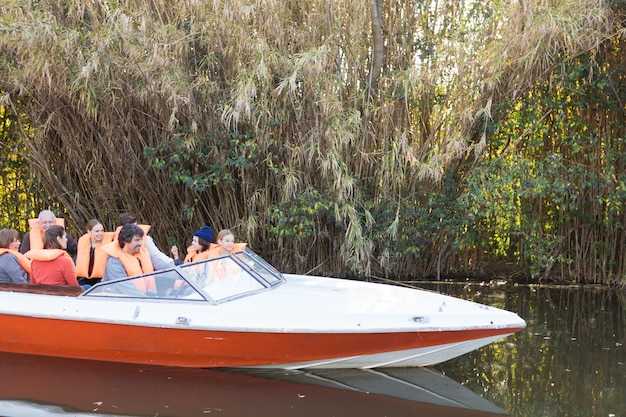
First, start the approach in a přímka směrem k hydroportu, zpomalte na volnoběh do 3–5 metrů od doku a udržujte rovinu kýlu. V slané vodě s větrem a proudem, stabilní 0,5–1,5 mph rozsah minimalizuje drift a snižuje riziko. damaging plovoucí platformy. Viz dok zařízení pro referenci a jemné doladění nadpisu; budou vám vděčni za kontrolovaný vstup kolem doku.
Udržujte a přímočará cesta pouze s malé korekce: používej kormidlo nebo řídítka podle potřeby, ale nikdy trhněte s plynem nebo neotáčejte prudce. Pokud se odchýlíte od směru, jemně se posuňte a poté se vraťte do středu. Udržujte čelo v zarovnání s upevňovacími body a palubou; čistá linie minimalizuje vlnu a chrání plovák a nedaleké lodě. nedělejte: vyhýbejte se ostrým zatáčkám v blízkosti doku a otáčkám, které prudce pošlou kýl dozadu, dejte prostor dalším plavidlům.
Řízení plavby zajistěte tím, že udržíte otáčky nízké a budete provádět malé korekce, zejména za větrných podmínek. Když pocítíte, že PWC začíná se naklánět nebo smykovat, zmírněte řízení a znovu nastavte paralelní směr k přístavišti; vyhněte se vytváření vln, které by vás mohly tlačit k okraji nebo do cizí trasy, čímž zlepšíte kontrolu v těsných prostorech kolem přístaviště.
Nejprve si připravte vybavení před přiblížením: opláchněte po spuštění, abyste odstranili slanou třísku; zkontrolujte hloubku u přístupu, protože mělké hrany zvyšují riziko kontaktu trupu. Používejte příslušenství, jako jsou blatníky, při navrhování vašeho plováku a mám čas to adjust depth or line lengths if the rozsah změny. Mít čas na kontrolu hloubky pomáhá snižovat incidenty v okolí doku.
Design and choosing správná armatura a hloubka pro mořské podmínky má význam. tommy všimá si, že pravidelné maintenance prodlouŶí čásštu vašiho hydroportu a plovoucí platformy prodlouŶí čásštu materials a snižuje namáhání armatur. Zdůrazňují kontrolu hloubky a rozsahu hloubky kolem doku; zajistěte, aby hloubka byla dostatečná k zamezení náběhu při nízkých přílivech nebo vlnách, a udržujte malou dodatečnou mezeru, aby nedošlo ke kontaktu trupu. Toto design umožňuje bezpečnější dokování v náročnějších podmínkách.
Post-launching care: opláchněte a prohlédněte po každé sezení, skladujte příslušenství správně a znovu zkontrolujte zarovnání s dokem, abyste se připravili na další start. Tím, že budete dbát na vítr, hloubku a podmínky, můžete se hladce dokovat s minimal wake a minimalním opotřebením vašeho PWC a plovoucí plošiny. Nezapomeňte na zákaz a vyvarujte se rizikových akcí, které by mohly poškodit okraj doku nebo okolní plavidla.
Zabezpečte PWC: Správně umístěte blatníky, připojte břevnové a záďové lanka
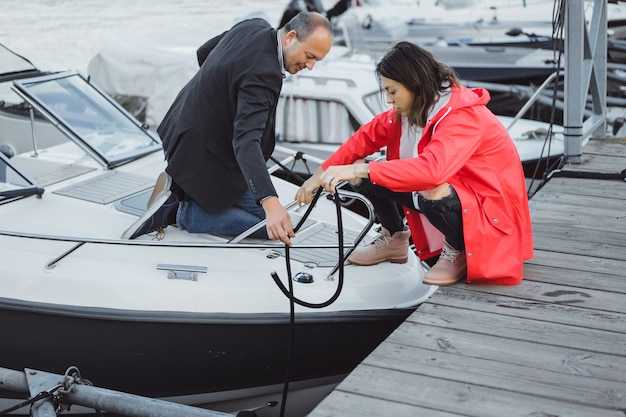
Připojte táhlou lano k pevné hydroportové kotvě, poté umístěte dva blatníky tak, aby odpovídaly přídi a přední trupu pro tlumení nárazu. Toto nastavení nabízí lepší ochranu a určitou rezervu pro pohyb.
Proužte pevný lanový úvazek a připevněte jej k zadníkotvě nebo kotvicímu bodu na plovoucí plošině, přičemž udržujte lano v mírném oblouku a vyhýbejte se volným smyčkám, abyste udrželi stabilní rozsah pohybu.
Udržujte mezery těsné, ale ne přehnané, abyste snížili riziko roztržení a zabránili tření trupu o platformu za měnících se podmínek. V náročných podmínkách toto uspořádání udržuje zarovnání a snižuje riziko zachycení.
Umístěte zadní úchytný bod nebo jistící oko pro rychlé uvolnění a přidejte příslušenství, jako jsou ochranné rámy a ochrana proti oděru, abyste zlepšili pohodlí a chránili komponenty v okolí zadní části lodi.
Tímto přístupem je cílem bezpečnější ukotvení a snadnější přístup pro vás; expertní nastavení vám pomůže zvládat různé podmínky a udržovat chování šetrné k pobřeží během dokovacích manévrů.