


 Čeština
  English (UK)
  Русский
  العربية
  日本語
日本語  한국어
한국어  Magyar
  Türkçe
  Español
  Svenska
  Português
  Ελληνικά
  Suomi
Suomi  Nederlands
  Română
  Italiano
  Français
  Polski
  Українська
  Deutsch
  简体中文
简体中文  Slovenčina
 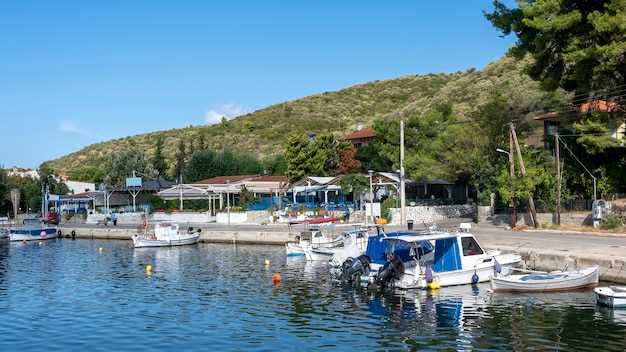 The Best Anchorages in Croatia – Top Harbors for Yachting along the Dalmatian Coast">

Begin your Croatian yachting itinerary with Telašćica Bay as the first anchorage. This dalmatian inlet in the Kornati archipelago offers solid holding on a mixed seabed of sand and pebble, calm nights, and a peaceful rhythm that lets you reset after a day of sailing along the coast.
For a balance of scenery and accessibility, head to Hvar or Brač where many anchorages tuck into coves with clear water and seaweed beds hinting at lively ecosystems. The south coast of Hvar hosts a pebble-bottom spot near Dubovica Beach, popular with locals and visiting sailors alike, while a short taxi ride to Hvar Town brings intensity without leaving your boat too exposed. These options work both for short stops and longer stays, generally offering excellent protection from prevailing winds.
On the quiet side of the Adriatic, Mljet and Vis deliver peaceful nights away from the busier routes. In Stončica Bay on Vis you’ll find a sheltered anchorage that rewards careful anchoring with calm water and good hold, and Saplunara on Mljet presents a shallow, sandy transition into a broader lagoon–ideal for suitable anchorages for families and kayakers alike. These options shine when you want a break from crowds while still keeping many activities within reach.
Beyond individual bays, the Kornati archipelago offers a spread of anchorages where sailors can choose the level of bustle they want. In peak season the coves can get busier, but each pocket provides a coastal escape with good protection and clear waters. If you prefer space, sail a short route between coves and you’ll find anchorages with enough room to swing and recharge. An источник of local knowledge points to Telašćica as a dependable starting point, but the options along this coastline ensure you’ll discover many memorable nooks to linger.
Ivan, a longtime skipper, notes that planning around wind patterns helps you choose the best anchorage for the day’s weather and sea state. He recommends keeping a short line ready for a quick anchorage check, especially around rocky shelves and weed-rich zones where seaweed and other organic matter can affect holding. In practice, you’ll discover that spread of anchorages along the coast gives you flexibility: drop in for a peaceful night, then move a few miles for a livelier evening in a harbor town. Whether you seek many options or a single, suitable retreat, the Dalmatian coast serves as a reliable source of memorable cruising.
Practical anchorages plan for yachting along the Dalmatian Coast (Vis focused)
Anchor in Stončica Bay, Vis, for the first night. In about 6–9 m, holding is solid on mud-sand, and the arms of the bay keep you protected from a south wind. Set 70–100 m of scope in calm weather and adjust as the breeze builds; stay 60–100 m off the cliff face to avoid weed lines and ferries. The night sky here is clear, the stars giving you a calm backdrop, and this choice builds solid experience for the rest of the trip.
From Stončica, head toward Komiža and drop anchor in the outer bay. These narrows guide you into protected water and reduce traffic from the open sea. Komiža is well-regarded for its welcoming mood and easy shore access. The village offers an early bakery option and several restaurants for a relaxing evening; you’ll find a pleasant balance between small-town charm and maritime activity, making this leg especially picturesque.
Next, approach Vis Town Anchorage on the west coast, close to the main quay. Depths outside the harbor run around 8–12 m, with good shelter from south and southeast winds. Reach ashore for an early bakery run, then stroll to shops for fresh provisions. The harbor area is a living archive; the town writes its history in narrow lanes and sea-washed stone walls, adding to the beauty of your stop.
For a dramatic, iconic stop, visit Stiniva Cove. Enter through the narrows between cliffs and anchor in about 4–7 m on a sandy-mud bottom. Protection is strong from NW winds, though the entry is tight and the depth shallow, so plan your approach carefully. It’s idylic and almost untouched, a place where nature and mood align; bring enough water and fuel, as there are no shops ashore.
If you continue south toward loviste, the sheltered coast around Loviste Bay provides a solid finish to this segment. Expect depths in the 6–12 m range and straightforward approach from the south, with lighter traffic near shore. It’s a small, offbeat trove for a quiet night, ideal for unwinding after days along the more popular spots.
| Anchorage | Umístění | Ochrana | Depth (m) | Approach / Notes | Facilities |
|---|---|---|---|---|---|
| Stončica Bay | Vis Island | Good shelter from SW; moderate from NE | 6–9 | From east enter through shallow shelf; good holding in mud-sand; narrows nearby | None on shore |
| Komiža Outer Bay | Komiža, Vis | Well-regarded protection | 8–14 | From west into outer bay; dinghy landing possible; near bakery and restaurants | Bakery, several restaurants within easy reach |
| Vis Town Anchorage | Vis Town, west coast | Moderate; shelter from south winds | 8–12 | From NW via main channel; quick shore access | Shops, groceries, early bakery nearby |
| Stiniva Cove | Vis Island | Excellent from NW and SE | 3–6 | Enter through narrows; anchor on sand-mud | No shops ashore |
| Loviste Bay | Loviste, south Dalmatia | Sheltered from open sea | 6–12 | Approach from the south; light traffic near shore | Local taverns |
Protected anchorages near Vis for calm overnight stays
Anchor in Stončica Bay for a calm overnight stay; its shelter from northernly and eastern winds keeps decks steady and vessels comfortable after a long day along the archipelago.
Stončica Bay sits along the northern coast of Vis, protected by a surrounding reef that minimizes swell and delivers peace after sunset. Depths range roughly from 5 to 12 m on a pebble bottom that holds well for a reliable anchor and a short stern line to keep the deck clear. Enter from the eastern side to avoid rock outcrops on the western edge and give yourself a stable swing during the july season. Along the coast, you’ll find a few beaches and a quiet shore path to Komiža, where a bakery awaits for fresh morning bread. This option is popular with sailors seeking a more idyllic, less crowded night, and it remains unforgettable for many years of coastal cruising.
-
Stončica Bay (Stoncica)
- Protection: strong shelter from northernly and eastern winds.
- Bottom: pebble with good holding; plan a 4:1 scope in moderate conditions.
- Depth: 5–12 m; suitable for most yachts under 20 m.
- Approach: enter from the eastern flank; avoid the western rock outcrop during higher seas.
- Best use: anchor overnight, keep an eye on drift and swing, and enjoy a coastline night with minimal traffic.
-
Stiniva Cove
- Protection: excellent shelter from northernly winds; cliff walls dampen swell.
- Bottom: primarily pebble with some sand; holds well for a medium- to small-sized vessel.
- Depth: about 4–8 m near the inner cove; shallower near the entrance.
- Approach: follow the channel from the open sea; enter with calm seas and heed the narrow entrance.
- Tips: popular though can fill in peak season; plan to arrive earlier in the day or late afternoon to secure a quiet spot.
-
Rukavac Bay
- Protection: solid shelter from northern winds; keeps a steady watch into the eastern shore.
- Bottom: pebble–sand mix, offering good grip for anchors and easy retrieval.
- Depth: 6–12 m; comfortable for most cruising sailboats and small motors.
- Approach: anchor behind a shallow spit to minimize swing; stay clear of any moorings used by local boats.
- Pros: short deck walk to Vis town facilities or a quick ride to the coastal streets and markets; ideal for a relaxed, peaceful night.
Beyond these options, consider a brief daytime reach into the archipelago’s calm pockets; each spot offers direct access to beaches, quiet coves, and easy routes into the days ahead. For skippers chasing more hours on the sea, Stončica’s location makes it a natural base to explore eastern and northernly trades along the coast, while Stiniva’s cliffs provide a dramatic, idyllic backdrop for a memorable overnight. If you plan multiple stops, keep notes in your blog to track which sites delivered the most peace and protection during different years and Julys of the season.
Practical notes: check wind forecasts for the current day, set a safe anchor chain length, and consider a backup anchor if the swell shifts. In any case, the protected anchorages near Vis deliver more reliable sleep, with deck comfort and a gentle wake from the archipelago’s rhythms. A short walk into nearby streets can lead to a bakery for fresh bread and coffee, making every stop along the coastal route a delight.
Mooring options and fee structures in Vis and nearby harbors
Book a berth at ACI Marina Vis for security and predictable tariffs, especially if you sail a larger yacht or plan multi-day hops through the Vis locations. This option provides shore facilities, reliable electricity, water, and staffed reception, making it the most convenient base for a three- to five-day itinerary along croatias coastal towns. If you prefer lower costs, buoy moorings and guest pontoons around Vis offer real options, with simple check-in at the harbor office and quick access to the shore for dining and provisioning.
In Vis and nearby harbors you have three primary mooring routes to compare. First, full-service marina berths in the Vis town area deliver steady protection from prevailing winds, handy security, and cover from spray. Second, harbor authority guest moorings in Komiža and at quieter shorefronts near Badija provide cheaper, mid-stay anchorage with easy shore access for a meal or a hike. Third, private or semi-private moorings along rocky pockets and hidden coves let snorkelers approach underwater seabeds and reefs with minimal engine noise and a short ride to shore.
Fees differ by season, boat length, and the chosen option, and does vary between locations. In shoulder seasons, buoy moorings commonly sit in the €15–€35 per night range, while guest pontoons hover around €60–€120 per night depending on boat length and exact site. Full marina berths in ACI or private facilities often run higher, generally €70–€140 per night for mid-sized vessels, with electricity charges typically €5–€15 per night if not included. Seasonal passes or monthly rates are sometimes available and can reduce the nightly cost for frequent visitors.
Nearby harbors offer a broader selection of options. Komiža’s harbor area adds a lower-cost side to the trove prostor na pobřeží Badije nabízí krátkou hike od bójek k tichému břehu s dining možnosti a klid cover od větru. Celkem tyto stránky poskytují variety vyhovují kratší zastávce i delšímu pobytu a jsou propojeny s trasami směrem ke Kornatům, přes ostrovy jako Biševo a směrem k severnímu pobřeží Istrie pro srovnání cen a úrovně služeb. Pro security spolehlivá stání, mnoho posádek upřednostňuje městské nábřeží ve Visu nebo ACI Vis, ale hidden zátoky kolem Badije a skály za Komižou odmění ty, kteří hledají klidnější kotviště, s protection a snadný přístup k pobřežním zařízením.
Při plánování zvažte locations po třech hlavních trasách: přímý skok z města Vis do Komiže, širší okruh směrem k Badiji a Biševu, nebo delší trasa přes Kornati. anchorages a diskrétní zátoky. Pokud si chcete zašnorchlovat, mělké mořská dna near the skály nabízejí jasnou viditelnost pod vodou a cover která chrání proti poryvům větru. Tento selection díky čemuž je pobyt na Visu praktickou základnou pro poznávání chorvatského pobřeží a klíčem k three kotviště a trove Vis nabízí řadu možností stravování a zásobování po dni stráveném na vodě. Pokud začínáte v Gospići nebo míříte směrem k Istrii, Vis slouží jako pohodlná křižovatka s přímočarým kotvením a transparentními poplatky, které vyhovují různým námořním plánům a offerings.
Přístupové poznámky: vplutí do přístavu Vis a dalších dalmatských přístavů
Při přiblížení kontaktujte správce přístavu Vis na VHF a poté sledujte značený kanál do vnitřního bazénu; pokud plujete s dětmi, oblast nábřeží nabízí chráněnou vodu a snadný přístup pro rychlé zaplavání.
Hloubka u nábřeží se pohybuje od 4 do 6 metrů s písčitým dnem, které nabízí spolehlivé kotvení. Zachovejte si prostor pro manévrování a vyhýbejte se trajektům a místním rybářským lodím, které se během dne pohybují vnějším kanálem.
V dalmatských přístavech za Visem se pravidla pro vplutí liší podle lokality. Pro Stinivu, idylickou zátoku na straně Visu, je vjezd úzký a dno se u břehu mění z písku na skály, proto zpomalte a sledujte místní značení. V Borce, Lovišti a Budikovacu je přístup přímočařejší, ale dávejte dobrý pozor na malá plavidla a potápěče v okolí.
Loviste poskytuje chráněný přístav s krátkým vlnolamem; vyberte si stání s dobrou ochranou před západními větry a naplánujte si krátkou procházku do vesnice za vínem a vinicemi. Budikovac nabízí malé kotviště s průzračným dnem a prostorem k otáčení, ideální pro klidné odpolední koupání a sluncem zalité prostředí.
Ve srovnání s většími univerzitními městy na pobřeží nabízejí tyto lokality řadu klidných kotvišť a více prostoru pro četné charterové jachty; v blízkosti větších přístavů najdete více možností nočního života, ale idylické zátoky u Stinivy, Borcy, Loviště a Budikovace zůstávají oblíbené u rodin a skipperů, kteří plánují trasy s více přístavy.
Zde je praktický seznam poznámek, které je třeba mít na paměti: zkontrolujte předpověď a proud, kontaktujte správce přístavu při vstupu, mějte s sebou náhradní lana a fendery, vyberte si kotevní materiál vhodný pro písek nebo bahno, ověřte si dostupnost kotviště v hlavní sezóně; vždy mějte na palubě osobu, která sleduje provoz a plavce.
Ve všech případech se dno a hloubka liší v závislosti na větru a ročním období, proto si ověřte nejnovější místní poznámky a podle toho upravte délky lan a rozsah; tento postup vám pomůže vyhnout se tlačenici a užít si celý den plavby podél dalmatského pobřeží.
Sezónní větrné modely a optimální okna pro kotvení podél pobřeží
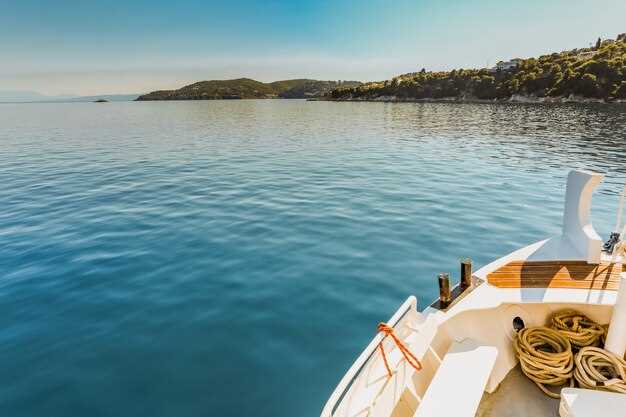
Kotvěte za úsvitu v chráněné zátoce s oblázkovým dnem, když je maestral slabý a jihovýchodní větry minimální; z paluby získáte klidné podmínky, snadný přístup k nábřeží a klidné prostředí se skvělými výhledy.
Sezonní vzorce a okna
- Jaro: Březen–Květen – Ráno vítr převážně severozápadní (Maestral), odpoledne slábnoucí k jihovýchodnímu. Obvyklá rychlost 8–18 uzlů; nejvhodnější okno pro kotvení 05:30–10:30. Vybírejte zátoky chráněné dlouhými skalnatými rameny, s oblázkovým nebo smíšeným kamenitým dnem. V těchto podmínkách můžete snadno spustit jednu kotvu nebo přidat zadní lano v exponovaných místech. Vognišča podél pobřeží dodávají okolí dramatickou texturu. Zkontrolujte předpověď den předem; dejte si pozor na náhlé poryvy větru v blízkosti útesů. Toto je doba, kdy chorvatské pobřeží ukazuje rozmanitost malých přístavů a klidných zátok, které odměňují pečlivé plánování.
- Léto: červen–srpen – Mořský vánek od severozápadu se zesiluje po východu slunce; odpoledne může dosáhnout 12–22 uzlů, občas i více v exponovaných zátokách. Nejlepší okno 04:30–09:30; preferujte zátoky směřující na sever nebo východ s dlouhým závětřím a minimálním dosahem přes skalnaté pobřeží. Použijte poměr 5:1 až 7:1; zvažte druhou kotvu v dramatických pobřežích. V klidnějších ránech si užijete klidné vody a skvělé výhledy z paluby a možná se i projdete do nedaleké vesnice pro pečivo, než se zvedne horko.
- Podzim: září–listopad – Vítr se po přechodu front stáčí k jihovýchodu (Jugo) nebo severovýchodu (Bora); běžné jsou rychlosti 10–25 uzlů, v brázdách s vyššími poryvy. Nejlepší okno 06:00–10:00 po přechodu fronty; vyhýbejte se exponovaným místům během špičkových poryvů; hledejte chráněné zátoky s oblázkovým dnem, skalnaté ostrovy a mírný závětří. Při změně směru větru od JV použijte extra délku řetězu a záložní kotvu. Před opuštěním úkrytu zkontrolujte satelitní předpověď počasí a stav moře; okolí odhaluje kombinaci klidných dnů a dramatických mořských scenérií za pobřežní linií.
- Zima: prosinec–únor – Bóra a jiné fronty přinášejí silné nárazy SV až JV; moře může být rozbouřené. Zůstaňte v chráněných přístavech s skalnatým nebo oblázkovým dnem. Nejlepší okno 05:30–09:00 po odeznění front; vyhýbejte se dlouhým otevřeným pobřežím. V Chorvatsku stále najdete klidná rána u nábřeží, ale počítejte s krátkými kotvami a robustním vybavením, když se zvedne příboj.
Praktické tipy pro maximalizaci bezpečnosti a pohodlí
- Zkontrolujte směr větru a předpověď z důvěryhodného zdroje; prostudujte větrnou růžici pro každé kotviště a podle toho upravte plány, ať už usilujete o klidná rána, nebo se chráníte před měnícím se jihovýchodním trendem.
- Preferujte kamenité nebo oblázkové dno s dobrou držící silou; vezměte si robustní kotvu a extra lano; v mělkých zátokách udržujte řetěz napnutý, abyste omezili rozkyv a udrželi palubu volnou pro manévrování.
- Používejte plný rozsah v hluboké vodě a zkraťte v chráněném zálivu: 5:1–7:1 za mírných podmínek; 7:1–10:1, když je pravděpodobné vlnobití nebo poryvy; vždy se přizpůsobte aktuální hloubce a kvalitě dna.
- Dvojité kotvení v širokých zátokách nebo poblíž výběžků zvyšuje odolnost proti poryvům větru; umístěte záďová lana tak, abyste omezili kývání a udrželi bezpečnou vzdálenost od ostatních lodí a pobřeží; po zakotvení zkontrolujte okolí.
- Procházka po pobřeží vám dává příležitost zhodnotit ochranu a zkontrolovat potenciální nebezpečí; pokud zahlédnete pekárnu nebo kavárnu, můžete si doplnit čerstvé zásoby a užít si klidnou přestávku před pokračováním v jízdě.
- Respektujte místní předpisy a chraňte citlivé ekosystémy; mnohé zátoky v Chorvatsku jsou křehké – nezanechávejte po sobě žádné stopy a ověřte si omezení kotvení v chráněných oblastech a národních parcích.
S těmito okny zažijete celé spektrum podmínek – od klidných zálivů po dramatické horizonty – a budete připraveni na překvapení, která pobřeží nabízí; díky středomořskému klimatu a rozmanitosti okolí je skvělá plavba podél chorvatského pobřeží možná, ať už cestujete sami nebo s posádkou.
Onshore facilities, provisioning, and shore excursions from Vis anchorages
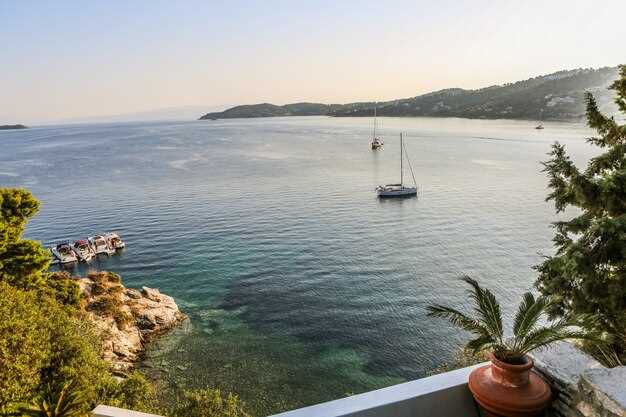
Provision from komiža first to secure fresh bread, local wine, and fish for your stays in Vis anchorages. The town is southern on the island and located near the main moorings, giving you a clear advantage for provisioning without long trips on shore and with easy access to the boat.
Onshore facilities around Vis anchorages are well-protected and straightforward to use. In Vis town you’ll find a full marina complex with fuel, potable water, electricity, showers, laundry, and a maintenance dock; the harbor office coordinates mooring, weather alerts, and waste disposal. Komiža offers a compact yet complete cluster of amenities in a well-protected harbor: bakery, fish market, fruit and vegetable stalls, a wine shop, and several taverns for evenings on shore. Both places are popular with cruising crews and nestled along southern bays, making them reachable by a short tender from the anchorages and easy to bring goods on board after shopping. This arrangement keeps stays made easy and emphasizes the important goal of smooth shore time.
Provisions come from the Komiža market for seafood and vegetables and from Vis town for dairy, meat, and staples. Local producers offer olive oil, honey, and regional wine; bakeries supply daily bread, and the supermarkets in Vis stock a broad range of items if you need something specific. For stays with minimal disruption, time your provisioning to daylight hours and use a small boat to shuttle items, soaking in the nautical atmosphere as you lay out your plan for the next couple of days. A local contact, Ivan, can arrange a tailored shore excursion or a wine-tasting session to suit your crew, adding a personal touch to your provisioning strategy–the advantage being you can stock exactly what you need without overloading the boat. This is important for being efficient on tight schedules.
From the Vis anchorages you have a range of shore excursions: a short boat ride to Biševo for the Modra špilja (Blue Cave) to catch a glimpse of sea caves, a stroll through Komiža’s historic lanes, and wine-tasting in the Vis area. The southern coast offers sheltered beaches like Stiniva, ideal for a relaxed soak and a quick swim, while a visit to nearby vineyards provides a traditional wine experience. These options are popular with yachting crews and local guests alike, and the whole circuit is well-suited to short day trips. If you seek a longer itinerary, you can link to the Kvarner coast for a broader route, taking advantage of reliable seas while staying in well-protected anchorages. Remember the island’s military past; coastal forts and tunnels add interest to a light shore walk and a gentle afternoon exploration, with safe areas clearly marked for visitors. The area’s submarine base legacy is another intriguing element to explore, and winds from the south or strong passages can be managed with careful planning while remaining comfortable. In certain seasons, the southern anchorages remain especially popular for evenings ashore and wine-tasting at coastal venues.