


 Čeština
  English (UK)
  Русский
  العربية
  日本語
日本語  한국어
한국어  Magyar
  Türkçe
  Español
  Svenska
  Português
  Ελληνικά
  Suomi
Suomi  Nederlands
  Română
  Italiano
  Français
  Polski
  Українська
  Deutsch
  简体中文
简体中文  Slovenčina
 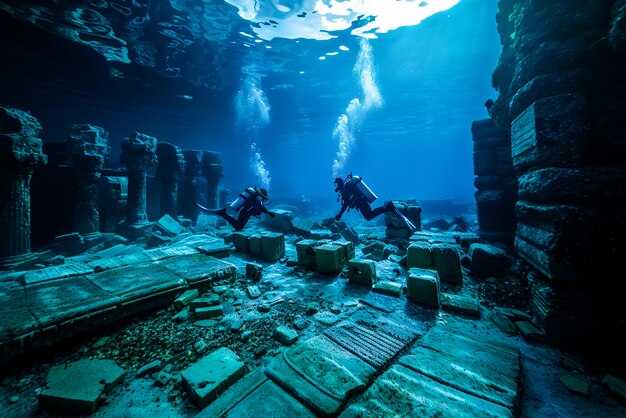 The Amazing History of Scuba Diving – From Ancient Roots to Modern Underwater Exploration">

Begin with mastering buoyancy and essential equipment checks in a calm pool, then take your first steps toward open-water exploration with a qualified instructor for safety and comfort.
Nearly every ancient culture experimented with breath-hold methods, and the japanese ama divers laid a practical groundwork with simple masks and weights. Those early techniques, mentioned in maritime chronicles, that mark the beginning of organized underwater work.
By the mid-20th century, the frenchman Jacques Cousteau–with Emile Gagnan–invented the Aqua-Lung, a portable compressed-air system that let a wearer stay under longer and work with gear rather than relying on surface air. By 1946, it reached commercial use, and the diver role began to formalize around training and safety protocols.
freediving, with its emphasis on breath-hold efficiency and gliding strokes, has influenced modern training and inspired athletes to push minds toward lighter, zjednodušený setups that boost comfort and confidence.
From the 1960s onward, most agencies and manufacturers expanded, refining safety protocols and creating specialized gear for cold water, cave, and wreck work. Equipment evolved to a zjednodušený jacket, a buoyancy system, and precise regulators, enabling great stability and a steadier breath for the diver.
Today, curious minds join a structured path, with member communities, accessible courses, and hands-on practice that balances excitement with measured risk. The story continues as technology and training merge to extend safety margins and expand opportunities for underwater exploration.
Practical milestones and ways to get started
Enroll in a certified entry course within two weeks to begin your path in underwater exploration. A typical program combines 2-4 days of classroom and pool work with 1-2 days in open water under supervision, focusing on equalization, buoyancy control, equipment handling, and safety procedures. Expect to invest about $350–$600 for the course; gear rentals run $15–$40 per day, and a basic personal kit (mask, fins, snorkel) can be bought for $60–$120. If you own a scuba kit with a regulator, BCD, and computer, you’ll save on rentals and feel more confident in familiar gear. inventors and early designers contributed to safer gear over time with simple regulators and improved masks; today’s options are more reliable and accessible.
Let your desire for continued exploration guide you into learning the basics with a local association. These groups connect people interested in safety and ecology, provide mentorship, and expose you to different sites, equipment setups, and safety practices. Use known safety standards from major organizations and read one basic manual to build a solid foundation before your next session.
Choose your gear approach: rent the essentials for the first month or buy a compact starter kit now. A mask with a good seal, comfortable fins, a snorkel, and a regulator with a reliable octopus are core pieces; a basic BCD and a computer can come later. A sophisticated setup adds a console, transmitter, and backup air supply, but you can progress gradually to stay within budget. This plan keeps you safer and helps you learn the natural rhythms of buoyancy while you build familiarity with the environment and your own limits. Accessories such as spare o-rings or a spare battery are available from most shops, so you won’t get stuck on a field site.
After the initial certification, add specialty courses such as buoyancy, navigation, and safety rescues. These expand your skillset and keep you within safer boundaries while you gain confidence to explore new sites again with a partner. Most programs schedule a pool session and several open-water days, often over weekends, which fits a busy to-do list.
Respect for biodiversity anchors the culture of underwater exploration. Learn to assess sites, avoid touching wildlife, and maintain a stable stance to reduce contact with fragile organisms. In coastal regions, you’ll encounter a mix of natural habitats and human activity; guided experiences that emphasize conservation help you connect fascination with responsible behavior. The japanese tradition of coastal practitioners offers valuable perspectives on breath control and patience, enriching your adventure and keeping you curious.
If you crave adventure and have a natural curiosity, try a beginner freediving session to improve breath control and relaxation. This cross-training enhances safety awareness for scuba sessions again and supports better energy management during longer outings. You’ll find that freediving instructors often share tips that transfer to your scuba practice.
Practical availability matters. Look for accredited instructors or a recognized association with clear safety standards. Availability tends to rise in warmer months, but indoor pools provide year-round practice. Start with a single introductory session and then commit to a structured program to build a solid baseline. This is a great way to begin.
Ancient Breath-Hold Techniques and Primitive Gear
Begin with a practical rule: stay within your limits and build freedom through measured practice. Use simple systems: relaxed breathing, a short breath hold, then gliding with minimal movement to conserve energy, repeating in short cycles to reduce fatigue. These disciplined steps reflect sophisticated thinking across generations.
Across civilizations, practices varied, named approaches that were called for breath control and body position. In roman harbors, divers trained near the quay, dreamed of freedom under the surface, and adopted education routines that improved air use before negotiating hulls, which were long and shadowy there. Early lessons opened a path to safer experiments, shaping later training networks.
Primitive gear remained lean yet instructive. There were attempts to couple air supply with simple masks, and discussions about closed-circuit concepts and surface lines helped some explorers extend their time. In the soviet era, researchers studied how simple buoyancy aids and calm exhalations improved stability during longer holds. Manuals circulated, and some observers shared insights online, with rebikoff and prieur becoming shorthand for a tradition of education and careful experimentation that emphasized less risky steps for novices.
shipwrecks provided practical classrooms where divers learned by observing currents and hull shapes, applying calmness to keep the breath inside longer. The divers themselves refined posture and gliding efficiency to minimize air use, turning wreck outlines into geometry that informed later training drills.
There remain traces of these early practices in contemporary exploration, preserved in online archives, museum labels, and field notes. These materials illustrate a continuum from antiquity to modern undersea work, where the dream of discovery persists even as equipment evolves and knowledge grows.
The Rise of Diving Bells and Early Breathing Devices
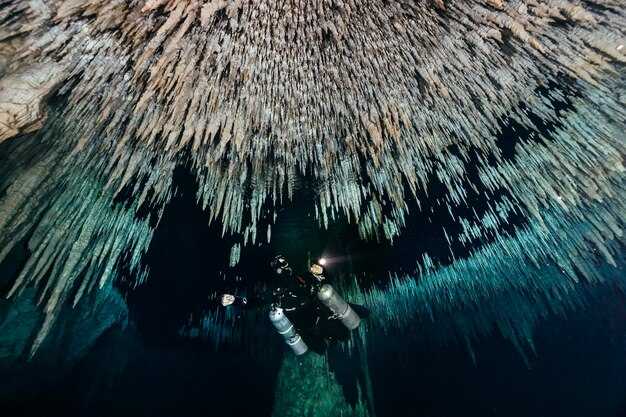
Begin with a clear air-path map from surface pumps to the bell interior and log each connection. Bound the activity to 6 to 12 meters for early trials and track how long crews could stay inside as air was replenished from above.
Early devices were typically bell-shaped chambers, often wood or metal, lowered by rope. The little crew inside relied on surface pumps that pushed air through a tube into the bell, which opened access to shallow tasks, keeping water out and allowing a little time inside the bell.
The earliest accounts from greek sources and other peoples show how bells were sealed and how air flowed into the inside. These secrets of air management opened access to shipwrecks and the habitats of nearby creatures.
Developments included surface pumps, valves, and hoses, plus rudimentary rebreather concepts that tried to recycle exhausted air. Typical depths remained modest: 6 to 12 meters as standard, with occasional pushes to 20 or 30 meters as equipment improved. This progress allowed longer work periods and safer experiments, guiding how future devices would evolve.
Living experiments taught crews to coordinate outside support with inside breathing cycles and built awareness of underwater physics. These experiences helped the teams become more confident operating in constrained spaces and to plan safer procedures. whats ahead in this history includes deeper water work and more reliable air cycles as innovations matured.
womens participation appeared gradually, with womens curiosity pushing documentation of experiments and signaling between surface teams and the bell.
In summary, these early steps built a foundation for later breathing devices and more complex subaquatic work, guiding what future explorers needed to know to operate safely and effectively.
From Rebreathers to Open-Circuit Systems: An Evolution of Equipment
Start with open-circuit systems for most users; their gas supply is straightforward, maintenance is predictable, and service networks are widely available.
Originally designed for sustained operations, rebreathers drew on greek engineering heritage and a culture of compact life-support devices; hollywood productions helped popularize their dramatic potential and inspired many explorer minds to imagine longer stays in water environments.
Leaps in materials, efficient dioxide scrubbers, and smarter electronics changed the equipment landscape, turning a practical concept into reliable gear that teams could count on during complex tasks.
Data received from trials confirmed that rebreathers can extend bottom times under challenging conditions, with some tests reaching 94-meter depths. From these results, explorers know their limits and plan margins accordingly, because training and supervision remain non-negotiable.
From a practicality perspective, open-circuit rigs rely on cylinders, often described as barrels, supplied at the surface; weighted ballast and straightforward buoyancy control keep trim with lowered risk during ascent.
Restoration of older units occurs in dedicated shops, but spare parts and service networks vary by region; their availability shapes which setups operators choose for routine work and emergency readiness.
Water quality and gas cleanliness matter for both systems: open-circuit air must be trusted, while rebreathers depend on reliable carbon dioxide removal and well-maintained scrubber materials to protect comfort and safety. This is where minds behind gear design emphasize clear checklists, because predictable performance rests on disciplined maintenance and careful monitoring of gas composition. The concept of choosing between options rests on mission profile, environment, and the explorer’s experience–data, feedback, and field tests all inform that decision.
| Aspect | Rebreather | Open-Circuit |
|---|---|---|
| Gas supply | Gas is recycled, with scrubbers removing carbon dioxide and maintaining a chosen mixture | Gas stored in cylinders; supply is direct and predictable |
| Weight and buoyancy | Modul pračky přidává hmotnost; vyvážené konfigurace ovlivňují vyvážení | Válce přidávají na váze, ale zjednodušují vyvážení a kontrolu stoupání |
| Údržba | Častá kalibrace, kontroly praček a zkoušky těsnosti vyžadují specializované postupy | Snížená náročnost na údržbu; běžné servisní střediska podporují díly a kontroly |
| Provozní doba | Potenciál pro prodlouženou dobu na dně, pokud to podmínky a výcvik dovolují | Omezeno dobou trvání válce; rychlé výměny udržují stálý průběh sezení |
| Školení a odbornost | Vyšší křivka učení; bezpečnostní rezervy se zvyšují se zkušenostmi | Širší možnosti onboardingu; uživatelsky přívětivé pro širší publikum |
| Náklady a obnova | Vyšší počáteční náklady; průběžná údržba; renovace může prodloužit životnost | Nižší počáteční náklady; díly jsou široce dostupné a snadněji se vyměňují |
Zásadní vylepšení výstroje: Masky, ploutve, regulátory a lahve
Začněte s konkrétním vylepšením: vyberte si masku s nízkým objemem, silikonovou lícnicí a tvrzeným sklem. To nemůže být jednodušší: snižuje to změny vztlaku v blízkosti obličeje a minimalizuje vniknutí vody, což usnadňuje manipulaci se zbytkem vybavení během ponorů. Myšlenka, kterou zmiňují instruktoři a zkušení potápěči, je spolehlivě utěsnit nejprve, což vám umožní soustředit se na pohon a hospodaření se vzduchem a umožní pokrok ve freedivingu a rekreačním potápění.
Při výběru masky je nejdůležitější, aby dobře seděla. Vyzkoušejte několik modelů a najděte takovou, která těsní bez nadměrného tlaku na tváře. Poté ji otestujte v mělké vodě tak, že se nadechnete s maskou přitisknutou k obličeji (bez popruhu). Dobré těsnění snižuje zamlžování a zlepšuje zorné pole v kalné vodě, což je důležité při skupinových výletech nebo prozkoumávání vraků plných trosek. V historických poznámkách se uvádí, že sovětské týmy experimentovaly s jednoduchými a spolehlivými maskami a pouzdry výstroje, které sloužily k ochraně obličeje v náročných podmínkách. Fernez je někdy uváděn v archivních katalozích jako raný návrhář modulárních prvků; ať už je každé tvrzení přesné, trend byl jasný: lepší těsnění, lehčí postroje a snadnější údržba otevřely mnoho cest pro moderní konfigurace.
- Masky s malým vnitřním objemem snižují námahu při dýchání a stabilizují výhled; volte silikonovou lícnici a čočky z tvrzeného skla.
- Zkušební ponoření do vody, ověření pohodlného těsnění bez napětí pásku a kontrola omyvatelných povrchů proti zamlžování.
Ploutve hrají klíčovou roli v rychlosti a manévrovatelnosti. Otevřené ploutve s nastavitelnými pásky se hodí k botám a do chladnějších vod, zatímco ploutve s plnou nohou vynikají v teplé vodě s minimem vybavení. Tuhost listu by měla odpovídat vašim zkušenostem: začátečníkům prospějí měkčí listy, které nabízejí shovívavé zrychlení, zatímco pokročilí uživatelé mohou používat delší listy pro větší skluz. Vyzkoušejte oba styly v kontrolovaném bazénu, abyste si uvědomili, jak se vaše kopy přenášejí do pohonu proudem a kolem překážek, což je důležité, když chráníte spoluhráče na společné výpravě nebo se pohybujete ve vraku s troskami.
- Ploutve s otevřenou patou a bezpečným páskem dobře fungují s neoprenem nebo botami; celoobuvové ploutve jsou lehčí, ale vyžadují použití naboso nebo s tenkými botičkami.
- Délka a tuhost listu: krátké, měkké listy pro rychlé starty; dlouhé, tužší listy pro vytrvalý pohon na otevřené vodě.
Regulátory si zaslouží pozornost pro pohodlné dýchání a spolehlivost. Přístroj založený na systému Gagnan znamenal zlom v dodávce vzduchu a moderní regulátory posunuly úsilí potřebné k dýchání níže a spolehlivost výše ve studené vodě a v hloubce. Vyberte si vyvážený první stupeň, abyste udrželi konzistentní námahu při dýchání, jak tlak v lahvi klesá, a spárujte jej s druhým stupněm, který poskytuje hladký, předvídatelný průtok vzduchu a uživatelsky přívětivý venturi. Ujistěte se, že jsou hadice uspořádány tak, aby se minimalizovalo zachytávání, a udržujte náhradní druhý stupeň snadno dostupný během ponorů. Pro použití s nitroxem vyberte regulátor kompatibilní s vyššími směsmi O2 a naplánujte si správný servis pro čištění kyslíkem, pokud budete běžně používat směsi nad 32 %.
- Vyvážený první stupeň snižuje námahu při dýchání v celém rozsahu tlaku v láhvi; zkontrolujte certifikaci a servisní historii.
- Druhý stupeň by měl být v ústech pohodlný, s nastavitelným venturi a spolehlivým proplachovacím ventilem, pokud je to žádoucí.
Lahve se vyrábějí z hliníku a oceli, s běžnými rekreačními velikostmi 12 l (80 cu ft) a 15 l (100 cu ft). Hliník je lehčí a snadněji se s ním manipuluje na břehu; ocel nabízí menší změny vztlaku, když je plná, a větší odolnost v náročném prostředí. Tlaky plnění se liší podle regionu (často kolem 200 barů nebo 232 barů); ověřte si místní normy a ujistěte se, že vztlak a zátěž jsou v rovnováze s vybraným plynem. Pro nitrox budete chtít vyhrazenou láhev označenou směsí a spolehlivý analyzátor na místě pro potvrzení složení před použitím. Typické tréninkové směsi kolem 32–36 % O2 snižují absorpci dusíku pro kratší povrchové intervaly, ale vždy se řiďte svou certifikací a místními pravidly. Při plánování práce na vracích zvažte dodatečnou ochranu lehčí výstroje a rukavic pro bezpečnou manipulaci s ostrými úlomky. Díky neustálému zlepšování mnoho klubů oceňuje bezpečnější a lépe vybavené týmy a tato ocenění odrážejí pečlivou údržbu a chytré vylepšení, nikoli pouhá čísla.
Certifikace, výcvik a bezpečné potápěčské postupy dnes
Začněte certifikací od zavedených organizací a před jakoukoli vodní aktivitou absolvujte úvodní teorii, výcvik v uzavřené vodě a praktické lekce.
Obecně platí, že výcvik nejprve buduje obecné dovednosti a poté pokročilé moduly, se zaměřením na kontrolu vztlaku, hospodaření se vzduchem a systém partnerství ve skupině. Pro práci ve studené vodě se zavádějí suché obleky a pro vybrané cesty se demonstruje možnost dodávání vzduchu., allowing easy progrese a freedom pro studenty, kteří se již zaměřují na bezpečnost.
Always provádějte kontroly před ponorem a používejte brýle, kde je to vhodné, během činností na povrchu; v podvodních částech se spoléhejte na správnou masku a konzervativní plán. Tento na bezpečnost zaměřený přístup podporuje cíle ochrany přírody a péči o moře a slaďuje osobní učení s očekáváním komunity.
Na stránkách design klade důraz na postupný rozvoj, s cíleným vedením kvalifikovaných instruktorů k dosažení pokročilých dovedností při zachování bezpečnosti a zábavy.
Mnoho studentů snil zvládnutí pokročilých technik; se strukturovaným programem postupně rozšiřují svůj záběr za hranice rekreačních limitů. Organizace aktualizují učební osnovy, aby uspokojily poptávku a podpořily ochranu mořských stanovišť, přičemž používané vybavení a systémy zůstávají spolehlivé a jednoduché, zajišťující svobodu pro ně a pro skupinu.