


 Čeština
  English (UK)
  Русский
  العربية
  日本語
日本語  한국어
한국어  Magyar
  Türkçe
  Español
  Svenska
  Português
  Ελληνικά
  Suomi
Suomi  Nederlands
  Română
  Italiano
  Français
  Polski
  Українська
  Deutsch
  简体中文
简体中文  Slovenčina
  The 11 Most Beautiful Greek Islands You Need to Visit – Why They Belong on Your Bucket List">

Choose Milos as your first stop – you need dramatic coastlines, crystal coves, and water that shifts from turquoise to cobalt with the light. In May and September, scattered coves invite private swims while crowds stay at a comfortable distance.
We spotlight 11 islands that offer a spectrum of atmospheres: samothraki‘s rugged highlands; world-class beaches on Milos and Santorini; towns right on the water, and a rhythm that feels authentic rather than staged. Instagrammers flock to iconic blue domes and white-washed stairways, yet each island also keeps its own pace and history, making the visits feel unique and well visited.
Crete is the largest Greek island, spanning about 8,336 square kilometers, with a coastline that stretches over 1,000 kilometers when you count all bays and coves. Dramatically varied landscapes await. The island blends dramatic gorges, olive groves, and ancient sites such as Knossos; in the interior you’ll discover mountain villages and markets that highlight orchards and fresh produce.
Rhodes Town holds a centuries-old fortress; Naxos balances long sandy coves with orchards and ruins; Paros pairs lively harbors with quiet inland lanes; Hydra keeps traffic to a whisper while hosting a beach party along its harbour; Kefalonia’s Myrtos Beach anchors dramatic coastlines; Zakynthos’s Navagio cove makes a postcard; Corfu layers green hills with Venetian fortifications; Santorini’s caldera views shape a dramatic finale to any itinerary. This mix delivers a thrill with reach and variety, also catering to different budgets and travel styles.
To keep the route efficient, plan roughly 3–4 nights on the larger islands and 1–2 nights on the smaller ones; ferries between neighboring islands typically run 1.5–3 hours, depending on weather and vessel type. proslgn techniques–map days by geography, reserve a buffer for ferry delays, and align hotel check-ins with sunset views–help you maximize time while staying relaxed and focused on the moments that count.
Ready to assemble your own list? Start with Milos, weave Crete into the middle, and let each stop reveal its own dramatic character. With a mix of scenic beaches, atmospheric towns, and unforgettable food, these 11 islands offer a bucket-list experience that stays with you long after you leave the jetty.
Practical plan: selecting islands, timing, and US flight options
Base in zante as your main hub for the first leg, then add a quieter ionian island such as Ithaca to balance days of serene beaches and hillside hikes, paradise moments included.
Which islands fit your pace? For panoramic coastlines and charming chora strolls, pair zante with kefalonia; for forests and hills, Lefkada or Ithaca offer tranquil trails; for authentic greek hospitality, seek villas where their owners grow herbs, produce bronze artefacts, and welcome guests.
Timing: visit May or September to enjoy warm seas, milder crowds, and relaxed relaxation; ferries run more frequently twice weekly during shoulder season.
US flight options: land at Athens (ATH) from major US gateways such as New York, Boston, or Chicago; then connect to island flights to ZTH, EFL, or CFU within 1–2 hours. Consider multi-city tickets to depart from a different island instead of arrival.
Practical two-week plan example: Day 1–3 Athens for a quick taste of the chora and markets; Day 4 flight to zante; Day 4–9 zante: beaches, Navagio beach, caves; Day 10 ferry to Ithaca; Day 11–13 Ithaca: forests and tranquil coves; Day 14 return to Athens and depart.
Booking tips: choose villas with panoramic sea views and terraces; pick a villa near a chora for evening strolls; use ferries twice to minimize backtracking; explore herbs and wine experiences in local tavernas; avoid crowded party zones on peak weekends.
Identify your travel style: beaches, culture, or nightlife on each island
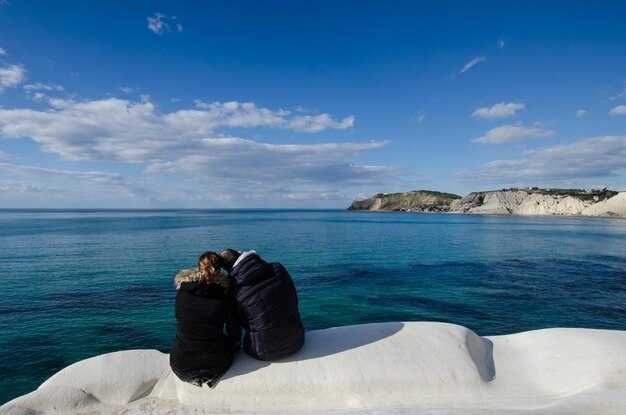
Start with a clear pick: Mykonos for nightlife, Milos for beaches, Crete for culture, then map the rest by style.
-
Santorini – Style: culture
The charming stone towns and ancient sites are the core. Akrotiri and regional museums provide a deep narrative, while caldera viewpoints feel cinematic and photogenic. In Ammoudi, fishing boats dip into the morning haze, and you can pair this with relaxing wine tastings at local estates; luxurious villas and cliffside accommodations offer infinity-pool moments with spectacular sunsets.
-
Mykonos – Style: nightlife
Turn evenings into a vibrant sequence of stylish bars and clubs that glow along the harbor–and yes, taxis make quick hops between town, beach, and sunset venues. By day, stroll charming alleys, discover gentle beaches, and savor fresh seafood at waterside tavernas; the island provides a constantly upbeat rhythm and a photogenic backdrop for your social feeds.
-
Crete – Style: culture
Ancient wonders meet rugged landscapes: Knossos, Minoan artifacts, and hillside monasteries anchor a culture-focused plan. The stone towns, vibrant local markets, and olive-grove nights create a daily cadence that feels authentic. Choose stylish guesthouses or boutique hotels for a comfortable stay that still keeps your steps rooted in history.
-
Rhodes – Style: culture
The old town walls, Crusader castles, and Mediterranean fortresses anchor a richly layered culture itinerary. Wander narrow lanes where modern cafés sit beside medieval stone facades, then visit ancient ruins that tell a long victory story of civilizations meeting the sea. Easy day trips to sandy coves offer relaxed break times between immersive sites.
-
Corfu – Style: beaches
Turquoise bays, palm-fringed beaches, and gentle shorelines define a beach-first plan. The coast provides countless spots for sun, salt, and laid-back meals with local seafood. Stay in welcoming accommodations near the water, and hop between shelled coves by short drives or boat rides.
-
Milos – Style: beaches
Colorful beaches and crystal seas dominate, with accessible coves you’ll want to visit again and again. The island’s springs and volcanic coastlines create dramatic scenery that feels almost theatrical–perfect for long, photogenic days. Cruise or boat to inaccessible beaches, then unwind in intimate inns or villas that pair rustic charm with modern comforts.
-
Zakynthos – Style: beaches
Navagio Beach is a postcard in motion, and the surrounding turquoise bays invite sun-soaked afternoons. Stay near beautiful shorelines, where daily ferry runs connect cliff viewpoints with sunlit sands. The overall vibe remains relaxed, with plenty of easy beach-to-town options and local tavernas showcasing fresh seafood.
-
Naxos – Style: beaches
Long, gentle beaches stretch along the island, ideal for daily dips and easy family outings. The island balances pristine coastlines with charming villages, where stone houses and local markets create a warm, photogenic backdrop. Pick accommodations near the beach for a practical, relaxing stay that still feels authentically Greek.
-
Paros – Style: nightlife
Naoussa’s nightlife scene rocks after sundown, with bars and clubs that keep the energy high. Daylight brings soft, beautiful beaches and fishing boats returning to harbor–great for a relaxed pace between parties. Choose a central hotel or luxury villa to keep easy access to both beach days and evening hotspots.
-
Kefalonia – Style: culture
Melissani and Drogarati reveal geological wonders, while hill towns and traditional villages offer a cultural heartbeat. The island’s stone architecture, scenic drives, and local eateries provide a steady cultural rhythm; stay in a boutique property that blends with the landscape and gives easy access to both caves and harbor views.
-
Hydra – Style: culture
Car-free lanes, stone mansions, and a refined seafaring mood define Hydra’s culture-forward appeal. Wander cobbled streets, visit small museums, and savor seaside cafes that feel like a timeless movie set. Lodgings emphasize calm, relaxing atmospheres close to the harbor, with daily ferries linking it to Athens and other islands.
Map a 7–10 day itinerary that minimizes ferries and maximizes highlights
Fly into Santorini and base two nights to savor the sunset and the sugar-cube charm along the caldera. From Santorini, hop with seajets na Folegandros (about 1.5–2 hours) to keep ferries low while loading up on dramatic scenery, pristine coves, and authentic food options.
In Santorini, focus on the caldera views, cliffside villages, and quiet coves. Walk the footpath from Oia to Amoudi Bay for a dramatic coastline walk, watch the sunset from a rooftop terrace, and dip into a sheltered cove before dinner. If you crave a low-key finish to the day, stream a seaside movie in your room and wake refreshed for the next hop. Your guests will feel the authentic blend of luxury and simplicity as you soak up island life.
Folegandros greets with mountainous terrain and a charming Chora perched above the port. Explore on foot among white walls, narrow lanes, and a hillside sanctuary that rewards a quiet pause. The island invites a blend of sunsets, small beaches, and easy coves hops along the coast, making each stroll feel refreshing rather than rushed.
Z Folegandros, arrive at Seajets to Milos in about 1.5–2 hours. Milos offers a great shift in scenery: lunar shores, hidden coves, and bustling shores around Adamas and Plaka. Hire a small boat or join a guided trip to Kleftiko’s sea caves, then end an evening near Sarakiniko nebo Firiplaka with fresh seafood and a sunset glow.
With 2–3 days on Milos, you cover the centerpiece without rushing: dawn swims at quiet coves, a boat excursion to Kleftiko, and time in Plaka or Pollonia for authentic flavors–grilled octopus, tomato keftedes, and local wines. The blend of dramatic landscapes and welcoming locals makes every moment memorable for the traveler seeking great views and genuine hospitality.
On day 8–9, fly from Milos back to Athens for your departure, a 40–60 minute hop that fits tight schedules. If you have 9–10 days, add a final island such as Sifnos nebo Naxos with a single ferry transfer to extend your loop without repeating heavy travel. For history buffs, a morning detour to Hydra offers the Kountouriotis mansion and a different maritime atmosphere, then you can return to the Cyclades for your last night and a relaxed shoreside dinner.
Direct flight options from US hubs: Athens, Crete, and direct city pairings
Begin your Greek island plan with JFK–ATH nonstop, the fastest link from the US to Greece. From ATH, a 40–50 minute domestic flight opens Crete via Heraklion (HER) or Chania (CHQ); you can also choose the scenic option of ferries from Piraeus for a longer, luxurious sea crossing that drops you into Crete’s whitewashed towns and blue-domed vignettes. A direct city pairing such as JFK–ATH followed by ATH–HER minimizes layovers and time on the road ahead.
Athens as gateway makes access to ancient ruins and historic chora hubs effortless. In just hours you can stand before the Acropolis, stroll through the maze-like layout of modern neighborhoods, and then slip into a chora café for a warm hora with honest Greek kindness. The connection to Crete, Santorini, or Naxos is straightforward; flights are frequent and ferries run from Piraeus when you want a slower, therapeutic approach to island life. If crowds appear in peak times, mornings offset the busiest windows and let you savor blue-domed churches and whitewashed alleys with room to breathe.
Crete shines as Europe’s largest island, with a wild mix of minoan ruins, forests inland, and cliffside monasteries along the coast. A straightforward ATH–HER or ATH–CHQ hop puts Crete within reach in under an hour, and you’ll be rewarded with a luxurious stay in places that face the Libyan Sea or the White Mountains. From Crete you can ferry to other islands or chase a Samothraki day trip if you’re drawn to the north Aegean by ferry or a short flight–cosy villages, breathtaking views, and time to unwind await.
Direct city pairings that streamline planning include JFK/NYC–ATH, BOS–ATH, and ORD–ATH, with onward connections to Crete or the Cyclades for a multi-city arc. Whether you prefer a single base on Crete or a loop through multiple islands, you’ll gain access to the best hours of travel and the easiest transitions between blue-domed charm, ancient ruins, and tranquil monasteries ahead of you.
Best time to visit each island and how it affects crowds and prices
Santorini: Visit from late May to early June or in September to enjoy warm seas, a calm harbour, and lighter crowds. July and August push prices up and lines to viewpoints grow long, so aim for May–June or September. This window makes it easier to ride between cliff towns, savor authentic tavernas, and soak in mood-lifting sunsets. Showcasing cliffside whitewashed alleys, this period also supports winery detours along the south coast and passes near orchards on adjacent islands.
Mykonos: The sweet spot is May–June and September, when crowds thin and prices stay reasonable. July–August bring peak heat and dense lines around the harbour and beaches. In May you can ride ferries and buses with shorter waits, and the mood is friendlier for wandering. For europes travelers seeking authentic nightlife and small-town charm, this window offers a calmer, more welcoming vibe.
Crete: Target late May to early June or September for warmth without scorching heat and moderate costs. The island offers extensive road links and many harbours that make exploration smooth from Heraklion to Chania and the south. You’ll find authentic tavernas, orchard terraces, and easy winery stops near rural villages. Time-lost valleys and olive groves slow the pace in a good way.
Rhodes: May through June or September provides comfortable heat and lighter crowds around the Old Town and harbour. July–August intensify crowds, raise prices, and push ferry lines longer. If your aim is a crafty mix of ancient sites and relaxing seaside days, this window works well. The south coast quiets down, inviting a captivating atmosphere with fewer crowds.
Corfu: May–June and September give mild weather, lush greenery, and lower costs. The island’s diverse hills and coastal towns stay easy to reach by ferry or car, with short harbour waits. Dine at authentic tavernas and take a short exploration into waterfall-splashed trails near inland villages. For relaxation seekers, this time frame makes a mood-lifting break.
Zakynthos: May–June or September keep crowds smaller and prices friendlier. The July–August peak makes Navagio Beach busy; choose shoulder season for calmer mornings and easier boat trips to sea caves. Time on quiet coves adds time-lost moments on the water, and riding along the coast feels effortless. This window makes Zakynthos a must for explorers who want balance.
Kefalonia: In May–June or September, prices dip and lines fade, while the coastlines show vivid blues. The extensive inland routes connect charming villages, caves, and winery stops near the central hills. You’ll enjoy relaxed afternoons, authentic tavernas, and plenty of exploration without pressure.
Naxos: Late May to early June or September delivers the best balance: warm water, fewer crowds, and sensible prices. The island’s extensive farmland, orchards, and ancient sites invite a relaxed pace. You can wander little lanes and find authentic tavernas with straightforward travel by bus or rental car.
Paros: May–June or September provide calmer beaches and reliable ferry connections. Peak months push prices higher, while shoulder seasons let you explore harbor towns at a comfortable pace and enjoy easy exploration of hillside villages. If you can travel later in the season, you’ll discover even quieter coves and better deals.
Milos: May–June or September suit travelers seeking captivating landscapes, calmer days, and easier boat trips to sea caves. Prices stay friendly, and you can relax on quiet coves after mornings on the boats. If you want a must for geology lovers, this window offers mood-lifting scenery and relaxation that lasts all day.
Lefkada: May–June or September offer clear waters, good winds for sailing, and fewer crowds on the south coast and inland trails. Waterfall-splashed paths and hidden coves provide exploration without rush. You can ride along limestone cliffs and discover little villages with welcoming tavernas. Legends of Triton drift near the harbour at sunset, adding a playful nod to maritime mood.
How to travel between islands: airport access, ferries, and priority transfers
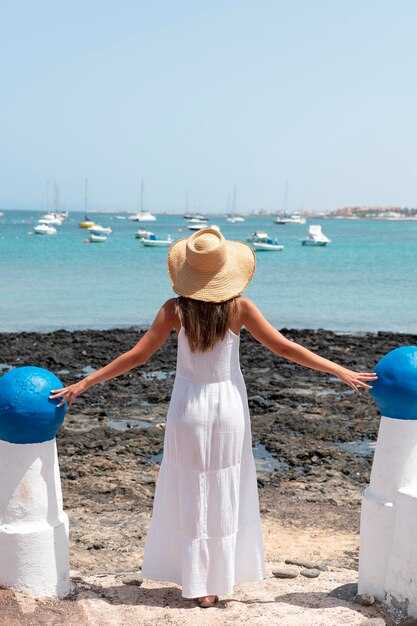
Plan an Athens-first arc: fly from Athens to Santorini or Mykonos, then ferry to Naxos, Paros, and Milos. This sequence minimizes backtracking and keeps wheels turning for exploration-minded adventurers hungry to see millennia of history along dramatic coastlines and nature-rich harbors. Start with a breathtaking view of blue-domed towns and tranquil harbors, and let each leg bring a new glimpse of genuine island life and rich local culture.
Airport access is straightforward: Athens International (ATH) offers daily domestic flights to the main Aegean hubs, with carriers like Olympic Air and Sky Express providing reliable options. Typical flight times run roughly 25–50 minutes to Mykonos or Santorini, and about 40–60 minutes to Milos or Naxos, making a quick hop feasible between island clusters. From the harbor side, you’ll feel the millennia-old pull of the islands as you step onto a new route each day.
Ferries and routes connect the Cyclades with consistency: Blue Star Ferries, SeaJets, and ANEK Lines operate multiple daily connections from Piraeus to Paros, Naxos, Mykonos, and Santorini, with Crete reachable on longer crossings. For shorter hops, consider high-speed options that trim travel time, while traditional ferries offer a steadier ride in windy conditions. Pick ferries with open decks to enjoy the wind and dramatic sea views, and plan to align each leg with the harbor rhythms rather than chasing a strict clock. Across these routes, you’ll notice the sugar-cube villages rising above the water, a visual rhythm that never fails to inspire.
Priority transfers smooth every transition: reserve a priority transfer from airport to port or hotel to harbor to cut waiting times and secure a calmer handoff. Many operators offer VIP check-in, lounge access, and private car service arrangements; book these services at least 24–48 hours in advance, especially during peak season when tourist volumes rise. A private transfer keeps the journey calm and above the crowds, letting you focus on the next great view rather than the daily shuffle.
Practical tips for a balanced escape: target less crowded routes to discover hidden coves and tranquil towns where agios Prokopios on Naxos or similar spots provide a peaceful anchor between island hops. Time departures to catch the morning winds and calmer seas, which enhances comfort for first-time explorers and seasoned travelers alike. Use a single base–often Athens or a central island like Naxos–and fill long days with short hops to maximize authentic encounters, dramatic coastlines, and memorable encounters with local statues, markets, and harbor life. This approach keeps the exploration genuine while delivering breathtaking moments and a steady rhythm for adventurous souls who want to embrace the Greek island experience.