


 Čeština
  English (UK)
  Русский
  العربية
  日本語
日本語  한국어
한국어  Magyar
  Türkçe
  Español
  Svenska
  Português
  Ελληνικά
  Suomi
Suomi  Nederlands
  Română
  Italiano
  Français
  Polski
  Українська
  Deutsch
  简体中文
简体中文  Slovenčina
  St Lucia Travel Guide 2025 – Top Things to See, Do, and Eat">

Begin your St. Lucia visit with a sunrise view of the Pitons from Soufrière, a žlutá-hued landmark that signals the day ahead. For visitors, taking in the sea breeze and island flora sets the mood.
Whether you are seeking dramatic mountain scenery or crystal beaches, this guide helps you marvel at diverse settings, flavoura look into local culture. Plan your day in a smart order to fit a scenic drive, a beach stop, and a market tasting within your time frame.
Ready for an active morning? Try an early hike on the Gros Piton trails, where cool air, lush jungle, and sea views reward your effort. Castries markets welcome visitors with spice blends, fresh fruit, and grilled seafood, loved by locals and travelers alike. Seaside meals offer a playful plas of aroma, texture, and colour.
St Lucia Travel Guide 2025
Begin with a Castries stay and book a southeast coast boat tour that doubles as a colourful show of coastlines; the experience is particularly local and truly memorable, with blue seas, yellow sunsets, and friendly crews.
Check visa rules with the government site before you book; for many nationalities, entry is visa-free for stays up to several weeks, while some travellers require a visa on arrival or an online permit. Carry proof of onward travel and accommodations bookings to smooth entry.
In Castries, choose accommodations with harbour proximity; many rooms offer balcony views, air conditioning, and practical amenities–ideal for quick access to markets, ferries, and nightlife. Expect easy access to cafes and shops along the harbour.
For outdoor fans, a 2–3 hour hike to Gros Piton rewards with sweeping sea views; plan a morning climb, then ride a boat to Soufrière for a culture-led afternoon. Guides share herbs and spice samples along the path, and you can stop at small stalls for seasonal produce and craft. Pack water, sunscreen, and a light rain layer.
Evenings shift to Soufrière and Castries markets where you taste colourful produce, yellow peppers, and herbs, and sample dishes that highlight fish, callaloo, and root vegetables. Local culture shows and steel bands animate streets, and government-run sites offer known heritage stops–beyond the waterfront, you find memorable experiences.
Iconic Sights: Pitons, Sulphur Springs, and Pigeon Island
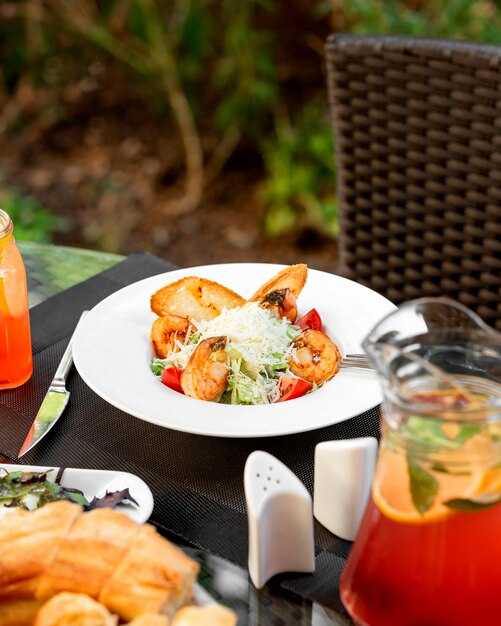
Book a licensed guide for the Gros Piton hike and start early to beat the heat. This ascent climbs through emerald-green forest to sweeping coastal views, and a steady hand is rewarded with a panorama that makes the sea sparkle. Traveling with a small group keeps the pace comfortable and adds safety, while spoken notes from your guide bring local history to life, and while you climb you’ll have a chance to pause for photos.
Along the coast, Gros Piton and Petit Piton rise as twin sentinels, offering two distinct experiences. The Gros Piton Trail is the more navigable option for most travelers and typically takes 2–4 hours round trip; Petit Piton is steeper and suited for experienced hikers. The emerald water and colourful flora frame each switchback, giving you dramatic views and a memorable photo opportunity along the way. This is a solid choice for most visitors.
At Sulphur Springs in Soufrière, you’ll find a geothermal area with steaming vents and a warm mud pool for a gentle scrub. Outdoor pools, sulphur smells, and a series of planked walkways create a memorable sensory experience. Afterward, relax at nearby picnic spots with grills and shade along the boardwalk as you unwind.
Pigeon Island National Landmark offers a blend of history and coastline. A friendly loop trail along the headland reveals remains of old Fort Rodney, hidden coves, and clear water ideal for a quick swim or snorkel. Boats depart from nearby marinas, letting you combine a coastline cruise with a few hours on land. Find a quiet stretch under palm trees to photograph the turquoise bays and capture notes for your list or pixabay collection.
Plan with packages that include Pitons, Sulphur Springs, and Pigeon Island–many hotel concierges can arrange a full day or multi-site option. Carry necessary documentation and proof of insurance, and keep a small token for others in your crew. If you’re traveling during Carnival season, check the calendar for parades; shoulder season offers quieter afternoons. Start your day early, bring water, and wear sun protection; this route still rewards a relaxed pace and a clear choice of routes. Local guides have spoken of the region’s charm, and this combination pairs well with sightseeing across the island. If you’re traveling with others, share gear and plans.
Beaches, Snorkeling, and Coastal Adventures
Choose Anse Chastanet as your first beach and snorkeling base; warm water, clear visibility, and easy access to coral gardens make it the smart choice for beginners and families.
This island rewards exploration with a mix of easy beaches, volcanic scenery, and hidden coves that connect to the larger coast.
From there, enjoy Reduit Beach for a long, sun-warmed stretch where you can rent gear quickly and grab a bite at nearby cafés, keeping luggage light for easy transfers.
For a more intimate option, Pigeon Island National Park Beach offers smaller coves and calmer water near historic ruins; staying near shore helps novices gain confidence while exploring the coastline.
Combine coastal days with a visit to Diamond Falls Botanical Gardens in Soufrière; the gardens offer a cooling contrast and a backdrop for photos after a morning on the water, tying health and scenery together.
Plan around a 6-month window (Nov–Apr) for the clearest water and warm sea; government guidelines at some sites may include a mandatory entry fee, so factor that into your budget and follow posted signs.
Ask locals what the best snorkeling spots are; the answer is a mix of calm mornings and coral gardens that suit your pace.
Ever curious, you can discover a quiet cove by dawn and following the coastline a few miles, where locals know the best routes.
Tip: keep your luggage minimal, wear reef-safe sunscreen, and hydrate often to protect your health while you explore the island’s warm water and volcanic scenery, from piton views to beachside eateries featuring sautéed plantains with fresh seafood.
| Spot | Co můžete očekávat | Best Time |
|---|---|---|
| Anse Chastanet | Colorful reefs, warm water, easy access for beginners; gear rental on site | All year; best light in the morning |
| Reduit Beach | Long sandy stretch, family-friendly, nearby cafes for a quick snack | All year; mornings are often calmer |
| Pigeon Island National Park Beach | Smaller coves, calm water near reefs, historic backdrop | All year; try weekday mornings |
| Soufrière coves near Pitons | Stunning cliff lines, volcanic scenery, snorkeling further out | December–April |
Culinary Highlights: Must-Try Dishes and Where to Find Them
Begin with green fig and saltfish for a quintessential St. Lucia experience. You’ll find it in casual roadside stalls and in many restaurants across the island, a decent start that blends salty fish with the sweetness of ripe plantains and the aroma of herbs found in their kitchens because the island’s soils yield bright flavors.
For a heartier bowl, try bouillon, a clear, peppery soup loaded with seafood or meat, dumplings, plantains, and herbs. This go-to comfort travels through island kitchens and stands near Castries, offering a quick, satisfying option when you’re ready to refuel after a morning hike through the mountains. If you’ve seen options that look heavy, ignore those and stick with fresh, lighter preparations that let the flavors shine.
Accras de morue, crispy cod fritters, deliver a savory crunch with a bright lime dip. Choose seaside restaurants with fewer heavy sauces, where the piton–the volcanic landmark that defines the coast–casts dramatic shadows. The scene is famous and adds a romantic mood as the sun dips and you savor the crisp crust.
Callaloo, a silky greens-based stew, showcases the island’s Creole roots and pairs beautifully with dumplings or fish, having local ingredients at their peak makes every bite brighter. Its deep green color contrasts with the bright plates at many restaurants near the Soufrière valley, offering another way to enjoy St. Lucia’s flavors without heavy spice.
For something sweet to finish, sample a rum cake or coconut-based dessert; breadfruit pudding and sugar-sweet pastries appear in many bakeries and beachside cafes. Its sweet finish completes the experience, and thats the moment when you realize how deeply culture forms the flavors here, though you may want to linger longer.
7-Day Regional Itinerary: North, West, South, and East Highlights
-
Severní dominanty – Začněte východem slunce u národní památky Pigeon Island, poté se projděte podél pobřeží do Rodney Bay a na trh Castries. Ochutnejte dvě nedaleké restaurace nabízející čerstvé mořské plody a místní bylinky a poté se vykoupejte na pláži Reduit. Pro rychlé občerstvení po cestě se nabízí zastávka v drive-inu. Zakončete koktejly při západu slunce v baru na nábřeží ve městě a procházkou po přístavu.
- Vyhlídka Fort Rodney s výhledem na moře a majákem
- Tržiště v Castries s kořením, bylinkami a řemeslnými výrobky
- Rodney Bay Beach; vodní sporty a slunce
- Stravování v městských restauracích; koktejly na nábřeží
-
<p Pobřeží West Coast Highlights – Projeďte se do Gros Islet na malebnou procházku přístavem a k chráněné zátoce Marigot Bay. Oběd v neformální restauraci s čerstvou kuchyní; vyzkoušejte grilované maso, ryby nebo vegetariánské možnosti. Užijte si čas na klidnějších plážích podél pobřeží a poté si dopřejte plavbu při západu slunce nebo procházku po písku. Vyhlídka Cap Estate nabízí panoramatické výhledy a možnost ochutnat ostrovní koktejly při západu slunce.
- Scenérie Gros Islet a zálivu Marigot Bay
- Oběd v restauraci na nábřeží
- Pláže ke koupání; občerstvení na pláži
- Vyhlídky a koktejly na Cap Estate
-
Jižní Highlights – Soufrière je domovem Pitonů, geotermálních bazénů Sulphur Springs a zahrad Diamond Falls. Oběd v prvotřídní restauraci se silnou ostrovní chutí; vychutnejte si bylinky a tropické koření. Volitelný výlet lodí do nedalekých zátok nebo pěší túra na vyhlídkové místo. Večeře zpět ve městě s pobřežním vánkem.
- Vyhlídka Pitons a stezka Tet Paul
- Sulphur Springs za minerální koupel
- Diamantové vodopády Garden a bazén s vodopádem
- Oběd u moře s místními chutěmi
-
Východní zajímavosti – Přímořské vesnice podél východního pobřeží nabízejí venkovní stezky, slunná vyhlídková místa a trhy v Dennery a Micoud. Objevte řemesla, prozkoumejte menší uličky a ochutnejte pouliční občerstvení z místních stánků. Říční procházka vede na klidnou pláž ke koupání, následovaná večeří v přímořské restauraci s bylinkami a čerstvými produkty. Zakončete ostrovními koktejly při západu slunce nad oceánem.
- Trhy v Dennery a Micoud
- Pobřežní stezky a výhledy na řeku
- Pobřežní stolování s pokrmy vylepšenými bylinkami
- Koktejly při západu slunce na východním pobřeží
-
Severní a západní okruh – Návrat směrem k severnímu pobřeží pro pohodový den s prohlídkou měst a menších městeček po cestě. Nábřeží Castries nabízí nákupy koření, místních řemeslných výrobků a malé hostince. Blízké pláže lákají k druhému ponoru a pár zastávek s občerstvením pro řidiče udrží energii. Zakončete plavbou při západu slunce podél severního pobřeží.
- Památky a nábřeží města Castries
- Menší pobřežní osady a vyhlídkové body
- Nedaleké pláže znovu navštíveny
- Plavba při západu slunce nebo procházka po pobřeží
-
Jižní a východní prodloužení – Plavba katamaránem podél jižního a východního pobřeží ostrova; šnorchlujte v korálových zahradách, vychutnejte si oběd na pláži a ochutnejte čerstvé bylinky v regionálních jídlech. Na pevnině navštivte pobřežní restauraci, kde si vychutnáte večeři plnou chutí, a poté zakončete koktejly v baru na útesu.
- Plavba katamaránem se šnorchlováním
- Oběd na pláži a stravování v rezortním stylu
- Pobřežní restaurace s ostrovní chutí
- Koktejly na útesu při západu slunce
-
Odjezd a bezpečnostní opatření – Zakončete závěrečnou procházkou po oblíbené městské pláži, sbalte si nezbytnosti a dodržujte zásady ochrany před sluncem a hydratace. Zkontrolujte podrobnosti letu, mějte nezbytnosti v malé tašce a odjeďte se vzpomínkami na ostrovní pláže, stezky v deštném pralese a vstřícné lidi.
- Poslední chvíle na pláži, nákupy na poslední chvíli
- Bezpečnostní opatření na cesty: opalovací krém, hydratace, repelent proti hmyzu
Co budou imigrační úředníci požadovat: Požadované dokumenty
Mějte s sebou originály a čitelné kopie všech dokumentů a také digitální zálohu. Uspořádejte si je podle kategorií do tenké složky, abyste je mohli během procesu rychle předložit, což urychlí postup.
Váš pas by měl být platný minimálně šest měsíců po plánovaném datu odjezdu. Vezměte si s sebou rodné listy závislých osob a případné dokumenty o úřední změně jména, pokud se vás to týká.
Mějte doklad o účelu cesty a pobytu: zpáteční nebo navazující letenku, podrobný itinerář a potvrzení o ubytování. Uveďte místa, která navštívíte na Svaté Lucii, od pláže po Castries a další oblasti. Pokud se ubytujete v butikovém hotelu nebo ve více ubytovacích zařízeních, předložte potvrzení rezervace pro každé místo. Barevný plán trasy podpoří váš případ a pomůže úředníkovi vidět váš zamýšlený pobyt.
Předložte doklad o tom, že si můžete dovolit uhradit náklady: nedávné bankovní výpisy nebo cestovní rozpočty s dostatečnými prostředky na denní výdaje, jídlo, dopravu a mimořádné události. Rozumná rezerva pomůže v tropickém klimatu a při aktivitách, zvláště pokud plánujete několik dní na pláži a venkovních akcích. Pomůže vám to zůstat připraveni na případné nepředvídatelné události a prokáže zodpovědné hospodaření s rozpočtem.
Nezletilí vyžadují další dokumenty: rodné listy pro každé dítě, souhlas od nepřítomného rodiče, je-li to relevantní. Uchovávejte si kopie průkazů totožnosti obou rodičů, pokud cestujete s dítětem, abyste předešli zpožděním.
Zdraví a bezpečnost: podrobnosti cestovního pojištění, veškeré existující lékařské předpisy a jednoduchý seznam léků. Pokud vezete položky, které by mohly být omezeny, jako je čerstvý česnek nebo jiné rostlinné produkty, deklarujte je, abyste se vyhnuli problémům na hranicích. V jídelních lístcích na tropickém ostrově popisuje mnoho jídel ingredience jako restované. Mějte po ruce lékařské účtenky a kontaktní informace o pojištění.
Po příjezdu se řiďte pokyny policisty, odpovídejte stručně a nabídněte pouze požadované dokumenty. Pokud máte otázky, ukažte na svou složku a zůstaňte v klidu; vaše spolupráce ukazuje vaši slušnou přípravu a respekt k místním zařízením a postupům. Po příletu do Castries proveďte stejné kontroly.
Poznámky pro přílety do Castries: mějte u sebe barevné cestovní pouzdro se žlutými rezervačními kódy a referencemi; pokud plánujete pobyt v butikovém hotelu nebo přímořském letovisku, mějte s sebou potvrzení. Ve složce rozdělte dokumenty do kategorií pro snadnou orientaci a rychlý přístup.
Připravte se s předstihem, zkontrolujte své dokumenty a před cestou se seznamte s procesem. Tím se sníží stres a zajistí hladký vstup na Svatou Lucii.