


 Čeština
  English (UK)
  Русский
  العربية
  日本語
日本語  한국어
한국어  Magyar
  Türkçe
  Español
  Svenska
  Português
  Ελληνικά
  Suomi
Suomi  Nederlands
  Română
  Italiano
  Français
  Polski
  Українська
  Deutsch
  简体中文
简体中文  Slovenčina
 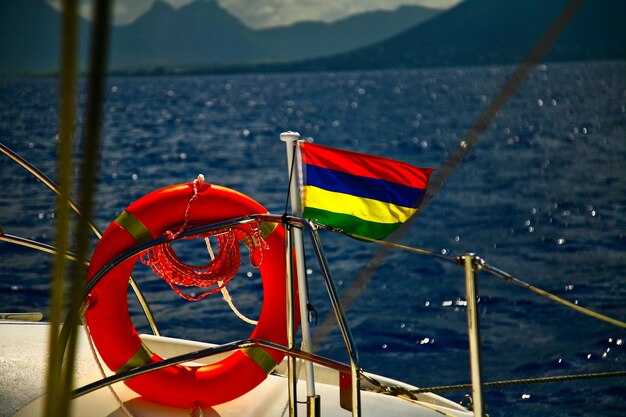 St. Lucia Sailing Itinerary – The Ultimate 7-Day Caribbean Yacht Charter Guide">

Usaďte se na týden plný větru, vína a stolování na pobřeží: začněte v Castries a naplánujte si cestu k Pitons, poté se vraťte do Rodney Bay. Tento 7denní plán zavede nájemce mezi nejlepší kotviště, vyvažuje rozbouřené moře s intimními zátokami a dramatickou kulisou sopečných vrcholů.
Den 1 začíná v Castries Marina kolem 08:30, pak plujete 18–22 námořních mil směrem k Soufrière, přičemž se zastavíte na šnorchlování v chráněné zátoce s útesy. Mějte připravený plný piknikový koš na oběd na palubě a rezervujte si formal večeře na palubě při západu slunce za Pitony. Budete si také moci nacvičit několik manévrů podle mapy za slabého větru před západem slunce.
Den 2 ladně klouže do zátoky Marigot Bay, hřiště se spoustou přístavů, kde se potkávají pronajímatelé mezi vznášejícími se loděmi a chráněnými břehy. Kotva dobře drží a můžete podniknout krátkou túru na vyhlídku s rozsáhlým výhledem na zvlněné kopce. Večer šéfkuchař připraví gurmánské menu s místním humrem a pikantním callaloo, podávané se západem slunce na palubě.
Den 3 směřuje k Holubímu ostrovu, kde osamělá zátoka lemovaná palmami zve k picnic na břeh a krátké pádlování na pláž s bílým pískem. Osamělý holub krouží kolem přídě, když se blížíte k Pigeon Island. Posádka provede rychlou chart lekce pro hosty, zatímco kapitán pevně drží kormidlo. Pozdně odpolední masáž Na palubě den jemní, s kulisou Pitonů tyčících se v dálce.
Den 4 pluje do oblasti Soufrière na horskou túru nad Sírovými prameny a poté se vrací do chráněné zátoky na gourmet večeři s čerstvě ulovenou rybou a pečenými plantainy. Kotva spočívá v klidné zátoce, což vám umožní studovat dramatické scenérie ostrova. backdrop s padající nocí.
Den 5. den mapuje lehkou zpáteční cestu podél pobřeží, míjí pláže Gros Islet a přírodní přístavy, díky kterým je Svatá Lucie skutečným rájem pro pronájem jachet. Sledujte fota navigační bod k odlehlé zátoce, kde picnic odpolední vyvrcholení na pláži s jemným pískem. Večer si odpočiňte u masáž na palubě, zatímco vycházejí hvězdy.
Den 6. den se vrací do Castries s ranní návštěvou trhu a závěrečným šnorchlováním před rozlučkovou večeří na kotvě v přístavu. Den 7. nabízí poklidnou plavbu při východu slunce podél pobřeží, uzavírající itinerář přípitkem u stolu a klidnou náladou, jak světla města září na vodě.
Denní trasa: La Pointe Marin do Soufriére a Pitons
Začněte první den vyplutím z La Pointe Marin za úsvitu, seřiďte plachty a vyrazte přes klidnou vodu směrem k zátoce Marigot Bay. Očekávejte 12–18 uzlů od pasátů, svěží rytmus na palubě a úlevu ze stabilního kurzu přes vodu. Miňte tři malé ostrůvky na západě a rozšiřte svůj pohled na pobřeží, poté se schovejte do Marigot Bay na krátkou zastávku, abyste se protáhli, přebalili výbavu a vychutnali si lehkou hostinu na palubě. Pokud zahlédnete trhy nebo uličky s výlohami obchodů na břehu, pořiďte si pár doplňků, než odpoledne vyrazíte směrem k Soufrière.
Druhý den držíte kurz směrem k jihozápadnímu pobřeží: pevně držíte kormidlo a sledujete dešťové přeháňky, které střídá slunce, a míříte do chráněného přístavu Soufrière. Vystupující Pitony na obzoru signalizují, že se blížíte ke slavnému dědictví ostrova a jeho ikonické siluetě. Zakotvěte poblíž Jalousie nebo v klidné zátoce a podělte se s posádkou o čerstvé ovoce, zatímco plánujete návštěvu botanické zahrady Diamond Falls, která vám poskytne příjemné ochlazení od odpoledního horka.
Den 1–2: La Pointe Marin – Marigot Bay – Soufrière
Den 3 je zaměřen na prohlídku Soufrière z vody. Objevte miniaturní útesy a křišťálově čistou vodu kolem Petit Piton a Gros Piton, když se blížíte k městu. Odpoledne se plavte do klidnější zátoky na procházku po břehu a poté si vychutnejte ochutnávku rumu Neisson v místním podniku, abyste pochopili zemědělské dědictví ostrova. Čeká vás krásná směs pohledů, vůní a rytmu, jak slunce klesá k západnímu pobřeží.
Den 4 přináší cílevědomý přístup k Pitonům. Spusťte kotvu poblíž Canaries nebo Jalousie, abyste zkrátili dobu pěší túry na břeh, zajistěte si výstup s průvodcem, pokud na to máte, a věnujte čas objevování mořského života podél útesů. Využijte večer k uspořádání malé procházky zahradou podél vodní linie a podělte se s posádkou o čerstvou večeři, přičemž k udržení stálého rytmu použijte korýše z místního úlovku.
Den 3–7: Soufrière a Pitons

Den pátý se zaměřuje na samotné Pitony. Vstanete brzy, abyste zahájili výstup nebo procházku s průvodcem a nasávali světoznámé scenérie, zatímco se podél pobřeží mění vítr. Po výstupu se vrátíte na jachtu pro odpočinek v resort stylu a poté se budete toulat po písečných cestách poblíž vody, kde vánek chladí pokožku a vzduch naplňuje vůně bylin. Pokud máte chuť se bavit, připijte si s posádkou Neissonem nebo lehkým rumovým koktejlem, který jste si koupili během návštěvy pobřeží; jste součástí vyvíjejícího se rytmu ostrova a jeho vřelé, přívětivé kultury.
Den 6 mísí klidnější den s návratem k pobřeží směrem k Soufriu00è re. Proplujete kolem řady klidných zálivů, budete sledovat východ slunce nad vodou a zaznamenáte několik mušlí jako suvenýry z dne stráveného pohybem s mořem. Odpoledne si domluvte krátké šnorchlování, abyste si prohlédli ryby a korály podél srázu, a pak se usaďte a chvíli si prohlížejte výlohy nedalekého přístavu, zatímco budete plánovat poslední úsek zpět k La Pointe Marin.
Den sedmý uzavírá kruh s pohodovou plavbou zpět do La Pointe Marin. Proplujete kolem známých orientačních bodů, ucítíte, jak vítr slábne, zatímco motor tiše běží, a zakončíte to závěrečnou hostinou na palubě, která oslavuje váš týden objevování, dědictví ostrova a krásné vzpomínky, které jste si odvezli zpět přes vodu. Rytmus plavby, vůně čerstvého deště na palubě a pohled na Pitonské štíty v dálce přinášejí pocit úlevy a uspokojení, jak se připravujete na vylodění.
| Day | Kotva / Zastavit | Sights & Activities | Vítr / Podmínky | Poznámky |
|---|---|---|---|---|
| Den 1 | La Pointe Marin → Zátoka Marigot | Výhledy na pobřeží, tři ostrůvky, přístav Marigot Bay, čerstvé ovoce, krátká procházka po pobřeží | 12–18 uzlů, vítr VSV, mírné vlnění | Klidné tempo, zrefované plachty, pokud zesílí poryvy větru |
| Day 2 | Marigot Bay → Soufrière | Vynořující se Pitony na obzoru, oblast Jalousie, přistání v Soufrière, návštěva zahrady Diamond Falls | Mírný provoz, možná krátká přeháňka | Naplánujte si ochutnávku rumu (Neisson) po návštěvě pobřeží |
| Day 3 | kotviště Soufrière | Výhledy na Petit Piton / Gros Piton z vody, procházka botanickou zahradou Diamond Falls | Lehký až mírný vítr, klidná hladina | Dobré možnosti pro prohlížení výloh na pevnině |
| Den 4 | Soufrière → Oblast Kanárských ostrovů / Oblast Jalousie | Přiblížení k Pitonům, šnorchlování na útesu, večerní procházka zahradou | mírné větrné podmínky, 10–20 uzlů | Připravte se na volitelnou túru s průvodcem |
| Den 5. | Oblast Pitons | Řízený výstup s pomocí skob, poklidná pláž pozdního odpoledne, sběr mušlí | Vítr 12–16 uzlů, chladnější vzduch poblíž útesů | Ochutnávka Neissonu na pevnině |
| Den 6. | Anse Chastanet / Soufrière harbor | Marine life viewing, Garden stroll, light shore excursion | Moderate winds, smooth water | Fresh accessories for the crew bag |
| Den 7 | Soufrière → La Pointe Marin | Return pass, coastal sights, final feast aboard | Gentle breeze, tapering toward home | Pack, reflect on the rhythm of the voyage |
Anchorages and Mooring Strategy for 7 Days
Anchor on the outer edge of Rodney Bay in 8–12 m of sand, close to Pigeon Island, and use a local mooring if available to minimize bottom disturbance after arrival. After settling, review the anchor hold at first light and adjust if needed; this keeps earth-friendly practice and safety in check while you plan the next hops for travel along the region, with easy access to facilities and a few drinks ashore.
Day 1 – Rodney Bay / Pigeon Island: choose a protected swing anchor or a mooring in the northwest corner of the bay. Depths of 7–12 m work best, with the shore in your right-hand side as you face the open sea. The area offers closer access to small markets, a pearl-white beach, and a laid-back vibe that suits a first-night rest after the passage. Review maps to confirm the wind angle and aim to stay a safe distance from commercial traffic, especially ships entering and leaving the harbor. The nearby grounds feature greenery and views toward the shore where younger crews can scout easy hikes and photo stops.
Day 2 – Marigot Bay: switch to the inner harbor or its dedicated moorings to reduce swing radius in stronger trades. Moorings are ideal here, allowing you to step ashore for fresh bread and light refreshments, then return to the boat for a pearl-colored sunset. Depths of 8–14 m with the swing area toward the channel protect you from residual swell. If you anchor, keep a long anchor rode and avoid the main channel. Additional tip: carry maps that mark the marina facilities, fuel stops, and a nearby rum factory for a short cultural stop. The bay’s authentic charm and the smaller village atmosphere make it easy to unwind after a busy morning at sea.
Day 3 – Soufrière Bay (Gros Piton coast): prefer moorings offered by local operators to keep the bottom undisturbed and to maximize wind protection from the slopes of the Pitons. If you drop anchor, choose 12–18 m in clear sand away from coral heads and keep a watch for the wash from passing ships. The views of the piton slopes are stunning at dawn and dusk, with white sands and lush greenery framing the silhouettes. In the evening, venture ashore for a quick review of local facilities and a stroll along the shore road to catch a pearl sunset over the water. A short visit to a nearby craft shop or factory-style workshop can give you a taste of authentic island craft without leaving the coast.
Day 4 – Anse Chastanet / Anse Mamin area: anchor in 15 m on the lee side of the bay or pick a mooring if available to avoid seabed disturbance near the reef edge. The sheltered waters offer calm rest and have dramatic views of the green slopes above. If you anchor, keep well clear of the channel and watch for traffic from nearby resorts and tour boats. After your shore excursion, enjoy a few local drinks and observe the laid-back pace of a smaller fishing or tourist village. The region rewards with authentic encounters and opportunities to chat with friendly people about their island life and history.
Day 5 – Laborie Bay / southern approach: Laborie delivers a quieter, authentic experience away from the main routes. Anchor in 8–14 m or secure a shallow mooring if available, and stay off the seagrass beds. This is a great spot to rest midweek, with close access to a small quay, a couple of cafés, and a local rum factory for a tasting. The greenery rises behind the shore, and the views across the bay feel more intimate and rustic. Use a careful approach, especially if spring tides bring slight changes in depth and current direction. If the winds shift, consider an early move to a nearby deeper cove to maintain an undisturbed night on deck.
Day 6 – Savannes Bay / southern coast option: this area offers a more offbeat anchor or mooring with fewer crowds, ideal for an additional day of exploration. Anchor in 9–16 m of sand or use a mooring to keep the ground calm and free from churn. The coast features white beaches and uninterrupted greenery, with a laid-back community and small facilities ashore. Plan a short hike along the shore to enjoy fresh air and views of the open sea. This stop lets you focus on rest and reflection before the final leg back to the north coast.
Day 7 – Return to Rodney Bay: end with a protected spot in the northwest corner of the bay or near Pigeon Island on 6–10 m, giving you a quick exit for formalities in the morning. Do a final anchor check, tie off securely, and set lines for a captain’s review of the week’s holds and travel logs. Use the chance to revisit your maps and note favorite spots, then prepare for shore leave with friends and crew who shared the journey. The trip wraps with a calm night, a few white sails in the distance, and a sense of achievement from a week of authentic island travel and good company.
Key notes for the week:
- Keep closest to the shore for protection during the night; monitor spring tides and wind shifts for the safest approach.
- Prefer moorings in busy bays to reduce impact on reefs and seagrass habitats; always review anchor holds after settling in.
- Always factor in earth-friendly practices: minimize anchor drag, collect waste, and avoid disturbing wildlife and local fisheries.
- Plan shore visits around maps and local facilities to maximize rest time and social interaction with people who embody the region’s laid-back, authentic charm.
- Watch for ships in busy routes and stay alert to fishing boats and local ferries that share the same waters.
- Carry a small supply of drinks and snacks for the crew during longer passages, and keep a pearl of a sunset as a reward after a productive day.
Marina Le Marin Practicalities: Check-In, Fees, and Facilities
Check-in by 14:00 at the marina office; bring boat registration, captain’s license, proof of insurance, and a current crew list. Pierre, the dockmaster, will meet you at the harbor entrance and guide you to a comfortable berth toward the waterfront facing the main quay. If you arrive after hours, call ahead to arrange a late check-in and access to power connections and fresh water.
Arrivals aboard a yacht should anticipate a short initial walk from the pier to the reception, then a quick safety briefing on mooring procedures, waste management, and access to toilets. The shore area offers convenient paths to the beachfront, as well as a handy collage of services within a few minutes’ stroll, including markets, a boulangerie, and a small auberge for a quick bite after your day of sightseeings.
For night arrivals, security staff patrol the terminal and marina gates, ensuring safe access to your slip; the night shift can assist with berthing and power hookups. If you plan to visit nearby islets, set a morning departure so you can return before dusk and enjoy a sunset stroll along the pier and along the shoreline.
The waterfront vicinity features varied venues: a few cafes and markets where you can pick up fresh fruits and local snacks, plus flowers displayed along the quay to brighten the mood after your sail. A short walk toward the shore reveals additional attractions and a nearby auberge offering simple, comfortable lodging if you’re continuing your journey the next day.
Check-In Process
Recommended to complete registration before 15:00 to avoid delays; present crew manifests, vessel documents, and insurance certificates. If you’re traveling with guests, note their names at the desk to remove bottlenecks during the check-in sequence and ensure access to password-protected WiFi in the guest lounge.
Fees and Facilities
Dockage rates typically range per meter of LOA per night; electricity is metered at a modest surcharge per kWh, and fresh water is billed per use. Expect a small security deposit on arrival, refundable after checkout inspection. Basic services include clean toilets and hot showers, with optional laundry facilities and pump-out services available by appointment. WiFi access is offered at modest daily or multi-day rates, and fuel can be arranged at the adjacent quay for quick top-ups before heading toward your next destination.
Facilities near the marina cover all essentials: a seaworthy shore area for prep and maintenance, a few steps from the beachfront for post-sail relaxation, and several venues where you can visit markets and sample local fruits. If you’re planning a short visit to islets in the bay, map a route that keeps you on the main harbor path and centers on sightseeing highlights, such as the promenade, nearby auberges, and the small park with bursts of flowers along the quay. Five minutes’ walk from the dock, a Pierre-led mini-tour can showcase the best spots for a night cap and stroll toward the harbor’s edge.
Provisioning for a Week: Stores, Budget, and Onboard Food Plan
Stock pantry staples before departure from Castries, then top up fresh produce at markets near saint-louis after you cast off; the reason keeps meals reliable and reduces churn on board as you cruise seaward across the seas.
For a seven-day charter for two, target a base grocery budget of 480–780 USD. Plan 90–120 USD for produce, 120–180 USD for proteins, 40–60 USD for dairy and staples, 60–120 USD for drinks and beverages, and 80–160 USD for non-perishables and snacks. If you add wine or local spirits, add 60–180 USD more. This generally keeps you well supplied while preserving traditional flavors and quick meal options, without breaking the bank.
Provisions to support a balanced week include: eggs 2 dozen, milk 2–3 liters, bread 2–3 loaves, chicken breasts 3–4 pounds, fresh fish or shrimp 2–3 pounds, rice 2–3 kg, pasta 1–2 kg, canned beans 4–6 cans, canned tomatoes 4 cans, olive oil 1 liter, butter 1 pound, yogurt 4 cups, oats or cereal for 7 breakfasts, fresh fruit 4–6 kg (mango, banana, papaya, pineapple), leafy greens and vegetables 3–4 kg, snacks like crackers or nuts, and a spice set for traditional Caribbean dishes. Reserve 6–8 cases of water and 12–24 cans of beer or 2–4 bottles of wine for relaxed sunbathing sessions.
Onboard meals plan: breakfasts lean on eggs, yogurt, oats, and fruit; lunches use wraps or salads with leftovers; dinners rotate between grilled fish with vegetables, chicken curry, pasta with sauce, and vegetarian stews to keep flavor interesting. Use a sturdy lining in the cooler and vacuum-sealed containers to extend freshness, then label items with dates for quick rotation–this makes the galley feel organized rather than chaotic during long passages.
Procurement strategy centers on Castries for bulk items and soufrière-area markets for native produce. Massy Stores and PriceSmart cover most staples, while local markets offer greens, plantains, Callaloo, and tropical fruits. Use maps to plan rests at popular attractions and refuelings along the seaward route; tag anchorages with admiralty charts so you can shop without drifting off course. This approach makes your saint-louis charter feel like a wonderland on calm balmy days, with tranquility along the coast and opportunities for sunbathing between stops.
During hurricane season, favor shelf-stable items, frozen proteins, and quick meals. Keep perishables in the cooler with ample lining, and plan to adjust menus if wind ticks up or a storm warning appears. Quick restocks at sheltered harbors let you keep the chiller inventory healthy without risking the seas or your morale.
Must-Do Shore Excursions and Scenic Highlights
Begin with a half-day Soufrière shore excursion that typically runs 3–4 hours and pairs Tet Paul Nature Trail viewpoints with a Diamond Falls stop and a tropical picnic. Your catamaran will moor at a designated pier, and guide pierre leads a gentle ascent up the slopes to viewpoints reaching across the windward coast toward the twin Pitons. The basic picnic basket purchased on board features fresh fruit and local bread for golden-hour bites that feel comfortable and easy.
Next, head to Pigeon Island National Landmark for a 40–60 minute loop along designated trails, past fascinating fortress ruins, with a picturesque panorama over Rodney Bay. The winds offshore keep the sea lively and the air refreshing, and the built paths are constructed to be easy and accessible. Within this short stop you can capture dramatic angles over the turquoise water and avoid delays that squash time.
Finish with a Castries market stroll to experience everyday life within a few blocks of the harbor. Sample roasted coffee, local pastries, and spice blends, and purchase a few locally made keepsakes–shawls, baskets, and rum-soaked fruits–so your souvenirs are authentic. This compact stop is comfortable and satisfying, tying your morning into a friendly taste of St. Lucia’s culture.
Practical tips: book shore excursions in advance, wear comfortable shoes, bring sun protection and water, and choose a sequence that keeps you within the cruise’s time window. For a smoother day, aim to combine activities in a way that you reach the ship with time to spare before departure.