


 Čeština
  English (UK)
  Русский
  العربية
  日本語
日本語  한국어
한국어  Magyar
  Türkçe
  Español
  Svenska
  Português
  Ελληνικά
  Suomi
Suomi  Nederlands
  Română
  Italiano
  Français
  Polski
  Українська
  Deutsch
  简体中文
简体中文  Slovenčina
As the winter months fade away, the excitement of the upcoming boating season begins to build. However, to ensure a smooth re-entry into the waterways, it is essential to have a comprehensive spring commissioning checklist ready. This thorough guide will help you systematically prepare your boat for the new season, ensuring that every aspect, from the fuel system to the gearcase, is properly inspected and maintained.
When we think of boat preparation, we often visualize simply launching and enjoying the fresh water. Yet, various logistical requirements come into play as you take your vessel to the marina. Inspections play a pivotal role; checking propellers, cooling systems, and cables can prevent potential issues that may arise later, saving you time and credit in costly repairs. Loose attachments or visible corrosion can lead to tears in your boating experience, particularly if overlooked.
Begin your commissioning process by examining the deck and propshaft. Replace anything showing signs of wear and ensure that all components are securely mounted. Remember to look for any dings that might have occurred during winter storage and address them immediately. Additional preventive maintenance, including testing your engine and ensuring that your boat has been properly winterized, will help set you up for excellence this coming season.
By downloading a detailed checklist, you will have a structured approach to tackle all necessary maintenance items effectively. This proactive preparation against unforeseen issues will not only enhance your boating experience but also extend the life of your boat, allowing you to enjoy every moment on the water with peace of mind.
Chapter 4: Safety Equipment Inspection
Before setting sail on your boat for the cruising season, it is crucial to conduct a comprehensive inspection of all safety equipment. This includes items like fire extinguishers, life jackets, and flares. Ensuring these components remain good and intact can mean the difference between safety and disaster on the water. Be sure to check the expiration date on all safety gear, as items like flares and extinguishers may have a limited shelf life and require replacing.
Additionally, inspect your boat’s fire extinguishers to guarantee they are fully charged and accessible. If they show any signs of corrosion or damage, it’s essential to replace them promptly. Knowing how to operate these devices is just as important; practice using them if necessary. This not only enhances safety but also boosts confidence should an emergency arise.
Don’t overlook the importance of confirming that life jackets are in good condition. This includes checking for fraying straps, damaged buckles, and ensuring that they are stored properly in compartments where they remain dry and ready for use. Having the right number of life jackets on board is critical, and they should be appropriate for all passengers.
Next, focus on the boat’s emergency communication devices. Inspect your VHF radio or satellite phone to ensure they function correctly. Keeping communication devices in good working order can provide a vital link to emergency services in sudden weather changes or unforeseen conditions. Regularly testing these devices ought to be part of your safety checks.
It’s also a good idea to inspect the boat’s stabilization equipment. Check for any blisters on stabilizers and ensure all fittings are secure and free from corrosion. The stabilizers are important for maintaining a smooth ride, especially in rough weather. Regular maintenance on these parts ensures they will perform when needed the most.
As part of the safety equipment inspection, ensure that the boat has a proper anchor and a chain that is free of rust or corrosion. Inspecting the anchor’s hookup and related fittings also falls into this category. This part of the boat must be ready to prevent drifting during anchoring.
Another crucial aspect involves examining the cooling systems of the engines, including inspecting filters and gaskets for wear. Over the years, parts like these may need replacing due to exposure to marine environments. Check that pipes and seals are good and functioning smoothly to prevent leaks and potential overheating.
Finally, look over all the trailers and clamps used for transporting the boat. The tires should be in good condition, and safety chains must be intact. Regularly inspecting this equipment enhances the overall safety of your boating experience, ensuring you are fully prepared to enjoy the open water once your tasks are completed.
Verify Life Jacket Condition and Availability
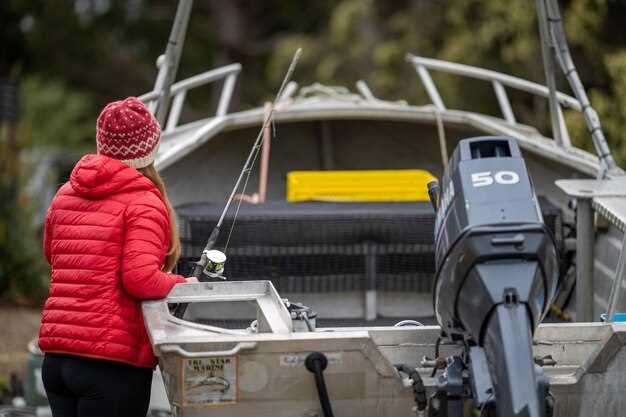
Before embarking on a new boating season, it’s essential to meticulously examine each life jacket stored on your vessel. Check for any signs of wear or damage, such as frayed straps or punctured bladders, and ensure that the floatation material is intact and functional. Local regulations may indicate specific requirements regarding the type and number of life jackets needed based on your boat size. Furthermore, verify that these jackets are appropriate for each person who will be aboard, taking into account weight and size specifications. This thorough inspection stage may include downloading a checklist to assist in checking each jacket’s condition and ensuring that all necessary components, like reflective tape and emergency whistles, are present and in good working order.
In addition to examining their physical condition, also assess the storage of your life jackets to ensure they remain dry and free from potential damage. Keeping them in a streamlined place on the docks ensures easy access in case of emergencies and allows for efficient distribution among passengers. If you find any life jackets that are past their expiration date or show cosmetic wear, consider replacing them with new models that specialize in safety features. By maintaining a systematic approach to these inspections, you can prevent any issues that may arise from malfunctioning equipment and ensure a safe and enjoyable boating experience this season.
Check Fire Extinguishers for Expiration Dates
As boating season approaches, one of the essential tasks for owners is to ensure that fire extinguishers are up-to-date. This process is a crucial part of de-winterizing your vessel, and taking the time to verify the expiration dates can significantly enhance the safety of your outings. Many boaters want to avoid any issues that could arise from using expired firefighting equipment.
When examining your fire extinguishers, start by checking the expiration date indicated on the label. Most extinguishers have a lifespan of about 5 to 15 years; thus, knowing when they were manufactured or last serviced is vital. If you find that the extinguishers are damaged or past their expiration, they need to be securely replaced before heading out on the water.
In addition to expiration dates, ensure that the extinguishers are full and properly charged. A simple visual inspection will help you determine if the needle on the gauge is in the green zone. If it shows low pressure or is damaged, it will not perform effectively during an emergency, which could pose a serious risk to vessel members.
Next, closely check the connections, hoses, and seals for any signs of wear or leaks. Even the most complex systems can be rendered useless if the smallest component is compromised. Therefore, it’s advisable to examine all components thoroughly. Ensure that all connections are tight and that nothing is obstructing the proper operation of the extinguishers.
Craftsmanship excellence is key for boat safety. For those who have updated or replaced their fire extinguishers, consider keeping a log of service dates and any replacements made. This can help you maintain a comprehensive record of all safety equipment on your vessel, making it easier to track what needs attention.
Moreover, check other essential safety equipment while you are servicing your fire extinguishers. Take a look at other compartments, including radio systems and electronic devices. Ensure that equipment like radios is operational as they can aid in emergencies. Properly functioning electronics are crucial for communication while out on the water.
Finally, remember that boating is about enjoying your time on the water, not worrying about safety issues. By taking these proactive measures to check fire extinguishers and other essential equipment, you ensure that your vessel can float smoothly and securely under all circumstances, allowing you to fully enjoy your time with clients, friends, and family.
Inspect Flares and Signaling Devices
As you prepare for the new boating season, it is essential to inspect your flares and signaling devices thoroughly. These items play a critical role in ensuring your safety while on the water and should be checked for integrity and functionality. Flares should be free from corrosion, bent ends, or any signs of damage, while signaling devices, including lights and whistles, must be tested to guarantee they work correctly. If you find any issues, replace them immediately to remain compliant with safety regulations.
Pay particular attention to the storage conditions of your flares and other signaling devices. Ensure they are kept in a dry, cool compartment away from potential heat sources that could compromise their effectiveness. Consider your cruising habits–whether you are visiting marinas or trailer launching–and always check if flares are within easy reach in case of emergencies. It’s good practice to consult with your dockmaster for any specific requirements that may apply to your boating area.
| Device | Zaměření inspekce | Replacement Frequency |
|---|---|---|
| Flares | Check for intact seals and expiry date | Every 3 years |
| Sound Signals | Functionality and full connection | As needed |
| Visual Signals | Corrosion and integrity | Every season |
In summary, take the time to check all your signaling devices as part of your spring commissioning checklist. Ensuring these key components are in perfect working order will not only enhance your safety but can also help you maintain a level of preparedness for any situation that may arise on your boating adventures. Remember, a little attention now can save you from trouble later on.
Test Emergency VHF Radio Functionality
As a boater, having a reliable communication device is essential, especially when cruising in unfamiliar waters. The emergency VHF radio serves as a lifeline, allowing you to communicate with dockmasters and other vessels in case of an emergency. To ensure your safety, make it a part of your spring commissioning checklist to test its functionality annually.
Start by inspecting the connections and power supply of your VHF radio. Look for any signs of oxidation or corrosion that could hamper performance. Ensure that wires are intact and free from wear. A solid power connection is vital for the radio to operate effectively. Without it, you risk losing your communication capabilities at a crucial moment.
Next, check the controls and settings on your VHF radio. Familiarize yourself with the various channels and ensure that you know how to switch between them smoothly. Testing the functionality of emergency channels, such as Channel 16, is particularly important. You want to make sure that in an emergency situation, you can quickly communicate your needs.
It’s wise to get a friend or family member involved in the testing process. Out on the water, you should do this from a location away from docks where interference might occur. Have them use a second VHF radio to communicate with you, which will help indicate whether yours is functioning properly. This test ensures that you and others can maintain contact over distance.
As you prepare for the season, don’t forget about the accessories and additional safety devices like flares and emergency beacons. Even if your VHF radio is in excellent working condition, it’s important to have multiple means of communication onboard. This redundancy could be the difference between safety and disaster while cruising.
In addition to checking your VHF radio, pay attention to your outboard motor. Ensure that fuel filters are clean, cooling systems are functioning, and any hoses or valves are free from leaks or kinks. A well-maintained motor is crucial for ensuring that you can get to safety if needed, so it’s essential to keep it operating properly.
Lastly, keep in mind that your VHF radio should be stored appropriately when not in use. Protect it from humidity and extreme temperatures, and ensure that it’s free from any debris or substances that could interfere with its operation. A bit of preventive maintenance today will save you headaches over the years.
In summary, testing the functionality of your emergency VHF radio is a non-complex yet essential step when preparing your boat for the new season. By giving proper attention to this critical device, along with your outboard motor and other safety gear, you’re setting yourself up for a safe and enjoyable time on the water. Make your safety checklist today, and bear in mind it’s better to be prepared than to encounter unforeseen issues later on.