


 Čeština
  English (UK)
  Русский
  العربية
  日本語
日本語  한국어
한국어  Magyar
  Türkçe
  Español
  Svenska
  Português
  Ελληνικά
  Suomi
Suomi  Nederlands
  Română
  Italiano
  Français
  Polski
  Українська
  Deutsch
  简体中文
简体中文  Slovenčina
  Smooth Sailing This Summer – Essential Boat Safety Tips">

Start with this concrete rule: every person on board must wear USCG-approved life jackets at all times. This simple step reduces drowning risk during boating and keeps you prepared for sudden turns, bumps, or weather changes.
State and local regulations vary, so check the aktualizováno following guidelines and the local weather forecast before you sail. In your state, following advisories from local authorities will keep your crew safe.
Keep jackets in a visible, reachable spot at the front of the boat so every passenger can grab one quickly. For such trips, if you shop at a mall for gear, choose white jackets that stand out in spray and help them spot safety gear fast, and make sure they fit snugly.
Provided safety kit on board must include a whistle, a throwable flotation device, and a fire extinguisher. Do quick checks before you push off from home port to confirm nothing slips na place. Keep a spare throw-line ready to drop into the water if needed.
Sun protection is a critical matter on the water: apply sunscreen with SPF 30+ at the start, reapply every two hours, and wear a hat and sunglasses. Keep sunscreen, sunglasses, and a spare bottle around the cabin so guests can grab them quickly.
Smooth Sailing This Summer: Core Boat Safety Tips; Staying Updated on Boating Safety Regulations
Use PFDs (vests) and ensure every person on board wears one before departure, whether you are docked or passing along the shoreline. Keep them within easy reach and inspect for wear; such items save lives in rough seas and provide a quick response when conditions shift. Check they meet current area guidelines and adjust as circumstances change. Ask yourself if each passenger has an appropriate size, so you can respond quickly and maintain a steady stance. Operating along the coastline or on open water becomes more manageable with the right gear. The benefit is faster reaction when conditions shift.
Stay alert to hazardous situations and keep a clear position on the water. Maintain a safe distance to prevent crashes, and use proper vessel operation: slow down, scan ahead, and communicate with other craft to reduce traffic interference and prepare for a maneuver when needed. Carry a reference for navigation aids and keep a charged mobile in a waterproof case. Bring nourishment and water for the trip and know when it’s time to head back to shore. These measures bring reductions by preventing costly incidents, and they help you stay comfortable even under bright sunlight. If something seems off, adjust course immediately. Also, avoid actions that trigger adverse outcomes.
Before any outing, check current guidelines from your regional maritime authority or the appropriate reference. Whether near a busy harbor or a quiet inlet, guidelines vary across regions; always verify the latest standards before you go. Keep a copy of core guidelines aboard and share one with the operator so everyone knows how to act during a passing or emergency. Use the reference to confirm what is allowed and what is not, and stay prepared for changes. Also, know when to call for help and how to contact nearby responders.
| Topic | Details |
|---|---|
| PFDs and gear | Ensure fit; wear on deck; keep nearby; replace worn gear |
| Vessel operation and spacing | Maintain safe distance; slow down; monitor area; plan maneuvers |
| Aids and communication | Keep navigation devices; mobile charged in waterproof case |
| Food and hydration | Pack snacks and water; plan for rest stops and fueling |
Summer Boating Safety: Practical Tips and Regulatory Updates
Always wear jackets on open water and make sure every passenger has a snug, USCG-approved life jacket, which fits snugly on the chest; check straps, test buoyancy, and replace any worn gear. Only use jackets that fit properly and are rated for each passenger, to keep safety simple during activities from swimming to boarding.
Here are the key points: a throwable device must be within reach and passengers must wear life jackets when underway; in many states a certified boating safety course is required for adults, with next renewals tied to vessel registration, ensuring safe operation.
Maintain your engine and battery connections; perform pre-trip checks and review the weather forecast for the lake or other waterways; in hot sun, limit exposure and apply sunscreen to prevent sunburn; bring water and keep hydrated; past incidents show that overconfidence leads to skipped checks, which increases risk over time; every trip requires effort from the crew to stay vigilant.
Experienced skippers keep a compact safety kit on board, including a whistle, flashlight, first-aid supplies, and a fire extinguisher; being prepared helps you handle reduced visibility or a minor medical issue without panic; whenever anchoring, place gear so it won’t pound the deck, and check lines and fenders for wear. Experienced ones know to assign tasks like lookout, coast guard radio check, and anchor watch to keep crew calm.
According to truskett, a simple pre-departure checklist helps reduce last-minute risk: verify jackets and PFDs are accessible, review weather, check bilge and engine, and confirm communications; this approach gives a practical advantage by reducing last-minute scrambles. To take safety seriously, share the checklist with all crew.
Pre-Launch Vessel Check: Inspect Hull, Engine, Fuel, and Bilge
Do a full walk-around and complete the pre-launch checklist before every outing. Equip yourself with a working flashlight and a charged phone, then inspect the hull for visible cracks, gouges, or blisters. Check the front fittings and ensure your jacket is accessible. This prep gives you the best advantage and sure footing to enjoy a safe launch.
Inspect the hull below the waterline and along the deck: look for cracks, chips, or signs of damage. Tug gently at fittings, cleats, and rails to confirm they’re secure. Clear any trash from drain plugs and scuppers, and note white oxidation on metal parts that may need attention. Each check adds confidence before you idle to the ramp.
Engine and fuel: Start by checking the engine oil level; if it’s low, top it up with the recommended grade. Inspect the fuel system for leaks, cracked hoses, and loose clamps; verify fuel is fresh and not contaminated. Confirm the battery is charged and the alternator belt is intact. If you smell fuel or notice dampness in the bilge, postpone the launch.
Bilge and safety gear: Test the bilge pump to ensure it activates when switched on; verify the drainage path is clear. Remove standing water and wipe any spills. Keep safety equipment in an accessible place: PFDs, throwables, and a fire extinguisher in good condition. Make sure the area around the front and bilge is dry, and avoid forgetting any critical items–that could cause harm.
Documentation and readiness: compile your findings, update your boat log, and share the results with another boater. Confirm you have required items on board and that your equipment is in good working order. For kentuckys water, review local rules and ensure you follow them. If you belong to a boater membership, confirm it’s paid and current. This routine reduces risk and keeps boats safe.
Life Jackets: Proper Fit, Quick Access, and Maintenance Schedule
Put on a properly fitted life jacket before leaving the dock and snug the straps. Test the fit by lifting your arms and moving; the jacket should stay in front, not ride up, and the back should remain flat against your spine. For each wearer, verify the correct size within the weight range and ensure you’re wearing the jacket correctly for a comfortable time on deck.
- Fit and wearing – For each person, choose a model in the official weight category, fasten the front, and tighten the side straps until you can’t slip a finger between the jacket and your torso. The garment should sit high on the chest with the bottom edge at the belt line, and the back should stay in its natural position. Check movement in all directions–front, back, and between shoulders–while you stand, sit, and bend.
- Quick access – Keep jackets within easy reach at the front of the boat or on a dedicated hook so you can leave in time when an emergency arises. Use bright, conspicuous colors or white trim to improve visibility, and avoid storing them under seats or behind gear. For auto-inflating models, ensure the canister is accessible and unblocked; for manual ones, confirm the inflator and oral tube are ready to use.
- Maintenance schedule – Inspect each jacket before every trip: look for torn fabric, cracked buckles, stretched straps, and waterlogged foam. Maintain a monthly check for non-inflatable PFDs and follow the manufacturer’s recommended service interval for inflatable models. Keep a simple log: date, condition, any replacements, and the next due date. If you notice wear, replace with another jacket rather than reusing compromised gear; never delay maintenance when conditions go to rough afterward.
- Regulatory and practical notes – Verify the label shows compliance with regulations and that the size, weight rating, and instructions are clear. Having a membership in a local boating club or marina safety program helps you stay current with legal requirements and recommended practices. If youre shopping at a mall or marine store, ensure the model bears a valid safety tag and the staff can confirm the device is current. When operating at night or in low visibility, attach a small, waterproof light to each jacket and keep the lights visible to others. Past incidents confirm that wearing PFDs consistently reduces risk; stay committed to safety every voyage.
On-Water Communication: Use VHF, Bring Backup Devices, and Test Distress Signals
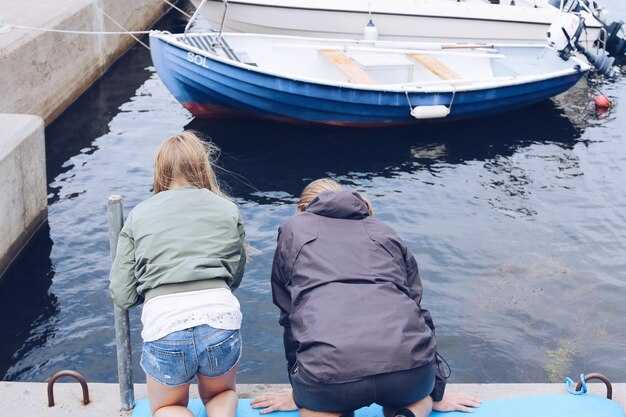
Power up your VHF before getting underway and perform a quick test on channel 16 with a shore contact; youre on the next leg, switch to a backup channel to confirm reception on that course.
Bring backup devices: a waterproof handheld radio, a fully charged spare battery, and a weatherproof phone with offline maps. Store them in a dry bag and wear a life jacket so youre ready if you must move quickly.
Test distress signals: rehearse a MAYDAY on VHF, confirm DSC alert transmits, and verify coordinates appear on the display. Even on inland routes near a farm, ensure responders can reach you without delay.
Přiřaďte role a kontroly: určení jedné osoby pro monitorování rádia, druhé pro sledování počasí a světel a třetí pro správu manuálních signálů a ovládání davu. Sestavte krátký palubní zdroj postupů a udržujte ho aktuální.
Děti a oběti: zajistěte, aby děti měly po ruce záchranné vesty za všech okolností, držely ruce mimo navijáky a procvičovaly si rychlé záchranné simulace, abyste je v případě nouze mohli rychle lokalizovat. To snižuje riziko smrti v nejhorším možném scénáři na vodě.
Předpisy a označení: dodržujte místní předpisy pro používání radiostanice, označte název plavidla a kontaktní číslo na trupu a uložte nouzová čísla na jasně označeném místě. Po provedení kontrol je pravděpodobnější, že obdržíte včasné odpovědi od okolních plavidel a úřadů a v případě potřeby se můžete odvolat na zdroj.
Počasí a plánování navigace: Zkontrolujte předpovědi, příliv a odliv a bezpečné trasy
Před odjezdem si zkontrolujte předpověď počasí a příliv, a zvolte konzervativní trasu, která vás udrží blízko pobřeží, dokud se podmínky nezstabilizují. Tento předběžný krok vás chrání před překvapeními a posiluje váš plán na daný den.
Konzultujte více zdrojů pro tipy: předpověď počasí pro lodní dopravu od Národní meteorologické služby, místní mapy odlivu a živé aplikace větru na vašem telefonu. Porovnávejte časy, směr větru a výšku vln pro následujících 6 až 12 hodin, abyste potvrdili svou trasu pro plavbu lodí.
Naplánujte dvě trasy: primární cestu po otevřené vodě podél pobřeží s jasnými bóji a bezpečnou pobřežní alternativu podél zátok nebo řek. Mít možnosti vám pomáhá vyhnout se zvyšování rizika, když se počasí změní a vítr zesílí.
Znáte příliv a odliv pro váš segment otevřeného pobřeží; naplánujte si jízdu při vyšší nebo nižší hladině vody a vyhněte se mělkému písčitému břehu. Zkontrolujte tabulky přílivu a odlivu minimálně 12 hodin dopředu, poté je znovu zkontrolujte v poledne, zejména když začínají sílit silné větry.
Nutnost: bundy, záchranné vesty, plovoucí prostředek pro vyrovnání těžiště na palubě, signalizační vybavení, nouzový maják a rakety. Zkontrolujte záchranné vesty, zda nejsou opotřebované, ujistěte se, že zádržné pomůcky pojmou všechny cestující, a udržujte plovoucí prostředek a signalizační zařízení na snadno dostupném místě.
Signalizační zařízení by měla být testována a udržována v dostupnosti; mít bateriový, vodotěsný telefon vám pomůže rychle zavolat o pomoc. Používejte otevřené kanály k varování nedalekých plavidel, pokud se podmínky zhorší; pokud jsou k dispozici, mějte s sebou VHF rádio.
Chraňte se před slunečními paprsky nošením klobouku a slunečních brýlí; buďte ostražití ohledně aktivity ryb v blízkosti boku, což může naznačovat návnadu nebo měnící se proudy vpředu. Zpomalte v mělčinách a udržujte bezpečnou vzdálenost od divoké zvěře a dalších lodí.
Při plavbě po jezerech v Kentucky nebo podél řeky Ohio dodržujte pravidla pro otevřené vody a místní předpisy. Respektujte stanovené limity rychlosti a zóny bez vln a zkontrolujte místa přístupu na zemědělské pozemky a omezení stanovišť, která mohou ovlivnit operace u břehu.
Plánujte trasy, které minimalizují spotřebu paliva: plynulé rychlosti, vyhýbání se zbytečnému volnoběhu a stálý postup ušetří peníze a sníží emise. Omezujte spotřebu paliva tím, že se zaměříte na efektivní vzory pro vaši cestu.
Přípravou se chráníte před překvapeními, udržujete si jistotu pozice a zajišťujete pohodlí a bezpečnost všech osob na palubě. Tento přístup vám pomáhá si užívat plavbu bez námahy a s jistotou.
Zůstaňte v obraze ohledně pravidel: Požadavky na licence, vybavení a registraci
Předtím, než vyrazíte na vodu, zkontrolujte licenční, registrační a požadavky na vybavení; tento jednoduchý krok vám ušetří spoustu času a udrží vás v bezpečí na jezerech, řekách a pobřežních vodách.
Pravidla licencí se liší podle lokality. Na mnoha místech musí operátoři absolvovat certifikovaný kurz bezpečnosti plavby, aby mohli zákonně řídit plavidlo; obdrží certifikát a musí ho nosit během kontrol nebo když je zastaví orgány činné v trestním řízení. Pokud plujete po jezerech nebo pobřežních vodách, ověřte si přesné předpisy pro vaši oblast a pro ty doby, kdy plánujete plout.
Vybavte loď kompletně: záchrannou vestu pro každou osobu, uloženou na místě, kam se dá rychle dosáhnout; přidejte plovoucí prostředek, roh nebo píšťalku a vizuální nouzové signály, jako jsou rakety pro den i noc. Sbalte si výkonnou svítilnu, náhradní baterie, lékárničku a vodotěsný obal pro mapy a licenci. Uložte vybavení do předního schránky nebo pod sedadla, abyste se v drsných vodách nezbachobrhali. Chraňte si pokožku před slunečními paprsky pomocí opalovacího krému, klobouků a lehkého oblečení; vezměte si dostatek vody, abyste se na dlouhých cestách hydratovali. Ujistěte se také, že vaše vodní vybavení je připraveno a že před vypuštěním provedete kontroly platnosti.
Přiřaďte pozorovateli úkol skenovat vodu před námi a sledovat lodě a případná nebezpečí; udržujte lidi mimo vaši cestu při plavbě a soustřeďte se na bezpečnou obsluhu. Udržujte palubu volnou, aby byly vaše ruce volné pro řízení a kontroly; sledujte aktualizace o větru a počasí a buďte připraveni upravit rychlost nebo se přesunout do úkrytu, pokud se podmínky zhorší. Pokud někdo spadne do vody, mějte k dispozici záchrannou lano a sledujte bezpečnou plaveckou oblast; mějte plán, který chrání všechny na palubě a předchází panice.
Zobrazte registrační čísla na trupu a udržujte aktuální nálepky; mějte doklady v nepromokavém pouzdře na palubě. Proveďte předcestní kontroly a obnovte registrace podle potřeby; v případě pozdního updatu nebo změny vlastnictví aktualizujte záznamy později, abyste zůstali v souladu.
S licencí v pořádku, správným vybavením a aktuální registrací budete mít bezpečnější a plynulejší den na vodě a ušetříte si stres, když se změní směr větru nebo se něco pokazí. Pozorně sledujte okolí, jednejte proaktivně a vaše plavba bude pokračovat podle plánu.