


 Čeština
  English (UK)
  Русский
  العربية
  日本語
日本語  한국어
한국어  Magyar
  Türkçe
  Español
  Svenska
  Português
  Ελληνικά
  Suomi
Suomi  Nederlands
  Română
  Italiano
  Français
  Polski
  Українська
  Deutsch
  简体中文
简体中文  Slovenčina
 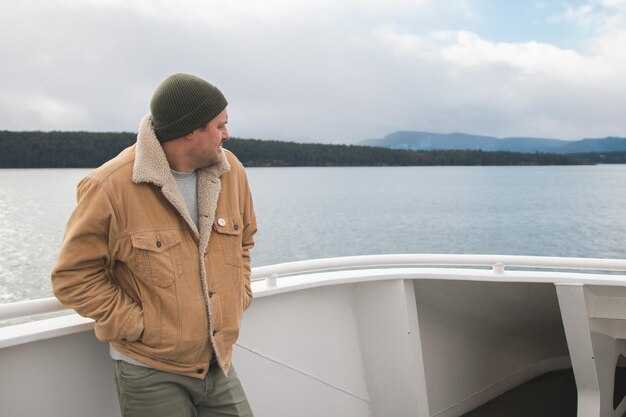 Sailing in Cold Weather – Essential Safety Tips for Winter Sailing">

Check antifreeze levels and verify the engine cooling system before you cast off. Cold starts stress hoses and clamps, so inspect for cracks and ensure flushing ports are clear. Keep a bottle of antifreeze at the ready in the shop and top up if needed; this prevents overheating and keeps the cooling loop reliable on longer legs.
Dress in layered, windproof gear and secure all cords on deck. Tape over snag-prone ends of lines and halyards to avoid fouling in spray. Prepare a compact safety kit with a dry bag, spare gloves, and a headlamp; involve anyone aboard and assign roles so youth on board feel included. If you have jackson or troy aboard, rotate tasks to keep attention sharp, especially during watches.
Weather awareness saves lives: monitor wind shifts and gusts, and plan to reef early or bear away to maintain control. Trim sails smoothly, keep sheets and halyards taut but not over-tensioned, and avoid sudden maneuvers. A small comfort routine–sipping tea, moving to warmer clothes, and staying hydrated–delights the crew and keeps morale steady in cold air. Keep a line of sight over the deck to watch wind shifts.
Electrical and engine checks matter in winter: test the battery, confirm that the bilge pump runs, and verify that flushing drains do not clog. Carry spare fuses and a taped spare connector so you can fix a loose lead quickly. If fuel gel or water forms, switch to a winter blend and keep the tank above one-quarter full to reduce condensation around the engine.
Plan shore-based contingencies for a single event or a closed harbor leg. Maintain a clear float plan, share it with a friend on shore, and keep a whistle and flashlight at hand. Include a short list of landmarks and a simple route around the coastline; this benefit keeps everyone calmer when seas turn gray.
Winter Sailing Safety Guide
Always start with a tight polypropylene base layer shirt and a windproof outer shell before stepping on deck; this winterizing approach keeps heat in, dries quickly after spray, and lowers frost risk across cooler days on the water.
Dress in layers that breathe and shed moisture. Avoid cotton next to skin, pack a towel for quick drying, and keep a covered hat or balaclava handy for sudden gusts from the west. For warmth, choose a mid-layer that traps air but still moves with you, then seal the outer shell to block wind and spray.
Gear matters as much as clothing. Wear a properly fitted life jacket, add a tether or harness when moving between the cockpit and side decks, and clip to jack lines if available. Pack spare gloves and a dry shirt for later, plus a compact blanket or emergency bivy in your ditch bag. Polypropylene layers work well in damp conditions, and a dry change of clothes keeps warmth levels up between tasks.
Onboard prep supports safe sailing in frost and frozen mornings. Winterize the engine and fuel system, test bilge drains, and clear any residual water from drains to prevent freeze-up. Check hatches, scuppers, and the locker tops for ice, then keep a damp rag handy for wiping fog from glasses and instruments. If temperatures drop, run the de-ice plan across all critical fittings so things stay covered and responsive rather than jammed.
When planning a trip, confirm local forecasts and ice risk before you depart. Track wind shifts, as a west wind can push spray and spray can freeze on railings, decks, and fittings. Between maneuvers, stay mindful of frost buildup on shrouds and stanchions, and keep a surface towel within reach to dry hands or wipe condensation. Never hesitate to shorten the outing if visibility or footing worsens; your crew’s safety is the priority and that pause can prevent a domino effect of problems later.
| Level | Typical Conditions | Key Actions | Required Gear |
|---|---|---|---|
| Low | Cooler but clear skies, light breeze | Check forecast, verify drains are clear, confirm PFD fits | Base layer (polypropylene), wind shell, dry towel, spare shirt |
| Medium | Spray, intermittent spray, cooler temps | Tether when moving, inspect ice points, monitor frost buildup | Hardshell gloves, extra base layers, head cover, harness/lines |
| High | Storm warnings, persistent frost, strong gusts | Abort or seek sheltered harbor, reduce sail area, reduce speed | Full survival gear, spare batteries, thermal blanket, emergency beacon |
Sailing in Cold Weather: Safety Tips for Winter Sailing; – Antifreeze Steps

Drain potable-water lines and fill them with a propylene glycol–based antifreeze to protect the system from frost.
There are several steps to complete the winterization of your boat’s plumbing and engine cooling, with a practical, on-deck approach.
- Antifreeze selection: Use a non-toxic propylene glycol-based antifreeze labeled for potable-water systems; verify potable compatibility; compare prices from several brands; if a local shop lists iachino, check compatibility; keep a spare jug under the sink for quick access.
- Drain and flush potable-water lines: Turn off the freshwater pump; open all taps to drain; flush lines as you fill them with antifreeze so every route (galley, head, and marine toilet) contains antifreeze; seal valves after completion.
- Engine and bilge winterization: For inboard or outboard cooling, follow the manufacturer’s guidance; run antifreeze through the cooling loop until it appears at the exhaust; verify there are no air pockets; avoid movement of hoses while the system is draining.
- Sealing and insulation: Inspect insulation around exposed pipes under the sink and in the engine room; add foam sleeves and bulkhead insulation; seal openings with marine sealant to reduce drafts and condensation.
- Window and vent management: Use insulating window covers or weather-stripping on hatches; keep vents clear to prevent moisture buildup; ensure a safe airflow to avoid CO buildup when heaters are in use (carbon detectors help monitor levels).
- Weight and movement control: Secure bulky gear and lines to prevent shifting; maintain consistent weight distribution to minimize movement during rough water or gusts.
- Budget and procurement awareness: Prices for antifreeze and sealants vary; plan ahead and avoid last-minute rushes in cold weather; consider inexpensive, compatible options (cheap upgrades can help without compromising safety) and check if iachino-brand items are appropriate for your system.
- Testing and verification: After winterization, run taps to confirm antifreeze presence in each line (including the head); inspect for leaks and frost in cabinets or bilge areas; perform a final check under the deck and around through-hulls before storing for the season.
Finding a consistent routine that includes hows to handle common issues takes a few minutes but provides reliable protection for their crew and gear. Wearing weather-appropriate layers and gloves keeps you comfortable while you take on the task, and several insulation upgrades can reduce frost risk without heavy costs. If gaps are spotted, sealing them now saves trouble later, and keeping an eye on prices helps you stay within budget while maintaining safe, frost-free sailing conditions.
Pre-Sail Cold Weather Prep: Gear, Weather, and Route
Wear a three-layer system: moisture-wicking base, insulating mid-layer, and a windproof outer shell. Ensure suits fit perfectly and allow full movement; keep fingers warm with insulated gloves that still offer dexterity. Seal hatches and vents before departure to prevent spray from soaking the cabin; pack a spare hat and warm socks. Carry a small dry bag with emergency warmth for quick relief if wind surges. For soft cotton, swap it for wool or synthetic next to skin to avoid chill when damp. Adjust layers as temperatures shift and winds pick up, so you stay balanced and free to move. Here, start with a clear baseline before you leave shore. Layering gives you freedom to adjust on the fly.
Engine and fuel: Start the day by checking oil, coolant, and battery; run the engine for 5–10 minutes in a sheltered area to verify starts. Inspect fuel lines, valves, and vents for cracks or frost. Use ethanol-blend fuel wisely; if storage will exceed a week, add a stabilizer and rotate stock so you do not end up with stale fuel. Store fuel in approved containers; carry a spare can for longer hops. In cold temps, a sluggish start can happen; preheat the engine or park in a warm spot to prevent you from lose power. This reduces the chance you will lose power at a critical moment.
Weather checks: Before each leg, consult three trusted sources; track wind direction, gusts, visibility, precipitation, and temperatures. Watch for spray on exposed coastlines and the threat of ice; a strong cold front can bring sudden shifts. Keep a counter of alerts and note when a front signals deteriorating conditions. Use a route that stays in sheltered water if you notice signs of a developing storm, especially near a mountain barrier. Kayaking crews use the same prep, so this approach fits mixed boats too. Until forecast improvement, stay near shore and monitor changes closely.
Route planning: Plot three option paths that stay in sheltered waters until weather eases. Use charts to mark wind funnels, current speeds, and potential ice along the shoreline. Do a counter-check of gear and fuel; ensure you can huddle in a cove if a squall hits. If you sail with kayaking friends, coordinate to keep within visibility and hand signals. Even if conditions shift, keep a steady pace and avoid long exposure on an exposed spot. Remember to check the forecast and maintain a margin for error until you reach a safe harbor.
Antifreeze Steps for Marine Engine Cooling: Selection, Mixture, and Safety Checks
Step 1: Selection. There are newer marine-grade formulas using propylene glycol or ethylene glycol with a durable corrosion inhibitor package designed for aluminum engines in a closed-loop system. Read the titles on the bottle to confirm marine approval and avoid ethanol-based mixes, which can degrade seals. Choose a mix there that provides protection down to the degrees you expect, and note that insulation around hoses helps keep heat loss to a limited level in a cold engine bay. If you’re shopping during a sale, compare the biggest packs to save money, and include a taped seal kit for field service. Pick the type that fits your tank expansion and valve layout; this should also align with your engine size, pump pressure, and replacement seals. A well-chosen coolant adds confidence on long trips and sets you up for smoother maintenance. There are there moments when this decision makes life easier on the boat, so take your time and choose wisely.
Step 2: Mixture and fill. For most setups, mix 50% antifreeze with distilled water for protection down to about -30 to -40 degrees Fahrenheit; for colder regions, lean toward 60/40 or 70/30 depending on the climate. Verify the ratio in the manual specific to your engine and expansion tank; do not exceed the system’s tolerance. Use a clean container to avoid contamination and avoid letting dirt into the tank. When filling, let the pump push the blend through the loop, letting air escape from the highest point. Fill until the level reaches the expansion tank indicator and you can see the coolant circulating through the reservoir. If you need to purge air, follow the bleed screws on the thermostat housing and near the fill neck; a good purge prevents pressure spikes later. Tank, sealing, and hose seals should be checked; taped connections help keep lines covered during service. This effort saves time later and helps you avoid a stressed starter on cold mornings. Beware ethanol-based products; check the label and opt for a non-ethanol option when possible. There are several things to consider, including buying quantities, the sale price, and the new latest product line. If room is tight on the left side of the engine, use a compact reservoir to simplify the job.
Step 3: Safety checks and testing. Bleed the system at the highest point to purge air, monitor pressure with the gauge, and inspect for leaks around hoses, seals, and valves. Have a stable seat or stand in the engine bay and wear wetsuits and gloves in cold conditions. For women on board, ensure proper gloves and warm footwear to stay comfortable during service. Check the expansion tank level after a short idle run; if the level drops, top up through the fill neck and recheck for leaks. Inspect the radiator or heat exchanger and ensure the seal around the tank cap is tight. Log the procedure in your boat’s checklist, including the date, outside temperature, mixture ratio, and any issues; this creates a feeling of control and reduces the risk of missing a step. If anything escapes into the bilge or you hear a hiss, stop and fix before continuing. The biggest risk in cold weather is a frozen line or a failed seal; address these promptly with the right replacement valves or seals. This approach keeps your engine safe, saves you from costly downtime, and lets you sail with more confidence during winter.
Frost Prevention on Deck and Hull: Anti-Slip Surfaces, Insulation, and Heating
Install a grit-infused anti-slip deck coating with a thickness of 2–3 mm. This keeps traction when rain or spray blows across the banks and lines above the deck. Add non-slip tapes at hatches and along rail edges to maintain protection when the surface is wet. Inspect wear after every watch and replace worn panels promptly to maintain grip safely.
Apply a duofold insulation approach: insulate the hull plus deck and cabin bulkheads. Use closed-cell spray foam or rigid foam with a moisture barrier. Aim for thickness 40–60 mm in exposed areas and 20–30 mm elsewhere. This reduces heat loss, helps temps stay more stable, and slows condensation on cold surfaces. Seal gaps around doors and vents to direct the flow of warm air, and check for moisture intrusion after heavy rain or wind events.
Choose a heating plan with redundancy and clear safety steps. A compact electric heater provides steady warmth in cabins, while a diesel-fired unit with a marine-rated vent offers robust heat for harsher days. Use a diverter to push heat to sleeping areas first, then to the cockpit or common spaces, and keep exhaust lines away from living areas. Ensure fuel lines and antifreeze circuits are protected, carry fuel in approved containers, and test detectors before departure. If temps vary, adjust heat sources to maintain comfort without overloading systems. Heres a simple checklist: check detectors, ventilate regularly, and verify the system is ready for the next event on the water. Whether you’re steaming toward banks or riding into gusts, this approach protects crew, equipment, and morale and helps the community sail safely through cold weather.
Winter Clothing and Personal Safety Gear: Layers, PFDs, and Visibility
Adopt a three-layer system: base, mid, and outer shell. This setup keeps warmth steady on lakes and during spring to winter sessions, while preserving smooth rigging and quick moves on deck. Choose suits that fit freely, shed spray, and allow full range of motion. Verify zippers and seams before each session to prevent leaks and fatigue.
- Základní vrstva: vyberte triko s dlouhým rukávem z merino vlny nebo syntetiky a legíny; vyhýbejte se bavlně; cílem by mělo být 150–250 g/m2 pro efektivní odvod vlhkosti a rychlé schnutí. Doplňte o Zeeb ponožky pro teplo a přilnavost a kombinujte s podložkami na rukavice pro ochranu prstů při manipulaci.
- Střední vrstva: bunda z fleecu nebo mikrofleecu o hmotnosti přibližně 200–300 g/m2; zadržuje teplo bez objemu a dobře prodyšně. Tato jednoduchá vrstva by měla odvádět teplo při sprintu závodním okruhem s poryvy větru, a přesto zůstat v teple v klidných obdobích.
- Vnější vrstva: nepromokavá, prodyšná bunda a kalhoty se zalepenými švy; nastavitelná kapuce a manžety zabraňují vnikání stříkající vody; zvolte zářivé barvy, abyste zvýšili viditelnost za slabého světla nebo v přeplněných cyklostezkách na vodě.
- Obuv a ruce: izolované, nepromokavé boty s protiskluzovou podrážkou; pro extra teplo v chladných dnech přidejte neoprenové návleky. Rukavice by měly kombinovat teplo a obratnost; zvažte tenkou vložku pod nepromokavou vnější vrstvu, abyste udrželi prsty hbité při nastavování.
- PFD a záchranné šňůry: Noste schválenou záchrannou vestu USCG (typ II nebo typ III), která dobře padne s nastavitelnými popruhy, má sytě barevné provedení a reflexní panely. Připněte píšťalku a kompaktní světlo pro slabé osvětlení. Pro pobřežní nebo přeplněné závodní sestavy ji kombinujte s postrojem a bočními šňůrami; noste náhradní šňůry a zkontrolujte uzly před startem.
- Viditelnost a signalizace: Týmová vysoce viditelná bunda s reflexními pásky na záchranné vestě; noste vodotěsnou čelovku a signalizační zrcadlo nebo kompaktní zábleskovku, pokud to dovolují místní předpisy; buďte připraveni zavolat o pomoc, pokud je to potřeba během plavby nebo cvičení.
- Údržba a trénink: po každém výletu důkladně vysušte vybavení a skladujte ho v suchém pytli; vyměňte opotřebované šňůry nebo poškované PFD; čtěte bezpečnostní pokyny místního klubu a manuály používané plavci a windsurfisty po celém světě, abyste byli v obraze s osvědčenými postupy.
Dokud se podmínky nezklidní, radosti ze zimního plachtění pocházejí z rozsáhlé klubové sítě, solidního plánování a vybavení, které vás udrží v teple, v suchu a viditelné na vodě. Skutečné, jednoduché nastavení podporuje každý závod a každou dlouhou seanci, čímž posiluje sebedůvěru plavců, kteří čtou vítr a respektují chlad.
Winter Emergencies: Cold-Water Rescue, Hypothermia Response, and Signaling
Hoď lano a přibliž se z proti větru, vytáhni zraněného na palubu a do bezpečeného sedadla. Udržuj hlavu mimo dosah vln, přesuň se ke spodní části kokpitu a zajisti osobu ve stabilní poloze, zatímco člen posádky stabilizuje loď. Použij odolné lano, koordinuj se s kormidelníkem, aby si udržel kontrolu, a pracuj rychle, ale klidně, aby se minimalizovala expozice a pečuj o pacienta od okamžiku kontaktu až po zotavení.
V poloviční zimních podmínkách riziko podchlazení rychle stoupá. Odstraňte mokré oděvy a nahraďte je suchými neoprenovými obleky nebo větruodolnými vrstvami, poté zakryjte trup, krk a hlavu suchými přikrývkami nebo ručníky. Pokud je osoba při vědomí, nabídněte malé doušky teplé pitné tekutiny; vyhněte se alkoholu nebo velmi horkým nápojům, které mohou destabilizovat teplotu. Sledujte třes, zmatenost nebo zpomalené dýchání a udržujte zraněného v leže s mírně zvednutým trupem, zatímco voláte o lékařskou pomoc. Pokud máte na palubě nádržku s pitnou vodou, určete ji k pití až poté, co bezprostřední nebezpečí pomine.
Signalizace musí být rozhodná a jednoduchá. Použijte VHF kanál 16 k upozornění záchranných služeb, přepněte na kanál 70 pro přímou koordinaci a mějte píšťalku na snadno dostupném místě. Pokud jste v blízkosti břehů nebo pobřeží, použijte vlajky nebo jasný signál k rozšíření pozornosti přes vodu. Instalace reflexních pásek na vybavení a udržování baterky připravené prodlouží viditelnost za úsvitu nebo soumraku. Ať už jste u fuerteventury nebo vnitrozemí na jezerech, udržujte johanne a posádku zarovnané, aby námořník na břehu mohl rychle zamknout vaši pozici.
Příprava se vyplatí, proto si procvičte cvičení ve studené vodě s praktickými kroky. Uložte na palubu větruodolné a odolné vybavení, včetně neoprenů, připravené záchranné lano a nádržku na pitnou vodu a základní čisticí prostředky. Nakoupené vylepšení by se mělo zaměřit na snadnější přístup k záchranným zařízením – instalaci vylepšeného vybavení, které zvyšuje dosah. V polovině zimy může riziko mírně stoupnout, ale s klidnou a promyšlenou prací můžete zůstat bezpečnější, ať už plujete pobřežními trasami nebo napříč rozlehlými jezery se zaměřením námořníka.