


 Čeština
  English (UK)
  Русский
  العربية
  日本語
日本語  한국어
한국어  Magyar
  Türkçe
  Español
  Svenska
  Português
  Ελληνικά
  Suomi
Suomi  Nederlands
  Română
  Italiano
  Français
  Polski
  Українська
  Deutsch
  简体中文
简体中文  Slovenčina
 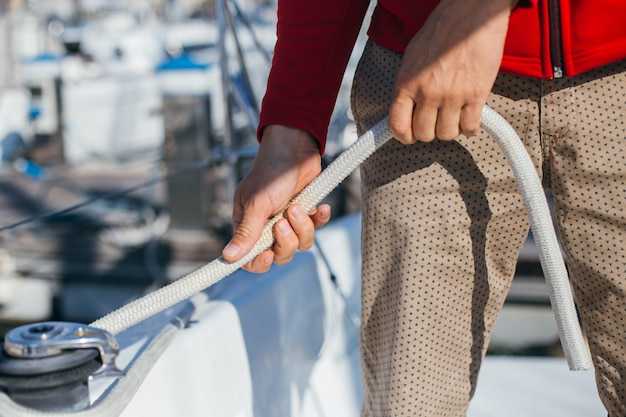 Right of Way Rules on Water – A Practical Guide for Boaters">

Vždy ustupte, pokud si nejste jisti, a zpomalte na bezpečnou rychlost; zastavení může být nejbezpečnější možností, poté znovu zhodnoťte průjezd. Ve vodě jsou pravidla přednosti navržena tak, aby předcházela kolizím a zajistila bezpečnost pro všechny na palubě. Udržujte si známou bezpečnou vzdálenost a buďte připraveni změnit kurz, pokud vás jiný člun nemusí vidět.
Znejte základní pravidla a udržujte kontakt s ostatními plavidly. Na jezerech a v klidných zátokách musí motorová plavidla obvykle dát přednost plavidlům bez motoru; v noci dodržujte lights viditelné a sledovat ostatní plavidla. Být familiar díky těmto povinnostem se snižuje riziko a zajišťuje se bezpečnost všech.
V praxi si všímejte běžných situací: křížení dráhy s loděmi z pravoboku, setkávání s přibližujícími se plavidly nebo plavba v blízkosti bagrovacích prací, které mohou probíhat podél kanálu. Když uvidíte světla vpředu nebo na protějším plavidle, zpomalte a připravte se na provedení kontrolovaného manévr dát přednost. Pokud si nejste jisti, raději zpomalte až do zastavení, než abyste riskovali doing nebezpečného průsmyku.
Mějte bezpečnostní vybavení vaší lodi připravené, abyste se vyhnuli náhlým změnám. Vždy buďte aware okolí: jiné lodě mohou rybařit, táhnout něco nebo provádět bagrovací práce, takže včas upravte kurz. Pokud jste stopping, dejte ostatním vědět postupným snižováním rychlosti a zvukovými signály, poté pokračujte doing kontrolovaný manévr pouze když je cesta volná. Máte čas ověřit, zda se v lakes nebo v blízkosti lodí, než budete pokračovat.
Being aware a engaged z bezpečnost učiní zvyk. Mějte jednoduchý kontrolní seznam: znát přednost v jízdě, zajistěte správné osvětlení pro noční běhy a buďte připraveni změnit plán, pokud se v oblasti objeví jiné plavidlo nebo se sníží viditelnost. Pamatujte, že udržení předvídatelnosti s jasným manévr a rozhodování o zastavení chrání všechny na vodě a zachovává pocit bezpečí pro všechny.
Odpovědnosti operátora
Vždycky včas sdělte svoje úmysly a udržujte se v předvídatelné pozici vůči ostatním.
Rychlost má zásadní význam: zpomalte co nejrychleji, když se objeví možnost křížení; to zvyšuje viditelnost a dává druhému plavidlu čas reagovat. Plavidla určená pro použití na otevřené vodě mohou být shovívavá, ale nemůžete se na to spoléhat – ujistěte se, že své chování přizpůsobujete danému okamžiku.
Základy zahrnují znalost předpisů, obeznámenost s běžnými signály a rozpoznání toho, co je za daných podmínek považováno za bezpečné. Vaše rozhodnutí by mělo být jasné a promyšlené, nikoli uspěchané, aby byla zajištěna bezpečnost všech na palubě.
Vy a vaše posádka musíte neustále sledovat změny v provozu, větru nebo proudu a podle potřeby upravovat pozici a rychlost, abyste udrželi odstup. Tato disciplína snižuje riziko a podporuje předvídatelné manévrování.
Je toho hodně co se učit, a soustavný trénink vás udrží připravené.
| Aspect | Action | Rationale |
|---|---|---|
| Pozice a linie | Udržujte svou loď v předvídatelné pozici podél zamýšlené trasy; udržujte jasný výhled a při křížení cest udržujte dostatečný prostor pro průjezd. | Předvídatelné čáry a pozice snižují počet chybných odečtů a zabraňují incidentům zblízka. |
| Obcházení návětrné strany | Pokud je to bezpečné, předjeďte druhou loď na návětrné straně; ujistěte se, že máte dostatek prostoru, abyste se vyhnuli vlnám. | Předjíždění návětrnou stranou minimalizuje interakci s vlnami a je v souladu s převládajícími bezpečnostními očekáváními. |
| Základy regulací | Znejte předpisy, buďte obeznámeni se změnami a zajistěte, aby úřady považovaly vaše činy za souladné. | Dodržování předpisů chrání vás i ostatní; změny mohou posunout osvědčené postupy. |
| Komunikace a chování | Jasně sdělujte své záměry, používejte viditelné nebo slyšitelné signály a pohybujte se ohleduplně; to, co děláte, dodává ostatním jistotu. | Jasná komunikace buduje důvěru a snižuje riziko. |
| Bezpečnost a možnost | Udržujte bezpečnou vzdálenost; nemůžete spoléhat na to, že vám ostatní uvolní cestu; buďte připraveni rychle reagovat. | Tento přístup chrání bezpečnost a snižuje pravděpodobnost kolize. |
Určete role plavidla, které má přednost, a plavidla, které dává přednost, při situacích, kdy se plavidla plaví proti sobě, křižují se a předjíždějí se
Doporučení: Při čelním střetu změní obě plavidla kurz doprava a minou se levobokem; neexistuje zde role plavidla, které má přednost. Udržujte řádnou vizuální hlídku a stabilní, plynulou zatáčku; manévr ovlivňuje čas, proud a moře. Pokud dojde k driftování, otáčejte volantem pomalu, namísto prudkých korekcí. Všichni na palubě by měli znát základy a související odpovědnosti a dodržovat požadavky na zabránění srážkám, které se projevují včasnými, předvídatelnými akcemi.
Křížení vyžaduje včasná rozhodnutí: plavidlo, které má dát přednost, je to, které má jiné plavidlo po své pravoboku. Pokud jste plavidlo po pravoboku druhého plavidla, zpomalte nebo upravte kurz tak, abyste propluli za ním, zatímco plavidlo, které má přednost, drží svůj kurz a rychlost, pokud se riziko nezvýší. Seznamte se s rozdíly ve velikosti a rychlosti a zohledněte proud a vítr. V kanadských vodách platí stejná pravidla napříč moři a kanály, s ohledem na místní dopravní vzorce a praktickou realitu smíšených flotil.
Předjíždění vyžaduje jasné oddělení: předjíždějící plavidlo se musí držet v dostatečné vzdálenosti od předjížděného plavidla a může jej míjet z kterékoli strany, pokud nezkříží dráhu druhé lodi. Předjížděné plavidlo je plavidlo, které má přednost, a mělo by udržovat svůj kurz a rychlost, dokud předjíždějící plavidlo neopustí oblast. Počítejte s velkými vlnami a rizikem unášení a nenechte se příliš rychle dotáhnout. Čas, vzdálenost a relativní velikost taženého nebo motorizovaného plavidla jsou důležité zejména tehdy, když vlna od plachetnice interaguje s motory.
Praktické kroky, které můžete podniknout: před odjezdem si zopakujte základy a povinnosti a potvrďte si jednoduchý plán pro každý scénář. Udržujte sítě na VHF pro koordinaci s okolními plavidly při hustém provozu a jasně oznamujte své úmysly, abyste snížili nejednoznačnost. Používejte správné úpravy rychlosti a postupné změny kurzu, abyste minimalizovali překvapivé manévry; období snížené viditelnosti vyžadují sníženou rychlost, zvýšené hlídky a větší odstup. Ve všech případech se seznamte se souborem pravidel a procvičujte si konkrétní reakce na situace, kdy se plavidla pohybují proti sobě, kříží se nebo se předjíždějí.
Závěrem: pochopení rolí plavidla, které má přednost, oproti plavidlu, které musí dát přednost, pomáhá všem správně reagovat za různých okolností a snižuje kolize na mořích, kde se vyskytuje motorový i plachetní provoz. Důsledně dodržujte tyto požadavky, v případě potřeby udržujte široký odstup a dávejte přednost plavidlu, které má přednost, přičemž buďte připraveni se přizpůsobit proudu, času a větru. Tento přístup slouží všem na palubě a může zvýšit bezpečnost v kanadských vodách i mimo ně, kdekoli jsou moře rozlehlá a podmínky se mění s časem a velikostí.
Dodržujte bezpečné vzdálenosti a provádějte předvídatelné úhybné manévry

Udržujte bezpečnou vzdálenost od křižujících plavidel a včas volte předvídatelné vyhýbací manévry.
Používejte tyto postupy při setkávání, křížení a předjíždění. Používejte signály ke sdělování záměrů, všímejte si tvarů blížících se plavidel a zůstávejte ve známých kanálech a trasách. Pokud máte pochybnosti o záměru jiného plavidla, snižte rychlost a zvětšete odstup. Pokud je aktivní vlečná výbava, ponechte si větší prostor, abyste se vyhnuli zamotání. Dodržujte mezinárodní pravidla a místní požadavky, které upravují vodní plochu, na které se nacházíte, abyste zajistili větší bezpečnost všech na palubě.
- Setkání na kolizním kurzu: snižte rychlost, stočte se do širokého úhlu, který otevírá prostor mezi vámi a nimi, a pomocí signálů naznačte svůj zamýšlený manévr. V případě potřeby proveďte kontrolovanou obrat, abyste propluli po návětrné straně s dostatečnou rezervou, a ujistěte se, že jim nekřížíte cestu.
- Předjížděn: udržujte kurz a rychlost; umožněte předjíždějícímu plavidlu bezpečný průjezd. Nezrychlujte ani nenajíždějte do jeho dráhy. Pokud operujete ve zúženém kanálu, postupně se přizpůsobte, abyste udrželi pohodlný odstup mezi oběma plavidly.
- Křižovatkové situace: identifikujte dráhu druhého plavidla a včas se přizpůsobte. Buď změňte kurz doprava, nebo snižte rychlost, abyste vytvořili bezpečnou mezeru; používejte široký úhel přiblížení, abyste se vyhnuli těsnému sevření a zajistili předvídatelnost svého manévru.
- Signály a komunikace: spoléhejte se na jasné denní tvary, světla a zvukové signály pro vyjádření záměru. Pokud je viditelnost omezena, zavolejte na vhodném mezinárodním kanálu a před pokračováním potvrďte vzájemné porozumění.
- Komerční provoz a plavební dráhy: ponechte si větší prostor, pokud se nacházíte poblíž drah používaných komerčními plavidly. Uvědomte si, že komerční provozovatelé mohou mít omezenou manévrovatelnost; v případě potřeby je nechte proplout po návětrné straně a snažte se, aby vaše vlastní akce byly snadno předvídatelné.
- Uvědomění a plánování: sledujte trasy, po kterých se pohybujete, a potenciální místa setkání s jinými plavidly. Dlouho dopředu plánujte halsy a rychlost, aby posádka věděla, co děláte, a bez pochybností se řídila vašimi úmysly.
Komunikujte úmysly pomocí signálů: zvukem, světly a houkačkou
Začněte konkrétní posloupností: zapněte správná navigační světla pro daný čas a provoz a poté krátce zatrubte, abyste ohlásili svou přítomnost před zahájením zatáčení nebo změnou kurzu.
V říční a přístavní dopravě je viditelnost klíčová. Používejte světelné i zvukové signály, abyste ostatní informovali o svých záměrech; denní signály doprovázené vlajkou mohou menším plavidlům pomoci vás spatřit dříve a tento přístup je spolehlivější, než spoléhat se pouze na oční kontakt.
Buďte proaktivní v obtížných situacích a komunikujte včas: uveďte svůj plán manévrování, aby se plavidla plující za vámi nebo se k vám blížící mohla přizpůsobit ještě předtím, než vzniknou konflikty.
Základy pravidel plavby stanovují, jak reagujete: plavidla s předností v plavbě udržují kurz, pokud pravidla neuvádějí jinak; plavidla, která musí dát přednost, zpomalí, změní kurz nebo zastaví, aby se vyhnula kolizi; obě strany by se měly vyhýbat současným manévrům, které vytvářejí riziko.
Světla v noci vyjadřují stav plavidla: motorová plavidla zobrazují bílé záďové světlo plus červené a zelené boční světla; plachetnice ukazují odlišné konfigurace; ujistěte se, že používáte správný režim, abyste zlepšili viditelnost a snížili překvapení. Při křížení situací jasný zvukový signál vyjadřuje úmysl dát přednost nebo předjet, a druhé plavidlo by mělo reagovat odpovídajícím potvrzením.
Předpisy a prostředky: dodržujte pravidla, která platí v místě vašeho působení, zejména v rušných koridorech, v blízkosti mariny nebo na řece s hustým provozem; vždy ověřte signály rychlou odpovědí, pokud je to bezpečné. Při manévrování z lan nebo doků pomáhají signály ostatním plavidlům naplánovat si přístup a vyhýbat se vaší brázdě a plánované trase.
Praktické tipy: používejte menší plavidla k procvičování signálů, potvrďte si to s druhým plavidlem a udržujte bezpečnou vzdálenost; většina nehod se stane, když jsou signály zpožděné nebo zmeškané, takže si vytvořte návyk signalizovat před zatáčením nebo křížením; signály jsou plynulejší s praxí, silnější s konzistencí a zásadní pro bezpečnost každé jachty nebo motorového člunu.
Navigace za omezené viditelnosti: snižte rychlost, používejte radar a AIS a udržujte vizuální hlídku.
Pravidlo: snižte rychlost na minimální bezpečnou úroveň, abyste mohli zastavit na vzdálenost, kterou jasně vidíte, slyšíte a reagujete na signály. Uvědomte si, že omezená viditelnost zvyšuje riziko; zejména v současných podmínkách by měl váš motor běžet stálým, kontrolovatelným tempem. Poté s plavidlem pohybujte plynulými, rozvážnými pohyby spíše než prudkými změnami kurzu. Provozujte motor způsobem, který minimalizuje vlnobití a udržuje kontrolu. Snižte rychlost dříve, než byste to udělali v čisté vodě, abyste si udrželi rezervu.
Aktivujte radar a AIS: nastavte dosah radaru na 2–6 námořních mil v závislosti na hustotě provozu a šířce plavební dráhy a neustále sledujte odrazy vpředu a po stranách, a to i v širokých plavebních dráhách. Upravte zisk, abyste viděli cíle bez rušení; pomocí AIS identifikujte plavidla, jejich pozici, kurz a rychlost a poté porovnejte s radarovými daty, abyste potvrdili pohyby. Kromě toho odfiltrujte falešné odrazy a hledejte zelené značky a zelené signály plavební dráhy, které označují bezpečné průjezdy. Vyhněte se činnostem, které omezují radarový výhled; udržujte obrazovku čistou a neblokovanou.
Udržujte neustálé vyhlížení, kdy jeden člen posádky skenuje 360 stupňů a druhý sleduje radar a AIS výstrahy. Tento přístup vám pomůže odhalit situace, které by radar sám mohl přehlédnout, například rybářskou loď pohybující se mezi kanály nebo plavidlo přejíždějící z vyhrazeného pruhu. Mějte neustále na paměti pozici každého blízkého plavidla; pokud vedoucí loď zpomalí, musíte odpovídajícím způsobem upravit rychlost a být připraveni zastavit.
Komunikace a postupy: používejte VHF k hlášení své pozice a záměrů za omezené viditelnosti a potvrďte ostatním plavidlům, když vám odpoví. Toto je součást vašeho komplexního bezpečnostního plánu. Doplňte si situační přehled kombinací dat z hlídky, radaru a AIS a pro každou směnu pracujte se standardním operačním postupem. Kromě toho by vaše zpráva měla zmiňovat obchodní kanály a potřebu dodatečného prostoru v rušných západních přístupech, kde se kanály zužují a proudy jsou silné.
Za snížené viditelnosti upřednostňujte opatrné manévrování: pokud možno se držte mezi vyznačenými kanály, mějte motor připravený k pohybu, pokud se objeví riziko, a sledujte zelené světlo bezpečnostních bóji, které označují bezpečné průchody. Pamatujte security plavidla a posádky závisí na předvídatelných manévrech, vyhýbání se agresivním průjezdům a udržování jasné pozice v dopravním okruhu.
Přibližujte se k plavidlům na kotvě, bóji nebo rybářským plavidlům s dostatečným odstupem a opatrností.
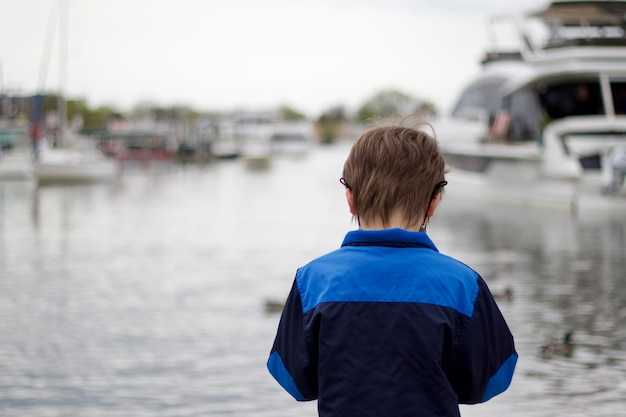
Snižte rychlost na volnoběh a udržujte široký, volný průjezd kolem plavidel vyvázaných, kotvících nebo rybářských v marině nebo podél pobřeží.
- Udržujte odstup alespoň 50 m od neoznačeného vybavení, lan a trupů malých plavidel; plujte mírným tempem, abyste se vyhnuli vlnám, které by mohly táhnout lana nebo zamotat vybavení.
- Přibližujte se v mírném úhlu z přední čtvrtiny, mějte motor připravený na rychlé úpravy a sledujte, zda se ve vodě nenachází nějaké vybavení nebo sítě.
- Držte se ve středu dopravního pruhu a vyhněte se plavbě za plavidlem; pokud si nejste jisti, řiďte se pokyny kapitána a postupujte opatrně při zachování stálé rychlosti plavby.
- Používejte světla vhodným způsobem k signalizaci své polohy; pokud jsou světla jiného plavidla nejasná, zpomalte a vyhněte se zkracování vzdálenosti, dokud situaci nevyhodnotíte.
- Projeďte se širokým úhlem, a pokud je to nutné, projeďte raději před zádí než přídí, abyste minimalizovali riziko zachycení lan nebo vybavení; nepřibližujte se ze strany, kde může být molo nebo lana.
- Buďte ostražití ohledně unášeného vybavení, sítí nebo lan; měnící se podmínky – vítr, proud nebo provoz – mohou vyžadovat, abyste upravili kurz vodou a udrželi bezpečnou vzdálenost.
- Pokud se blížíte k doku nebo marině, řiďte se pobřežními orientačními body a komunikujte s kapitánem nebo personálem mariny pro potvrzení; nespoléhejte se na dohady.
- Udržujte pohyby předvídatelné a plynulé; pomáháte tím ostatním operátorům a posádce udržovat bezpečnost, zejména v převládajících podmínkách, kde může být omezená viditelnost.
- V obtížných nebo přeplněných situacích zpomalte nebo vyčkejte, dokud nebudete mít volnou a bezpečnou cestu; ujistěte se, že se vyhnete jakémukoli blízkému setkání s plavidly na kotvě nebo vyvázanými.