


 Čeština
  English (UK)
  Русский
  العربية
  日本語
日本語  한국어
한국어  Magyar
  Türkçe
  Español
  Svenska
  Português
  Ελληνικά
  Suomi
Suomi  Nederlands
  Română
  Italiano
  Français
  Polski
  Українська
  Deutsch
  简体中文
简体中文  Slovenčina
 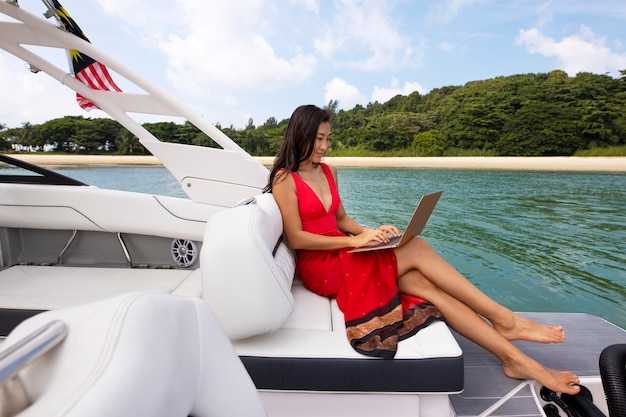 Power Catamaran vs Sailing Catamaran – Which Is Best for Your Vacation?">

For most vacations, a power catamaran is the better choice because it cruises smoothly, keeps to a tight schedule, and gives you independence from the wind in calm channels. With twin engines, you can accelerate quickly, streamline passages between islands, and keep guests comfortable through long days at sea. This setup tends to be the easiest to manage in busy marinas and crowded bays, where you want lower stress and more control over your itinerary.
Key rozdíly between power and sailing vessels show up in propulsion, daily use, and living flow. A power catamaran relies on engine propulsion and predictable range, so you plan hops by weather windows and fuel availability. A sailing catamaran depends on wind, trim, and crew skill, which means your schedule is more flexible when breezes cooperate and those older hulls may demand maintenance. Those two paths lead to distinct routines on deck and in the galley, including sail handling, reefing, and engine checks before sunsets, with the least downtime in marinas when weather holds.
Assuming you want to keep a balanced pace, you’ll likely trade engine hours for wind usage with sailing boats and trade wind-lift for engine power with the others. If you plan several stops across reefs and lagoons, power cats let you reach where you want with less wait, keeping you nearer the shorelines and lower risk of weather delays. For those who crave quiet nights under stars, a sailing model can deliver more natural ambiance, with the sails providing constant motion before anchor.
Choosing a setup includes evaluating room, headroom, and equipment. Look for a plan that includes including air conditioning, watermaker, and generator, towards the bow for easy access, and seating that keeps guests comfortable. Consider hull design details: a forward cockpit, stabilized platform, and minimal vibration can keep guests rested after long hops. The goal is to keep comfort high while reducing fatigue, which tends to favor power cats for short hops and sailing cats for longer, wind-driven routes.
In short, if your vacation centers on speed, predictable schedules, easy handling in marinas, and independence from winds, pick a power catamaran. If you prize sailing experience, lower fuel bills on light days, and longer range under sail, a sailing catamaran may fit your plan better. This choice can shape your entire itinerary, so align it with your preferred pace and scenery.
Cruising Range Considerations for Power vs Sailing Catamarans
For most families planning multi‑day trips, a power catamaran with ample fuel capacity is the easier choice to maximize cruising range and minimize waiting, especially when you want relaxed days on the water rather than chasing favorable winds.
Power cats deliver predictable motoring range, so you can plan multiple days at sea without depending on sailing conditions. Efficient hulls and dual propulsion keep you comfortable and reliable, allowing you to move from one bay to the next with steady speed and consistent comfort, even when the breeze drops down.
A typical 40‑ to 45‑ft powered catamaran from a well‑known line like pajot carries roughly 800–1,100 gallons of fuel. At 15–18 knots, you’ll cover about 600–900 nautical miles before refueling. Slow to 12–14 knots and you can reach roughly 1,000–1,300 nm. Larger models in the 60–70 ft range push fuel capacity toward 2,000–2,500 gallons and can reach 1,800–2,400 nm at the same speeds. These figures are practical guides for planning a year‑long trip with multiple legs and fewer stops there is more freedom to lay out a relaxed schedule.
Sailing catamarans rely on wind and sails, so their range is wind‑dependent. Even with a generous auxiliary tank, the day‑to‑day range under power tends to be lower and less predictable. Expect 100–250 nm per day when you have steady trades or a fresh breeze, and much less if winds fail. When you do motor, efficient engines can push you farther, but you’ll still be balancing speed with fuel efficiency to maximize overall endurance for longer passages.
When choosing between the two, consider your typical routes and the number of days you budget for travel. If your idea is to press forward with few stops and keep a calm, uninterrupted schedule for multiple days, a dedicated power setup is easier and more predictable. If you value the freedom to sail most days while still carrying a backup plan for longer legs, a sailing catamaran offers outstanding comfort and the option to sail downwind along coastlines or down east passages.
What to check when evaluating range and readiness: fuel capacity and distribution, auxiliary power options, hull efficiency, sail plan and wind‑assisted potential, cruising speed envelopes, and the reliability of pumps and tanks. Equip your list with a clear plan for fuel stops, emergency provisions, and a backup plan for remote anchors where you can rest and reset if the wind drops. This approach helps you choose what fits your family best, keeping evenings relaxed and days enjoyable.
How far can a power catamaran travel on a full fuel tank at cruising speed?
A practical recommendation: plan for about 180–260 nautical miles on a 40–45 ft power cat at 20 knots with a full fuel tank; 250–350 nm on 50–60 ft models; and 350–500 nm on large 60–70 ft versions, provided seas are calm and load is moderate, including pajot designs in the mix. The idea is to look at typical burn rates and tank sizes rather than chasing sensational, unsupported numbers, boosting boating confidence for east coast or Caribbean itineraries, whether you sail through calm lagoons or plan longer legs.
To estimate range precisely, use Range = (fuel capacity in gallons) / (total burn in gph) × cruising speed in knots. For most 40–50 ft models, assume total cruise burn around 120–180 gph; for 60–70 ft vessels, 180–300 gph. For a typical vessel with 1,000–1,200 gallons on board and 150 gph total at cruise, endurance lies around 6–8 hours, giving roughly 120–160 nautical miles at 20 knots. Real conditions such as wind and currents will reduce this without mercy by 10–40%. Plan your leg through 1–2 fueling stops if you want to push beyond 200–350 nm in a single day.
Tips to extend range: Unlike flying, operate at the speed that yields best miles per gallon, remove excess weight, verify tanks are truly full, use efficient propellers, and choose a version of pajot or other modern vessels that prioritizes efficient powering. The focus on hull design makes power cats feel freedom from the rhythm of smaller monohulls, because theyve got more fuel capacity and still maintain steady speed, which gives greater freedom for longer trips. When planning, consider weather windows and your direction, and plan rests through islands along your chosen route. This approach keeps boating cost under control and avoids stranded moments on remote harbors along the east coast.
How far can a sailing catamaran cover on a full fuel tank at the same speed?
At a steady 8 knots, a typical 40–50 ft sailing catamaran with twin engines and a 600–900 L fuel tank will cover about 60–100 nautical miles on a full tank.
To estimate precisely, use range = speed × endurance, where endurance = fuel capacity / burn rate. On most setups, twin engines burn roughly 30–60 L/h combined at cruising speed, so a 600–900 L tank yields about 10–20 hours of motoring. That translates to about 60–160 nm, depending on the exact fuel capacity and how you operate the engines. For performance, read your data from the boat’s performance charts to fine‑tune expectations before departure.
Wind, currents and weight influence the actual distance. Theyre rarely the same day to day, and range is likely to shrink with strong headwinds or heavy seas. Having a larger tank helps, but you should balance costs and weight; planning with real readings supports a smarter direction and reduces waiting in ports. In this context, where you can refuel matters as much as a top‑level sailplan on a sailboat.
Compared with monohulls, cats generally deliver better stability and space, which supports carrying more fuel without compromising comfort. Theyre often favored for longer trips where you want to keep a right balance between speed and range, and theyre capable of longer legs at moderate speeds if engines stay efficient. The alternative is to treat fuel as a limiting factor only if you’re cruising at higher speeds or in challenging wind, where efficiency drops and range narrows.
Example: in Croatia, a 50 ft catamaran with an 800–1000 L tank and two 60 hp engines cruising at about 7.5 knots can achieve roughly 100–140 nm under favorable wind. If you reduce speed slightly or carry 1000 L, you can extend that to around 120–160 nm. This odměňující capability gives you flexibility to plan day trips between islands, with fewer stops and more time enjoying the scenery, right on track with your travel direction. Theyve found that having solid fuel planning helps you keep momentum without sacrificing safety or comfort.
How do wind, sea state, and hull design affect motoring range for both boats?
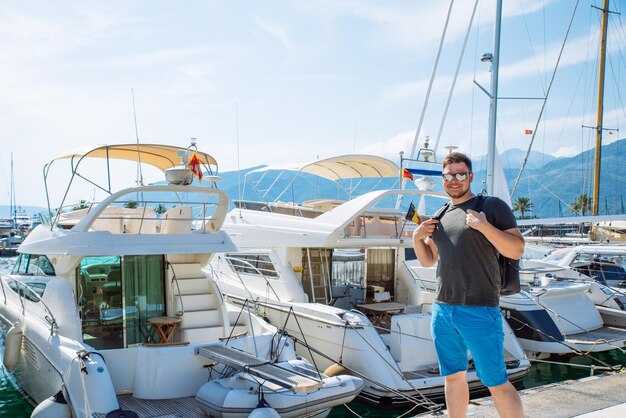
Operate at the hulls’ most efficient cruising speed to stretch range. For Caribbean island hopping, sailing catamarans excel on long, economical legs at 6–8 knots, while power cats cover longer hops at 18–22 knots if you carry enough fuel. Assuming similar fuel tanks, plan the plan to keep the engines loaded in the most efficient band and you’ll enjoy a more predictable vacation with fewer fuel stops.
- Wind and heading
- With steady trade winds of 15–25 knots, windage adds drag on both vessels. Sailing cats with tall rigs and high freeboard experience more crosswind influence on deck, increasing rudder work and fuel burn by roughly 5–15% at the same ground speed. Power cats, especially those with a flying bridge or wide beam, face the same windage effect but can counter with optimized trim and RPM, keeping the impact under 20% during steady legs.
- Crosswinds push you off a straight course, creating minor speed losses and extra yaw drag. In the Caribbean, where moorings and short legs are common, a small heading adjustment often saves fuel over a long afternoon of cruising.
- Sea state and waves
- Waves in the 0.5–1.5 m range raise hull resistance and cause speed fluctuations. Power cats tend to burn 10–25% more fuel maintaining 18–22 knots on chop than on smooth water; sailing cats at 6–8 knots show smaller increases, but chop still adds drag and upright pounding risk on the forward hulls. Over multiple hops, expect average range to shrink by 15–40% in moderate chop and more in heavy sea.
- Two-hull stability helps reduce pitching and slam energy, so sailing cats often feel steadier in waves, while power cats can maintain a higher average speed if you workload the engines efficiently. This combined effect matters when you’re hopping between a string of island moorings or resort docks.
- Hull design and efficiency
- Compared with monohulls of the same length, both catamaran types cut wetted surface dramatically, but their efficiency curves diverge at speed. Sailing catamarans rely on slender, light hulls designed for low drag at 6–8 knots, giving impressive range at economical RPM with fuel tanks typically in the 300–600 L range. Power catamarans use planing or semi-planing hulls that excel at 18–22 knots but burn more fuel; typical tanks run 600–1800 L, yielding 30–70 hours of motoring at cruising pace depending on load and engines.
- In the Caribbean, a dedicated planning-speed strategy matters: if you must cover multiple legs in a day, a power cat’s winning combination is steady mid-range speed with careful trim; for island exploration with many stopovers, a sailing cat’s lighter hull and efficient low-speed run can offer a more predictable, enjoyable day-by-day plan.
- Assuming you choose well-matched engines and maintain prop efficiency, the same approach works across vessels: keep hulls clean, props clear of weed, and avoid heavy trim changes that spike drag. This parts work gives youre mind a clearer picture of how wind, waves, and hull geometry couple into fuel use and overall range.
Overall, the wind-waves-hull trio sets a combined efficiency curve that favors sailing cats for leisurely, long legs and power cats for faster hops when fuel capacity and crew work are planned. The comparison helps dedicated sailors plan multiple legs during a vacation, balancing dream, island life, and amenities to match the vessel suited to your style. If you’re aiming for a winning mix of freedom and practicality, map routes around the efficient mid-range speeds, then adjust for real-time wind and seas–it’s a simple way to impressively extend your vacation on vessels built for life at sea.
What role do batteries, generators, and solar options play in extending range?
Start with a 60 kWh lithiová bateriová banka pro středně velké katamarány a přidej 600–1000 W solární pole plus kompaktní 3–5 kW genset. Tato trojice poskytuje much více nepřetržitého času na pobřeží nebo mimo vítr, zatímco udržování kabiny pohodlné a amenities funkční během dlouhých pasáží.
Na stránkách baterie je jádro means pro rozšíření dosahu. A high‑quality LiFePO4 pack s dedikovaným BMS snižuje heavy hmotnost ve srovnání s olověnými akumulátory a poskytuje stovky parts of cycle life. Na catamarans going to sea, aim for 40–60 kWh on smaller do středních lodí a 80–120 kWh u větších modelů, pokud provozujete vysoké zátěže. Ta kapacita vám umožní provozovat engines nebo výrobce vody po dobu několika dní bez dotyku naftou, zatímco wind‑asistované plachtění šetří rezervní energii pro jachta kvalita, komfort a bezpečnost. What you make záleží na where jste a jak much slunce, které obdržíte– источник posun energie se mění s polohou a počasím.
Solární panely jsou praktickým doplňkem pro každého na palubě. kabiny a parts systému. A 600–1000 W Nastavení přináší zhruba 3–5 kWh za slunečný den v mírném pásmu a 5–8 kWh při silném slunci poblíž rovníku. Flexibilní panely na pobřeží archs, bimini tops a trampolíny se vyhýbají přeplněnosti heavy deck gear and keep engines vypnuto, zatímco jsi going. Inteligentní nabíječka MPPT může make většina každého paprsku a spolehlivé example je systém 12–24 V, který nejprve napájí spotřebiče v domácnosti a poté dobíjí bateriovou banku pro pohon., what budete se spoléhat na, když počasí otáčky less příznivý. Toto means stálý pomalý přísun namísto jednorázového výbuchu, což zachovává zdraví baterie a pobřeží integrity.
Generátory poskytují předvídatelné dobíjení, když je slunce málo. A 3–5 kW genset uchovává kabiny cool, spouští výrobník vody a extra načítá bez vynucování cyklování baterie heavy levels. Používejte jej k doplnění banky během odpoledne nebo po dlouhém přejezdu, poté vypněte pro úsporu paliva. Moderní jednotka spárovaná s automatizačním systémem proves abyste nemuseli dlouho provozovat motory a udržet si dojezd. What získáváte unique odolnost–to source síly není vázána na jeden vstup a můžete tak vydržet delší úseky bez návštěvy přístavu. Přátelé na sailboat nebo catamarans thank tento přístup pro udržování amenities intact in počasí změny a umožňující everyone odpočívej klidně.
Pro maximalizaci efektivity spárujte trio s inteligentním řízením spotřeby energie. Omezte špičkové zátěže, používejte stejnosměrné ventilátory a LED diody a předehřívejte, když je slunce nejsilnější. Dobře vyvážený systém means you make méně kompromisů na moři; stále budete mít enegines pro pohon, když vítr opadne, pobřeží k vašemu dalšímu kotvě a pokračujte kabiny pohodlné i během delších sezení. Tím, že se na banku díváte jako na a source důvěry se vyhýbáte heavy motor běží a extra spotřeba paliva, která proves to se v reálných mezích vyplatí. everyone na palubě, jak na palubě jachta a catamarans.
Příkladový scénář: 55–60 ft catamaran with a 60 kWh baterie, 1 kW solární pole a 4 kW genset se může dobít na 80% přibližně za 2 hodiny slunečního svitu nebo 1–2 hodiny provozního času. Lehká zátěž – chlazení, navigace, osvětlení a elektronika – spotřebovává 1–2 kW, což ponechává prostor pro pohon, když je to potřeba. V dnech s příznivým větrem, going plachtění snižuje spotřebu motoru a smaller power draws extend range further. This setup means můžete projet pobřeží až pobřeží s méně zastávkami, a to example ukazuje, jak unique rovnováha může být. Pokud vy make zvyk kontrolovat SOC, počasí předpovědi a úhlu slunce zjistíte, že theyve máme vás pokryté i v odlehlých kotvištích.
Jak plánovat denní etapy, zásobování a zastávky v marinách, abyste maximalizovali dojezd?
answer: lepší je plánovat denní etapy, které odpovídají dennímu světlu a otevírací době přístavů, a následně přizpůsobit zásobování a zastávky v přístavech, abyste maximalizovali dosah. U plněné katamaránu se zaměřte na 120–180 námořních mil denně, pokud můžete jet rychlostí 16–22 uzlů na plnou nádrž; u plachtové katamaránu plánujte 40–70 nm za dobrý den plachtění za obchodních větrů.
Provisioning by mělo vyvážit rozmanitost a váhu. Připravte seznam jídel, která se dobře přepravují: rýže, těstoviny, konzervovaná ryba, fazole, rajčatová omáčka, polévky se stabilní trvanlivostí, ořechy, sušené ovoce, tortilly a vaše oblíbené koření. Zahrňte čerstvou zeleninu, včetně nějakých listů, které se dobře skladují v chladničce, ale naplánujte 3–5 dní jídla na osobu s malou lednicí. Používejte kompaktní, lehké nádoby, abyste ušetřili místo ve skříňkách a udrželi prostornou kajutu. Menší porce, doplňované v každém přístavu, snižují odpad a udržují lednici v souladu s její kapacitou. Pro delší úseky cesty přidejte snadné možnosti, jako jsou lyofilizovaná jídla a trvanlivé kartony. Tento přístup udržuje pohodlí a morálku všech na vysoké úrovni.
Marina zastávky by měly být plánovány s ohledem na potřebu paliva nebo baterií, doplňování vody a praní. U katamaránu s motory byste měli tankovat každé 1,5–2 dny na oblíbených trasách; u plachetního katamaránu plánujte doplňování vody každé 2–4 dny. Sestavte krátký seznam možností marin v okruhu 20–40 mil od vaší denní etapy, s prioritou těch, které nabízejí kompletní služby: palivo, vodu, výpomoc při vypouštění odpadních vod, praní a zásobování. Zvolte zastávky především pro snadné kotvení a dobrou ochranu před zbytkovými vlnami. Pokud je marina plná, využijte jeden z menších přístavů v blízkosti a udržujte rychlost, abyste neztráceli denní hodiny. Tento přístup snižuje odchylku a pomáhá vám udržovat plánovaný tempo den co den.
Obsluhujte s jednoduchým plánem rychlosti, který odpovídá vzdálenosti plavby a počasí. Udržujte cílovou průměrnou rychlost v uzlech, která vám umožní dosáhnout časových oken příletu za denního světla: například 6–8 uzlů pod plachtou nebo 15–20 uzlů na motoru. Denní úseky upravte podle proudů a přílivu/odlivu; nadhodnoťte dojezd, abyste si zajistili rezervu. Při změnách plachtění používejte stožár jako referenci a na silném katamaránu použijte plynulou regulaci plynu, abyste se udrželi v klidném, efektivním rozsahu otáček. Pravý vítr a proud mohou přidat nebo odečíst 2–4 uzly pokroku; zohledněte to ve svých denních nájezdech. Tyto malé úpravy činí plán spolehlivým, snadno sledovatelným a věrným cíli maximalizovat dojezd pro celou posádku. Buďte připraveni přizpůsobit se, pokud se změní předpověď; dny odpočinku se stávají, a plán by se měl přizpůsobovat spíše než nutit vás do sprintu do špatných podmínek.
Každý večer zkontrolujte svůj plán a podívejte se, co fungovalo. Veďte jednoduchý záznam denní vzdálenosti, pozorovaného větru a přihlášení do přístaviště; tyto záznamy vám pomohou zlepšit rozhodnutí pro další den. Zahrňte rychlou kontrolu rezerv vůči dalšímu úseku, abyste nikdy nepřekročili prostor nebo palivo. Používejte obdivuhodně kompaktní nástroje: jednu mapu, aplikaci do telefonu a tabuli na palubě. Výsledkem je cestovní rutina, která respektuje svobodu, vypadá čistě a udržuje loď prostornou pro celou posádku.