


 Čeština
  English (UK)
  Русский
  العربية
  日本語
日本語  한국어
한국어  Magyar
  Türkçe
  Español
  Svenska
  Português
  Ελληνικά
  Suomi
Suomi  Nederlands
  Română
  Italiano
  Français
  Polski
  Українська
  Deutsch
  简体中文
简体中文  Slovenčina
 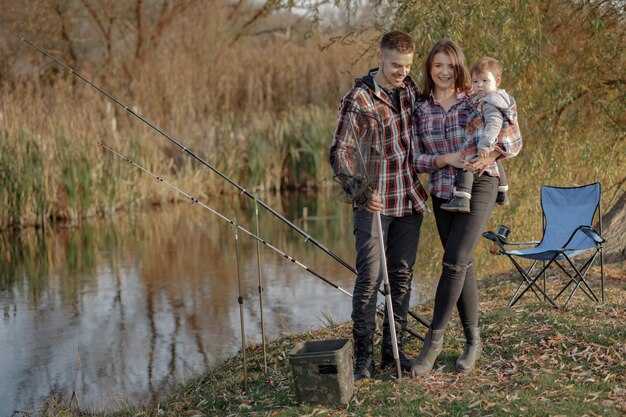 Night Fishing for First-Timers – Top Tips and Essential Gear">

Start with a simple setup: a red-light headlamp for clear visibility without spooking wildlife, and a compact rod-and-reel combo paired with weight that stays in balance at the surface. For first-timers, choose a bank edge with calm water and an easy access path, so your first night sessions stay comfortable and you can focus on the basics rather than gear failures. This approach helps them stay focused on the basics and the shoreline rhythm, making the night safer and more enjoyable.
Choose specific gear that remains easy to handle in low light: a reel with smooth drag, a versatile line in the weight range, and a simple slip rig that works on species near the bank. Aim for superb presentation on the surface so bait sits naturally and bites show up quickly. Pack spare batteries and a backup light to stay on top of the heat of the night, especially during warm evenings when insects swirl around the bank and you want to keep hands steady.
Use simple navigation cues to move between spots, noting landmarks and GPS coordinates or high-contrast markers, so your return trip is easy and safe. If you rely on technology like a basic GPS app or a waterproof map, keep it simple and test it during daylight. Remember to observe wildlife behavior and avoid disturbing birds or mammals while you move along the bank. The night air heightens senses; tracking specific sounds helps you identify fish activity, and keeping your presence quiet makes your night sessions more fruitful for anglers.
As you gain confidence, you can expand to more activities and try different rigs for each species. Share tips with fellow anglers and respect local rules, because sharing the bank with others keeps sessions safe and enjoyable. Track weight of your catches and note heat or cold nights; a single, consistent setup will make night fishing easier for first-timers and help you build a repertoire for future sessions when you want to chase a broader range of wildlife.
Night Fishing for Beginners: A Practical Guide
Use a proper headlamp and a compact saltwater rig to cast confidently from night one.
Plan around the moon phase and tide to align your first casts with surface activity and bait movement; check local tide charts and set your plan for the darkest hours when visibility is modest.
Apparel should be layered, waterproof, and flexible. Wear gloves for grip on the reel and a breathable base layer; reflectors or a small safety light improve visibility for others on the shore.
A compact brolly can shield gear from drizzle and spray. Position it to protect your line and keep your setup accessible without crowding your stance.
Tackle selection matters: pick a simple saltwater rig, with a single-hook or two-hook bottom setup, a 1/0 to 3/0 hook range, and 1/2 to 2 oz weight depending on current. Keep a spare spool and a compact rig for quick changes. An excellent habit is to tie a secure knot (Palomar or improved clinch) and test on land before getting to the water.
Safety first: set alarms on your phone to remind you when to check lines, move with the tide, and head back if conditions worsen. Always keep a charged flashlight and a whistle close at hand.
Camouflage apparel and low profile gear help you stay undercover at night. Choose dark, matte colors and avoid bright logos that reflect light along the water.
Technique tips: start with short, controlled casts down the bank or along the surface edge; aim for depths that match the channel or gut you see on maps. Maintain a steady pace and monitor line tension to detect bites quickly. thos that plan, thats a simple rule: practice casts from shore before stepping into deeper water.
| Položka | Použij | Specs / Notes |
|---|---|---|
| Headlamp | Hands-free lighting | 200–400 lumens; red mode to protect night vision |
| Layered apparel | Warmth and moisture control | Base layer + windproof shell; waterproof boots |
| Brolly | Weather shelter | 2 m canopy; position to avoid line interference |
| Tackle | Saltwater-ready rig | One- or two-hook bottom setup; 1/2–2 oz sinker; 15–40 lb line; spare spool |
| Alarms | Bite cues and safety prompts | Phone alerts or compact buzzers |
| Camouflage apparel | Stealth on shoreline | Matte dark tones; avoid bright logos |
Night Fishing for First-Timers: Top Tips and Lighting Equipment
Start with a reliable lighting setup: a headlamp offering 350-500 lumens, a dedicated red night mode, and a compact handheld backup. Ensuring you can move, tie knots, and read tackle labels without breaking your rhythm keeps you fully focused as night settles.
Choose a kit with an adjustable beam and multiple modes. Use bright white for setup and a dim red or amber for fishing; colors matter because they preserve night vision and help you observe line movement around the rig.
Battery strategy matters: carry at least two fully charged packs, favor USB-C rechargeable options, and keep spares in a dry pouch. Weight matters on longer sessions, so balance your pack and secure tools to prevent rattling during movement. Plan a break every two hours to stretch, re-tie, and re-check knots.
Control the light volume to minimize glare on the water. Keep the beam angled toward the bank or shoreline rather than directly at the surface. This improves your feel for bites while avoiding spooking most fish and reducing attention from predators around the water’s edge.
Moon phase and time affect feeding windows. Expect more action around dusk and in the first couple hours after moonrise; adjust venues accordingly. Select spots with easy access, plenty of structure, and safe exits; keep lighting low when moving to a new area to avoid alerting them to your presence.
Apparel and comfort matter: wear cool, breathable fabrics and layer for temperature shifts. Quiet apparel reduces noise when moving along the bank. Pack a lightweight sleeping bag for chilly nights and keep gloves handy for line handling and knot tying. A hat and reflective accents increase visibility without spooking fish.
Practical starter tips for first-timers: practice casts at home, then test a nearby, easy venue with slow current and good access. Bring plenty of hooks, weights, leaders, and spare line; keep a simple rig on hand for quick changes. Most anglers find success by staying patient, adjusting tactics, and logging what works for different ponds, rivers, and lakes.
Bottom line: stay alert, dont sleep on the job, and respect wildlife. Don’t push into rough conditions; use the moon and time to plan sessions, and keep a calm, methodical rhythm. Always remember that great lighting and smart prep dramatically raise your chances of a solid night bite.
Choose the Right Headlamp: Brightness, Beam Pattern, and Weight
Choose a waterproof headlamp with 350–420 lumens, a mixed beam (flood for surface scanning and a tight spot for distance), and a weight under 90 grams on the head. This setup is comfortable for hours and normally keeps the beam bright enough to spot movement near the surface. This is a great baseline for night fishing.
These beam options give beginners confidence: begin in flood mode to locate tackle, knots, and banks, then switch to spot to read reflections and track a spinnerbait at distance. A red light helps preserve night vision and reduces glare; many models include alarms to signal low battery or mode changes.
Battery life and charging: look for a model that runs 2–6 hours at full brightness, with lower modes delivering 8–20 hours. Choose rechargeable packs, and carry a spare in your packing for long sessions. Fully charge before heading out, and test the snooze and lock features so the light won’t sag when you snooze a timer.
Heat and weather: in summer, a compact, cool-running unit keeps heat buildup down and comfort up. Verify IPX7 or IPX8 waterproofing to survive spray or a dunk. A beam that switches between flood and spot makes it easier to scan the water surface for ripples and detect targets without losing focus.
Packing and usage: keep the headlamp in a dedicated pouch inside your tackle bag for quick access. This approach helps beginners who are learning to read water feel more confident in low light. Plan around the night hours, practice with the gear, and remember to check the vibration of your reel as you cast.
Red Light vs White Light: When to Use Each
Start with red light for the initial setup and during long nights; red light isnt harsh on night vision and helps you detect obstacles while keeping the deck visible for safe movement. It reduces insects around the deck and stays comfortable for someone sharing space with others.
When you switch to white light for specific tasks that require detail: tying knots, reading charts, inspecting hooks, and checking gear around the deck. White light reveals colors on shirts and labels and improves accuracy; use an adjustable, focused beam to prevent glare that could alert fish or confuse other anglers.
- Use an adjustable red-light headlamp on the deck; keep the beam low and angled to illuminate the line and obstacles without blinding anyone.
- Carry a white-light option with a narrow, focused beam for specific tasks; avoid flood modes that wash out the water and may spook catching fish.
- Have a backup red filter or small red flashlight ready (comes in handy when someone needs to switch without losing night vision).
- Be mindful of insects; red light helps prevent attracting insects around the setup while you work.
- Share tips and coordinate signals with beginners on the deck to stay alert to everyone around.
- When using prologic settings, blend red and white modes for stable, smooth transitions between tasks.
Next trips can build confidence: year-round practice with both modes makes you faster and more comfortable under dark skies. For year-long outings, switch smoothly between red and white as the situation dictates.
Power Options: Batteries, Replacements, and USB Recharge
Charge all USB recharge devices to full before departure and pack a spare battery kit in a waterproof pouch.
Choose a power system that matches your gear and the overnight plan. A USB recharge setup keeps lights alive after dusk and reduces bulk, while replaceable cells offer independence when access to a charger is limited. Those batteries come in two common flavors–high-drain 18650s for larger lights and CR123s for compact heads; AA/AAA work well for entry-level models. Always store replacements in a dedicated waterproof case and label them to prevent mixing types; this reduces risk of damage to devices. This isnt a time to gamble with a single battery, so carry backups and plan for mid-session swaps. For many anglers, reliability beats fiddling with a fading beam.
- Batteries and capacity: 18650s typically 2500–3500 mAh and about 45 g; CR123s around 1400–1600 mAh and 34 g; AA/AAA vary widely (1500–3000 mAh for high-drain). Choose based on light’s draw and weight target.
- Replacements: shelf life matters–lithium cells often last 5–10 years unopened; alkalines 5–7 years; rotate usage so older cells are used first; keep spares in a cool, dry place away from heat and moisture to avoid leaks.
- USB Recharge: a power bank of 10,000–20,000 mAh can recharge a typical headlamp 2–4 times; USB-C fast-charges reduce downtime; a compact 5W solar panel can add 1–2 hours of light when direct suns reach it. Keep cables organized in a pocket or small pouch near your shelter; those features simplify on-site top-ups.
Tips for field reliability:
- Use a waterproof, impact-resistant light with adjustable beam to keep the level comfortable for you and for staying visible to others near water; reduce brightness when insects or bites threaten comfort.
- Place power banks and batteries in a sheltered, dry spot away from heat sources; heat degrades cells and reduces capacity.
- When predators are near, position shine away from your line and keep your gear within the shelter; this helps keep you safe and maintains your night vision.
- Test your setup before the trip: confirm the finish of a charge cycle and ensure the system switches smoothly between USB recharge and battery backup.
Practical setup:
- Choose a system with an adjustable headlamp to fit the level of brightness you need for reading, casting, or tying knots; this features flexibility and can reduce insects’ nuisance.
- Keep the battery pack in a dedicated shelter within reach but away from direct sun; this helps keep it dry and ready for next casts.
- Store replacements in a pocket or pouch that stays dry and accessible, so you can swap without drawing attention from predators drawn to light.
Light Placement: How to Position Gear on Shore or Boat
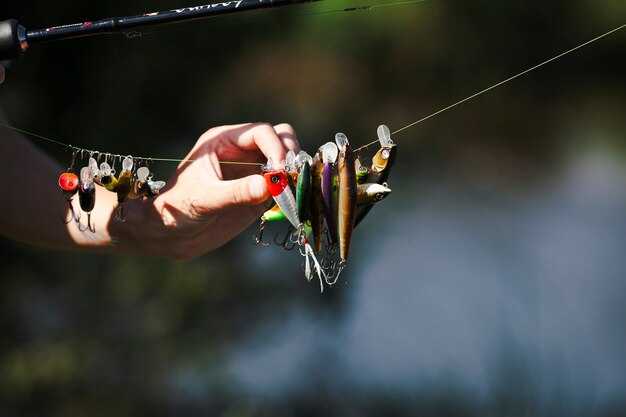
Position the primary light 1.5–2 m behind your location, angled 30–40 degrees toward the water, to illuminate baitfish and the strike zone without glare in your eyes. Use a red or warm-white mode to preserve night vision and minimize wildlife disruption. Have spare batteries available and dont rely on a single pack; thats why you keep a backup. If youre on shore, aim the beam at the water, not toward the bank, to avoid lighting wildlife and compromising your night sight. This arrangement helps provide stable visibility across the catching zone.
On shore setups, a compact light on a small stand or clamp works best. Add a brolly to shield wind and rain and to control spill, especially toward wildlife areas. Camouflage the housing or cover to blend with the location and reduce wildlife attention. Use saltwater-rated gear, and position your light so baitfish stay drawn toward the water rather than toward the bank.
On a boat, secure lights to the rail or bedchair frame, ensuring weight is distributed evenly to avoid rolling at night. Choose compact units with low-profile batteries, and store an available spare pack in a dry box. For catching, keep the beam low and forward, allowing you to see lines and water without glare into the crew’s eyes.
Keep sound to a minimum: silence the motor, avoid rattles, and manage lines drawn toward the water. As the suns dip, only switch to full power when you need extra visibility, and rely on a second light for back-up if required. Ensuring your setup is available at the ready helps both shore and boat anglers stay focused and comfortable, allowing you to maximize catching time.
Safety and Night Vision: Glare Reduction and Weather Readiness
Use a red-filter, adjustable headlamp set to 5–20 lumens to preserve night vision and minimize glare. Keep lights off to the side and angle them 45–60 degrees from your line of sight; switch to a dim, warmer setting when you need readability. This lighting system builds confidence and lets you monitor bait movement across many venues and which species you target.
Wear dark-colored clothing and minimize reflective surfaces around your setup. Position lights so they illuminate your work area without washing out the water, and use a red or amber filter on any boat deck display. For bait and live-bait rigs, keep lighting low and use a separate, low-contrast lamp to track movement.
Weather readiness starts with a plan: check the forecast, pack warmer layers, and carry an emergency shelter option such as a compact tarp or bivy. You cant rely on luck in a squall, so maintain a stable, anchored setup by carrying an extra anchor line and a backup tether; this helps you withstand gusts and spray. Regardless of which venue you fish or which species you pursue, stay prepared with weather-ready gear and a quick-access emergency kit.
Anchoring and safety system: test each anchor point before turning on devices, secure gear in a sheltered area, and keep the number of loose lines minimal to reduce snag risk. Carry spare batteries, a flashlight, and a small first-aid kit so you can finish the night safely.