


 Čeština
  English (UK)
  Русский
  العربية
  日本語
日本語  한국어
한국어  Magyar
  Türkçe
  Español
  Svenska
  Português
  Ελληνικά
  Suomi
Suomi  Nederlands
  Română
  Italiano
  Français
  Polski
  Українська
  Deutsch
  简体中文
简体中文  Slovenčina
  Odhalení významu a historie mokřadů ve Whistleru">

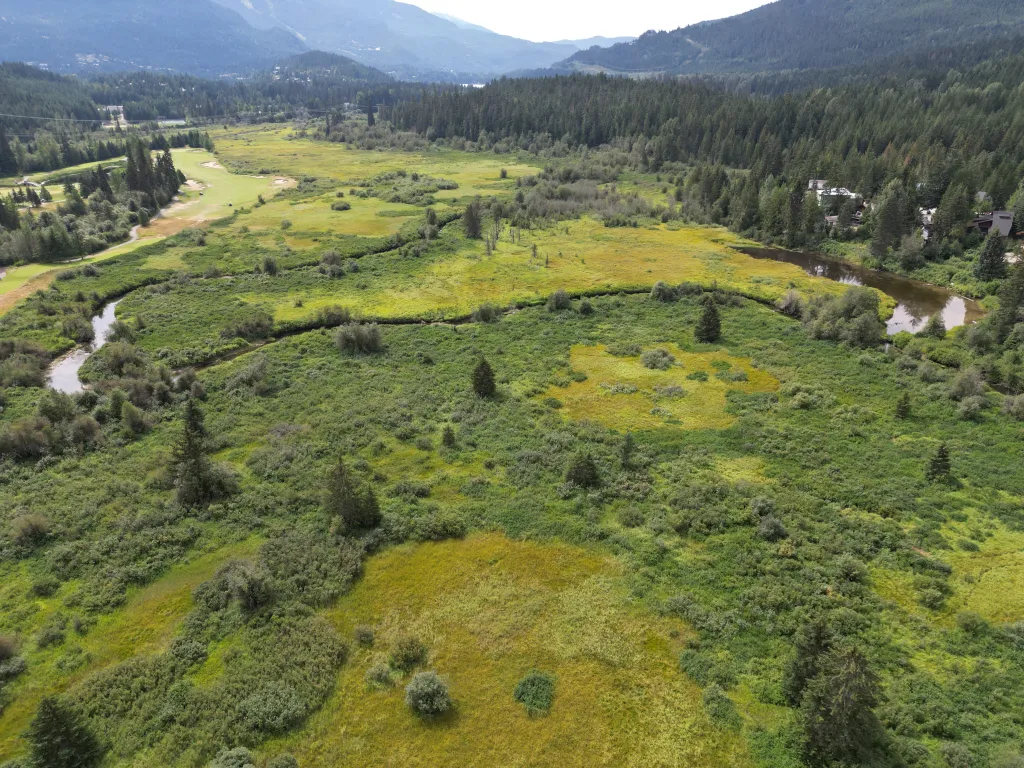
Why Whistler’s Wetlands Matter
Wetlands in Whistler are more than just soggy patches of earth; they are nature’s undervalued superheroes. These ecosystems support a remarkable range of biodiversity, purify water, shield the land from floods, replenish underground aquifers, and serve as natural barriers against wildfires. As climate patterns shift, the role of wetlands grows increasingly crucial, making their preservation a matter of urgent environmental and social priority.
The Complex Relationship Between Development and Nature
From the earliest days of Whistler’s development as a resort municipality, the desire to protect natural environments was balanced by the challenges of building in ecologically sensitive areas. Notably, the flat valley bottoms most suitable for construction were also home to extensive wetlands. This reality has prompted ongoing conflicts between expanding urban infrastructure and the conservation of vital ecosystems.
Wetland Loss and Its Impact on Whistler
Studies examining aerial photographs of Whistler taken in 1946 and 2003 reveal a steep decline in wetland areas—about a 72% reduction. The largest remaining wetland area, which follows the iconic River of Golden Dreams, is now only a third to a half of its original size. Residential development and the establishment of golf courses significantly contribute to this loss, illustrating the tension between recreational land use and ecological preservation.
| Loss Causes | Estimated Wetland Area Lost |
|---|---|
| Residential Development | Approximately 50% of wetlands within key corridors |
| Golf Courses (Whistler Golf Course – 1983, Nicklaus North – 1996) | Approximately 50%, with some conservation due to public advocacy |
Community Advocacy: A Success Story
Despite losses, the community has fought to protect significant wetland areas. For example, before the construction of Nicklaus North Golf Course, public hearings attracted hundreds of residents concerned about wetlands. Thanks to these efforts and the work of environment-focused groups, approximately 28 hectares (about 70 acres) were preserved from development. Moreover, several stretches along the River of Golden Dreams have been designated as protected zones, marking a positive turn in wetland conservation.
The Vital Role of Beavers in Wetland Health
Beavers act as natural engineers within wetland ecosystems, maintaining water levels and creating habitats that encourage biodiversity. Historical records showed beavers had been nearly eradicated in the Whistler area by the mid-20th century due to trapping and loss of habitat. Fortunately, the species is rebounding. Recent research notes that several dozen beaver lodges now thrive in the region, an encouraging sign of ecosystem resilience when given the right conditions.
Beaver Population Recovery Highlights
- 1935: Beavers largely trapped out in the area for two decades prior
- Post-trapping: Populations remained low due to habitat loss
- 2024: Estimated 300-350 beavers living in Whistler with 60 active lodges documented
Historical Perspective on Wetlands
Wetlands have sustained human civilizations for millennia, often shaping agricultural, fishing, and cultural practices. From the ancient Babylonians and Egyptians to indigenous communities around the world, wetlands have provided crucial resources like food, water purification, and natural flood management. Their significance extends into modern times, where they serve not only ecological purposes but also offer economic value through recreation, tourism, and sustainable resource harvesting.
Globally, wetlands cover between 4% to 6% of the Earth’s land area and exist in a variety of forms including swamps, marshes, peatlands, mangrove forests, and mudflats. This diversity supports an extensive range of species — from migratory birds to amphibians, insects, and plants uniquely adapted to waterlogged conditions. The multifunctional nature of wetlands makes them indispensable components of the planet’s ecological fabric.
Conservation Efforts and Future Outlook
International efforts like the Ramsar Convention tangibly recognize wetlands as valuable economic, cultural, and scientific resources. These frameworks encourage nations to enact legislation protecting wetland areas from drainage, pollution, and destruction. At the local level in Whistler, recent initiatives include a Priority Habitat Framework aimed at safeguarding critical habitats, including wetlands, through informed planning and community engagement.
Grassroots advocacy remains a powerful tool. Public awareness and activism can sway policy and promote sustainable development approaches that balance human needs with ecological preservation. The example set by Whistler’s community shows that vigilance and collective action can secure remnants of these ecosystems for future generations.
Table: Wetlands—Functions and Benefits
| Function | Benefit |
|---|---|
| Water Purification | Filters pollutants and sediments, improving water quality |
| Flood Control | Absorbs excess rainfall preventing downstream flooding |
| Aquifer Recharge | Allows water to seep into underground reservoirs |
| Wildlife Habitat | Supports diverse species, some found only in wetlands |
| Climate Regulation | Reduces wildfire risk and stores carbon |
Implications for Boating, Sailing, and Tourism
Wetlands often border lakes, rivers, and coastal zones that serve as vital destinations for boating and sailing. Healthy wetland ecosystems contribute to cleaner waters and more stable shorelines, enhancing the recreational experience. Boaters and sailors benefit from the biodiversity supported by wetlands, with opportunities for bird watching, fishing, and enjoying the serenity of natural watersides.
Tourism in areas like Whistler can be enriched through education about wetlands, highlighting their role as ecological treasures. Sustainable management ensures that water-based activities coexist harmoniously with nature, preserving these landscapes for chartering yachts, renting boats, and exploring water bodies.
Výhled do budoucna
The preservation and restoration of wetland environments in Whistler and beyond remain essential for maintaining ecological balance amid growing tourism and development pressures. Smart planning, community involvement, and appreciation of wetlands as dynamic and vital natural assets will shape the future of regional travel, yachting, and outdoor adventure activities.
For those planning trips that embrace the wonders of water and wilderness, wetlands represent not just a backdrop but a living, breathing participant in the adventure. Exploring these areas by boat or yacht offers a unique window into nature’s quiet brilliance.
As the protection of wetlands evolves into a keystone of sustainable tourism, services like GetBoat.com offer travelers the opportunity to rent a wide range of boats and yachts, bridging access to pristine marinas, clearwaters, and scenic water routes that wetlands help sustain.
In summary, Whistler’s wetlands stand as invaluable natural guardians, their fate intertwined with community action and environmental stewardship. Their rich biodiversity, essential ecological functions, and benefits to recreation and tourism call on everyone—not least those navigating the waters by boat or yacht—to regard these ecosystems with the respect and care they deserve.