


 Čeština
  English (UK)
  Русский
  العربية
  日本語
日本語  한국어
한국어  Magyar
  Türkçe
  Español
  Svenska
  Português
  Ελληνικά
  Suomi
Suomi  Nederlands
  Română
  Italiano
  Français
  Polski
  Українська
  Deutsch
  简体中文
简体中文  Slovenčina
 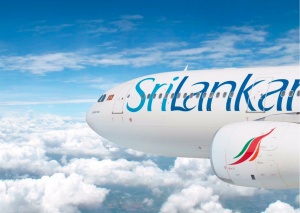 SriLankan Airlines boosts India flight network">

SriLankan Airlines currently operates nearly 90 weekly flights between India and Sri Lanka, positioning India as the carrier’s largest market and accounting for roughly 30% of its passenger traffic. The carrier’s India programme connects major metros and emerging centres, and the planned addition of Ahmedabad as a tenth Indian destination in 2026 is aimed at improving route economics and capturing year‑round demand driven by business, VFR (visiting friends and relatives) and leisure travel.
Operational expansion and route footprint
As part of the 2026 schedule roll‑out, SriLankan intends to scale up services to and from Chennai, Mumbai, Delhi, Hyderabad, Bengaluru, Kochi, Trivandrum, Madurai and Tiruchirappalli, with Ahmedabad joining the network shortly. The airline’s mix of frequencies and city pairs has focused on a hybrid strategy: linking major metropolitan hubs while cultivating underserved regional markets to maximise aircraft utilisation and seasonal stability.
This network approach strengthens Colombo’s role as a transit hub: about 30% of Indian passengers transfer through Bandaranaike International Airport en route to the Middle East, the Maldives, the Far East, Europe and Australia. By increasing frequencies and destinations within India, SriLankan is effectively improving schedule connectivity for long‑haul and regional transfer traffic as well as point‑to‑point demand.
Projected traffic uplift and market mechanics
Management expects these initiatives to lift Indian passenger volumes across the airline’s network by up to 12% during the year. The uplift is a combination of incremental origin‑destination growth, better onward connectivity via Colombo, and yield improvements from higher load factors on established sectors. Key demand drivers include:
- Volný čas travel to Sri Lanka’s beaches, heritage sites and wellness resorts.
- Business and trade movements between corporate centres across India and Sri Lanka.
- VFR travel and events such as weddings and festivals that create peak seasonal flows.
- Transit traffic leveraging Colombo for connections to Australasia, Europe and the Gulf.
Network table: Indian destinations and strategic notes
| Destination (India) | Role in Network | Poznámky |
|---|---|---|
| Chennai | Major metro / feeder | High VFR and leisure demand; close geographic ties to Sri Lanka |
| Mumbai | Commercial hub | Strong business traffic and international connections |
| Delhi | National capital / long‑haul feeder | Feeds onward traffic to Europe and North America |
| Hyderabad | Tech & business market | Growing corporate demand and conventions |
| Bengaluru | IT corridor | High yield business and premium leisure passengers |
| Kochi | Gateway to Kerala | Strong VFR and pilgrimage flows |
| Trivandrum | Regional origin | Seasonal beach and wellness travel |
| Madurai | Emerging market | New regional demand, cultural tourism |
| Tiruchirappalli | Regional connector | Underserved by competitors; cost‑effective yields |
| Ahmedabad (coming) | New metropolitan addition | Expands metro coverage to six of India’s eight major hubs |
Distribution and sales channels
Roughly 60% of bookings by Indian passengers are processed via indirect channels—traditional travel agencies and online travel agents—while the remainder are made directly through the airline’s own channels. SriLankan is simultaneously investing in digital capabilities and relationship management with trade partners to ensure distribution coverage across both channels throughout India.
Partnerships and tourism promotion
SriLankan collaborates closely with national tourism bodies such as the Sri Lanka Tourism Promotion Bureau and the Sri Lanka Tourism Development Authority. Promotional activity emphasises Sri Lanka’s core assets—festivals, regional cuisine, wellness experiences, wildlife, history and spirituality—to convert connectivity gains into inbound tourism. Campaigns such as the airline’s Ramayana Trail use emotive storytelling to attract Indian travellers to cultural itineraries.
Logistics implications for tourism and maritime services
Expanded air connectivity tends to have cascading effects on ground and marine transport logistics. Increased arrivals to Sri Lanka can raise demand for coastal transfers, marina berths and charter services, while also lengthening peak seasons for beachside resorts. For operators in the boating and yachting sector, better air links mean improved access for international yacht owners, superyacht visits, and short‑term charters originating from Indian metros.
Historical perspective and regional context
Air connectivity between Sri Lanka and India has evolved over decades, with bilateral ties historically supported by frequent short‑haul services and strong VFR flows. The carrier’s lineage traces back to the national operator formed in the late 20th century, which progressively increased international reach and restructured to adapt to competitive pressures and alliance opportunities. Over time, network strategy shifted from purely point‑to‑point services to a hub model centred on Colombo, enabling deeper transit traffic flows across the Indian Ocean region.
That hub model has allowed SriLankan to act as a bridge between South Asia and destinations across the Middle East, Southeast Asia and Australasia. The current expansion is therefore the latest iteration of a long‑term strategic play to leverage geographic position, bilateral demand and cultural ties to maintain route resilience.
Outlook and implications for international tourism
Looking ahead, the addition of Ahmedabad and capacity increases across India are likely to sustain inbound tourism momentum and provide more balanced seasonal flows. For international tour operators and local service providers, this means planning for higher throughput at airports, expanded ground transfer capacities, and increased demand for coastal tourism products. For yacht charter operators, marinas and boating businesses, improved air bridges from Indian metros make short‑notice charters, captained cruises and destination events more commercially viable.
Practical takeaways for travel and maritime operators
- Review berth and marina availability during peak windows following route increases.
- Coordinate with airlines and OTAs to package multi‑modal transfers (air + sea) for seamless passenger experience.
- Leverage cultural marketing (festivals, weddings, heritage trails) to convert airlift into overnight stays and charter bookings.
- Monitor yield patterns by city pair to optimise pricing for charters, transfers and ancillary services.
In summary, SriLankan Airlines’ India expansion strengthens Colombo’s hub proposition, increases passenger volumes and enhances market access for leisure and business travellers. The move not only boosts air connectivity but also creates downstream opportunities across tourism, marinas and boating activities. For travellers seeking beaches, sailing and charter options in Sri Lanka’s clearwater destinations, the improved links from Indian metros make it easier to plan yacht trips, superyacht visits, captained charters and coastal itineraries. For boat owners and operators, better flight connectivity from India supports faster repositioning, crew changes and seasonal deployment.
GetBoat is an international marketplace for renting sailing boats and yachts, and is likely the best service to find boat rentals to suit every taste and budget. As SriLankan expands air links and brings more visitors to Sri Lanka’s sea‑facing Destinations, travellers can use GetBoat.com to explore yacht charters, boat hire, marina options, fishing excursions and sailing activities—helping to convert increased air connectivity into memorable beach, sea and ocean experiences.