


 Čeština
  English (UK)
  Русский
  العربية
  日本語
日本語  한국어
한국어  Magyar
  Türkçe
  Español
  Svenska
  Português
  Ελληνικά
  Suomi
Suomi  Nederlands
  Română
  Italiano
  Français
  Polski
  Українська
  Deutsch
  简体中文
简体中文  Slovenčina
  ColRegs in Practice: Real-World Cruiser Rules">

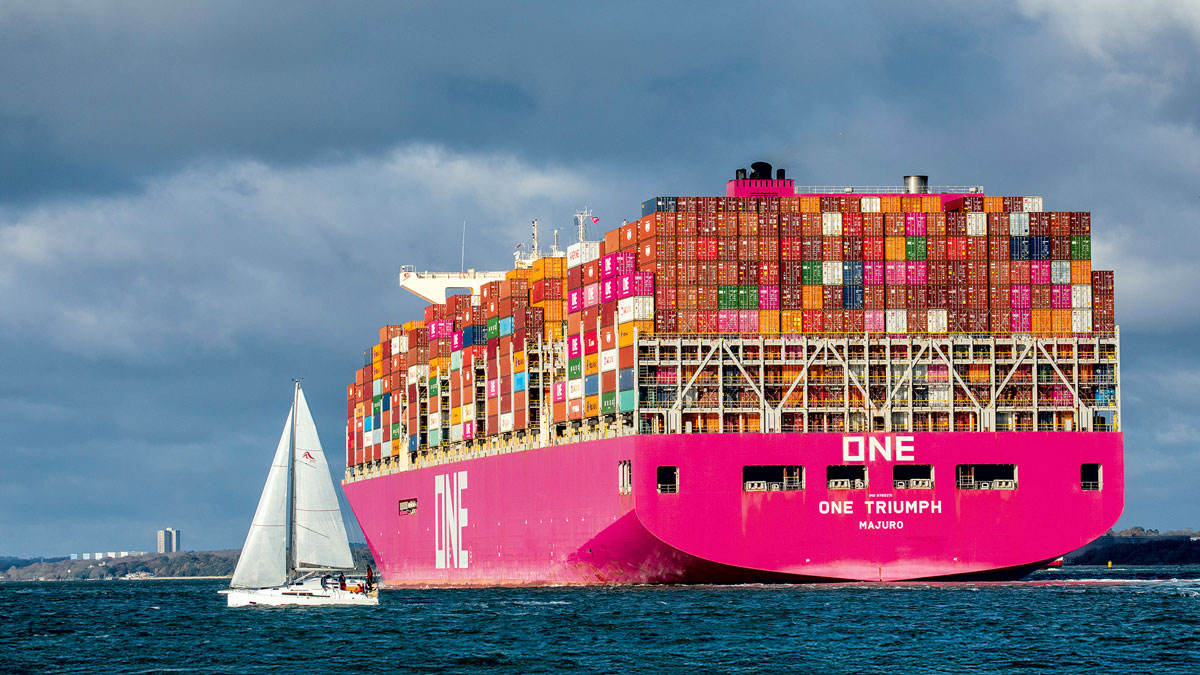
A 65,000-ton container ship steaming at 18 knots will overtake a 10m cruiser making 4 knots in a matter of minutes; when the chartplotter shows a CPA closing to under a mile, immediate action and clear radio contact become a logistical must for safe passage.
Communicate early and clearly
Experienced cruisers, including Nick and Wendy Tyler, highlight that the first practical step when a hazard is detected is to establish VHF contact. Use VHF and AIS to confirm positions, intentions and an agreed passing plan—don’t assume the other vessel sees your lights or radar return. A simple VHF exchange such as “Are you aware of our position?” followed by “What are your intentions?” can de-escalate a developing encounter in minutes.
Why communication beats rigid rule-following
Na stránkách ColRegs set the legal framework, but communication often resolves ambiguity faster than assigning blame. In many open-water encounters, once a large ship states it will alter course for a defined CPA, both vessels avoid complicated manoeuvres. In short: talk first, manoeuvre second.
Size, wake and manoeuvrability matter
Commercial vessels, cruise ships and deep-sea fishing boats carry momentum and restricted manoeuvrability. A cruise liner creating a safe channel through a crowded anchorage is a logistical opportunity—use it. Conversely, small fast fishing boats can appear and disappear inside your CPA estimates; treat small, agile craft as unpredictable and give them wide berth.
Practical takeaway
- Assume larger ships have limited ability to turn quickly; plan a conservative CPA.
- Expect erratic behaviour from small local craft and fishing vessels—reduce speed if necessary.
- When in doubt, alter course early; early small moves are safer than late dramatic actions.
Stand-on versus “right of way” — don’t get religious about it
The legal term “stand-on vessel” can be misread as an absolute right. Cruisers often find that other skippers, especially race-trained ones, assume aggressive rules that apply in racing but not in cruising. If another boat insists on a port-to-port or starboard-to-starboard arrangement that you cannot safely achieve due to current or wind, state your limitations and choose the safer option. The goal is avoidance, not victory.
Lights, night signals and mistaken identities
Deck lights, searchlights and shore lighting make night navigation tricky. Bright deck lights on cargo vessels can mask navigation lights; a rising moon or Venus can look like a distant ship at the horizon. When visibility is poor or lights confusing, switch on additional conspicuity lights (navigation, steaming and cockpit lights), use a powerful torch, and try radio contact. If a vessel does not respond on VHF and is close, assume worst-case and take evasive action.
Quick rules for lights
- Do not sail toward unidentified lights—alter course early.
- Use light and sound to make intent clear if radio fails.
- Remember: distance to lights at sea is difficult to judge—stay conservative.
Tools and kit that actually reduce risk
| Položka | Why it helps | Practical tip |
|---|---|---|
| AIS | Shows IMO numbers, speed, heading and CPA estimates | Use, but don’t rely on it exclusively—small boats or uncooperative vessels may be absent |
| VKV | Immediate two-way communication | Keep channel monitoring active; use plain language |
| Chartplotter + radar | Situational awareness and target tracking | Cross-check AIS targets with radar returns |
| High-power torch | Visual contact in low-light situations | Flash alternately to establish recognition |
Checklist before a potential close-quarters situation
- Confirm position on chartplotter and compare to AIS targets.
- Call the other vessel on VHF; state position and intentions.
- Plan a conservative CPA and execute early manoeuvres.
- Increase lighting and use sound signals if required.
Everyday seamanship, not courtroom seamanship
Practical cruising etiquette prioritises survival and shared safety over technical protests; no one wins if the hull is breached. Experienced cruisers boil their own rules down to: communicate early, don’t sail toward unknown lights, use AIS a VKV as complementary tools, and take whatever action eases danger for both vessels. Better safe than sorry—that’s the motto that keeps crews and charters afloat.
In summary, practical ColRegs application for cruisers is about managing risks with communication, conservative CPA planning and the right tools. Size and manoeuvrability dictate responses, lights can mislead, and stand-on status is no excuse for inaction. For anyone running a yacht, planning a charter, or renting a boat for a weekend getaway to a beach, lake or gulf, these simple practices help preserve the joy of sailing. Remember to brief your captain and crew, check AIS and VHF, and always be ready to adjust for crowded marinas, fishing traffic and night-time illusions—these measures protect your boat, your passengers and the wider yachting community whether you’re cruising in a superyacht, a sunseeker or a small charter vessel.