


 Čeština
  English (UK)
  Русский
  العربية
  日本語
日本語  한국어
한국어  Magyar
  Türkçe
  Español
  Svenska
  Português
  Ελληνικά
  Suomi
Suomi  Nederlands
  Română
  Italiano
  Français
  Polski
  Українська
  Deutsch
  简体中文
简体中文  Slovenčina
 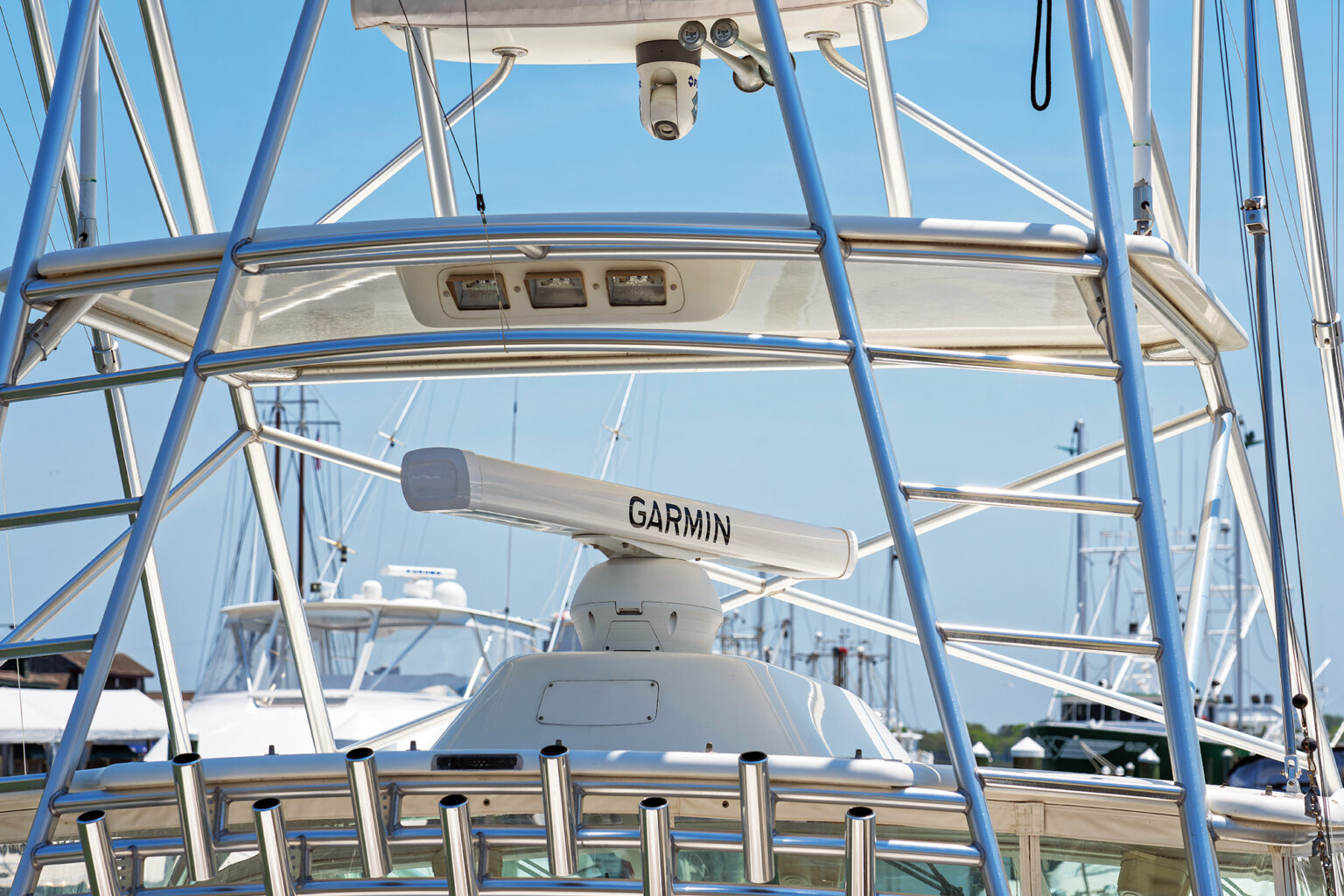 Visibility at Sea: Radar, AIS and Reflectors">

In congested coastal lanes where cargo tankers, ferries and recreational craft converge, a fiberglass or wooden hull can register a barely-there radar return, creating a serious logistics hazard for collision avoidance systems on commercial bridges and harbor patrols.
Why many yachts are “invisible” on radar
Most modern radar systems rely on returns from metal to form a solid blip. Boats with non-metallic hulls let X-band (9 GHz) and S-band (3 GHz) radar energy pass through the structure, so the only significant echoes come from isolated metal items—engines, fuel tanks, winches, or an aluminum mast. Those scattered reflections often scatter the signal away from the source, producing weak targets that might not trigger ARPA locks or attract a watch officer’s attention.
The human and technical failure modes
Collisions are rarely a single-cause problem. Poor lookout, complacency, inadequate speed-reduction in restricted visibility, and overreliance on a single system all combine. Even when both vessels have radar, classic case studies show crews can still maneuver into each other’s path. Practically speaking, the best mitigation combines equipment, seamanship, and redundancy.
Options to improve detectability
There are three practical avenues to increase your visibility to other vessels: AIS, passive radar reflectors, and active Radar Target Enhancers (RTEs). Each has pros and cons in cost, installation complexity, and effectiveness.
AIS (Automatic Identification System)
AIS transceivers broadcast vessel identity, position, heading and speed to other AIS-equipped craft and shore stations. A Class B AIS transceiver suitable for most yachts is typically in the neighborhood of $1,500 plus installation; Class A is mandated on many commercial vessels and offers higher power and range. If budget allows, AIS is the most robust way to appear on commercial plotters and on many modern nav apps.
Passive radar reflectors
Passive reflectors require no power and are low-cost. Common designs include octahedral reflectors (three sets of metallic surfaces) and the more exotic TriLens units.
- Davis Echomaster — affordable (~$130), classic skeletal sphere; easily halyard-mounted or deck-clamped.
- Echomax — higher-rated U.K. models with deck and mast brackets (expect ~$295 and up).
- TriLens — military-grade performance, heavier and harder to obtain (manufacturer: Rozendal Associates).
Active Radar Target Enhancers (RTEs)
RTEs amplify incoming radar energy and retransmit it, producing a much stronger return than passive devices, but they need electrical power. The EchoMax Active XS (~$1,750) is an example that works on both X-band and S-band. Many skippers choose AIS over an RTE due to cost and the broader data benefits of AIS.
| System | Typical Cost | Power | Klíčová výhoda | Typical Drawback |
|---|---|---|---|---|
| Class B AIS | $1,500+ | Powered | Identifies vessel to AIS-equipped traffic | Requires installation & subscription-free reception |
| Passive Reflector (Davis/Echomax) | $130–$400 | None | Low-cost visibility boost on radar | Performance varies; affected by heel/roll |
| Active RTE (EchoMax Active XS) | $1,750+ | Powered | Strong radar return on X & S bands | Costly; only works when powered |
Installation, sizing and placement tips
Reflector effectiveness is governed by radar cross-section (RCS). RCS increases quickly with size: a reflector 20% larger can roughly double the effective RCS. Practical advice:
- Buy the largest reflector your launch or deck can safely carry.
- Mount as high as possible with an unobstructed 360° view; experts recommend at least 13 feet above the waterline when feasible.
- Avoid placing the reflector in the immediate shadow of your own radar antenna—ideally mount it above the transceiver.
- Combine passive and active devices for redundancy: passive for no-power situations; active RTE for strong returns when electrics are available.
Operational checklist for busy waters
When transiting commercial lanes or fog-prone approaches:
- Reduce speed and post an extra lookout.
- Sound appropriate fog signals and display navigation lights.
- Turn on AIS and any powered RTE; hoist passive reflectors if mast-mounted.
- Trust your radar and also assume other vessels may not see you—better safe than sorry.
In short, a reflector or RTE can make you a better radar target, and AIS makes you obvious on modern plotters—but none of this absolves good seamanship. Keep a watchful eye, reduce speed in restricted visibility, and use redundancies rather than relying on a single tech fix.
Wrap-up: For owners and captains of yachts, sailboats and powerboats who charter or rent, investing in AIS, a sizable passive reflector or an active RTE meaningfully improves detection by commercial traffic and other leisure craft. Proper mounting height, regular maintenance and prudent seamanship remain essential. Whether you’re planning a weekend beach hop, a lake cruise, a gulf crossing, or a superyacht charter, combining radar-aware gear with lookout discipline protects the boat, crew and guests—making your next sailing, boating or yachting outing a safer, more enjoyable activity on the sea or ocean.