


 Čeština
  English (UK)
  Русский
  العربية
  日本語
日本語  한국어
한국어  Magyar
  Türkçe
  Español
  Svenska
  Português
  Ελληνικά
  Suomi
Suomi  Nederlands
  Română
  Italiano
  Français
  Polski
  Українська
  Deutsch
  简体中文
简体中文  Slovenčina
 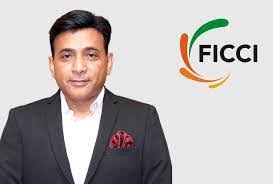 FICCI jmenovala Raviho Gosaina propagátorem indického příjezdového cestovního ruchu">

New Leadership in India’s Inbound Tourism Sector
The Federation of Indian Chambers of Commerce and Industry (FICCI) has appointed Ravi Gosain, President of the Indian Association of Tour Operators (IATO), as Chair of its national Inbound Tourism Committee. This strategic move underscores a reinvigorated effort to enhance India’s position on the global tourism map through innovative and sustainable initiatives.
Gosain’s wealth of experience in managing inbound tourism has positioned him as a key driver in pushing the boundaries of India’s tourism appeal. His leadership aims to spearhead collaborative projects that foster closer ties between industry players and government bodies, streamlining efforts to improve visitor experiences while boosting international arrivals.
Strategic Vision for Sustainable Tourism Growth
The committee under Gosain’s stewardship will focus on creating a more competitive tourism ecosystem by emphasizing sustainable development and industry innovation. Key priorities include expanding India’s presence in global markets, developing policy frameworks to support tourism growth, and identifying new opportunities that align with modern traveler expectations.
With India’s inbound tourism market evolving rapidly, this leadership is set to accelerate efforts towards a holistic and inclusive growth trajectory encompassing multiple stakeholders, from tour operators to regional tourism boards.
Context and Importance of Inbound Tourism in India
Inbound tourism has historically been a crucial segment in India’s travel industry, serving as a substantial source of foreign exchange and cultural exchange. Over recent years, the sector has witnessed a remarkable transformation, despite challenges such as infrastructure deficits and strong competition from other emerging markets.
The growth engine behind India’s tourism surge includes a growing middle class with expanding disposable income, improved connectivity via air and land transport, and aggressive marketing campaigns that have broadly raised the nation’s international profile. The “Incredible India” campaign is a prime example of targeted marketing that successfully boosted tourist arrivals after earlier setbacks.
Trends Driving India’s Tourism Expansion
- Economic Growth: Rising GDP levels have fueled greater travel ambitions both domestically and internationally.
- Middle-Class Boom: The emergence of a larger, more affluent middle class eager to explore both domestic and international destinations.
- Infrastructure Improvements: Expansion of airports, railways, and roads, making regions more accessible.
- Reforma politik: Simplified visa procedures and liberalized civil aviation policies.
Comparative Growth of Inbound vs Outbound Tourism
| Year Range | Growth Rate of Inbound Tourism (%) | Growth Rate of Outbound Tourism (%) |
|---|---|---|
| 1990-2000 | Data reflects moderate growth | 6.8 |
| 2000-2006 | Significant increase to around 8.9 annually | 11.2 |
The outbound tourism market in India has traditionally outpaced inbound travel but both have been growing robustly in the recent decades, reflecting the nation’s expanding travel appetite and economic capabilities.
Historical Overview of India’s Tourism Sector
India’s tourism sector has evolved from modest beginnings into a dynamic industry marked by significant international and domestic activity. Early development was slow due to limited infrastructure and regulatory hurdles. However, government initiatives starting in the 1990s with liberalization policies created new momentum.
The sector’s development benefited greatly from enhanced connectivity, growth in aviation services, and a burgeoning fresh wave of travelers drawn by India’s rich cultural heritage, diverse landscapes, and historical landmarks.
Tourism education and professionalization also took root from the mid-1970s onward with institutions offering specialized courses, thereby increasing the skill base across hospitality, tour operations, and destination management fields.
India’s Tourism Landscape: Key Features
- Diverse Destinations: From the Himalayan foothills to sun-drenched beaches and vibrant metropolises.
- Cultural Richness: Heritage sites, festivals, and spiritual centers that attract tourists worldwide.
- Nature and Wildlife: National parks and biosphere reserves appealing to eco-tourism enthusiasts.
- Transportation Network: Extensive railways and affordable domestic flights.
Significance for Future Tourism and Boating Activities
India’s growing attention to inbound tourism presents exciting opportunities not only for traditional land-based tourism but also for marine-related activities. Coastal and lakeside regions, such as Goa and Kerala, benefit significantly from increased tourist influx and show potential for expanded boating, sailing, and yacht charter businesses.
USPs like serene backwaters, clean beaches, and vibrant marinas could become hotspots for sailors and boating enthusiasts seeking unique experiences. Sustainable tourism policies under new leadership may further encourage such niche activities, attracting international tourists looking for diverse water-based recreation.
Potential Impact on Sailing and Boat Rentals
With historic coastal destinations already pulling visitors interested in activities on the water, enhanced inbound tourism strategies may lead to increased demand for yacht charters, sailing cruises, fishing excursions, and other marine adventures. Improved infrastructure and marketing can support marinas and water-sport operators to capitalize on these trends, transforming India’s waterways into lively hubs for water leisure.
Looking Forward: A Stronger Global Presence
As India positions itself as a major player in the global tourism arena, leadership like that of Ravi Gosain is expected to reinforce strategic development of inbound tourism with sustainability and inclusivity at its core. Synergistic industry-government collaboration will remain crucial to navigating challenges and identifying growth avenues across both mainland and coastal tourism sectors.
These initiatives promise to cultivate new travel offerings that appeal to a broad spectrum of visitors while nurturing economic growth and cultural exchange.
Key Takeaways
- Ravi Gosain’s appointment signals a committed push toward revamping and expanding India’s inbound tourism landscape.
- India’s tourism growth is supported by strong economic and infrastructural foundations and a rising middle class.
- Coastal regions stand to gain from enhanced tourism initiatives through increased interest in boating and sailing activities.
- Strategic alignment between government and industry will foster sustainable and innovative tourism solutions.
For those drawn to the waters and sunshine of India’s coastal and lake destinations, the evolving tourism environment opens exciting possibilities to pronájem jachet nebo pronájem člunů for unforgettable sailing trips along the sun-kissed shores and tranquil waters. To explore a diverse fleet of boats and yachts that fit every taste and budget, consider browsing platforms like GetBoat.com—an international marketplace that connects adventurers with the sea, marinas, and boating experiences worldwide.