


 Čeština
  English (UK)
  Русский
  العربية
  日本語
日本語  한국어
한국어  Magyar
  Türkçe
  Español
  Svenska
  Português
  Ελληνικά
  Suomi
Suomi  Nederlands
  Română
  Italiano
  Français
  Polski
  Українська
  Deutsch
  简体中文
简体中文  Slovenčina
  Navi Mumbai International Airport Starts Operations, Expanding Regional Travel">

New Aviation Gateway Ushers Change in Mumbai’s Skyline
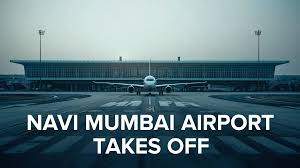
On December 25, 2025, the long-awaited Navi Mumbai International Airport (NMIA) began commercial operations, setting a new chapter in India’s aviation development. This state-of-the-art facility promises to alleviate congestion at Mumbai’s main airport and elevate the region’s position among global transport hubs. The inaugural flight from Bengaluru operated by IndiGo marked the commencement, receiving a traditional water cannon salute—a time-honored aviation welcome.
Launching a Major Infrastructure Milestone
With operations underway, the airport immediately handled over 4,000 passengers on its very first day across 48 scheduled domestic flights connecting nine destinations. Peak traffic in the early morning hours attested to robust travel demand and operational preparedness. Developed and managed by Adani Airports Holdings Limited, NMIA represents one of India’s largest greenfield airport projects, designed to meet the growing air traffic needs of the Mumbai metropolitan area. It aims to join the ranks of multi-airport cities such as London and New York with a comprehensive aviation network.
| Feature | Detail |
|---|---|
| First Commercial Flight | IndiGo Flight 6E460 from Bengaluru |
| Passenger Volume Day 1 | Over 4,000 |
| Number of Flights Day 1 | 48 Scheduled Domestic Flights |
| Domestic Destinations Served | 9 |
| Operator | Adani Airports Holdings Limited |
Celebration and Significance
The opening ceremony brought together a wide spectrum of guests, including prominent athletes and social figures. The flag hoisting was notably led by decorated Indian war veterans, underscoring a sense of national pride. The event highlighted the airport’s role not only as infrastructure but as a symbol of India’s ambitions. The NMIA’s design features, such as the signature lotus motif, were unveiled through an impressive drone light show featuring over 1,500 drones, emphasizing themes of sustainability and innovation.
The Aviation Landscape in India – A Historical Overview
India’s aviation story has long been marked by transition from restrictive skies under state monopolies to a vibrant, liberalized market encouraging private investment and infrastructure development. Traditionally, Mumbai’s main airport and its counterparts in Delhi handled the bulk of the international and domestic air traffic, but these hubs faced growing capacity challenges. The newer airport in Navi Mumbai forms part of a strategic policy shift aimed at decentralizing air traffic and boosting national and regional connectivity.
From Monopoly to Market Expansion
Until recent decades, the aviation sector’s growth was slowed by government controls. However, the liberalization policies of the 1990s unlocked the industry, allowing new private players to enter and enabling the construction of modern greenfield airports like NMIA. The surge in air travel demand coincided with economic growth and a rising middle class, propelling India towards becoming one of the world’s fastest-growing aviation markets.
| Rok | International Aircraft Movements (000) | Domestic Aircraft Movements (000) |
|---|---|---|
| 1999-2000 | 99.7 | 368.0 |
| 2003-2004 | 132.9 | 506.0 |
| 2006-2007 | 215.6 | 862.0 |
Enhancing Connectivity: Impact on Travel and Tourism
The development of NMIA aligns with forecasts predicting passenger traffic in Indian airports to reach up to 100 million by 2010, combining domestic and international travelers. Expanding air infrastructure, especially the launch of new airports in metro regions, points to a more distributed aviation footprint that helps unlock secondary markets and promotes accessibility. This shift will likely spur outbound tourism, with a growing number of Indian travelers exploring both domestic and overseas destinations.
Outlook: NMIA’s Role in Future Travel Trends
The new airport’s commencement is a pivotal move to not only ease congestion at Mumbai’s primary international airport but also to increase overall capacity, thereby supporting India’s global connectivity ambitions. The inclusion of modern facilities designed with sustainability in mind indicates a future-ready infrastructure that meets international standards. This expansion is expected to boost Mumbai’s standing in global business, leisure travel, and potentially yachting-related tourism, considering the region’s coastal allure.
Potential Influence on Waterside Activities and Boating
While primarily an aviation development, the opening of NMIA indirectly benefits marine and sailing tourism by facilitating easier access to coastal destinations around Mumbai and Navi Mumbai. Travelers interested in jachting, charter servicesa boat rentals may find improved connectivity encourages more visitors to enjoy the nearby pláže a přístavy. The synergy of enhanced air travel and regional water activities can strengthen the tourism profile of the area.
Výhled do budoucna
As air traffic grows and regional transport networks evolve, the integration of boat charter services and seaside leisure activities might flourish, leveraging the accessibility brought by facilities like NMIA. The port cities in Maharashtra could see an uptick in jachta tourism and waterfront recreational activities, merging the excitement of air travel with the allure of the sea and coastline.
Summary
The launch of Navi Mumbai International Airport is a landmark in India’s aviation progress, easing pressure on existing infrastructures and expanding the gateway to one of the country’s busiest metropolitan areas. More than just a new terminal, it characterizes a shift towards sustainable, efficient travel designed for a growing market of millions of passengers. This enhancement not only improves connectivity but also opens doors for evolving tourism trends, including those associated with coastal and sailing leisure. As Mumbai steps into this new era, the increased passenger flow can enhance opportunities for boating, yachting, and other marine-focused activities.
For travelers and adventure seekers looking to explore coastal regions via the water, GetBoat.com offers a vibrant international marketplace for renting sailing boats, yachts, and other vessels, providing the perfect blend of air and sea travel for every taste and budget.