


 Čeština
  English (UK)
  Русский
  العربية
  日本語
日本語  한국어
한국어  Magyar
  Türkçe
  Español
  Svenska
  Português
  Ελληνικά
  Suomi
Suomi  Nederlands
  Română
  Italiano
  Français
  Polski
  Українська
  Deutsch
  简体中文
简体中文  Slovenčina
 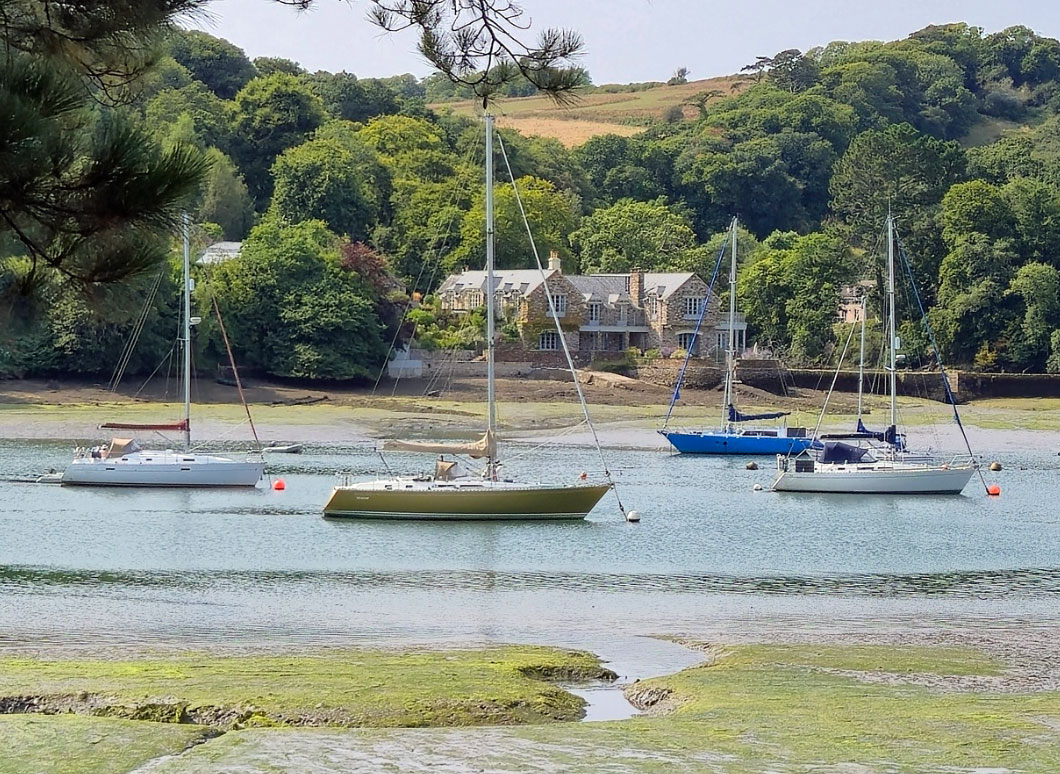 Precizní techniky pro zajištění stání v jakýchkoli podmínkách">

Immediate operational detail: approach speeds and tidal limits
On tidal coasts where currents exceed 1.5 knots, approach angles must be reduced and power must be kept in hand: maintain a steerage speed of roughly 1.0–2.0 knots so the rudder retains authority without creating a wash that displaces the buoy. If local flow approaches or exceeds 2.5–3.0 knots, expect the mooring’s vertical riser to lean down-current and allow an increased margin when timing the pick-up.
Picking up a Mooring: the fundamentals
The manoeuvre is fundamentally an exercise in energy management: converting a vessel’s momentum into a stable connection with ground tackle. The decisive point is the slow-motion finish — the bow must be brought to the buoy with enough steerage to hold course, but not so much speed that the crew must lunge with a boat hook. Successful mooring pick-ups begin long before the bow reaches the buoy: clear the foredeck, flake lines ready to run, and confirm each crew member’s role.
Pre-approach deck checklist
- Bow lines flaked and rigged through fairleads.
- Boat hook ready, at hand but not extended prematurely.
- Crew positions assigned and rehearsed with hand signals.
- Engine control plan established — forward, reverse, neutral expectations understood.
- Fenders deployed appropriately for expected contact and swing.
Assessing the elements: wind vs tide
Determine the dominant force before the final turn. Observe boats already on the trot or single-point moorings: if all bows point in a single direction, that force is dominant. Conflicting headings among moored boats indicate competing wind and tidal sets; in that case, approach on a heading into the stronger force. That gives the helm maximum authority and reduces lateral slew when the line takes load.
Quick rules of thumb
- If tide > wind in knots, treat the approach as current-driven.
- If wind force 5+ (17–21 knots) is present, assume wind-dominant handling.
- In narrow channels pick the up-current/upwind side for your final pass to maximize control.
Swinging vs trot moorings: configuration guide
Two principal mooring systems require distinct tactics: the single-point swinging mooring and the fore-and-aft (trot) mooring. Each has predictable behaviour once your boat is on station.
| Typ | Characteristics | Approach priority | Common hazards |
|---|---|---|---|
| Swinging (single-point) | One bow attachment, 360° swing to face prevailing force | Approach bow-on into dominant force; soft stop to pick riser | Wide swing circle; bow hunting in gusts |
| Trot (fore-and-aft) | Two buoys maintain vessel orientation fore-and-aft | Secure forward buoy first; run long stern line to aft buoy fast | Requires precise timing; risk of being slewed across lane |
Practical tips for swinging moorings
When taking a swinging mooring, approach slowly, keep helm corrections small, and ensure the bow line runs free. Do not overuse reverse thrust to stop — that can pull the buoy away or snap a chafe-prone line. Aim to drop the bow onto the riser with minimal lateral velocity.
Practical tips for trot moorings
For trotting moorings, the forward buoy is the priority. Once secured, run a long, sprung stern line and winch or cleat it quickly; a stern line of substantial length permits the stern crew to compensate for changes while bow lines are being adjusted. In strong tidal flow, prepare to bring a second crewman aft with a boat hook to catch the stern buoy at the precise moment.
The technical approach: angles, speed, and helm
The so-called “dead slow” approach is a misnomer. You need sufficient speed to retain steerage — generally around 1–2 knots depending on hull type — but not so much that your wash displaces the buoy or causes strong hydrodynamic interaction. Approach angles should be shallow: a 30°–45° bearing into the buoy gives a controllable final turn while reducing direct downstream pressure on the mooring line.
Engine use and braking
Use short bursts of reverse to check speed rather than sustained backing, which can unsettle the vessel and increase propwash. On fin-keel yachts a slight sternway aids hook placement; on full-keel cruisers maintain forward steerage to use the rudder effectively. Always keep the engine at the ready — a single unexpected gust or a shift in tide can require immediate manoeuvring.
Communication and signals
Hand signals are essential when the engine and wind make shouting ineffective. Agree a simple set before manoeuvring: “take in”, “slack”, “hold”, “forward”, “back” and a clear visual “stop”. The same small vocabulary keeps actions predictable and immediate.
Operational considerations for charter and rental operations
For operators and holiday crews—especially in the charter market—clear pre-departure briefings on mooring techniques reduce damage and stress. Rental crews are often less familiar with local currents and buoy layouts; consider publishing simple local flow charts and a short checklist for guests. For those hiring a vessel, practising mooring pick-ups in calm conditions will pay dividends when conditions deteriorate.
Proč je to důležité pro plachetní dovolenou a pronájem lodí
Every safe mooring pick-up reduces the risk of damage to hulls and personalities. For renters and charter guests, confidence in mooring skills expands options: anchoring in sheltered bays, using crowded marinas, or holding overnight in trotted mooring fields. GetBoat always keeps an eye on developments that matter for seaside vacations and charter safety, because we understand the freedom, energy, and ability to choose your own course that define a memorable trip.
Key takeaways: preparation, understanding dominant forces, correct approach speed, and clear crew communications are the pillars of successful mooring pick-ups. Experience and local knowledge shorten the learning curve; practice in calmer conditions before attempting tight or tidal moorings.
If you plan your next trip to the sea, remember that experiencing a new location is always a multifaceted process, where one learns about the culture, nature, the indescribable palette of local colors its rhythm of life and also the unique aspects of the service. If you are planning your next trip to the sea, you should definitely consider renting a boat (boat rentals, rent a boat, rent a yacht), as each inlet, bay, and lagoon is unique and tells you about the region just as much as the local cuisine, architecture, and language GetBoat.com
Forecast and call to action: this guidance is unlikely to reshape the global tourism map on its own, but practical seamanship directly improves safety and enjoyment across yachting Destinations worldwide. Start planning your next seaside adventure and make sure to book the best boat and yacht rentals with GetBoat before the opportunity sails away!
Summary: mastering mooring pick-ups—understanding swinging versus trot moorings, reading wind a tide, controlling approach speed and using concise komunikace s posádkou—is essential for safe, stress-free cruising and chartering. Whether you’re securing a small boat on a calm lake, a family charter in a gulf, or planning superyacht passages between marinas, these techniques protect vessel and crew. For those seeking yacht charters, boat sale or rent listings, captain services, or varied yachting activities—sunseeker-style performance, clearwater anchorages, fishing trips or simple beach excursions—platforms offering transparency on make, model, and ratings make planning straightforward. GetBoat.com provides a global, user-friendly solution for unforgettable touristic experiences in yacht, charter, boat, beach and lake destinations — transparent, convenient, and ready to help you find the right vessel for your sea, ocean, or gulf adventure.
Copyright © 2026 Dick McClary Sailboat-Cruising.com