


 Čeština
  English (UK)
  Русский
  العربية
  日本語
日本語  한국어
한국어  Magyar
  Türkçe
  Español
  Svenska
  Português
  Ελληνικά
  Suomi
Suomi  Nederlands
  Română
  Italiano
  Français
  Polski
  Українська
  Deutsch
  简体中文
简体中文  Slovenčina
 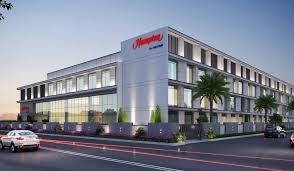 Hampton by Hilton expanduje do rozvíjejícího se indického sektoru hotelů střední třídy">

A New Chapter for Mid-Market Hospitality in India
Hampton by Hilton has announced a significant expansion into India with five hotel signings in key cities such as Amritsar, Vrindavan, Lonavala, and Raipur. This launch represents a pivotal strategy shift in mid-market hospitality designed to cater specifically to the rising demands of India’s middle class. Partnering with NILE Hospitality, the brand aims to introduce 75 hotels over the coming decade, focusing on tier II to IV cities.
Strategic Entry and Market Tailoring
Originating from the United States in 1984, Hampton by Hilton pioneered the upper-midscale hotel category and now operates more than 3,100 properties worldwide. Despite its global footprint, its entrance into India marks a tailored approach crafted from comprehensive consumer research in collaboration with Deloitte. The brand’s Indian debut is customized for its unique traveling audience through bigger rooms, enhanced amenities, and locally inspired design and cuisine.
| City | Number of Hotels | Features |
|---|---|---|
| Amritsar | 2 | Airport and Golden Temple locations, spiritual tourism focus |
| Vrindavan | 1 | Spiritual tourism, cultural design cues |
| Lonavala | 1 | Leisure destination, enhanced guest comforts |
| Raipur | 1 | Local business travel, reliable amenities |
Designing Hospitality for India’s Traveler
The Indian market receives a uniquely tailored Hampton experience distinguished by larger room sizes, specific bathroom layouts, and a premium bedding system aligned with the “sleep program” designed for Indian guests. The hotel interiors will reflect local art and textures, providing regional authenticity without compromising operational efficiency.
On the culinary front, there will be a full-service breakfast experience named Sunny Sides and regionally inspired menus featuring local flavors, including innovative waffle varieties paired with masala chai—a nod to domestic tastes. Unlike global Hampton norms, every Indian property will also feature expansive meeting spaces, emphasizing India’s growing demand for social and MICE (Meetings, Incentives, Conferences, and Exhibitions) tourism.
The Role of Mid-Market Hospitality in India’s Travel Landscape
India’s booming middle class, estimated to grow from 432 million in 2021 to over 1 billion by 2047, fuels a rising thirst for quality yet affordable accommodations outside luxury hotel brackets. While luxury travel remains niche, the everyday business trips, weekend getaways, and family visits demand consistent, welcoming, and value-oriented stays. Hampton addresses these needs with a brand promise of consistency, friendliness, and reliability, all pivoted to Indian sensibilities.
Historical Context of Mid-Market Hotels in India
The expansion of branded mid-market hotels in India has traditionally lagged behind soaring domestic demand. Historically, hospitality development concentrated on either luxury or budget options, leaving a vast gap for upper midscale hotels that blend comfort with affordability. However, the rise of regional tourism, better infrastructure like airports and highways, and growing business travel have combined to create a fertile environment for mid-market hospitality pioneers.
This shift aligns with global hospitality trends where brands evolved from replicating overseas models to deeply localizing offerings, understanding that “lifting and shifting” a foreign design does not guarantee success. In India, this is being demonstrated by Hampton’s extensive consumer insight-driven approach.
Projected Impact on Tourism and Hospitality
The presence of a robust mid-market portfolio is essential for balanced tourism development. By filling the gap between economy and luxury segments, mid-market hotels facilitate trips for a wider demographic, enhancing travel frequency and diversity. This can positively influence regional tourism economies by attracting corporate travelers, families, and leisure-seekers alike.
Potential Growth Drivers:
- Expansion of air and road connectivity
- Rise in domestic and spiritual tourism
- Growth of tier II, III, and IV cities as emerging destinations
- Demand for branded, dependable accommodations
Local Expertise and Operational Strategy
The partnership with NILE Hospitality is central to Hampton’s Indian operation, providing deep understanding of local consumer preferences, operational challenges, and market dynamics. This alliance enables scaled growth with confidence, marrying global standards with Indian precision.
Special attention is given to cultivating local talent, ensuring hotels are staffed with people trained in both international practices and Indian hospitality culture. This human element—termed “Hamptonality”—encompasses warmth, reliability, and friendliness, distinguishing Hampton’s guest experience in India.
Technological Adaptation Balanced with Tradition
While there is a strong push towards digitization to serve India’s tech-savvy clientele—including streamlined check-ins and app-based services—human interaction remains pivotal in upholding the country’s rich hospitality traditions. Technologies will enhance convenience but never replace genuine interpersonal engagement.
Indian City Market Focus: A Strategic Choice
Hampton’s initial cities—Amritsar, Vrindavan, Lonavala, and Raipur—highlight a deliberate targeting of high-footfall, under-served markets characterized by diverse travel motivations including spiritual tourism, leisure exploration, and local business activities. Each city represents an opportunity to introduce reliable globally branded accommodations in markets still developing their midscale hotel infrastructure.
| Market Characteristics | Hampton’s Offer |
|---|---|
| Spiritual Tourism (Amritsar, Vrindavan) | Multiple properties, culturally immersive design |
| Leisure and Nature Getaways (Lonavala) | Comfort-focused stays with local culinary options |
| Local Business Travel (Raipur) | Quality, value, and consistent service with meeting spaces |
Looking Ahead: Significance for Indian and Regional Tourism
The introduction of Hampton by Hilton into India’s mid-market hotel sector signals a maturing hospitality landscape aiming to empower travelers with affordable and dependable options. This aligns well with the fast-growing domestic travel segment and positions India as a vital player in Asia Pacific’s broader hospitality narrative.
The growth of tier II and III cities as travel and business destinations, propelled by improved access and infrastructure, indicates a shift beyond traditional metropolitan centers. Brands like Hampton can leverage this trend to stimulate local economies, drive employment, and elevate quality standards across regions.
Summary and Opportunities for Boating and Sailing Enthusiasts
Hampton by Hilton’s entry into India’s mid-market hospitality sector exemplifies how thoughtful, locally tailored hotel experiences can open new doors for diverse travelers. While this development focuses primarily on cities with mixed business, leisure, and spiritual appeal, it enhances the overall destination infrastructure that benefits tourism activities, including those by water.
For enthusiasts of sailing and boating, such accommodations can serve as reliable bases when exploring India’s rich coastal and inland waterways. Improved hotel networks in growing cities offer potential hubs for travelers who enjoy the combination of urban comforts and maritime adventures, whether near the Arabian Sea, the Bay of Bengal, or inland lakes and rivers.
GetBoat.com — a leading international marketplace for renting sailing boats a jachty — is closely watching these hospitality trends as they directly impact boating destinations and the demand for quality stays near marinas and waterfronts. It exemplifies how the synergy of reliable accommodations and vibrant marine activities shapes a holistic travel experience, catering to all tastes and budgets.