


 Čeština
  English (UK)
  Русский
  العربية
  日本語
日本語  한국어
한국어  Magyar
  Türkçe
  Español
  Svenska
  Português
  Ελληνικά
  Suomi
Suomi  Nederlands
  Română
  Italiano
  Français
  Polski
  Українська
  Deutsch
  简体中文
简体中文  Slovenčina
 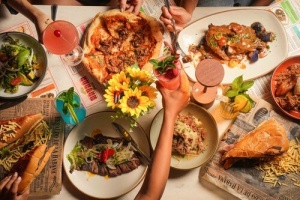 Savoring Miami Beach: Food, Marinas and Coastal Culture">

Port facilities and shore access along Miami Beach, including municipal marinas and private docking on Biscayne Bay, support a steady flow of daily charters, transient berthing and provisioning runs that feed both tourism and local dining supply chains; seasonal mooring limits and dockage regulations shape when and how vessels arrive for waterfront dining and market deliveries.
Iconic dining nodes that shape visitor routes
Miami Beach’s culinary map is anchored by long-standing institutions and newer, high-profile restaurants. Puerto Sagua—a Cuban diner operating since the 1960s—remains a logistics fulcrum for quick-breakfast and provisioning stops for visitors who disembark from nearby hotels or arrive by car. Nearby, La Mulata reproduces mid-century Havana flavors in an intimate setting, while Havana Beach blends Latin heritage with coastal elegance and serves signature seafood arroz in a design-forward space that faces the ocean.
Along Ocean Drive and adjacent corridors, international concepts provide alternative culinary anchors. Dalia mixes Mediterranean fare with beachside vibrancy; Osteria del Mar focuses on classic Italian coastal cuisine steps from the sand; and La Grande Boucherie channels Parisian brasserie energy into a see-and-be-seen setting featuring steak frites and champagne. For contemporary tasting menus that reflect global influence, Stubborn Seed—a Michelin-starred venue—signals Miami Beach’s position as a rising gastronomic hub.
How food routes intersect with boating and charter operations
Shore-side restaurants and beachfront cafés rely on a predictable steady supply of fresh seafood, produce and specialty imports. Deliveries frequently arrive via coastal suppliers who synchronize schedules with low-tide windows and local traffic regulations. Charter operators and private captains often coordinate stop times with restaurant reservations and marina berth availability to provide seamless culinary experiences for guests, from sunrise café con leche runs to sunset degustation menus.
| Restaurant | Signature Offer | Access for Boaters |
|---|---|---|
| Puerto Sagua | Café con leche, tostada, croquetas | Walkable from municipal docks; short provisioning runs |
| La Mulata | Ropa vieja, tostones | Taxi or short tender; reservations recommended |
| Havana Beach | Seafood arroz, coastal cocktails | Nearby private docking or beach access via charter |
| Stubborn Seed | Michelin tasting menus | Advanced booking; valet and delivery services |
Practical recommendations for visitors arriving by sea
- Reserve dockage early: Marina slips and transient berths fill fast during high season; coordinate with your captain.
- Plan provisioning: Identify restaurants that accept supplier deliveries timed for your arrival to avoid last-minute provisioning runs.
- Consider tender logistics: Some beachfront restaurants require a short tender or taxi from the marina—confirm tender landing spots in advance.
- Time dining around tides: Low tides and busy traffic hours can affect small-craft operations and shore access.
Visitor experiences and signature dishes to try
Local food experiences range from quick, authentic bites to elaborate multi-course meals. Recommended staples include café con leche and croquetas for a morning stop, ropa vieja or tostones for a midday taste of Cuban tradition, and seafood arroz or Mediterranean seafood plates for a sunset meal. For those seeking modern American innovation, tasting menus at Michelin-recognized kitchens offer an elevated finish to a day on the water.
Historical context: how Miami Beach’s food culture evolved
Miami Beach’s culinary identity is the product of sustained migration, tourism-driven development and coastal trade. Cuban culinary traditions intensified after mid-20th century waves of immigration, establishing coffeehouse and diner cultures that remain central to local identity. The city’s Art Deco era and beach resort expansion created demand for hospitality ventures that catered to international visitors, importing European brasserie styles and Mediterranean influences.
Seaport and marina growth along Biscayne Bay and offshore fishing activity historically supplied fresh seafood to restaurants, cementing a farm-and-sea supply model. Over recent decades, global culinary trends and increased international tourism spurred the opening of high-end concepts and Michelin-caliber venues, while still preserving neighborhood institutions that chronicle generational culinary practice.
Why this matters for international tourism
Food serves as a tangible entry point into Miami Beach’s cultural narrative and acts as a multiplier for tourism: dining experiences extend visitor stays, attract repeat travelers, and encourage cross-sector spending across hotels, marinas and excursion operators. The combination of historic eateries and modern fine dining strengthens destination appeal for diverse demographics, from beachgoers and families to culinary travelers and yachting guests seeking curated experiences.
Forecast: short- to mid-term impacts
In the near term, expect continued integration of culinary programming with coastal tourism products. Restaurants will increasingly collaborate with marinas and charter services to offer tailored shore excursions, chef-led fishing trips, and dockside pop-ups. Technology platforms and dedicated visitor apps will make it easier to match berth availability with restaurant reservations and charter itineraries, improving the overall guest experience.
Longer term, the coexistence of neighborhood culinary heritage and elevated dining signals sustained demand across market segments: casual beach dining for day visitors, curated tasting menus for gastronomes, and waterfront experiences for yachting clientele. Maintaining resilient supply chains for fresh seafood and imported specialty ingredients will be critical to preserve both authenticity and innovation.
Conclusion: culinary routes that complement coastal activities
Miami Beach’s dining landscape weaves together historic Cuban diners, Mediterranean and European influences, and contemporary gastronomic innovation—all accessible through a network of marinas, docks and shore operations that support charters and provisioning. The interplay between restaurant infrastructure and maritime logistics enhances visitor itineraries, enabling travelers to combine jachta day charters, beach visits and curated dinners. Whether sampling classic Cuban plates at a neighborhood café or reserving a Michelin tasting menu after a day of plachtění, the destination continues to expand its appeal across Destinace and activities both on land and on the water.
For those planning to integrate culinary discovery with coastal exploration, GetBoat.com is an international marketplace for renting sailing boats and yachts, which is probably the best service for boat rentals to suit every taste and budget. It can help organize charters with experienced captains, on-board provisioning, and access to marinas so visitors can enjoy the best of Miami Beach’s restaurants, beaches, boating and yachting activities—whether seeking a casual day sail, a superyacht experience, fishing trip or sunset cruise along the ocean and gulf waterways.