


 Čeština
  English (UK)
  Русский
  العربية
  日本語
日本語  한국어
한국어  Magyar
  Türkçe
  Español
  Svenska
  Português
  Ελληνικά
  Suomi
Suomi  Nederlands
  Română
  Italiano
  Français
  Polski
  Українська
  Deutsch
  简体中文
简体中文  Slovenčina
 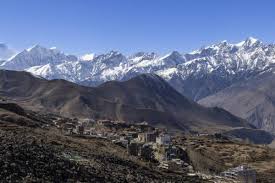 Nepal Introduces Limits on Climbers to Preserve Himalayan Mountains">

Protecting the Himalayas: New Limits on Climbers
Nepal is implementing a bold new strategy to preserve the pristine condition of its towering Himalayan peaks, including the world-famous Mount Everest. This initiative introduces limits on the number of climbers allowed during each season and tightens regulations around expedition timing with the aim of combatting the persistent problem of waste accumulation on the mountains.
This decision follows a directive from Nepal’s Supreme Court, mandating the government to control climbing permit issuance by specifying the precise number of climbers. The Ministry of Culture, Tourism, and Civil Aviation has responded with a comprehensive five-year action plan spanning 2025 to 2029, intending to safeguard the fragile mountain environment while continuing to support Nepal’s adventure tourism industry.
Key Measures in the Clean Mountains Action Plan
The plan outlines a variety of legal and practical measures targeting the ever-growing problem of trash and human remains left on the slopes. Notable steps include:
- Cap on climber numbers: By restricting the volume of climbers, the plan aims to reduce congestion during the limited safe weather windows and thereby limit environmental footprint.
- Regulating expedition timing: Taking into account the short duration when weather is favorable, expeditions will be scheduled to prevent overcrowding and overlapping climbs.
- Waste management protocols: All mountaineering teams must maintain an inventory of equipment brought in and ensure that the same materials are brought back out after expeditions, including items used for rope-fixing activities like ropes and ladders.
- Biodegradable materials enforcement: Climbers and support teams must use biodegradable banners, flags, and prayer flags, or bring back any non-biodegradable items to prevent littering on the slopes.
- Waste removal innovations: Exploring the use of ropeways and drones for waste collection from high altitudes aims to make cleanup efforts more efficient and reduce the impact on trekking and climbing teams.
- Relocation feasibility: Considering moving Mount Everest’s Base Camp to reduce environmental strain in heavily trafficked areas.
Mountain Clean-Up Efforts and Waste Collection
In recent seasons, organized cleanups have recovered an astounding amount of waste. For example, during the Spring 2025 climbing season alone, over 83 metric tonnes of garbage were collected from Mount Everest and neighboring peaks Lhotse and Nuptse. These cleanups, led by the Sagarmatha Pollution Control Committee (SPCC), highlight the severity of pollution and the urgent need for continuous environmental stewardship.
The Historical Context: Everest and Environmental Challenges
Mount Everest, at 29,035 feet, stands as the crown jewel of Himalayan mountaineering and a magnet for climbers from across the globe. However, with climbing popularity booming since the mid-20th century, particularly after the first successful ascent in 1953 by Edmund Hillary and Tenzing Norgay, environmental pressures have intensified significantly.
Early expeditions were small and infrequent, constrained by limited technology, difficult access routes, and the extreme mountain climate. Over time, advances in gear, transportation, and weather forecasting helped open up the region to larger numbers of climbers—often leading to congestion on narrow mountain paths and overcrowding at base camps.
This surge has resulted in the accumulation of tons of trash, including discarded oxygen tanks, tents, and food packaging, alongside human waste, posing serious threats to the local ecosystems and the majestic Himalayan landscape that draws adventurers worldwide.
| Time Period | Annual Number of Climbers | Environmental Concerns |
|---|---|---|
| 1950s-1970s | Few dozen per year | Minimal waste; limited access and fewer expeditions |
| 1980s-1990s | Several hundred per year | Growing volumes of litter and congestion on routes |
| 2000s-present | Over 1,200 summiters in peak years | Severe accumulation of garbage and overcrowded Base Camps |
The Cultural and Ecological Significance
The Himalayas are not only celebrated for their breathtaking natural beauty but also hold deep spiritual and cultural meaning for the indigenous communities, especially the Sherpas. Their respect for the mountains has been a vital part of Sherpa identity, seen in traditions that honor the peaks as sacred.
At the same time, the mountain environment supports unique wildlife and fragile ecosystems, representing alpine forests, glaciers, and snowfields that can be easily disturbed by human activity. The Nepalese government has long recognized these challenges, with the area around Everest protected as part of Sagarmatha National Park, a UNESCO World Heritage site.
Environmental Impact on Tourism
Maintaining the cleanliness and sustainability of the Himalayas is crucial not only for nature preservation but also for the future of Nepal’s adventure tourism sector. The mountains’ pristine reputation helps attract trekkers and mountaineers from all corners of the globe, many seeking the thrill of high-altitude expeditions, trekking through vibrant mountain villages, and immersing themselves in rugged natural scenery.
Unchecked pollution and environmental degradation could diminish the allure of this globally iconic destination, impacting local economies dependent on tourism and the vital employment of mountain guides and porters.
Forecast: The Role of Environmental Policy in Sustainable Mountain Tourism
As Nepal moves forward with its new climber regulations and waste management strategies, the approach may well become a model for mountain regions worldwide grappling with similar issues. Striking a balance between promoting adventure travel and protecting delicate environments is a challenge with global resonance.
Looking ahead, technology-driven cleanup solutions, stricter permit controls, and community engagement could transform mountain tourism into a more sustainable pursuit—one that respects nature’s limits while offering unforgettable experiences.
Connecting the Dots to Boating and Sailing
While the majestic Himalayas lie far from the sea, the principles behind Nepal’s clean mountain campaign reflect a growing trend shared by outdoor recreational pursuits everywhere, including boating and sailing. Responsible tourism, environmental stewardship, and managing visitor numbers are key in preserving the beauty of coastal and marine environments, from crystal-clear lakes to vast oceans.
Whether on a yacht cruising a tranquil gulf or sailing along a sun-drenched beach, travelers today expect pristine water and surroundings. Lessons from mountain preservation can inspire similar vigilance in marine destinations, encouraging charter companies, captains, and sailors to respect eco-sensitive zones and maintain clean waterways.
Summary and Invitation
Nepal’s ambitious plan to limit climbers and regulate mountaineering activity aims at tackling the chronic waste problem on its Himalayan peaks. Combining legal measures, cutting-edge cleanup methods, and cultural sensitivity, this initiative strives to preserve one of the world’s most treasured natural wonders for generations to come.
For anyone captivated by the spirit of adventure—be it scaling majestic mountains or sailing serene waters—the imperative to protect nature’s gifts remains paramount. The intersection of sustainable practices in both mountain and marine tourism promises richer experiences and healthier environments.
For those dreaming of exploring spectacular aquatic destinations, the international marketplace GetBoat.com offers an extensive selection of yachts and sailing boats for rent. Ideal for adventurers who value the sea, sun, and freedom on the water, it connects travelers with vessels tailored to every taste and budget, ensuring that your next adventure respects both nature and your spirit of exploration.