


 Čeština
  English (UK)
  Русский
  العربية
  日本語
日本語  한국어
한국어  Magyar
  Türkçe
  Español
  Svenska
  Português
  Ελληνικά
  Suomi
Suomi  Nederlands
  Română
  Italiano
  Français
  Polski
  Українська
  Deutsch
  简体中文
简体中文  Slovenčina
 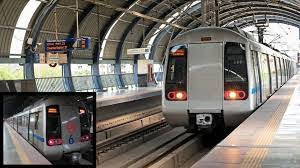 Delhi Metro plans platform expansions to tackle rush hour congestion">

Platform Extensions to Boost Capacity and Comfort
The Delhi Metro Rail Corporation (DMRC) is undertaking a significant infrastructure upgrade by extending platforms at 32 stations to address the persistent issue of rush-hour congestion. This project, with an estimated budget of INR 5.71 crore, is designed to accommodate longer trains and larger crowds on some of the network’s busiest corridors. By doing so, the DMRC aims to improve the ease of boarding and deboarding, while enhancing overall travel comfort and passenger safety.
Scope and Locations of the Expansion
The affected stations spread across multiple metro lines, notably including key stops on the Blue Line such as Noida Sector-15, 16, 18, Golf Course, and Noida City Centre on Line-3; as well as Laxmi Nagar, Nirman Vihar, and Preet Vihar on Line-4’s extension. These zones are among the most crowded during peak travel times, serving millions of commuters daily.
The project tender was issued on October 24 and remains open until November 17, with technical evaluations scheduled soon. Once contracts are awarded, the extension works are expected to be completed within a year from commencement.
Benefits for Commuters
- Increased Train Capacity: Longer platforms will allow operation of longer trains, thus serving more passengers per trip.
- Reduced Congestion: Expanded platforms will alleviate overcrowding, especially during rush hours.
- Improved Safety: Lesser crowding reduces jostling and accident risks on platforms.
- Enhanced Convenience: More space facilitates smoother boarding and deboarding processes.
Historical Context of Delhi Metro and Its Growth
Since its inception, the Delhi Metro has dramatically transformed urban transit in India’s capital region. Launched in the early 2000s, the network rapidly expanded to connect with satellite cities such as Noida and Ghaziabad, effectively easing road traffic and pollution woes. The Blue Line, operated by DMRC, stands as the longest and among the busiest routes in the system, stretching roughly 50 kilometers with 50 stations on the main line and 8 more on the branch line to Vaishali.
Over the years, Delhi Metro’s growth has mirrored urban sprawl and rising commuter demand. The network currently services approximately 6.5 million passengers per weekday across its 10 lines and two rapid rail routes. The recent surge in ridership has necessitated continuous upgrades to infrastructure, with a clear focus on bolstering passenger capacity and maintaining safety.
Platform Length and Train Length: A Vital Relationship
The capacity of metro lines heavily depends on the number of cars in a train. Platform extension enables the accommodation of additional cars, which not only increases peak-hour throughput but can also reduce waiting times and distribute passengers more evenly, enhancing the journey experience.
Looking Ahead: What This Means for Urban Mobility and Tourism
Urban transit upgrades such as these have ripple effects beyond the daily commuter rush. Efficient, less crowded metro systems can improve the overall accessibility of a city, making it easier for tourists and visitors to travel swiftly between key neighborhoods and attractions. For regions that host vibrant cultural and commercial centers, enhanced metro infrastructure supports greater footfall without the penalties of traffic jams and parking headaches.
With Delhi linked closely to important economic corridors, improvements in public transportation infrastructure may also spur more eco-friendly travel choices. This has the potential to reduce road congestion and pollution, boosting urban livability and making the city a more attractive destination for domestic and international visitors alike.
Table: Metro Upgrade Project Overview
| Project Aspect | Details |
|---|---|
| Number of stations involved | 32 |
| Budget | INR 5.71 crore |
| Expected completion time | Within one year from work commencement |
| Lines impacted | Blue Line (Line-3, Line-4 Extension) |
| Key goals | Accommodate longer trains, reduce rush-hour congestion, improve safety and convenience |
Implications for Commuters and Beyond
This ongoing platform expansion illustrates how transit authorities adapt infrastructure to keep pace with ever-growing urban populations and dynamic travel patterns. While the primary focus is on easing congestion and enhancing commuter convenience on the Delhi Metro, such initiatives reflect a broader trend toward sustainable urban mobility solutions. Reduced crowding and safer stations benefit not only daily passengers but also visitors and tourists exploring the city.
More broadly, investment in public transport infrastructure lays the groundwork for a more connected cityscape, which is essential as urban centers expand in scope and diversity. Projects like these can indirectly promote water-based leisure activities, such as sailing and boat charters in nearby water bodies or recreational lakes, by ensuring that city dwellers and tourists alike have efficient access to waterfront marinas and resorts.
Závěr
With its strategic move to extend platforms at 32 crucial metro stations, the DMRC is taking a decisive step to improve urban transit during peak hours and enhance the passenger experience, particularly on its high-traffic Blue Line. This upgrade aligns with the historical growth trajectory of the Delhi Metro and its ongoing mission to serve its expanding ridership effectively and safely.
Travelers and residents alike can expect smoother journeys, less crowding, and increased safety as the project unfolds. In the context of international tourism and leisure, accessible and efficient transit options can further open up the region for diverse water and boating activities, supporting nearby lake and gulf destinations.
For those interested in marine excursions or looking to enjoy the water while visiting or residing near thriving urban centers, GetBoat.com offers an excellent platform to rent sailing boats, yachts, and superyachts suited to various tastes and budgets. This marketplace connects adventurers to countless yachting activities at scenic marinas and clear waters, perfectly complementing the enhanced connectivity fostered by improved public transit networks.