


 Čeština
  English (UK)
  Русский
  العربية
  日本語
日本語  한국어
한국어  Magyar
  Türkçe
  Español
  Svenska
  Português
  Ελληνικά
  Suomi
Suomi  Nederlands
  Română
  Italiano
  Français
  Polski
  Українська
  Deutsch
  简体中文
简体中文  Slovenčina
 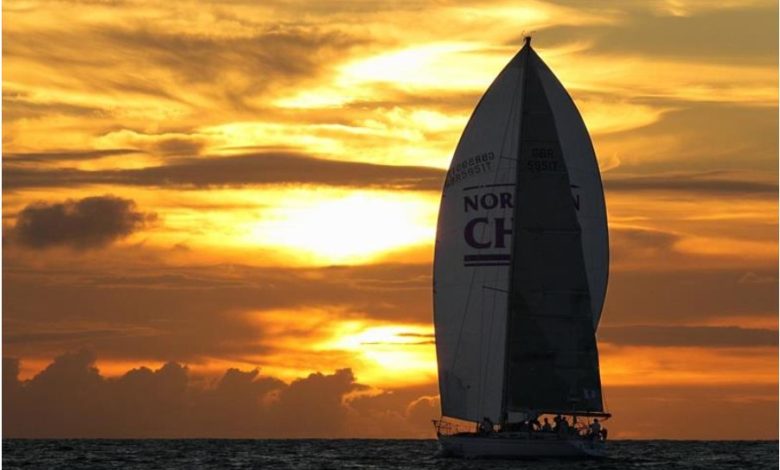 RORC Caribbean 600 — Logistics, Tactics, Prep">

The 600‑mile RORC Caribbean 600 requires tight logistical planning: provisioning for five-plus days, spare parts stowed for running rigging and electronics, and tender arrangements for crew rotations at Antigua. Race Director Chris Jackson forecasts steady trade winds in the 15–25 knot band, which makes provisioning for reefing, fuel for auxiliary engines, and secure stowage of fresh water and food non‑negotiable for any competitive entry or chartered yacht heading to Antigua on Monday 23 February 2026.
Course logistics and race conditions
The course loops around 11 Caribbean islands and combines open ocean legs with tight island corners. Expect moderate offshore swell, flatter water in the lee of islands, and a sequence of tactical shifts where island-induced wind shadows create sudden headers and lifts. These conditions reward well‑prepared teams who manage pressure rather than chase ephemeral gains.
What the wind forecast means for boats and charters
For owners, charter operators and captains managing a rented yacht, the predicted trade winds imply:
- Sail inventory: plan for robust upwind sails and quick reefing systems.
- Posádka rotation: sleep planning is essential—expect limited rest in the first 24 hours.
- Provisioning: secure food, water and medical kits; squalls mean wet decks and more wear on gear.
- Backup systems: reliable VHF, AIS, and satellite tracking for safety and race monitoring.
Extracts from Brian Thompson’s playbook (practical takes)
Multiple record holder Brian Thompson, who set the Multihull Race Record aboard Jason Carroll’s MOD70 Argo, emphasizes a pressure‑over‑promise approach. In simple terms: don’t gamble on a fleeting flyer when consistent pressure is available. Clear air and staying in the lane with steady breeze typically beat short, risky gains.
Key tactical zones to watch
Several passages deserve special attention:
- Start/Willoughby Bay: the line often biases to port; beware committing to a risky port flyer with cliffs to leeward—clear air is king.
- Barbuda: expect subtle bends; freed at the south end and headed at the north—watch boats ahead to read gybe patterns.
- Nevis to St Kitts–Saba–St Martin: airflow behaves like water around a rock—prepare for abrupt 20° shifts and rapid sail changes, especially at night.
- Guadeloupe: a pivotal rounding—katabatic flows and cliff shadows can punish inshore routings; offshore detours add miles and rarely pay off.
Night sailing, squalls and crew management
Squalls form as the fleet moves toward Nevis and in the lee of Antigua; they create turbulence and sudden pressure fronts. The common tactic is either to gybe away from the back of a squall or ride the front for a pressure boost—both require quick decision‑making and practiced sail crossovers. The mantra from experienced racers: protect the boat, protect the crew. Hydration, controlled sleep shifts and clear role assignments reduce errors when the night gets busy.
| Leg | Primary Risk | Recommended Action |
|---|---|---|
| Start → Willoughby | Port bias, cliffs to leeward | Favor clear air over short‑term gains |
| Barbuda | Convergence lines, variable shifts | Follow leaders, be ready to gybe |
| Nevis → Saba | Squalls, night transitions | Pre‑set night sail plan; have the right sail ready |
| Guadeloupe | Wind shadow, katabatic flows | Inshore can work but avoid getting boxed; manage sail trim carefully |
Preparation checklist for charterers and crew
Lessons from teams like the Pegasus 50 Sedem show that meticulous stripping of cruising kit, ticking the Special Regs checklist, and rehearsing emergency procedures pay dividends. For anyone renting a yacht or organizing a chartered crew, the following steps are practical:
- Strip non‑essential cruising gear to reduce weight and snag points.
- Verify electrics, winches and VHF—test backup power and charging.
- Create a simple, laminated role sheet for each watch, including sail crossovers.
- Pre‑plan food and hydration with quick, easy access during maneuvers.
- Confirm race tracking and comms (caribbean600.rorc.org/tracking) for safety and spectator updates.
Why this matters to the wider yachting and charter community
Whether you’re running a jachta for charter, preparing a superjachta delivery, or organizing a social sail for clients looking to rent a boat, the Caribbean 600’s lessons translate: manage transitions, value clear air, and plan logistics as if you’re provisioning for a week. I’ve seen cheap mistakes on paper cost hours at sea—so prep like you mean it.
In wrap‑up, the RORC Caribbean 600 will be decided by logistics, consistent pressure management and a few crucial tactical calls around Willoughby Bay, Barbuda and Guadeloupe. Protect the crew and gear, rehearse sail changes, and trust steady pressure over flashy gambits. Whether you’re a charter captain, a yacht owner eyeing a future race, or someone planning to rent for island cruising, those core takeaways about preparation, seamanship and navigation apply across yacht, charter, boat, beach, rent, lake, sailing, captain, sale, Destinations, superyacht, activities, yachting, sea, ocean, boating, gulf, water, sunseeker, marinas, clearwater and fishing contexts.