


 Čeština
  English (UK)
  Русский
  العربية
  日本語
日本語  한국어
한국어  Magyar
  Türkçe
  Español
  Svenska
  Português
  Ελληνικά
  Suomi
Suomi  Nederlands
  Română
  Italiano
  Français
  Polski
  Українська
  Deutsch
  简体中文
简体中文  Slovenčina
 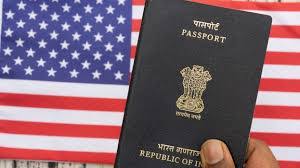 Indie patří druhé místo v útratách návštěvníků v USA">

India has become the United States’ second-largest overseas market by visitor spending and this report explains how that shift unfolded and what it means for travel and tourism.
Key outcomes from Brand USA Travel Week India
Brand USA held its inaugural Travel Week India in Bengaluru from 19–22 January, bringing together US destinations, Indian travel trade professionals, and media partners on a unified platform. The event spotlighted India’s growing economic importance to US inbound tourism: Indian travellers generated USD 24.4 billion in spending in 2024, placing India second globally for visitor expenditure to the United States.
Delegates at the event included 75 US destination partners alongside roughly 90 travel trade professionals and 30 media representatives from India. Brand USA used the platform to launch its Amerika, krásná vlasti campaign in India and preview the upcoming Global Ambassador Program, an initiative to engage trade professionals ahead of America’s 250th anniversary in 2026.
Statistics and short-term forecasts
Recent performance indicators underline the strength of the market:
- Visitors in 2025: Indian arrivals surpassed 2 million for the second consecutive year, a level about 40% above pre-pandemic figures.
- Spending in 2024: USD 24.4 billion generated by Indian visitors in the US.
- Projection: Visitation is forecast to reach approximately 2.3 million by 2028.
| Rok | Indian Visitors to US (approx.) | Visitor Spending (USD) |
|---|---|---|
| Pre-pandemic (2019 est.) | ~1.43 million | — |
| 2024 | ~2.0 million | 24.4 billion |
| 2028 (forecast) | ~2.3 million | Projected growth |
What Brand USA announced
The Bengaluru programme had several strategic launches and messages aimed at converting interest into travel bookings:
- Amerika, krásná vlasti: A global marketing campaign rolled out across connected TV, digital and out-of-home channels targeting Indian travellers with experience-led storytelling.
- Global Ambassador Program: A trade engagement initiative designed to train and empower 250 travel professionals worldwide, with India included as a priority market.
- Trade and product development focus: Emphasis on building multi-generational and experience-driven itineraries to match Indian traveller preferences.
Why India’s market is growing
The rise in spending and arrivals reflects several structural and demand-side trends:
- Rising affluence and outbound willingness: A growing middle and upper-middle class in India is pursuing longer-haul, experience-led trips.
- Vaccine-era recovery and connectivity: Expanded air connectivity and more direct flights between Indian metros and US gateways have reduced friction for travel.
- Educational and VFR travel: Family visits, education-related travel and combined leisure-business trips remain strong drivers.
- Multi-generational travel: Indian travellers increasingly seek trips that accommodate parents, young children and extended family—favoring longer stays and higher spend.
Historical context and evolution
India’s climb to a top-tier source market for the United States did not occur overnight. Over the past decade, outbound travel from India has been characterized by steady growth in international air connectivity, liberalization in visa facilitation policies in some markets, and increased disposable income among urban consumers. Pre-pandemic, Indian outbound travel was expanding rapidly; the pandemic caused a temporary contraction, but the recovery has been robust, with Indian visitation rebounding well above pre-pandemic levels in both numbers and spending.
On the destination side, the United States has actively targeted growing markets such as India through destination marketing, partnerships, and product development. Programmes like Brand USA’s global campaigns and travel trade engagement efforts have concentrated on shaping itineraries and distribution channels that appeal to Indian travellers—particularly experience-led, multi-destination, and culturally rich routes.
Implications for tourism stakeholders
The shift in visitor spending and numbers has practical consequences for multiple stakeholders:
- US destinations: States and cities can prioritize markets, tailor marketing spend, and develop products geared to Indian preferences.
- Travel trade: Indian agents and tour operators can package longer, experience-led itineraries, leveraging multi-generational appeals.
- Airlines and connectivity planners: Increased demand supports route development and frequency enhancements between major Indian and US hubs.
- Hospitality and attractions: Resorts, parks and cultural sites can develop experiences that align with Indian traveller motivations and spending patterns.
Potential impact on coastal and activity-driven destinations
While the immediate announcement centers on overall spending and trade initiatives, the ripple effects will touch a variety of destination types. Popular coastal and activity-driven regions in the United States—beaches, lakes, marinas and marine gateways—stand to benefit as Indian travellers seek diverse experiences beyond urban hubs. Increased interest in outdoors, fishing, sailing excursions and water-based activities could influence product development in these markets, including enhancement of amenities, curated excursions, and partnerships between local operators and international travel sellers.
Actionable takeaways for tourism professionals
Those operating in tourism should consider the following steps to capitalize on the trend:
- Audit and adapt product offerings to multi-generational travel patterns and experience-led itineraries.
- Strengthen digital marketing in priority Indian channels and languages to convert intent into bookings.
- Build partnerships with Indian trade professionals and media to broaden distribution and reach.
- Review operational readiness in coastal and adventure destinations to accommodate increasing interest in outdoor and maritime activities.
Brand USA’s decision to stage Travel Week in India and to launch targeted campaigns and trade programmes signals a deeper, sustained engagement with a high-value market. Growth in visitor spending and numbers presents both opportunities and responsibilities for destination managers, retailers, and experience providers to meet expectations and offer compelling, well-priced products.
GetBoat is always keeping an eye on the latest tourism news and developments, tracking how rising markets like India may affect popular destinations, beach and lake activities, sailing and boating interest, and the wider scene for yacht and superyacht visits, marinas and coastal experiences. For readers seeking updates on how these shifts influence destinations, activities and water-based tourism trends, GetBoat.com continues to monitor and report on such changes across markets.