


 Čeština
  English (UK)
  Русский
  العربية
  日本語
日本語  한국어
한국어  Magyar
  Türkçe
  Español
  Svenska
  Português
  Ελληνικά
  Suomi
Suomi  Nederlands
  Română
  Italiano
  Français
  Polski
  Українська
  Deutsch
  简体中文
简体中文  Slovenčina
 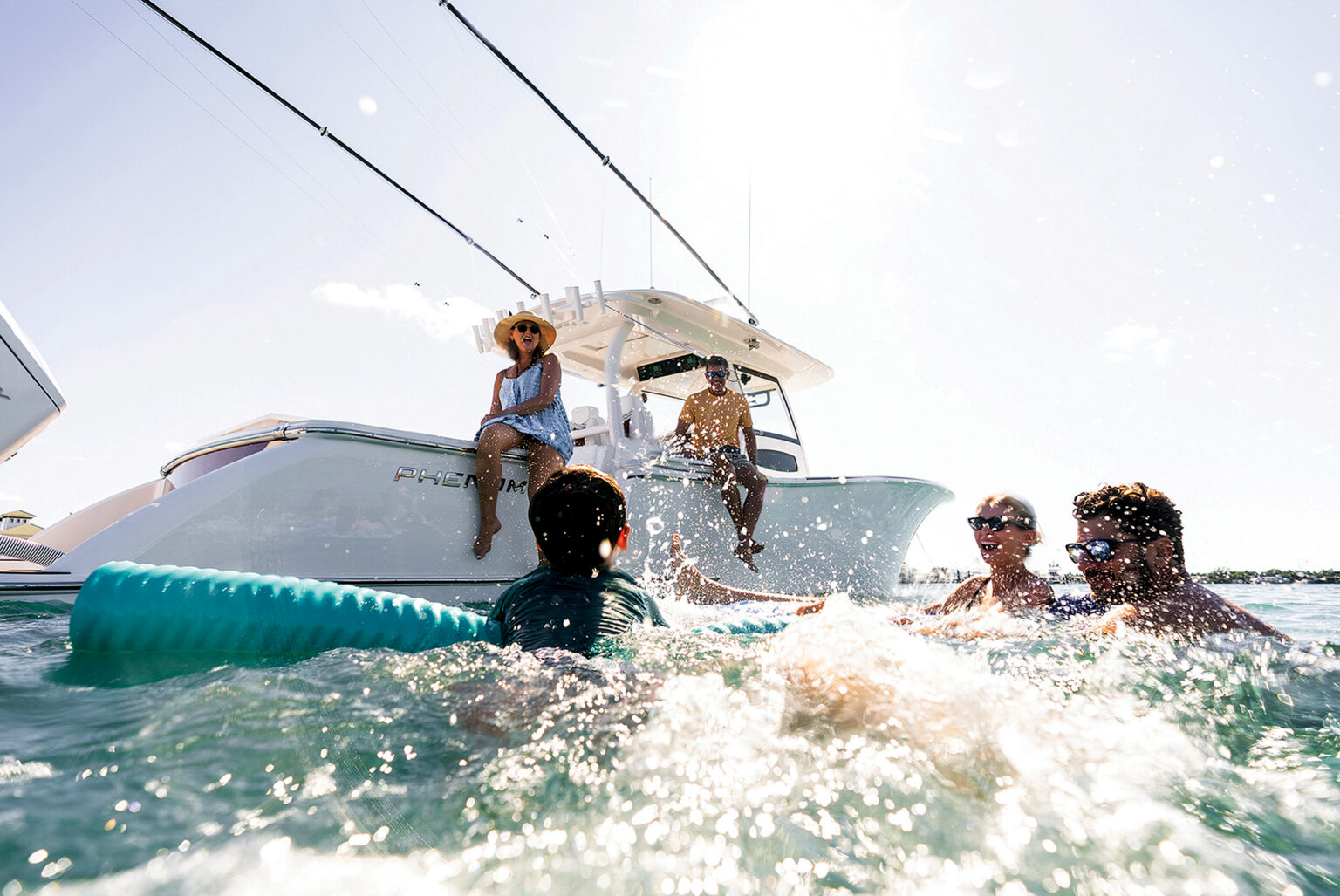 When Friends Share a Boat: Risks and Rules">

Under U.S. maritime law, vessel operators are judged by the Inland Rules of Navigation and a seaman-like standard of care rather than by roadway-style fault metrics — that distinction drives the liability picture when someone other than the owner is at the helm.
Why letting friends use your boat is not the same as lending a lawnmower
Handing over controls to a buddy, family member, or partner exposes the owner to a stack of legal and financial risks: collision liability, personal-injury claims, uninsured damage, and policy exclusions for operator warranties. Attorney Scott Bluestein emphasizes that if a vessel operator fails to follow navigation rules or basic seamanship, the owner can end up legally responsible even if they weren’t driving at the time.
Common risky scenarios
- Friend borrows an owner’s Hydrasports and the engine throws a rod mid-cruise.
- Partnered ownership where one partner runs the boat aggressively; injuries lead to lawsuits.
- Large yacht with a policy warranty requiring a licensed captain; owner lets an acquaintance drive and a sinking or grounding voids coverage.
- Unmaintained systems (leaky drain plug, dead bilge battery) cause a dockside sinking.
Insurance and warranties: the small print matters
Most policies allow occasional guest operators, but continuous or frequent use usually requires the operator to be listed. Some policies include express warranties — for example, mandating a licensed captain on board — and violation of that warranty can be fatal to a claim. If an insurer refuses to settle, expect litigation.
Partnerships: when to form an LLC and when to walk away
Partnerships can reduce per-person cost and let a group afford a larger vessel, but they create complex interpersonal and financial entanglements. Practical steps often advised by maritime counsel include forming an LLC, drafting a detailed ownership and operations agreement, and spelling out responsibilities for insurance, dockage, maintenance, taxes, and dispute resolution.
Key clauses to include in a partnership agreement
- Capital contributions and expense sharing schedule
- Operator qualifications and limits (who can drive and under what conditions)
- Maintenance, repairs, and docking responsibilities
- Exit provisions for financial hardship, divorce, or death
- Insurance obligations and claim-handling procedures
| Risk | Pravděpodobný výsledek | Mitigation |
|---|---|---|
| Unlisted operator causes collision | Claim, possible denial, lawsuit | List frequent operators; confirm policy language |
| Policy warranty violated (no licensed captain) | Coverage voided for loss | Hire a captain or comply with warranty |
| Partner abandons duties or overspeeds | Partnership fracture, financial loss | LLC + detailed operating agreement |
Practical dos and don’ts before you let someone use your boat
- Do check your insurance policy and ask your broker about operator listings and warranties.
- Do require proof of competence for unfamiliar operators and consider a short supervised training run.
- Do document agreements in writing—who pays for fuel, repairs, and dockage.
- Don’t assume a friend’s word will be good enough for exposure on a high-value yacht or superyacht.
- Don’t ignore maintenance; small failures (bilge batteries, plugs) cascade into big claims.
Alternatives to lending or partnering
If you crave the freedom of an OPB (other people’s boat) without the legal baggage, a loď club or a marine charter can be a tidy solution: maintained, insured boats, ready-to-go scheduling, and fewer interpersonal tensions. For commercial use or frequent guest operation, a paid captain or licensed operator minimizes both risk and stress.
Real-world anecdotes that teach
Forum contributors have shared war stories: one owner recovered a boat after it was abandoned offshore and lost faith in his partner; another group had a sharing arrangement that worked because the partners “thought alike” and handled maintenance together. Bottom line: relationships that survive the dock often had clear expectations from day one.
Quick checklist before you say “yes”
- Read your insurance policy out loud; note exclusions and warranties.
- Decide whether the operator will be added to the policy.
- Set written rules for speed, areas of operation, and passenger limits.
- Consider forming an LLC for multi-party ownership.
- Have an exit strategy spelled out in writing.
Let sleeping dogs lie? Maybe. But in boating, “don’t rock the boat” applies to friendships and finances alike: the convenience of sharing a boat or letting a friend borrow one can be great, but it’s best done with a clear head, clear paperwork, and clear insurance. Whether you’re considering a casual borrow, a partnership, or a yacht charter, protect your asset, your wallet, and your friendships.
Summary: Owners and would-be partners should recognize that maritime law, insurance warranties, and seaman-like standards create unique liability exposure when someone other than the owner operates a vessel. Practical measures include checking policies, listing operators, hiring a captain when required, forming an LLC for partnerships, and using boat clubs or charters as low-risk alternatives. Thoughtful contracts, routine maintenance, and clear expectations protect the yacht, charter prospects, boat sale value, and long-term enjoyment of beach days, lake sails, ocean cruising, gulf trips, marinas, and other water Destinations — whether you’re into fishing, yachting, superyacht dreams, or simple sailing and rent options on GetBoat.com.