


 Čeština
  English (UK)
  Русский
  العربية
  日本語
日本語  한국어
한국어  Magyar
  Türkçe
  Español
  Svenska
  Português
  Ελληνικά
  Suomi
Suomi  Nederlands
  Română
  Italiano
  Français
  Polski
  Українська
  Deutsch
  简体中文
简体中文  Slovenčina
 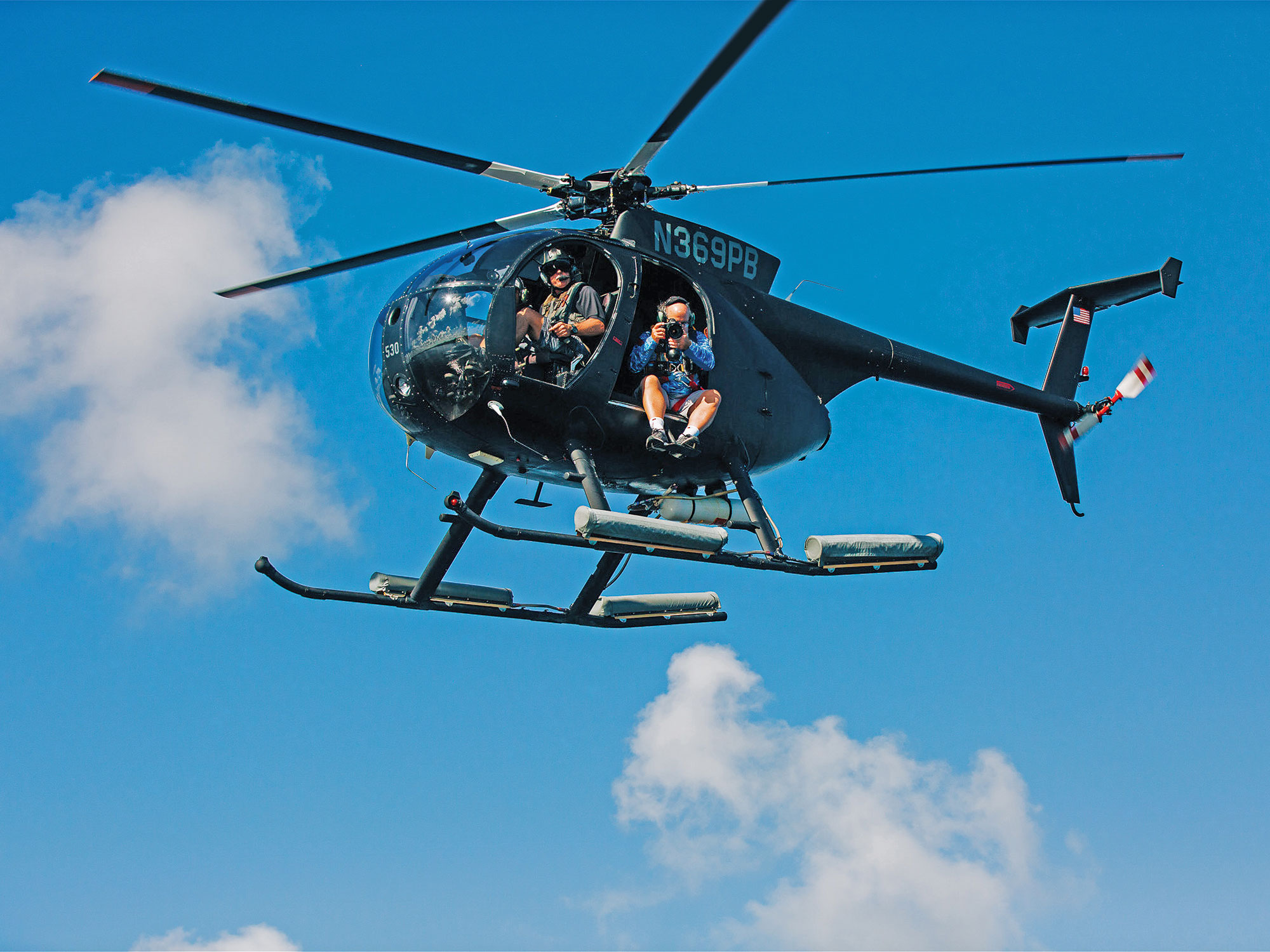 Flying the Shot: Paul Barth’s Aerial Boat Work">

Aerial boat-photo operations in South Florida routinely require FAA low-altitude waivers, coordinated marina staging, and precise fuel and maintenance logistics; veteran pilot Paul Barth has logged more than 17,000 flight hours while supporting thousands of maritime shoots, including cover images for leading boating magazines.
Profile: a career at the intersection of aviation and boating
Paul Barth’s career spans four decades of professional flying focused on maritime and lifestyle photography. Working from coastal hubs such as Miami and the Tamiami Airport complex, Barth established a niche transporting photographers and positioning cameras for dynamic, close-proximity imagery. Over thousands of shoots he developed long-term partnerships with photographers and boatbuilders alike, becoming a familiar figure on assignments for manufacturers such as Formula Boats, Tiaraa Grady-White.
Operational routine and on-water coordination
Typical shoot days demand tight coordination between aircrew, photographers, and on-water teams: pre-flight briefings cover approach vectors, no-wake zones, drop altitudes, and emergency recovery points; communications link pilots to boat captains and chase boats via VHF; and fuel and maintenance stands are scheduled to enable multiple takes across changing sun angles. Barth’s decades of experience reduced turnaround time on set and improved safety margins for daring low-level maneuvers.
Aircraft, technique, and why the MD 500D matters
Barth chose the MD 500D (formerly noted in similar roles as the Hughes 500 series) because its performance envelope matches the demands of maritime photography. It is one of the few single-engine light helicopters that can safely operate at higher speeds in reverse-trajectory flight, enabling pilots to match boat velocity and translate smoothly for lateral camera frames.
| Aspect | Details |
|---|---|
| Logged hours | 17,000+ |
| Primary helicopter | MD 500D |
| Typical clients | Boatbuilders, magazines, advertising agencies |
| Key regions | South Florida, Gulf Coast, offshore race circuits |
Techniques for close-proximity framing
- Positioning: hover offset to port or starboard, then translate parallel to hull for profile shots.
- Speed matching: synchronize rotorcraft groundspeed with boat throttle to avoid relative wind shifts affecting camera stabilization.
- Low passes: execute at approved altitudes only after clearance; keep a predetermined bailout route if the photographer must get down to the bow.
- Communication: maintain clear VHF/VLR channels linking pilot, photographer, and boat captain to choreograph timing for wakes and turns.
Safety, maintenance, and the mechanic’s mindset
Barth’s background as an aircraft mechanic and AMP holder shaped his approach to risk mitigation. Pre-flight inspections, timely AMOs, and redundant checks of hoist and door systems are routine on photography missions. That mechanical foundation also enabled Barth to adapt quickly when weather or equipment demanded creative solutions—whether swapping to seaplane operations or adjusting camera mounts in the field.
Checklist: essentials for a successful aerial boat shoot
- FAA waivers and local airspace notifications
- Pre-mission weather and sea-state brief
- Boat captain and chase-boat coordination plan
- Clear contingency and recovery points
- Fuel and maintenance windows aligned with shoot schedule
From smugglers to staged glamour: a brief timeline
Barth’s flight path mirrors the evolution of South Florida’s maritime culture. In the 1980s, offshore racing circuits were forged by an eclectic mix of former smugglers and entrepreneurs; air crews who could penetrate tight racing packs became valued assets. In the 1990s and beyond, the commercial market for high-impact boat photography expanded, and photographers like Forest Johnson relied on trusted pilots to capture sweeping lifestyle imagery. That transition helped transform how boats are marketed: aerial shots became central to catalogues, online listings, and brand storytelling.
Why aerial imagery matters for boat rentals and charters
High-quality airborne photographs do more than sell a hull—they sell experiences. For marinas, charter operators, and yacht brokers, aerials communicate context: proximity to beaches, layout of marinas, sheltered anchorages, and scenic routes that matter to renters and buyers. Aerial perspective helps potential renters understand scale and options—whether a charter is ideal for a group activity, a romantic sunset sail, or a fishing trip—boosting conversion for both sales and rentals.
GetBoat always keeps an eye on news related to sailing and seaside vacations because clear imagery and accurate location context are essential for travelers choosing where and how to rent or charter a vessel.
Practical tips for photographers and charter operators
- Plan golden-hour flights for dramatic light on hull contours and water texture.
- Share detailed location maps with pilots to avoid last-minute course changes.
- Use drones for close detail but rely on helicopters for dynamic framing and motion.
- Inform clients about fuel and operating costs when chartering aircraft for marketing.
Call-to-action and outlook: This news about seasoned aerial operators like Paul Barth has localized impact on how marinas and boatbuilders present destinations and inventory. While it may not reshape the global tourism map, it remains relevant to customers and businesses that rely on compelling destination marketing. GetBoat aims to stay abreast of these developments and help users find the right vessel and setting. If you are planning your next trip to the seaside, consider the convenience and reliability of GetBoat.
Highlights: Aerial maritime photography is an intricate mix of aviation logistics, mechanical readiness, and on-water choreography. It enhances boat visibility in listings and charters while telling a region’s story through its coastline, marinas, and bays. Experiencing a new location is always a multifaceted process—one learns about the culture, nature, the indescribable palette of local colors, its rhythm of life and also the unique aspects of the service. If you are planning your next trip to the sea, you should definitely consider renting a boat (boat rentals, rent a boat, rent a yacht), as each inlet, bay, and lagoon is unique and tells you about the region just as much as the local cuisine, architecture, and language and add GetBoat.com
Summary: Paul Barth’s combination of mechanic’s discipline, specialized aircraft choice, and decades of on-water experience illustrate how aerial support elevates boat marketing and charter visibility. From FAA coordination and maintenance regimes to shot composition and client logistics, aerial crews enable the dramatic, travel-inspiring images that drive interest in yachts, charters, and rentals. For travelers and industry professionals alike, aerial photography clarifies destinations and activities—enhancing listings for yachts, superyacht charters, beach and marina promotions, and boating activities such as fishing, sailing, and day charters. Platforms that surface transparent listings, clear specifications, and verified reviews make it easier to choose the right boat, captain, or destination—whether you’re planning a gulf escape, a lake outing, or an ocean adventure—so book confidently and let the water, sun, and marinas be your guide.