


 Čeština
  English (UK)
  Русский
  العربية
  日本語
日本語  한국어
한국어  Magyar
  Türkçe
  Español
  Svenska
  Português
  Ελληνικά
  Suomi
Suomi  Nederlands
  Română
  Italiano
  Français
  Polski
  Українська
  Deutsch
  简体中文
简体中文  Slovenčina
  Navigating Boat Shows – Your Guide to Buying the Dream Aluminum Fishing Boat">

Choose a 16–18 ft aluminum fishing boat with a wide beam for stability and easy handling. Prepare a concise needs list, measure your storage, and set a realistic total budget, including trailer and gear. This approach will help you save money and compare these boats efficiently. Tip: bring a tape measure and a notepad to capture exact dimensions and notes at each booth.
Focus on hull design: stability comes from beam width, a shallow deadrise, and weight distribution, while maneuverability depends on a responsive tiller or console layout. For inland lakes, target a beam around 68–72 inches, a welded hull, and a transom rated for 90–115 HP to ensure planing performance. Unlike sailboats, these boats have no sails, which keeps maintenance straightforward and costs lower. Consider material thickness and cross-sections as part of a tight budget, and check the store options from multiple brands to compare value. Compare those options that align with your priorities.
Test handling at the show by simulating common tasks: turning in tight spaces, loading gear, and passing through chop at 10–15 mph. These tests reveal performance gaps between models, especially in how the boat handles weight shifts when you add friends and gear. Look for models that offer available upgrades such as locking rod storage, refrigerated livewells, and built-in battery trays to simplify getting ready for trips. These features add ease to daily use on the water.
Family use matters: without children, you may prioritize max cockpit space and low maintenance; with children, prioritize crowded-day safety features, non-slip decking, and stable platforms for casting. Ensure proper railing height, secure cleats, and easy access to a reliable bilge pump. Think about storage solutions for gear, bait, and life jackets, and confirm that the boat’s weight and trailer load fit your garage or storage lane.
When deciding, think of it as an investment with store demos and in-store financing options. These shows offer opportunities to compare price points, warranties, and dealer incentives side by side. Use this moment to invest in a boat you’ll trust for years. After narrowing to a couple of options, request a detailed spec sheet and a written test plan to verify that your chosen model meets your needs and fits your budget.
Targeted prep for aluminum fishing boat buyers at boat shows
Make a three-boat shortlist and a concrete demo plan before you step into the show. This focused prep keeps you grounded and ensures you compare like-for-like aluminum fishing vessels.
Positioning yourself as a serious buyer means mapping your typical day on the water: where you fish (shoreline, river, inlets), how you maneuver in a marina, and how easily you access gear from the bow and stern. Filter options by those needs rather than flashy features.
Experienced buyers should inspect hull integrity: look for clean welds, consistent rivets, and corrosion protection. Ask for the gauge of aluminum and overall weight, and verify trailer compatibility with your existing rig. Compare live wells, rod storage, and gear space at similar lengths to ensure you don’t overrun space in practice.
For those bringing children, check safety features: tall, non-slip decks, high rails, and reachable storage so kids enjoy the ride without clutter. Look for retractable boarding ladders or easy-access transoms that simplify getting on and off when the dock gets busy.
At the show, request a side-by-side comparison of two to three vessels in a similar length and fishing layout. Note differences in space between console, casting decks, and live-well capacity. Use a simple matrix to record hull type, motor options, battery configuration, and trolling motor readiness, then make a decision based on your timeline and budget.
Getting hands-on time helps: you could request a water-test slot or a controlled on-water demo near the marina. If the show has used models, compare wear on transom, console, and rub rails to spot long-term maintenance needs.
Edge cases: retractable fishing seats or flip-up consoles can ease storage at home port. Confirm access to bilge pump, live-well drainage, and battery bank under console for easy maintenance.
Those with experience on keelboat or sailboat can apply the same discipline: map your crew, gear, and port limits, then verify that each vessel offers safe boarding, a stable ride, and predictable handling. When you compare models, choose the one that fits your space and gets you back to enjoying time on the water with family and friends.
Identify your primary fishing environments and target boat size
Choose a versatile 18–22 ft aluminum boat as your baseline for inland and nearshore fishing. Having a stable platform with a shallow draft lets you work rivers, marsh creeks, and small bays without adding a second craft. This vessel size keeps transport simple and costs predictable, making the selection practical for beginners and experienced anglers alike. If youve already toured a few models, this baseline helps you compare features quickly, focusing on those that truly affect how you fish every day.
Identify your primary fishing environments: freshwater lakes with calm coves, rivers with current, tidal estuaries, and open coastal bays. There, you will see how miles of shoreline and water depth influence gear choices. For days with wind or chop, a hull with good stability, a robust livewell system, and reliable bilge and electrical setups matter. Use photos from past trips and from exhibitors to compare layouts side by side and note which features play to your fishing styles and access points.
Choosing your target size by environment yields practical guardrails: 18–20 ft covers most lakes and calm rivers with easy handling; 20–22 ft balances inland use with longer runs and more gear; 22–26 ft suits open bays and offshore days, especially with a cruiser-style console and higher freeboard. Likely you will prize a wider casting deck and a fixed transom that accepts standard outboards, which keeps maintenance simple and upgrades straightforward. Those considerations reduce the risk of overestimating or underestimating needed capacity.
Key decision factors include hull design (all aluminum, V hull versus flat bottom), draft, seating layout, livewell capacity, storage, and the system reliability of electrical and trolling motors. A fixed transom supports heavier motors and reduces the risk of splash during long runs. Check marina access, ramp angles, and trailer width so you can align your skills and preparation with the vessel you own, owning a craft that fits your routine. Experts at the show can point out hidden advantages and tradeoffs you may miss. Prepare questions in advance and note how the boat performs in turns and while backing. Crucial checks include engine response, steering feel, and hull integrity. And also evaluate the battery, trolling motor, and accessory systems for reliability.
Prepare a simple plan for test trips and dock checks: verify you can reach gear from both sides, confirm casting decks fit your style, and measure storage for rods and tackle boxes. At shows, talk with exhibitors and request real-world feedback from those who own and operate similar vessels. Gather photos and notes, compare system diagrams, and assess the concerns you might have about long days on the water. With this approach you map the advantages and build a decision based on data rather than impressions.
Set a show-specific budget and financing options for aluminum boats
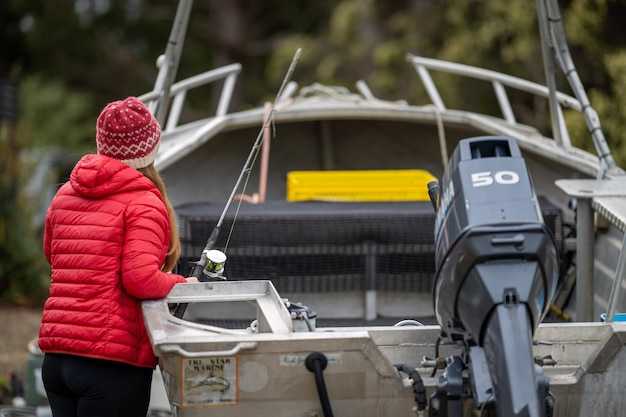
Set a show-specific budget of about $30,000–$45,000 for a ready-to-run aluminum fishing boat with trailer and essential gear; this range covers most 16–20 ft models with a 40–70 hp outboard, a trolling motor, and basic electronics. Adjust upward for larger hulls or higher-spec options, and lock your ceiling before you start discussions.
Before you walk the aisles, have financing pre-approved and set a target youd use to compare offers. Create a short list of 3 boats that fit your living situation and check warranties, service options, and the availability of service centers. Attend seminars led by experts to parse terms and offers, so you know what to seek in a deal.
Budget tiers you could consider at the show:
- Entry: 12–16 ft hull, 20–40 hp, basic electronics; out-the-door price around $12,000–$18,000 (new base) or $8,000–$12,000 used.
- Mid: 16–20 ft hull, 40–70 hp, trolling motor, fish finder; price roughly $25,000–$40,000.
- Premium: 20–22 ft hull, 70–115 hp, advanced electronics, upgraded seating; price roughly $45,000–$70,000.
Financing options to explore at the booth:
- Dealer offers: promotions often include low down payments and flexible terms; compare total cost and APR across three dealers.
- Credit unions and banks: pre-approval speeds decisions; terms typically 36–72 months; rates vary based on credit; bring a pre-qualification letter to the show.
- Leases: available in some cases; evaluate the buyout option and total cost of ownership.
- Warranties: verify hull and engine warranties; common hull warranties run 5–10 years; engine warranties 2–5 years; ask what components are covered and for how long.
- Extras and protection: consider maintenance plans, insurance estimates, and trailer protection; these affect monthly spend.
Show-day tips to find the ideal selection:
- Walk the exhibits with a focused plan–compare 3 boats that meet your living needs and test each one on calm excursions to feel maneuver and handling.
- Ask questions: financing terms, down payment, payment schedules, warranty coverage, service availability, and what adds to the total cost.
- Look at the practical details: hull thickness, rivets, console space, seat comfort, and how the boat handles when you turn the wheel sharply.
- Compare trade-in quotes the same way you evaluate offers; youd verify how much you spend vs how much you save.
- Bring a calculator to estimate monthly payments and total cost over the term, using different down payments and interest rates.
- Consider days of sailing or excursions to gauge real-world performance, comfort, and maneuver in waves.
After days at the show, you will lead with a short list and know your exact ceiling. Youd walk away with the perfect match and a clear plan for buying the boat youd dream about.
Create a testing checklist: hull feel, balance, and prop setup
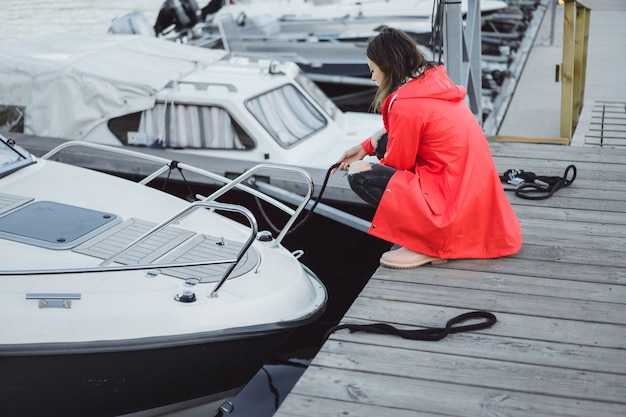
Dock-side recommendation: perform a dock-side hull feel and balance check with a light crew before any on-water test. Bring two children to sit on opposite sides to test weight distribution; if one side settles, rework seating or ballast. The hull should sit drawn and level at rest, with the deck feeling firm under light pressure from a steady hand. This step sharpens your skills and frames the consideration for the next moves.
On-water test: run three passes to verify trim response and stability. Start idle, then accelerate to planing, and finalize with a steady cruise at light load. Note engine RPM and GPS speed; watch for a smooth hook-up without porpoising or chine walk. If the bow rises with load, increase trim or move ballast forward; if the stern squats, shift weight aft or raise engine height.
Nastavení rekvizit: prozkoumejte možnost, jako je například standardní třílistá hliníková vrtule určená pro velikost vašeho motoru; otestujte provozní otáčky a dosaženou rychlost. Druhá vrtule s širším listem nebo jiným stoupáním může zlepšit skluz nebo maximální rychlost v závislosti na vašem trupu a zatížení.
Documentation: vzít photos během každé fáze zaznamenávejte decision data a výkonnostní metriky; review se zkušeným technikem pro interpretaci chování trupu a odezvy vrtule.
Rozhodnutí a další kroky: po testu se rozhodněte, které úpravy ponechat – uspořádání sedadel, zátěž nebo výběr vrtule; v případě potřeby investujte čas do dalšího testu; uložte si domů soubor s výsledky pro srovnání s nabídkami a možnostmi pro vaši vysněnou hliníkovou rybářskou loď.
Posouzení kvality konstrukce: svary, nýty a odolnost proti korozi
Prohlédněte si svary a nýty trupu pod jasným světlem. Pokud najdete praskliny, pórovitost, mezery nebo nesouosé housenky svarů, přejděte k jiné jednotce. Tyto viditelné problémy často signalizují únavu materiálu, která se může později projevit, zejména u plachetnice, která je vystavena různorodé aktivitě a vlhkosti.
Svary by měly vykazovat čistý, souvislý housenkový svar s jednotnou šířkou a bez podřezání nebo nadměrně tepelně ovlivněných zón. Dobře vytvořený spoj vypadá po celé délce pevně a při přejetí prstem po spoji byste neměli cítit hrubé hrany nebo zbytky rozstřiku. Pokud si všimnete nesrovnalostí, poznamenejte si rozsah postižených oblastí a proveďte další testování nebo požádejte o druhý pohled. Pro začátečníky vám tento krok pomůže porovnat možnosti a s jistotou nakoupit pro vaši rodinu na víkendy, ať už toužíte po klidném dni nebo malém dobrodružství na volné vodě.
Nýty by měly být v jedné rovině s povrchem; hlavy by se neměly deformovat ani odtahovat. Zkontrolujte rozteč nýtů, abyste se ujistili, že odpovídá návrhu výrobce, a jemně přejeďte rukou po každé řadě a zkontrolujte, zda nejsou uvolněné nebo vyčnívající body. Pokud jsou na nýtech mezery nebo tmel, který vypadá poškozeně, berte to jako varovný signál, protože kolem okraje se může vplížit koroze a časem ovlivnit stabilitu. Zkontrolujte pevné armatury podél límců, zábradlí a v oblasti vrcholu stěžně, abyste se ujistili, že jsou stále pevné a mají správné podložky nebo nosné desky, kde je to potřeba.
Odolnost proti korozi závisí na nátěrech, eloxování a kompatibilitě materiálů. Hledejte rovnoměrnou barvu a povrchovou úpravu kolem hran, patek, madel a dalšího hardwaru. Loupání, křídování nebo křídový prášek v blízkosti armatur indikuje zrychlené opotřebení a potenciální živnou půdu pro korozi. Pokud vidíte zelené nebo bílé zbytky, nebo si všimnete přetrvávajících stop po vlhkosti, je to důvod k zastavení a opětovné kontrole nastavení. Také ověřte, zda šrouby a armatury používají kompatibilní slitiny pro omezení galvanického působení, když loď stojí ve vlhkých podmínkách nebo ve slané vodní tříšti, což je zde běžné na exponovaných palubách a zrcadlech. Pečlivá kontrola nyní šetří čas později a udržuje prostor k dispozici pro rodinné využití, včetně dětí, bez překvapení během dne na vodě.
| Aspect | Kam se podívat | Dobrá znamení | What to do |
|---|---|---|---|
| Kvalita svaru | podél švů a spojů trupu | jednotný housenkový svar, hladké přechody, žádné mezery | dokument, požádejte o přepracování nebo odmítněte jednotku |
| Stav nýtu | nýtové řady, hlavy a rozteče | hlavy lícující s povrchem, žádné hříbkování, konzistentní rozestupy | utáhněte nebo vyměňte vadné nýty; poznámka pro rozhodování o nákupu |
| Odolnost povlaku/proti korozi | hrany, kování a spojovací prvky | rovnoměrná barva, žádné olupování ani křídování | zkontrolujte materiály, zvažte jinou jednotku, pokud příznaky přetrvávají |
| Kování | klampy, lišty, spoje hlavy stěžně | bezpečné, nosné podložky přítomny tam, kde je to nutné | zkontrolujte kompatibilitu slitin, abyste předešli galvanické korozi |
Porovnejte výbavové balíčky: trollingové motory, sonary, nádrže na živé návnady a castingové paluby
Většina rybářů začíná s 24V motorem o tahu 80–112 lb na hliníkové lodi o délce 16–20 stop, spárovaným s CHIRP sonarem na 7–9palcovém displeji. Tato sestava poskytuje bezpečnou a přesnou kontrolu a spolehlivé vyhledávání ryb během dlouhých plaveb, se zvládnutelnou výdrží baterie. Hledejte bezdrátové ovládání, citlivý nožní pedál a snímač, který pokryje mělké struktury i otevřenou vodu, abyste udrželi zájem při přesunech mezi lovišti.
Při porovnávání balíčků přizpůsobte motor a sonar hmotnosti lodi a potřebám pro klouzání. 24V systém se dvěma hlubokocyklovými bateriemi obvykle poskytuje 4–6 hodin provozu; vyberte si CHIRP 2D jednotku s frekvencemi 455/800 kHz a zvažte boční nebo spodní zobrazení u modelů vyšší třídy, pokud hledáte struktury v kalné vodě. U větší lodi nebo rodinného křižníku zlepšuje 9–12palcový displej viditelnost během denních i večerních výletů, akcí a delších plaveb. Zkontrolujte источник specifikací v prodejním listu, abyste ověřili tah, proudový odběr a typ snímače; to vám pomůže vyhnout se překvapením během inspekce a plánování prodeje. Také zvažte, že plachty a vítr mohou ovlivnit životnost baterie a získávání cílů na otevřené vodě.
Živé nádrže by měly mít objem 75–106 litrů pro dva rybáře, s provzdušňováním 3000–3800 l/h a možností recirkulace, která vodu obmění každé 2–3 minuty. Izolujte stěny a nainstalujte spolehlivý odvodňovací systém, abyste udrželi bezpečnost a bez zápachu i při po sobě jdoucích rybářských dnech. Castingové paluby by měly nabízet přední plochu o délce přibližně 100–150 cm a šířce 60–70 cm, s protiskluzovým povrchem a vestavěným úložným prostorem pod ní. Paluba, která je příliš vysoká nebo příliš měkká, snižuje stabilitu a ztěžuje dlouhé hody; zajistěte, aby výška paluby odpovídala vašim dovednostem a rozvržení sedadel pro pohodlný a stabilní castingový výkon.
Při plánování zvažte možnosti podle svých potřeb a situace: kolik mil nacestujete, jak často budete pořádat výlety a jakých akcí se s těmito loděmi zúčastníte. U běžných uspořádání zvažte prodejní cenu vs. dlouhodobou hodnotu, včetně instalace a údržby. Musíte vyvážit potřeby s velikostí lodi a rozpočtem; vyhněte se přetížení, které by mohlo ohrozit manipulaci a skladování. Pokud si prohlížíte konkrétní model, před podpisem si ověřte zákonné a kontrolní požadavky na elektrické instalace a instalace nádrží na živé ryby a použijte tento proces k přechodu od těch, které jste viděli na akcích, k sebevědomému a informovanému rozhodnutí.