


 Čeština
  English (UK)
  Русский
  العربية
  日本語
日本語  한국어
한국어  Magyar
  Türkçe
  Español
  Svenska
  Português
  Ελληνικά
  Suomi
Suomi  Nederlands
  Română
  Italiano
  Français
  Polski
  Українська
  Deutsch
  简体中文
简体中文  Slovenčina
  Best beaches in italy">

Úvod
Italy attracts travelers who want to experience a mix of culture, coastline, and relaxed Mediterranean rhythm. Yet beyond iconic architecture and historic heritage, the country also offers landscapes defined by turquoise coves, dramatic cliffs, and wide sandy beaches stretching along thousands of kilometers of Italian coastline. Many travelers struggle to understand which part of the country provides the most rewarding beach escape because every region seems to promise something distinct. Some of the best places appear in remote stretches, others near cosmopolitan cultural centers, and each coastline delivers a different experience.
This guide explores the best beaches in Italy with a practical, traveler-focused perspective. Instead of listing random spots, the article breaks down coastal regions, highlights specific strengths, explains who each beach is ideal for, and provides tips that help avoid peak-season mistakes. The goal is simple: help readers choose beaches in Italy that align with their travel style, whether they want quiet bays, dramatic cliffs, family-friendly sandy beaches, or upscale resort areas. By including insights from major regions like Sicily, Sardinia, Tuscany, Liguria, Campania, Puglia, and Calabria, the guide captures the diversity that makes the country’s shore so attractive.
Northern and Central Coastlines
Tuscany’s elegant coastal escape
The Tuscan coast rarely appears at the top of lists for the best beaches in Italy, yet travelers who know the region appreciate its balance of comfort, nature, and accessibility. Rather than small rocky coves, Tuscany offers long sandy beaches surrounded by pine forests, mild waves, and spacious promenades. Places such as Viareggio, Marina di Grosseto, and Castiglione della Pescaia attract families who value stability and a well-organized infrastructure. The beaches here extend for kilometers, allowing travelers to find quiet stretches even during peak vacation months. Moderate depth, convenient parking, and shaded areas near the forests make this region safe and predictable for visitors who prefer relaxed days.
For travelers seeking more scenic appeal, the Etruscan Coast provides clear water and sheltered bays that combine comfort with atmosphere. While Tuscany does not compete with the southern Italian coastline in terms of dramatic rock formations, it outperforms many regions in convenience and overall daily comfort. A beach holiday here pairs easily with cultural excursions to Florence, Siena, or Pisa, giving travelers the flexibility to split their time between nature and historic monuments.
Liguria’s dramatic coast of cliffs and narrow coves
Liguria has a completely different feel. The coastline narrows, cliffs dominate the landscape, and beaches become small but visually stunning. Cinque Terre remains the best-known area, but its popularity means crowded conditions and limited swimming space. Ventimiglia and the Baia dei Saraceni area provide quieter alternatives. Clear water is a constant characteristic of these beaches because the steep terrain filters sediment and creates transparent shoreline conditions. It makes swimming more pleasant and provides excellent visibility for snorkeling.
Visitors should understand that Liguria rewards active travelers rather than those who want wide sandy beaches. Due to its terrain, access often involves stairs or steep paths, and early arrival is crucial for securing a comfortable spot. Still, the region’s unique mix of mountainous landscapes meeting the sea makes Liguria one of the most memorable corners of the Italian coastline. Travelers who prioritize scenery over convenience consistently rate these beaches among the best in Italy for visual impact.
Southern Mainland Beaches
Campania’s mix of cliffs, culture, and cinematic landscapes
Campania offers beaches shaped by volcanic history, mineral-rich sands, and cliffs that drop sharply into the water. The Amalfi Coast remains the most recognizable destination, but its beauty comes with extremely limited beach space. Beaches here are narrow, often separated by rocky formations, and require careful planning to avoid congestion. Still, locations such as Atrani, Marina di Praia, and Fornillo present striking backgrounds and exceptionally clear water that appeals to both swimmers and photographers.
For travelers wanting sandy beaches, the Cilento Coast is more suitable. It provides large stretches of sand and a calmer atmosphere compared to Amalfi. Palinuro and Acciaroli often surprise visitors with their transparent water and relaxed pace. These towns represent a more accessible version of southern Italian coastline charm, combining scenic value with comfortable access. Campania delivers options for every type of traveler, making it one of the most versatile regions in Italy.
Calabria’s wild, untouched shoreline
Calabria offers some of the best beaches in Italy for travelers seeking quiet landscapes, natural beauty, and fewer tourists. The region remains less commercialized, providing a more raw version of Mediterranean coastline. Tropea stands out as the most iconic spot thanks to its white sand, steep cliffs, and bright turquoise water. But more remote areas like Capo Vaticano present even better conditions for those who want a calm environment. Calabria’s beaches maintain a sense of authenticity that is sometimes difficult to find in more popular regions.
Visitors should be prepared for limited public transport and inconsistent beach infrastructure. The reward is wide sandy beaches, peaceful surroundings, and a coastline that feels untouched. Travelers who want a relaxed schedule without heavy crowds often find Calabria to be one of the country’s most appealing regions.
Italian Islands
Sicily’s diverse mix of coves, sand, and unique geological formations
Sicily offers a coastline rich in variety. Instead of one dominant type of beach, the island hosts rocky coves, long sandy beaches, and unusual geological formations shaped by volcanic activity. San Vito Lo Capo remains the most famous sandy beach and often ranks among the best beaches in Italy due to its Caribbean-like water color and mountain backdrop. The beach extends in a gentle curve, creating shallow areas that are ideal for families while still giving swimmers plenty of space to enjoy clearer water farther out.
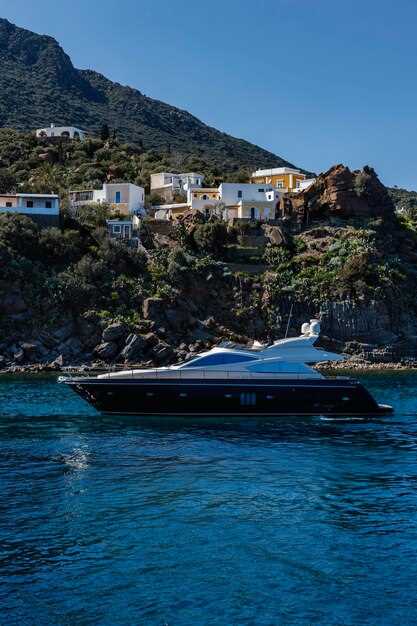
For travelers who prefer dramatic scenery, Scala dei Turchi features white limestone formations that create terraces descending into the water. The contrast between bright rock, blue sea, and smooth shoreline makes it one of Italy’s most photogenic locations. Meanwhile, the Aeolian Islands offshore provide even more options, ranging from black volcanic sand to quiet coves where visitors can snorkel in transparent water. Sicily’s diversity makes it a reliable destination for travelers with mixed preferences.
Sardinia’s world-class beaches and transparent water
Sardinia delivers some of the cleanest, clearest water in the Mediterranean, making it one of the top contenders for best beaches in Italy. The northeastern region, particularly Costa Smeralda, combines upscale marinas, calm bays, and shallow sandy areas ideal for boating and family beach days. Beaches like La Cinta, Cala Brandinchi, and Capriccioli are known for white sand and exceptionally transparent water.
Away from luxury resorts, the Gulf of Orosei offers a wilder coastline accessible by boat. Cala Luna, Cala Mariolu, and Cala Goloritzé stand out due to limestone cliffs, underwater clarity, and secluded atmospheres. Many travelers consider this region the most beautiful part of the Italian coastline. Sardinia provides the widest range of beach types in one location, making it perfect for travelers who want high-quality water conditions and a sense of exclusivity.
Choosing the right beach for your travel style
Families seeking accessible sandy beaches
Families usually value predictable conditions, shallow entry, and reliable infrastructure. Tuscany, Sicily’s San Vito Lo Capo, and Sardinia’s La Cinta offer these benefits consistently. These areas feature long sandy beaches where children can play safely, and adults can enjoy wide shoreline areas without worrying about strong currents or rocky bottoms. The regions described also provide convenient access to restaurants, shaded zones, and parking, reducing logistical challenges.
Planning early morning beach visits helps avoid midday crowds during summer. Families traveling with young children should also consider visiting in late June or early September when temperatures remain high but crowds decrease significantly. This seasonal strategy improves comfort and overall travel satisfaction.
Travelers wanting dramatic scenery and quiet coves
Visitors seeking intense visual impact should look toward Liguria, Sicily’s Scala dei Turchi, or the Gulf of Orosei in Sardinia. These areas provide impressive cliffs and crystal-clear water with a strong sense of natural drama. However, travelers should expect more challenging access and smaller swimming areas. These beaches reward those willing to walk farther or wake up earlier to avoid congestion and secure a peaceful spot.
Travelers should consider boat tours as an efficient way to explore harder-to-reach coves, especially in Sardinia. Boats provide access to secluded areas that cannot be reached by road, offering both convenience and unique viewpoints of the coastline.
Relaxed travelers wanting quiet sandy landscapes
Calabria and the Cilento Coast represent Italy’s quieter beach regions. Both areas provide wide beaches, clear water, and a slower atmosphere without overcrowded conditions. Visitors seeking a relaxing environment far from tourist hubs often prefer these regions. However, limited infrastructure means travelers should plan for simple meals, fewer amenities, and longer transit times. For many visitors, the reward of peaceful sandy beaches outweighs these inconveniences.
Závěr
The best beaches in Italy vary significantly by region, and the ideal choice depends on travel preferences rather than popularity alone. Tuscany offers convenience and sandy beaches, Liguria provides dramatic cliffs, Campania blends culture with unusual landscapes, and Calabria delivers calm environments. Sicily and Sardinia remain the strongest options for travelers who want a combination of clear water, diverse landscapes, and memorable scenery. With thoughtful planning and an understanding of each region’s advantages, travelers can create a beach holiday that matches their expectations and leaves lasting impressions.