


 Čeština
  English (UK)
  Русский
  العربية
  日本語
日本語  한국어
한국어  Magyar
  Türkçe
  Español
  Svenska
  Português
  Ελληνικά
  Suomi
Suomi  Nederlands
  Română
  Italiano
  Français
  Polski
  Українська
  Deutsch
  简体中文
简体中文  Slovenčina
  How to Water Ski – Essential Tips for Beginners">

First, tell the operator your limits and run a quick safety check. Stand in a relaxed, balanced stance with your feet hip-width apart and knees softly bent, your weight centered over the balls of your feet. Hold the rope with a firm grip, your knuckles white, so you can react quickly as the line tightens toward you. As the boat starts, stay tall, breathe often, and focus on finding a smooth angle that keeps you moving forward rather than flinging you backward.
When the lift begins, edging by shifting your weight toward your front knee and keeping your chest up. finding the right angle comes from small adjustments–micro-tilts of the hips and shoulders–so you stay balanced on the surface of the waters rather than fighting the pull. Remember to keep your eyes forward and your arms light as the tow rope does the work behind you.
As the ski plane rides, keep your arms straight and your hands on the rope. Let the boat do the work and avoid tensing your back; bend your knees and stay balanced, letting the pull guide you. If you start falling, roll with the motion, keep your head up, and tuck your chin to avoid hitting the water. This approach reduces the impact of the hit and helps you recover quickly, so you can try another lift.
To stand, flex your knees and press your feet flat as the boat pulls you out of the water. Move your hips toward the front foot to engage edging and find an angle that keeps you upright. Your first successful rise should feel light and controlled; hold the line with your shoulders aligned to the boat, and let the operator guide you if your rope slackens or tightens too much. The posture you hold here sets the tone for the rest of the run.
During practice, use short, repeatable pulls and a deliberate stopping pattern to build confidence. If you need a break, return to a relaxed stance, reset your breath, and give yourself time to reset your muscles. Keep heat in your focus–the bright attention you bring to each move–and with consistent work, you’ll notice better balance, quicker reactions, and smoother takesoffs on each pass over the water.
How to Water Ski: Tips for Beginners
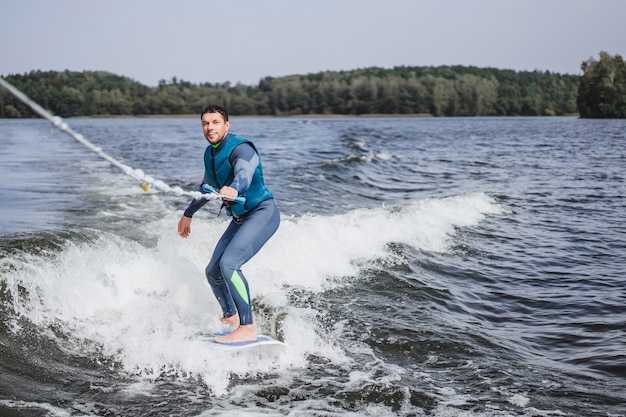
Practical Steps for Safe Starts on the Water
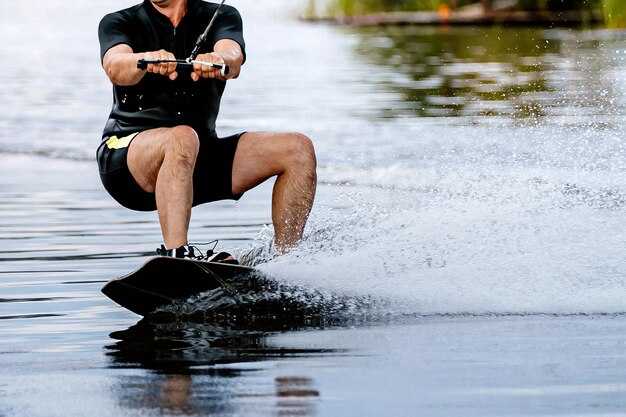
Wear a snug life jacket and check that the rope, handle, and quick-release are in sound working order before you start.
Choose a calm, flat section of the lake and set engine speed for a safe, first-attempt range around 15–25 mph (24–40 km/h).
Get into position in the water: knees slightly bent, hips over the board, shoulders aligned with the ski, and head up to scan the horizon.
Grip the handle with both hands, arms extended, elbows relaxed, and keep your chest and upper body tall as the boat accelerates.
Rise as the rope tightens by shifting weight to the legs, pressing hips forward, and coming to a standing stance with the knees soft and the feet under your hips.
Maintain a steady gaze on the shore and keep your skis flat on the water; avoid twisting the torso, and maintain even weight across both feet.
Communication and safety: use clear cues with the boat crew; if you feel off-balance, ease off, let the line slack, and try again after you regain stability near the boat.
Choose the right equipment and ensure proper bindings fit
Get a properly fitted binding setup today by choosing a matched pair of skis and bindings that fit your boot size and weight. This prevents slip and keeps you balanced as you start. If you’re renting, ask the shop about boot sole length and binding range before you head to the water. A correct binding fit gives you consistent control from the first pull and reduces fatigue later.
If you were asked to pick, choose a forgiving ski with a wide mounting area and bindings that offer adjustable toe and heel pieces; such a configuration gives you a stable platform as you learn. Many beginners arent sure how to choose between foam core or wood core; a rental shop can show you models with similar flex and a beginner-friendly pattern that stays predictable even when you shift your weight.
Check boot-to-binding compatibility by testing the click-in: your boot should lock with a solid click and release when you lift the heel. The binding device should hold the boot firmly during water starts and release if you fall, preventing injury. Set the forward pressure so the boot stays centered on the binding when you bend your knees and shifting your weight; this alignment helps you control turns and stay balanced.
Adjust the bindings for your weight and height: the heel and toe pieces must track your boot sole length, and the cuff angle should feel natural when you stand tall. If you are heavier, you may need a binding with a higher load rating or a wider toe box; check the binding’s instruction sheet and ask staff about the best option for you. Many models let you customize canting or forward lean to suit your stance.
Plan your stance by measuring your shoulders; start with feet roughly shoulder-width apart and adjust based on comfort. Plant your feet with even pressure and keep knees soft; a deep bend helps you stay balanced when the water starts. Some skiers find a slightly wider stance gives faster response in shallow turns, while others prefer a closer setup for quick pivots. Follow your own feel and revisit the setup until it feels natural; the same bindings can feel different from one rider to the next, so tweak as needed.
Before you hit the water, perform a quick pre-check: screws tight, bindings centered, boots click in smoothly, and straps snug but not tight. This routine takes just a minute and reduces misfit when you start pulling faster or when line length changes. If someone helps you, follow their guidance but listen to yourself and trust your own sense; everyone learns at a different pace, so give yourself time and stay safe until confidence builds.
Assign an Observer to Watch the Skier
Assign a dedicated observer on shore or in the boat to watch the skier during every run. The observer should be positioned where they can clearly see the skier’s face, the rope angle, and the steering cues while noting bending of the knees. This role is important for safety and for guiding skill development, because feedback from the observer directly supports the skier’s success. Both the skier and the drivers benefit from a steady, impartial set of eyes that can shift focus as water conditions change.
The observer monitors equipment and surface readiness: confirm the neoprene suit for warmth and buoyancy, check that the handle is secure, verify tying of the rope, and confirm the size of the ski matches the skier’s weight and height. They should also confirm the surface is clean and free of debris before the run. If anything seems off, they should ask the driver to adjust before the next pass.
During communication, the observer uses concise signals to coordinate with the skier and the boat drivers. A simple prompt, such as “shift left” or “shift right,” helps the skier adjust balance and angle. The observer can point out when the skier is under bending or over steering, and suggest keeping a balanced stance to improve perform and control. When the boat drives smoothly, the skier can stay upright and reduce abrupt steering changes. The goal is to keep the muscle memory sharp and reduce risk of falls.
The observer also records actionable details after each run: the skier’s face direction, the angle of the rope, whether the stance remained balanced, and if tying or equipment adjustments were needed. Noting these elements helps future attempts feel easier and builds consistent skill toward long-term success.
In practice, this setup makes the sport safer and more enjoyable. An observer acting with focus on both skiers and boat controls reduces drift on the surface, improves skill, and lets the user perform with confidence. If asked to shift tasks between drivers, maintain a rotating shift schedule so that one observer covers each run and keeps observations precise. This approach creates a repeatable routine that yields faster progress and success for the whole crew.
Set boat speed and rope length for a controlled pull
Set the boat to 18-22 mph (29-35 km/h) and use a rope length of at least 60 ft (18 m). This combo yields a steady wake and a controlled pull so you can come up cleanly. Remember to check gear before heading out: life vests, wetsuit for floatation, and the rope type you’re using; online guides can help confirm setup.
- Initial setup: speed 18-22 mph; rope length 60-70 ft (18-21 m). This least length keeps resistance moderate so you can feel the pull without being yanked off balance.
- Riding position: facing the boat, keep chest up, arms extended with a relaxed grip using the shoulders and core, and eyes on the driver. Understand that balance comes from your core as you rise through the wake.
- Úpravy na vodě: pokud jste se přetočili na záda, zkraťte lano o 1,5–3 m a snižte rychlost o 3–6 km/h; pokud je tah příliš slabý, upravte to delším lanem nebo zvýšením rychlosti o 1–3 km/h, ale provádějte úpravy postupně; také upravte rychlost a délku lana, abyste vyladili pocit.
- Postup pro wakeboardové dovednosti: jakmile jste stabilní, prodlužte lano na cca 75-80 stop pro delší lano, spíše dlouhé lano, a zvyšte rychlost na 20-24 mph. Procvičujte zatáčení jemnými změnami hrany a plynulou jízdou po vlně, abyste si vybudovali wakeboardové kombo a zároveň udržovali napětí na laně.
- Bezpečnostní kontroly a dokončení: udržujte vestu a neopren v dobrém stavu; sledujte únavu a v případě potřeby zastavte. Zkontrolujte online zdroje a znovu se ujistěte, že výstroj a nastavení vyhovují vaší váze a lodi; pak jste připraveni na další jízdu.
Zaujměte stabilní postoj: rozložení váhy, pokrčená kolena, vyrovnané boky
Rozložte váhu tak, aby přibližně 60 procent spočívalo na bříškách nohou a 40 procent na patách, kolena pokrčená a boky v rovině pod hrudníkem. Tento základ vás udrží přirozeně a nadnášeně, když vás loď táhne dopředu, snižuje pravděpodobnost pádu a pomáhá vám hladce se zvednout z vlny.
Hrudník držte nahoře a pohled upřený přímo před sebe nebo v poloze obličejem nahoru, která udržuje neutrální páteř. Toto postavení jasně ukazuje napětí lana a umožňuje vám udržet rovnováhu během zvedání a nárazu vlny. Díky soustavnému tréninku zpevníte střed těla a udržíte zadní část lyže v normální poloze, abyste si udrželi kontrolu.
Kroky k zaujetí stabilního postoje: postavte se s nohama na šířku ramen a lyže položte naplocho na vodu, poté mírně pokrčte kolena a zapojte boky tak, aby zůstaly v jedné linii s trupem. Přeneste váhu mírně dopředu, abyste zůstali na přední polovině chodidel, udržujte hrudník otevřený a ramena uvolněná. Udržujte stálý rytmus dýchání, dívejte se směrem k lodi a sledujte signály od řidiče, abyste průběžně upravovali rovnováhu.
Díky praxi můžete zdokonalit drobné signály, na kterých záleží: cítit nadlehčení, když zvýšíte tlak na přední nohu, mírně zatnout střed těla a držet ramena kolmo k lodi. Pokud cítíte, že se zvedá záď, lehce přeneste váhu dozadu; pokud se začnete posouvat směrem k patám, posuňte se o kousek dopředu. Bezpečnost vychází z udržování stálého tempa, udržování mírného nadnášení a odolávání přetížení, které vás může vyvést z rovnováhy.
| Aspect | Action | Podněty |
| Weight distribution | 60% přední noha, 40% zadní | pocit nadzvednutí ve středu chodidla; tělo vycentrované |
| Kolena a kyčle | Kolena pokrčená, boky v jedné linii | tlumit dopad; držet trup vzpřímeně |
| Horní polovina těla | Hrudník nahoru, hlavu dopředu | obličejem nahoru; ramena dozadu |
| Stabilizační pomůcky | Použijte ploutve pro sledování | udržuje směr; snižuje vibrace |
| Signalizační povědomí | Číst signály od řidiče | Upravte váhu s každým tahem |