


 Čeština
  English (UK)
  Русский
  العربية
  日本語
日本語  한국어
한국어  Magyar
  Türkçe
  Español
  Svenska
  Português
  Ελληνικά
  Suomi
Suomi  Nederlands
  Română
  Italiano
  Français
  Polski
  Українська
  Deutsch
  简体中文
简体中文  Slovenčina
  How to Catch Catfish – Expert Tips on Bait, Gear, Techniques">

Start with locating a hole on a shallow downstream bend where the current slows and structure concentrates prey. countyfeatures such as submerged timber, rock ledges, and a wide bottom profile draw the most active fish; scan the shore for signs of sunfish activity and feeding along the edge.
Set up a sliding rig on a robust tackle setup with a sturdy line, a 2–4 oz weight, and a strong circle hook. Use a sunfish chunk or whole sunfish as the lead piece, keeping the mouth of the fish oriented toward the point. Employ a hybrid setup that blends weight and sensitivity, ideal for bottoms and snag-rich runs. Cast across a range of depths from shallow to mid-column, and be ready to adjust the leader length depending on cover.
Execute the retrieval with rhythm: cast along the downstream edge and let the bait settle; when a tug comes, pause, then sweep the rod tip and feed line to keep contact. The slowest bites often arrive after the weight settles near the bottom; stay patient, guard against snags, and let every test teach you the water. If you love quiet patience and precise timing, this approach is rewarding, because the fish gravitate toward the bait, bringing steady action from them.
Adapt to the river’s rhythm because the pattern depends on season, current, and light. In your home waters, mark where you find them most often: near holes, along the shore, or downstream from big structure; note how often bites occur at dawn or dusk. sometimes the best bites come after a short adjustment, so move a few arm lengths and recheck the line. The reward is steady, and the tackle you build today will pay off every outing.
Practical Catfish Angling Guide
Use a minimum 20–30 lb mainline with a 12–24 in leader, a 2–3 oz sliding weight, and a sturdy circle hook. Anchor down in coves where riprap lines the shore and current slows; present them just off the bottom where the edge structure holds fish. Keep the line taut to register quick takes, and adjust your position with each cast based on water clarity. These setups have fished reliably across coastal bays and okaloosa lagoons.
For attractants, use sucker chunks, mullet pieces, crawlers, and a dough ball option; try your favorite combination and test each element to isolate results. The stink of natural scents matters; use unique presentations to improve response. With clear water, go lighter; with stained water, extend the longer leader and let scent linger. In okaloosa coves near riprap, this approach shines. If you fish into longer sessions, stock extra chunks; they stay effective across tides.
Target zones by depth: flathead favor deeper edges, striped cats lurk near structure at night; place one line toward deeper pockets and another toward shallower zones to cover multiple possibilities. As advised by local captains, adjust angle and use staggered lines for easier detection of subtle taps. Each cast should bring the offering within reach of likely holds, and when you see a line twitch, give a firm but controlled set. Fished this way, you can feel the difference between a light nudge and a real bite, easy to distinguish; determined by tide and wind, keep your stance steady and read the current before the next cast.
| Condition | Nastavení | Poznámky |
|---|---|---|
| Calm, clear water near coves | 20–30 lb line, 12–24 in leader, 2 oz weight, circle hook; sucker or mullet chunks | Present just off the bottom, near riprap |
| Murky water, dusk | Longer leader, dough ball, crawlers | Stink attractants boost visibility; okaloosa spots respond well |
| Deep flats with current | Anchor down; two rigs aligned to hold in cross-current | Target flathead more; maintain minimum tension |
Choosing the right bait for catfish by species and water conditions
Start with live shad on forked-tail rigs in slow-moving lakes spanning acres; this choice yields the most rewarding bites for blues and flatheads when temperatures hover between 60 and 78°F. Place the set-up near the bottom and tend the line through weed edges and along creeks, where fish frequently pass by in sunshine.
Channel catfish in public waters respond well to cut shad or chicken liver. Use a robust set-up with 2–4 oz weights and a strong leader, and fish near submerged logs or along back eddies where current slows. If the bite is slow, wait the minimum time before swapping baits, then switch to a stinkier option or a fresh cut to keep their attention through the day.
Blue catfish prefer bigger offerings in large reservoirs or lakes well over 100 acres. Go with live shad or large cut bait, targeting depths of 20–40 feet when temperatures rise into the 70s. Use 6–10 inch baits on multi-hook rigs and a heavier line to hold bottom in current. In stained water, add scent and adjust leaders to keep the bait inside the backwash that blues patrol.
Flathead catfish bite best on live fish such as bluegill or shad, often around submerged wood and logs. Target slow-moving channels and brushy cover near Woodruff areas or other woody structure; use bottom rigs with heavy weights and circle hooks sized 6/0–10/0. In lakes with clear water, offer natural presentations; in murk, lean toward larger, stronger baits to trigger sight and bite signals.
Water conditions dictate placement: in lakes with clear water, mimic natural forage and keep baits steady near cover; in acres of murky water, increase bait size and scent to reach fish through the glassy or turbid layers. Orlando-area public lakes and similar states demand frequent changes in depth and distance from shore, especially on sunny days when fish back off to cooler zones. If a bite is determined by line movement rather than visible strike, adjust depth and switch to shad or cut bait that matches what the fish have been feeding on.
Hook types and rigs for flathead, channel, and blue catfish
Begin with a Santee Cooper bottom rig: 6–8 oz weight, bead, and barrel swivel, plus a 12–18 in leader to a circle hook for blue catfish; switch to a large J-hook or curved point for flatheads. Spooled braided line provides the necessary strength, and a stout knot keeps connections secure. In muddy current, add weight to pin the rig to the bottom. This setup tend to hold in current and minimize snagging near cover, creating reliable opportunities from tailwaters to deep holes.
Flathead-focused configuration relies on direct bottom contact: a single large hook (5/0–8/0) on a 12–24 in leader with a bottom-hugging stance. A Texas rig with a slip sinker works well, or run a dropper loop with a curved hook to keep the bait near the riverbed. Use 6–8 oz in moderate flow to maintain contact; a straight or curved hook aids clean hooksets on big fish.
Channel cat rigs favor simplicity and quick, solid hookups: a bottom setup with a slip-sinker and one or two hooks, weights 1–4 oz, and circle hooks (#4/0–#7/0) to minimize gut hooking. A short dropper leader keeps the bait in the strike zone while the main line moves with current. In calmer water, a Texas rig offers dependable performance with a single hook and light weight (1–2 oz).
Blue catfish demand heavy tackle and reinforced connections: 8–12 oz weights in flowing water, 60–100 lb class braided line, and long leaders. Either Santee Cooper or Texas rigs work well; circle hooks boost hookup efficiency and reduce handling stress. In slow tailwaters, try artificial lures such as crankbaits to locate fish, then switch to dough balls or paste-based attractants mounted on the hook to seal the bite.
General setup notes: plan from the ramp, coordinate with friends, and begin early in the season when flows are favorable. Use spooled braided line for performance, keep weights heavy enough for muddy conditions, and choose hooks with curved or straight profiles based on bite style. Such rigs tend to deliver, even when fish hold deep or lurk near cover, and they translate well across multiple water bodies and seasons.
Rods, reels, lines, and terminal tackle for freshwater catfishing
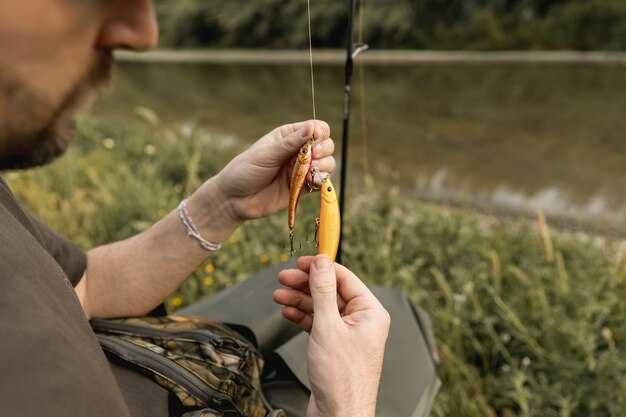
Best starting setup for freshwater catfish is a 7-foot to 7.5-foot rod with medium-heavy action, paired with a sturdy reel and smooth drag. Use about 200 yards of 20 lb braided line backed by 12- to 15-lb monofilament, or run straight braid for deep, beefy control. This setting lets you bring them out of dense cover and patches across acres of water, turning the battle into a controlled, powerful fight.
Line choice and handling: Braided mainline delivers very sensitive feel and strong performance, while a fluorocarbon leader 20–40 lb resists abrasion from rocks and timber. Soak the leader before tying to reduce knot slip in cold water. This setup offers a fantastic balance between learning and control, especially when you fish near sunfish and striped patches that mark weed lines and feed zones across acres.
Terminal tackle: Use hooks sized 4/0–8/0, with circle or wide-gap shapes depending on bite style. A sliding sinker above a bead and swivel prevents line twist; pair with a 20–40 lb fluorocarbon leader for abrasion resistance when fishing into timber and dense cover. This arrangement stays strong in a battle and keeps big fish from tearing off.
Rigging and setting: Approach this sport with a simple rig that works in wintering pools and dense cover. If youd prefer simplicity, begin with the Carolina rig. Tie knots with a reliable palomar or improved clinch; keep line setting taut as you probe patches in acres of water, including weed beds and sunfish schools. Their feeding tends to be gorging during warm spells, so stay focused and smooth, happily turning learning into solid results.
Baiting tactics: fresh bait vs. stink bait, scent trails, and presentation
Begin with live beef bullheads as your main attractant; harvested from a licensed fishery, these fish stay dense in a cooler and deliver strong aroma. Thread 2–4 on a sliding leader so the hook sits 6–12 inches off the bottom, then cast along the shore, side channels, and maidencane patches where activity is highest. Access public ramps and prepare for early drives; plan year-round trips, looking for movement near structure and chasing the target in the same area. In the Weohyakapka fishery and nearby public waters, this setup produces consistent results.
Čerství, živí sumečci vydávají v čisté vodě zřetelný pachový signál; v zakalené vodě nebo v proudech aplikujte návnadu na bázi hnijících ryb, abyste prodloužili pachovou stopu za montáží. Používejte střídmé množství, abyste vodu navoněli, aniž byste přehlušili samotnou montáž; méně je často více a můžete osvěžovat každých 20–30 minut za stálých podmínek, čímž se pachová stopa rozšíří celým vodním sloupcem.
Vůně: nechte proud unášet aroma po dně směrem k cílové zóně; veďte nástrahu podél okrajů porostu "maidencane", kapes plevele a srázů, kde hustý porost koncentruje ryby. Pohyblivá prezentace pomáhá udržet nástrahu v kontaktu se dnem a zároveň umožňuje, aby se vůně šířila do stejné oblasti. V místech s veřejným přístupem poblíž rybářského revíru Weohyakapka dobře funguje, když umístíte vlasce proti větru a proudu.
Záleží na prezentaci: použijte posuvné nastavení, abyste udrželi nástrahu mimo rostliny a měli kontrolu nad hloubkou. Střídejte pomalé splývání a delší, plynulé splývání, abyste pokryli stejný úsek; udržujte nástrahu 15–30 cm nad dnem, pokud je přítomna struktura, a klesejte hlouběji tam, kde dno stoupá do strmějšího svahu. Veďte více vlasců od břehu, abyste zvýšili pokrytí, zejména během ranních nebo pozdních odpoledních sezení, a koordinujte se s kolegy na stejné lodi pro efektivní jízdy; tento přístup usnadňuje přizpůsobení se měnícím se podmínkám.
Polní poznámky: zaznamenávejte počasí, čistotu vody a které atraktanty vyvolaly aktivitu; hledejte známky skryté aktivity – rozvířené bahno, stopy nebo ocasní pumpy – a rychle se přizpůsobte. Ve veřejných prostorech poblíž břehu a hustých porostů rákosu lze dosáhnout konzistentních výsledků po celý rok udržováním stálé zásoby sklizených živých návnad s hovězí příchutí. Sdílejte aktualizace s Orlandem, rybářským revírem Weohyakapka a okolními zpravodajskými zdroji, abyste byli informováni a dosahovali výsledků proti stejným cílovým druhům.
Kousání ryb a načasování: jak optimalizovat záběry podle ročního období a denní doby
Zaměřte se na ryby během soumračných oken – za úsvitu a soumraku – kdy se voda mírně ochladí a aktivita se zvýší. Ve východních a severovýchodních systémech tyto hodiny na mělkých plošinách a poblíž křovin připravují půdu pro jasnější signály záběru a rychlejší reakce.
- Jaro: povýtřecí nárůst aktivity a mělčí krmení
- Nejlepší časy: od úsvitu do dopoledne, zvláště blízko břehu a přístupových bodů podél řek a zálivů, jako je například ústí řeky Apalachicola.
- Kousky ke čtení: očekávejte rychlejší záběry, když ryby vplouvají do zón o hloubce 2–8 stop kolem hromad větví a kolem míst, kde se okounci a další druhy volně shlukují; hledejte krátké, zřetelné potahy a stálý náklon vlasce, když se ryby chytají.
- Poznámky ke vzorům: Tyto ryby milují pohyb přes teplé kapsy a struktury, které narušují proud; používejte crankbaity, které napodobují shad a jiné krmivo, a poté přejděte na hlubší sestavy, pokud se akce přesune na volné moře.
- Doporučené vybavení a nástrahy: plánujte lov na exponovaných březích a místech s přístupem pro lodě s vybavením se střední akcí; používejte nástrahy o velikosti 5–10 cm, abyste vyprovokovali pomalejší, rozvážné záběry, které jsou na konci jara běžné.
- Léto: horko zpomaluje tempo záběru; maximalizujte soustředění
- Nejlepší doba: za svítání nebo při západu slunce; v poledním žáru se ryby stahují do hlubší vody nebo pod převisy, proto se přesuňte do hloubky 2–6 m a k porostům podél břehů nebo přes kanály.
- Čtení záběrů: nejpomalejší záběry přicházejí, když se vlasec na okamžik prověsí, než přijde prudké trhnutí; sledujte nenápadné potřásání hlavou a jemné kousnutí do úvodního palce vlasce, když si ryba zajišťuje nástrahu.
- Poznámky ke strategii: zaměřte se na lokality s přístupem k hlubším termoklinám a hejnům sleďů amerických; plánujte lov tak, abyste se vyhnuli býčkům a jiným rybám žijícím u dna, které se živí padajícími sledi na hladinu.
- Doporučení pro vybavení a nástrahy: používejte crankbaity, které napodobují hejna shadů, a přizpůsobte se pomalejšímu a metodičtějšímu navíjení; udržujte montáže blízko úkrytů, ale vyhněte se přílišnému umisťování na otevřených mořských stěnách.
- Podzim: okno krmení se rozšiřuje; záběry se stávají rozhodujícími
- Nejlepší doba: před úsvitem a po soumraku, s kapsami teplého počasí prodlužujícími aktivitu; v rozsáhlých říčních systémech, místech podél severovýchodního pobřeží a do východních pánví vykazují konzistentní záběry v mělčích až středních hloubkách.
- Čtení záběrů: očekávejte silnější tahy nebo náhlý pokles, protože aktivní hejna vplouvají do zón 1–4 metry; mnoho záběrů nastává, když ryby krouží od překážek do otevřené vody poblíž struktury.
- Poznámky ke vzorům: hejna se stahují kolem mělkých říms a výběžků; zaměřte se na přístupová místa a okraje břehu, kam vlny tlačí návnadu.
- Doporučení ohledně vybavení a návnad: upřednostňujte spolehlivé návnady, se kterými se dobře nahazuje ze břehu nebo z lodí; plánujte práci s kombinací prezentací v mělké a střední hloubce, často střídejte vzory imitující plotice a agresivnější crankbaity.
- Zima: studené fronty, trpělivé zkoumání, hlubší držení
- Nejlepší časy: pozdní dopoledne až časné odpoledne, kdy se po vystavení slunci vytvoří mělká prohřívací kapsa; dívejte se přes hlubší kanály a kolem struktur, které drží zbytkové teplo, včetně zbytků křovin a sluncem zalitých břehů.
- Kousání: záběry jsou nejpomalejší a nejrozvážnější; sledujte minimální pohyb vlasce před tím, než se tah změní ve stálé tažení, často připomínající jemné zatažení za dno.
- Poznámky ke strategii: Zaměřte se na přístupová místa a pobřežní lokality, kde se vyskytují plůdky sleďovitých a jiné krmivo; plánujte lov v okolí sumečků a jiných živočichů žijících u dna, kteří se shromažďují blízko hlubších úkrytů.
- Doporučení pro vybavení a návnady: používejte silnější vlasce a pomalejší, trpělivé tempo; zvažte větší nástrahy nebo přirozené prezentace, abyste vyvolali záběr v chladnější vodě.
Zásady sezónní strategie: zaměřte se na místa, kde se v houštinách a konstrukcích drží návnada, u přístupových bodů, pobřeží a ve vodním sloupci, kudy se pohybují hejna kořisti. V oblasti Apalachicola a dalších východních vodách přináší nejkonzistentnější výsledky pravidelná kontrola pobřeží i hlubších kanálů. Plánujte nahazování z lodí nebo ze břehu a přizpůsobte se prostředí – ideální okno pro záběry často závisí na počasí a teplotě vody: když je klid, zvyšuje se viditelnost aktivních ryb u linií porostů, a když se zvedne vítr, podněcují stín a podvodní struktury pokračující krmení. Na různých místech uvidíte posuny průměrných rychlostí; nejlepší čtenáři se naučí prozkoumávat méně aktivní oblasti a poté se soustředit na nejslibnější místa s trpělivým a metodickým přístupem. Pravidelně se vracejte k přístupovým bodům a hromadám větví na svých oblíbených severovýchodních trasách, abyste udrželi plán aktuální a odhalili změny v aktivitě od úsvitu do soumraku.