


 Čeština
  English (UK)
  Русский
  العربية
  日本語
日本語  한국어
한국어  Magyar
  Türkçe
  Español
  Svenska
  Português
  Ελληνικά
  Suomi
Suomi  Nederlands
  Română
  Italiano
  Français
  Polski
  Українська
  Deutsch
  简体中文
简体中文  Slovenčina
 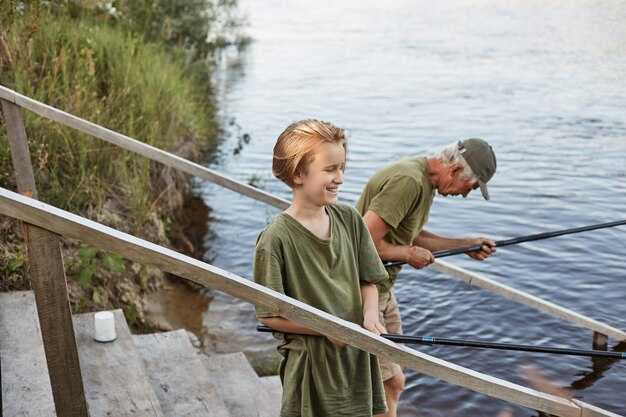 How to Avoid Seasickness on a Fishing Boat – 8 Practical Tips">

1. take meclizine with a light snack roughly one hour before you depart to blunt the onset of nausea on the water. your intake should be planned, and you can adjust the dose by weight and tolerance as needed.
2. Place yourself toward the center and forward on the craft; keep your gaze level toward the horizon and avoid looking below deck where motion is more predictable; those adjustments reduce the acceleration felt by the vestibular system.
3. Snack lightly during the voyage with options like pretzels, crackers, or fruit; through the day, nibbling in small portions helps staying feeling steady on long výlety.
4. Skip heavy meals before the voyage; opt for gentle, easily digestible options to reduce gastric load, especially if you have years of exposure to rough seas.
5. Hydration matters: sip water regularly to support your system and monitor your intake; avoid dehydration as a trigger for nausea.
6. If you are new to these trips, start with shorter runs to gauge what works for yourself; specifically, adjust pacing and cabin temperature to reduce stress through the day.
7. Embrace a gentle routine: breathe evenly, stay outdoors when possible, and keep a steady gaze on the horizon; gentle movement and light stretching help prevent queasiness between tasks.
8. Build your own kit of monitoring cues from years of trips: note what triggers discomfort and adapt your intake and rest periods through careful planning; staying proactive will keep you feeling capable, confident, and ready to handle rough waves.
Practical strategies for anglers to stay steady on deck
Stand with feet shoulder-width apart, knees slightly bent, core engaged, and one hand gripping a stable rail; this stance will keep your upper body steady as cruising begins and swells roll through the deck.
Fix your gaze on the horizon and maintain a constant head position; a steady line of sight reduces the onset of queasiness, and avoids unnecessary shifts near the wheel.
Control breathing: slow, deep breaths, in through the nose and out through the mouth; anxiety, typically a trigger, is alleviated when you keep breathing steady.
Wear non-slip footwear and secure gear to minimize movement; essentials like a compact harness, a whistle, a small first-aid kit, and a bottle of water belong in a chest pocket to prevent unnecessary shuffling.
Move with discipline: limit sudden steps, plan routine tasks, and coordinate with crewmates; these options reduce nausea chances and let you stay focused, even when others need to pull hard on the line; if theyre moving, you adjust with minimal crossing.
All-natural remedies such as ginger, peppermint tea, or acupressure bands can provide relief with minimal side effects; medicine options are available if discomfort returns, but choose medicine options with care.
Positioning relative to the wind and spray matters: face slightly into the wind, keep a low stance, and avoid leaning into gusts; winds can be a primary trigger for imbalance. If you want to minimize risk, adopt this posture.
Manage conflict of motion by keeping a routine: lock in a single task at a time, and shift attention to the world around you or the wonders of the sea to stay engaged while movement occurs, know what your body signals and adjust, which boosts enjoyment.
Horizon checks paired with hands near the wheel provide a natural reflex to stabilize; if you must adjust, do so in small increments and keep three-point contact with a rail, says a seasoned deckhand who understands calm balance.
Onset of queasiness can return; if that happens, sit, hydrate, and reassess food intake; the chances of a full setback drop when you stay disciplined and rest periodically.
Pre-boat meals and ginger snacks to settle the stomach
Eat a gentle, balanced snack 1.5–3 hours before departure and choose options that sit well on the stomach: toast with a light spread, warm oatmeal, or yogurt with crackers. plenty of fluids, especially water, support digestion and reduce nausea before the first swell.
Ginger is a natural helper: candy choices such as ginger candies or crystallized ginger provide a steady effect. Take one or two pieces 30–60 minutes before heading out; theyre easy to carry and won’t weigh you down when the deck starts rocking. If you prefer, ginger tea offers a soothing alternative, but candy is quick and portable in light winds.
For preventative relief, over-the-counter medicine can be considered after a quick consult with an experienced clinician or pharmacist. Use according to the label and avoid mixing with alcohol. This option can enhance comfort by reducing nausea signals before they peak, helping you stay on deck longer and safer.
Technique matters: chew each bite thoroughly, eat slowly, and vary meal timing with sea state. A small, steady intake combined with a candy or fruit, plus a light beverage, helps keep the stomach calm as the rocking increases. If symptoms appear, have plenty of options ready: candy, crackers, fruit, and medicine if approved. Points to consider include choosing foods that stay stable in your stomach and keeping a few strategies in your pocket for varying conditions.
Most scenarios show proactive choices reduce nausea; when used consistently, the effect tends to disappear quickly, or at least feels manageable, increasing your chances to stay on task and help the crew. Experienced hands know that gentle foods and ginger snacks can be a reliable first line, improving your ability to enjoy the trip.
Choose a stable stance and keep eyes on the horizon
Stand with feet shoulder-width apart, knees softly bent, weight centered, and chest open. This easy alignment dampens pitch and roll, stabilizing your center and maintaining comfort during long watches. Keep your gaze about 20–30 degrees above the horizon to anchor your senses and reduce disorientation. These experiences, such as mild nausea, are commonly mitigated by proper stance.
- Gradually adjust your stance as the sail shifts: small 5–10 degree corrections keep balance without triggering abrupt motion. Never snap into position; smooth transitions lower the risk of vomiting and fatigue.
- Fix your reference: steady gaze toward the horizon, avoid following fast-moving gear from the deck or nearby objects, and keep the head and eyes aligned with the line of sight. This light focus gives steadiness to your inner system.
- Secure your body: place a hand on a rail or lip of the cockpit; keep shoulders relaxed and avoid tensing, which amplifies signals of motion.
- Hydration and sugar remedy: sip water regularly; a small sugar-containing snack helps maintain blood sugar and reduces nausea. If you feel dizzy, take a break and breathe slowly.
- Breathing and pacing: use slow, deep breaths–inhale through the nose, exhale through the mouth–to support the body’s response and lessen seasick sensations.
- Prepare for shifts: pack a compact kit with hydration fluids, sugar lozenges, and a lightweight fan or shade to keep light from triggering eye strain and to maintain comfort against glare.
- Know when to seek help: if youre experiencing persistent disorientation or vomiting or if symptoms worsen, stop and inform the crew; a doctor may suggest a different remedy or position.
Onboard natural remedies: ginger, peppermint, aromatherapy, and acupressure bands
Take ginger before heading into the swell: 250–500 mg capsules or chewable strips, 1–2 doses before departure; theyre easy to store in pockets or seats, and the taste is brisk enough to settle the mouth, which gets you through rough seas. Ginger blocks brain signals and gut triggers, significantly reducing vomiting risk during cruising, because the active compounds interact with receptors in the brain. Hydrated waters help the effect through the journey, so sip water after ingestion to maintain fluids and comfort.
Máta peprná působí jako jemné antiemetikum, pokud je užívána jako čaj, kapsle, nebo kapesní inhalátor. Olej z máty peprné ochlazuje žaludek a dá se ochutnat nebo vdechovat; vůně je dobře snášena většinou lodníků. Konkrétně máta peprná pomáhá zklidnit mozek a snižuje nevolnost v raných stádiích, čímž činí plavbu méně stresující. Během přestávek si dejte malou doušek mátového čaje na podporu hydratace a stabilního dechu.
Aromaterapie na palubě využívá kompaktní difuzér nebo osobní inhalátory s mátou, citrusy nebo levandulí. Udržujte vůně jemné, abyste nepřehlušili smysly; klidná vůně pomáhá udržet pohled upřený na obzor, čímž omezuje závratě. Aromaterapie slouží jako preventivní opatření, které zvyšuje pohodlí bez silných léků a dobře se přenáší vlhkými kajutami.
Acupresurní pásky vyvíjejí jemný tlak na bod P6 na vnitřní straně zápěstí, široce studované preventivní strategie. Jsou pohodlné a drží na místě i v drsných mořích, což je činí praktickými pro sedadla i stojící pozice. Nošení během plavby snižuje nutkání zvracet a udržuje hydrataci, čímž snižuje riziko dehydratace, která může vyvolat další nevolnost. Někteří dodavatelé se sídlem ve Francisco nabízejí kompaktní sady pásek a proužků pro snadné použití před, během a po obdobích pohybu.
Hydratace, dechové techniky a čerstvý vzduch na palubě
Hydratujte se malými, pravidelnými doušky a propojte tuto návyk s časovačem: pijte 150–200 ml každých 15 minut během plavby. Tím udržujete stabilní hladinu tekutin a předcházíte náhlým závratím, což vám pomáhá předcházet symptomům dříve, než se začnou projevovat.
Při cestování mějte po ruce malé balení a naplánujte si rytmus, který vyhovuje vašemu tempu. Pokud dáváte přednost, cukrové tablety jsou jednoduchou možností, jak udržet energii na palubě.
Mějte cukrové tablety v kapse jako rychlý zdroj energie; toto jednoduché opatření pomáhá předcházet náhlým poklesům hladiny cukru v krvi při plavbě. Pro ty, kteří preferují rychlý povzbuzující efekt, tyto možnosti jsou po ruce během delších plaveb.
Použijte třídychní cyklus k uklidnění žaludku: nádech nosem po dobu čtyř sekund, zadržení po dobu dvou, výdech skrze stažené rty po dobu šesti. I když to působí mírně, opakujte to třikrát; tyto zázraky, a také mátový čaj, postupně působí tak, aby vás udržely v pohodlí na klidných vlnách.
Čerstvý vzduch na palubě je důležitý: vyjděte ven na pětminutové seance, otočte se proti větru a když se vám začne točit hlava, držte hlavu nad srdcem. Tyto krátké přestávky, které si dopřejete během plavby, postupně snižují nepohodlí a zlepšují vaši rovnováhu. Stan poznamenává, že mít tyto možnosti ve vašem programu vás udrží v pohodě během dlouhých plaveb.
Každý cestovatel prožívá moře odlišně, takže si tento rytmus upravte podle vlastní tolerance a vlastního tempa. Každá úprava vám může pomoci udržet rovnováhu víc, než si myslíte.
Pokud máte zdravotní problémy nebo otázky, poraďte se se svým lékařem před zahájením tohoto cvičení a dodržujte plán, který vám nejlépe vyhovuje. Každý jednotlivec by měl upravit tempo, ale základní myšlenka zůstává stejná: hydratace, kontrolované dýchání a pobyt venku vás udrží ve stabilním stavu.
| Action | How to do it | Benefits |
|---|---|---|
| Hydratační kadence | Vypijte 150–200 ml každých 15 minut; mějte po ruce cukrové tablety. | Stabilizuje tekutiny a energii, předchází závratím. |
| Dechový vzor | Three-count cycle: inhale 4s, hold 2s, exhale 6s; repeat three cycles | Uklidňuje vnitřní ucho, snižuje pocit nevolnosti |
| Outdoor time | Vyjděte na palubu na několik pětiminutových sezení; otočte se k větru; podle preference použijte mátovou vůni. | Zlepšuje cirkulaci a pohodlí během plavby. |
| Léčba a doplňky | Noste mátovou zmrzlinu, pár cukrových tablet a malý větráček; dělejte si přestávky postupně | Předpřipravené možnosti, jak se rychle cítit lépe |
| Bezpečnostní upozornění | Pokud přetrvávají příznaky, poraďte se s lékařem; upravte kadenci podle potřeby. | Bezpečnost a správná péče |
Odpočinek, načasování kofeinu a expozice světlu k prevenci únavy
Maximalizujte odpočinek pevným rozvrhem a krátkými zdřímnutími během klidných období, abyste si udrželi pozornost na plavbě. Cílem by mělo být 7–9 hodin kvalitního spánku na souši; pokud to není možné, 20–30minutový zdřímnutí může obnovit pozornost bez silné spánkové setrvačnosti. Vytvořte si komfortní zónu: dostatek tmy, klidné místo, prodyšné oblečení a stálou teplotu pro podporu regenerace a snížení rizika bolesti hlavy.
Plánujte příjem kofeinu s cílem. Rychle působící dávka 100–200 mg poskytuje rychlou energii během 15–30 minut, po které následuje pravidelná dávka, pokud únava přetrvává. Udržujte celkový denní příjem pod 400 mg, abyste předešli nervozitě a poruchám spánku; omezte používání v pozdních hodinách, abyste si udrželi stabilní vnitřní hodiny a stálou energii během směny. Preferujte popíjení vody mezi šálky, abyste zůstali hydratovaní a cítili se pohodlně.
Jasné světelné signály resetují cirkadiánové hodiny. Vyhledejte venkovní denní světlo během prvních 1–2 hodin po probuzení, abyste zlepšili pozornost a zabránili únavě. Pokud je slunce málo, 20–30minutové sezení s lampou poskytující 2 500–5 000 luxů může nahradit. Noste sluneční brýle proti oslnění a klobouk pro pohodlí na palubě, čímž zachováte náladu a soustředění.
Zázvor poskytuje oblíbenou, přírodní možnost, jak zmírnit nevolnost související s pohybem a podpořit pohodlí při dlouhých hlídáních. Typická dávka je 1–2 g denně, upravená dle tolerance a reakce. Formy zázvoru s rychlým účinkem mohou pomoci s pohodlím a mohou přispět ke zvládání rizika bolesti hlavy během dlouhých směn na palubě.
Stan, dozorčí posádky, poznamenává, že preventivní přístup s pevně stanoveným odpočinkem, měřenou kofeinovou dávkou a jasnými světelnými signály sladí směny a snižuje riziko únavy.
Existuje několik účinných postupů pro udržení energie a dobré nálady: pevně stanovený odpočinek, naplánované užívání kofeinu a časově řízená expozice světlu; ty předcházejí únavě a pomáhají vám užít si cestu.