


 Čeština
  English (UK)
  Русский
  العربية
  日本語
日本語  한국어
한국어  Magyar
  Türkçe
  Español
  Svenska
  Português
  Ελληνικά
  Suomi
Suomi  Nederlands
  Română
  Italiano
  Français
  Polski
  Українська
  Deutsch
  简体中文
简体中文  Slovenčina
  Everything You Need to Know About Scuba Diving – A Comprehensive Guide">

Begin with a certified center and rent gear for your first sessions under supervision. For beginners, this approach builds safety habits, refines buoyancy, and helps you judge your comfort level before a big purchase. Here you’ll find practical guidance on selecting training, gear, and destinations that match your plan. The program you choose provides a solid start without unnecessary cost.
Core items for the first phase include a mask that seals well, fins that fit, a regulator that breathes smoothly, a buoyancy control device, a cylinder, a weight belt, and a suit appropriate to the water temperature. Models exist for warm-water trips and for cold overseas locations. Centers routinely perform gear checks before sessions to confirm seals, battery status, and hoses, ensuring clean-ups and safety before you enter the water. Renting gear for the initial sessions keeps things flexible while you learn.
Training paths for beginners follow a structured set of courses and hands-on practice. Instructors use clear models to teach buoyancy, equalization, and emergency procedures. The curriculum covers air management, buddy procedures, and environmental care. Many programs provide certification cards that validate your progress and open doors to supervised sessions at partner centers here and overseas. This approach shouldnt skip core safety steps.
When you plan an outing, assess the marine setting, water temperature, visibility, and current conditions. For an adventurous starter, pick a shallow, calm site and gradually move to more varied reefs as confidence grows. Reef clean-ups and citizen-science projects offer practical ways to contribute while you learn; many centers run events with local organizations, here and abroad, giving you hands-on experience with every reef. Always buddy up, follow a pre-entry checklist, and stay hydrated in your exposure suit to stay comfortable.
Approach travel intelligently by mapping a simple plan. Review a few reliable itinerary models: a two-day local course, a weekend inland program, and a week-long offer overseas for deeper exposure to marine habitats. Check weather, visa rules, and luggage policies for equipment transport; secure a medical clearance and travel insurance. Verify that the program includes gear maintenance, on-site supervision, and constructive feedback after each session so you know what items you need to bring versus rent.
After completing initial training, you join a network of centers, instructors, and ongoing clean-ups that align with your interests. The progression is clear: you begin with basic skills, build confidence, and participate in more complex experiences that deepen your knowledge of marine habitats. The experience provides a great sense of achievement and unparalleled opportunities to support future projects and communities, and hope.
Scuba Diving Essentials: Quick Reference
Master buoyancy control in shallow water with a guided 60-second drill and a steady breathing rhythm to find your baseline and minimize air use.
Perform proper gear checks with your buddy before the underwater session: cylinder status, regulator function, weights, and your plan, ensuring it matches local conditions.
Choose popular destinations with reliable visibility and mild currents; review environmental guidelines and avoid delicate habitats to protect underwater life.
Keep communications tight: agree on entry and ascent procedures, depth limits, and maximum bottom time before you descend; also confirm emergency signals.
In-water tests and skills checks: practise controlled buoyancy adjustments and regulator recovery in a guided format, documenting results for clarity.
Maintain proper pace and trim; your drive to stay within limits improves safety and air efficiency; aim for the perfect balance of depth and buoyancy.
Carry something visible to aid signaling and stay ready for emergencies; respect environmental rules and avoid interactions with wildlife beyond safe distances.
Learn from studies and hands-on training: read operator notes and studies on local conditions; use those forms to tailor your approach.
Find opportunities to grow: practice with experienced guides in shallow, clear water; gradually challenge yourself as skills blossom and you learn to read currents under you.
Record observations and build clarity: log date, conditions, visibility, currents, water temperature, and notes to inform your next session.
Selecting Your First Mask, Fins, Regulator, and BCD
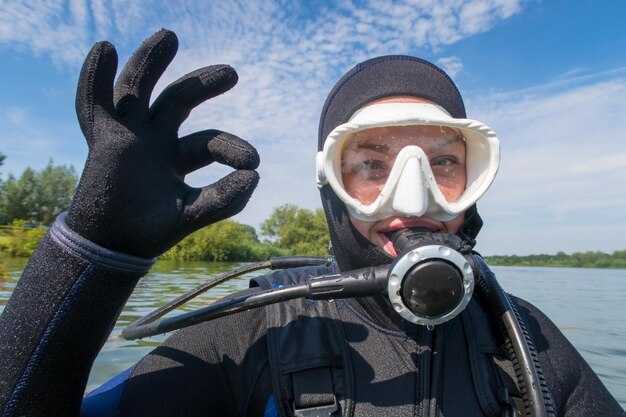
Recommendation: Choose a low-volume mask with a soft silicone skirt and tempered glass lenses to ensure a reliable seal and clear vision, which reduces leaks and saves time in the water.
To learn the myth versus reality of mask fit, test three sizes in warm water and press gently to check the seal without forcing the skirt. Look for a snug seal that doesn’t leave marks after removing the mask, and pick a field of view that suits your facial features and comfort level. For our species, comfort matters: a mask that breathes with you supports tranquility and helps you become confidently steady when you explore around fish and other reef life.
Fins need a balance between efficiency and flexibility. Start with short to mid-length blades for beginners, then try a longer blade if your legs gain strength and you want more glide. Ensure the foot pocket fits snugly with your booties, and set the strap to a comfortable tension so you don’t cramp the ankles after time in the water. Such a setup improves propulsion with less effort and lets you progress with efficiency in your movements.
Regulator selection centers on simplicity and reliability. opt for a balanced first stage paired with a second stage that offers adjustable inhalation effort. Check that the mouthpiece matches your bite, and verify compatibility with your planned gas mix and environmental conditions. A breathing system that performs smoothly reduces jaw fatigue and keeps you focused on the moment, not on the gear.
BCD choices hinge on your buoyancy needs and convenience. A jacket-style or back-inflate model with integrated weight pockets helps distribute weight evenly and supports easier handling at the surface. Confirm lift capacity is appropriate for your full gear, practice the inflator and deflator in shallow water, and ensure the control buttons are accessible. An integrated setup makes buoyancy control more intuitive and enhances safety during quick adjustments.
Tests in a progressive plan form the backbone of a smart purchase. Start with fit and comfort tests in a pool or shallow area, then run short, calm-water sessions to gauge breathing, buoyancy, and movement. Maintain a written plan with dates, gear variants, and notes on comfort, heart rate, and fatigue. This integrovaný approach helps you quantify benefits and makes the process complete for a new diver who wants to be becoming more capable with time, learn the gear, and move forward with confidence, not fear.
In practice, begin with a single, well-fitted mask, then add fins, regulator, and BCD in a phased sequence. This plan keeps your budget focused, tests the equipment thoroughly, and builds trust in your gear. The result is a calm, cooperative experience that supports the heart and mind as you practice skills, enjoy tranquility, and gradually explore the underwater world with a complete, reliable setup.
Choosing a Neoprene or Hybrid Wetsuit for Different Water Temperatures
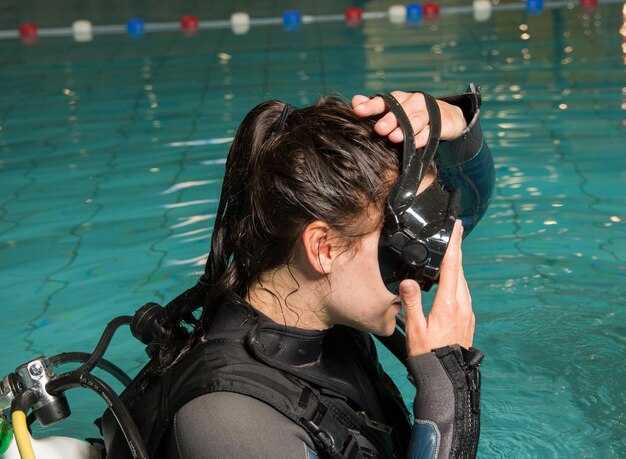
Baseline choice for most conditions is a 3/2 mm fullsuit. Depending on temperatures and your warmth tolerance, you may keep that thickness or upgrade to a 4/3 mm for cooler days. For tropical nights, a 2/2 mm or a hybrid with thinner limbs typically suffices; you can rent a couple of options to compare before buying, depending on temperatures.
Warm to mild temps around 24–29°C (75–85°F) respond well to a 2/2 mm fullsuit, or a 2/1 mm shorty for maximum mobility on calm days. Typically, flexible models help explore without overheating. If you plan shorter sessions or frequent site changes, rent a few options to compare how they feel on the water and in the air.
Cooler temps 20–24°C (68–75°F) call for a 3/2 mm or a 4/3 mm. A fleece lining adds efficient warmth without bulk. Hybrid variants–neoprene on the torso with lighter limbs–balance mobility and insulation, letting you stay calm while you learn new skills under changing skies and currents.
Cold temps below 18°C (64°F) demand a 4/3 mm or 5/4 mm, with gloves and booties as needed. If you expect longer undersea sessions or stronger on-site exposure, a fully insulated torso in a hybrid can keep warmth steady without slowing you down. Night conditions may require a touch more coverage, especially when winds pick up.
Hybrid wetsuits excel when temperatures swing across locations or during longer outings. They reinforce insulation where you need it most while keeping limbs nimble for precise movements, which helps plan and execute movements with clearer focus on skills and safety. Include these models in your evaluation when you want to explore different configurations at once, especially if you plan to travel between sites with varying climates.
Fit matters most: check seams, neck closure, and cuffs, and avoid any water flush that fattens fatigue. If you rent, test several options in a short session and ask about exchange terms. Before a trip, include the wetsuit choice in your plan along with tanks and other gear to ensure everything aligns with your planned routes and durations.
Undersea scenery and the arising wonders of marine life become more accessible when you choose a suit that fits well. A properly fitted layer lets you move slowly and observe species without distraction, turning lessons into confident practice, and what you learned on previous trips helps you refine a plan that keeps every outing comfortable, safe, and rewarding.
Mastering Core Skills: Buoyancy Control, Mask Clearing, and Regulator Recovery
Begin with neutral buoyancy in shallow water by tuning weight, trimming your body, and following a consistent breathing pattern. This approach makes you more controllable and reduces environmental impact, a great benefit for marine ecosystems. In many popular programs, these three drills form the first steps toward entry-level certification, and practicing them often leads to greater clarity and confidence in water. Virtual practice simulations help reinforce the protocols between sessions, and studies show that combining dry-run rhythm with real-water feedback deepens understanding. The tranquility of a calm pool aids focus, and for students who rent gear, clear checklists make practice safer and more efficient.
Buoyancy Control
- Weighting and trim: start with a baseline weight so you can hover with lungs relaxed at roughly 4–6 m; test by hovering at eye level and performing slow, controlled fin kicks; readjust in 0.5–1 kg increments until you hold a stable position with minimal finning.
- Breathing and depth management: use slow, steady breaths; inhale to rise, exhale to descend; do not hold your breath while adjusting depth; pause briefly after each breath to recheck your level.
- Body position and finning: maintain a near-horizontal posture, keep your head neutral, and use small ankle movements to minimize drag; practice hover drills for 15–20 seconds, then translate 5–10 m while keeping depth.
- Drills and feedback: complete a hover drill, a vertical control drill, and a slow translation drill; request feedback from a buddy or coach and compare with a depth gauge or computer readout; repeat as you deepen your practice.
Mask Clearing
- Preparation: signal to your buddy, set a confident seal on the mask, and make a small initial exhale through the nose to test the purge before water enters the eyes.
- Clear technique: tilt your head back slightly, press your palm against the mask, and exhale through the nose to push water out; keep eyes open as you assess surrounding conditions and mask fit; if water remains, repeat calmly in shallow water.
- Stability: practice in shallow water with neutral buoyancy; progress to maintaining depth while clearing and staying relaxed.
- Alternatives: for stubborn water, use the purge method by exhaling through the mouth while keeping the mask pressed; avoid large head movements; keep motions smooth and controlled.
Regulator Recovery
- Scenario awareness: if the regulator becomes free or lost, signal, maintain buoyancy, and scan for an alternate air source; keep your buddy within sight and follow site protocols.
- Air source and swap: grab the secondary air source firmly, then if needed release the primary and reseat it; keep a steady breath rate while making the switch.
- Reconnect and purge: once air is established, reseat the primary regulator, purge to clear water, and verify a secure seal before resuming normal breathing.
- Practice: run this protocol in shallow water with a buddy in controlled conditions; repeat until movements are smooth and signals are quick.
Buddy System Protocols: Pre-Dive Checks, Communication Signals, and Shared Air Procedures
Always perform a buddy check before you enter the water. Youre pairing with your buddy should start with the three core components: mask, regulator, and buoyancy control device, then verify tanks, weights, and exposure protection. Confirm your gas supply is enough for the planned profile, and check that gauges or computers display safe readings. Follow established protocols and finalize the plan by agreeing on depth limits, turnaround times, and ascent rates to keep safety a shared priority.
Before entering the water, run through the pre-dive checklist with your buddy: mask seal and strap tension, regulator function on both stages, BCD inflation and deflation, and tank pressure with a backup gas plan. If you rent gear, inspect for wear and secure fittings. Test breathing by briefly sharing air to confirm regulator response. Check surface conditions, agree on depth and ascent rate, and log the plan as part of your safety programs. Ensure you and them remain calm; these steps reduce anxiety and improve relaxation while maintaining discipline.
Establish clear communication signals before diving, and use them consistently underwater. Youre both responsible for safety, so agree on a simple set of signals for OK, low air, and need to ascend. For shared air, practice the buddy-breathing protocol in calm water: the receiver takes the donor regulator, both stay neutrally buoyant, and you swap roles only when safe. If separation occurs, maintain contact, ascend together while monitoring each other, and never ignore a signal from your buddy. Practice these initiatives with every project or training session so you find tips that fit your programs and the worlds you explore during diving.
Practical Dive Planning: Gas Management, Depth Limits, and Weather Assessment
Apply a rule-of-thirds gas plan for every scuba outing: bottom time, contingency, and reserve. For a 12 L cylinder at 200 bar, usable gas is about 2400 L, so roughly 800 L goes to each portion. With a calm, low-workload pattern (SAC ~15–18 L/min) this yields about 40–60 minutes at 18–20 m, about 25–35 minutes at 25 m, and 20–25 minutes at 30 m; subtract ascent and safety stops and adjust downward for currents or entanglement risk. Always surface with a buddy and keep a pony bottle on destinations without easy fills. This disciplined approach reduces stress during controlled surface intervals and increases the benefits for your team. Think of it as protection for this scuba outing, whether you are looking at shipwrecks or reefs and you care about the species around you.
Gas management during the mission relies on tests and protocols. Before entering, confirm gas status with your SPG and perform a quick checklist: mask seal, regulator free-flow tests, and buoyancy check. Use the formula: UsableGas = TankVolume × Pressure; BottomTime = UsableGas / SAC, then apply the rule-of-thirds to keep time in the water, contingency, and reserve balanced. Experienced teams think about two recent outings to calibrate actual SAC and adjust for different destinations, such as shipwrecks versus reefs. If you are looking at heavier workloads, raise SAC to 25–35 L/min and shorten bottom times accordingly. This planning minimizes risk and makes you look confident when you are considering underwater operations.
Depth limits depend on certification and area conditions. For recreational boundaries, stay within 18–30 m and adjust for area conditions and experience. In areas with currents, overhead environments like shipwrecks require tighter planning and buddy protocols. When a shipwreck is the destination, plan entry and exit routes, carry a line cutter, surface marker buoy, and a conservative gas reserve. As you look for wildlife, keep your fins quiet to avoid stressing fish and other species. The importance of following license requirements is clear, and you should align with organizations that regulate activities to stay compliant. This approach keeps you ready for deeper wreck explorations on a future trip.
Weather assessment begins long before stepping off the boat: check forecasts 24–48 hours ahead from reliable organizations; review wind, swell, tides, and currents for the area. On the day, verify surface conditions and re-check if winds shift or currents strengthen beyond your plan. Look for shelter options in your area and choose destinations that minimize wave impact; if conditions look marginal, postpone or relocate to a protected cove. Time the exit to line up with your surface interval and keep emergency plans accessible.
Equipment readiness combines a workout, a full equipment check, and clear protocols. Pack essential items such as a spare mask, spare O-ring, light sources, signaling devices, and a cutting tool. Before entry, verify you have current license details and any required documentation, and confirm your buddy carries theirs. Use standard protocols: mutual gas checks, signal rehearsals, and exit strategy tests, including contingency plans for currents or entanglements. If you notice something off, pause, communicate, and re-check all steps with your partner.
Advancements in equipment and training continually reshape safety. Leverage digital tools for weather updates and gas tracking and stay current with the organizations that publish standards. A well-documented log from each trip supports improvements in gas time estimates for different destinations and conditions. By maintaining a sharp understanding of risks and applying practical planning, you reduce the chance of incidents and increase the enjoyment of every underwater experience.