


 Čeština
  English (UK)
  Русский
  العربية
  日本語
日本語  한국어
한국어  Magyar
  Türkçe
  Español
  Svenska
  Português
  Ελληνικά
  Suomi
Suomi  Nederlands
  Română
  Italiano
  Français
  Polski
  Українська
  Deutsch
  简体中文
简体中文  Slovenčina
 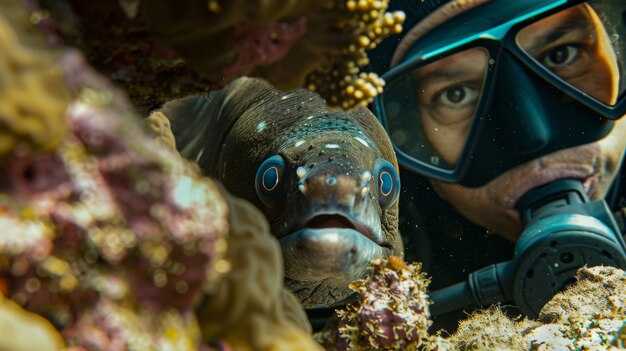 Diving in Noumea – Best Dive Sites & Practical Guide">

September expeditions yield the best visibility and calm seas in Nouméa, so book now for the complete underwater experience. This guide offers concrete options, precise routes, and safety tips to maximize your time on the water.
In the Nouméa area, prime spots span from sheltered lagoons to the outer reef edge, with depth ranging from 6 to 30 meters depending on the site. Visibility typically sits at 15–25 meters on stable days, and large pelagic visitors may appear along the drop during expeditions. september remains the best window for consistent conditions, though good days exist year-round here.
For a complete plan, check diveplanitcom for routes, vessel options, and real-time weather tips. They provide itineraries with times and depth ranges to tailor expeditions to your pace. If you want to forget the guesswork, team up with a local guide who knows the here harbor conditions and the large pelagic movements that shape the season.
The underwater world near Nouméa offers a mix of macro life and reef structure: vibrant gardens at shallow banks, arches and swim-throughs at intermediate depths, and occasional pelagic action along the outer plateau. Early-morning sessions maximize visibility and give you time to photograph the best colors before the winds shift.
Practical tips: bring reef-safe sunscreen, a compact camera, and a spare battery; ensure your guide provides a well-fitting mask and fins. Currents can change quickly near the outer reef, so keep your buddy close and stay aware of your depth and distance from the boat. September’s stable conditions help, but always have a backup plan to protect your schedule.
To guarantee a memorable outing, choose operators with a clear safety record, modern boats, and responsive updates on conditions. They offers flexible itineraries and a range of gear packages, ensuring you can target the best spots around Nouméa, whether you seek pelagic encounters or tranquil underwater gardens. The experience here is designed to satisfy both beginners and seasoned travelers, with underwater sights that stay with you long after you return.
Noumea Diving Guide
Start at cathedral at dawn for the best light and calm currents; arches glow as shafts of sun travel through clear water, and fish weave across the reef in a show you won’t forget.
Gear and safety: pack a 3-5 mm wetsuit, mask, fins, regulator, buoyancy device, and a reliable light for night portions. Do shore checks, then a buddy check with your guide; a reputable operator carries backup gear to guarantee you have a spare regulator and tank if needed.
Top sites span cathedral, the barrier reef across the outer shelf, and pronys shoals near hienghène, offering a diverse mix of macro life, coral gardens, and schooling fish. Expect depths from 8-12 m in sheltered zones to 18-25 m along vertical walls, with pins of sunlight piercing the blue.
Night sessions awaken a different palette of life; keep a light on to spot crustaceans, octopuses, and nocturnal fish. Expect 1-2 hours per outing, depending on safety checks and weather; plan two slots if you want to cover both a daytime wall and a nocturnal area.
For a couple seeking a balanced, ideal experience, mid-july conditions give the best visibility across the barrier and toward hienghène; a suitable itinerary pairs cathedral exploration with a second session across the pronys flats. If you want a guarantee of seeing color and life, book with a local operator who provides certified guides, reliable gear, and safe ascent procedures.
Pascaline: Entry points, currents, visibility, and depth
Begin at the southern entry near hienghène, slipping through a sheltered slot that opens into Pascaline’s cave system and along the edge of large drop-offs. Descend calmly to 12–18 m, then drift through the barrier toward the enchanting cave mouth and the paradise-like southern slope feeding pelagic currents. Keep a steady line, monitor air, and plan a controlled ascent with a 3–5 minute safety stop.
Two practical entry points exist: the southern approach through the drop-offs that lead into a shallow plateau, and a northern slot toward the patrice wreck near the caledonian resort. Each route offers distinct textures: soft sand flats nearby, and rocky complexity deeper along the barrier.
Currents vary with tides and wind, flowing primarily through the southern pass and curling around the barrier toward the south coast. Expeditions partner with a local guide; set a fixed line, maintain buddy checks, and take responsibility for gear, signals, and mask clarity.
Visibility ranges from 15 to 30 m on clear days; in silt-heavy or overcast conditions it may drop to 6–12 m near the cave mouth. The источник of surface currents shifts with wind, so expect changes and plan through the weather window.
Depths span roughly 8–40 m: soft-sand flats sit around 8–20 m, large drop-offs reach 25–40 m, and the patrice wreck sits near 18–22 m, offering a gentle entry into calm water. The southern caledonian barrier yields enchanting pelagic glimpses, while the sites along the reef showcase soft corals and large reef structures.
The Dieppoise Wreck: Access, hazards, and photography tips
Get certification and book a local operator for Dieppoise Wreck access; you need a guided underwater excursion that matches your level and the year’s conditions.
- Access and approach: From nouméa, a 25–40 minute ride outside the reef delivers you to the wreck site. The Dieppoise rests on a sandy bottom at about 12–22 m, with the upper deck often visible in September when light and currents align for cleaner conditions. The shoreline near nouméa is lined with pines, creating a picturesque backdrop before you enter the water. For planning, check information from local operators and resources like diveplanitcom for route suggestions and a practical checklist.
- Hazards and safety: Expect current and surge around the hull, with silt churn that can reduce visibility if you pass through arches and openings. Entanglement is a real risk on lines and pins securing deck fittings; avoid interior spaces unless your guide authorizes access. Always stay outside the wreck’s interior zones, and keep an eye on pronys and pelagic life that can appear suddenly, especially during night operations outside standard hours.
- Photography tips: Use a wide-angle lens (14–16 mm on full-frame) with a compact strobe, and position lights to minimize backscatter. Move slowly through arches and along the hull, working through the framing to capture texture on the bow and deck plates. Shoot at low ISO (100–400) and a shutter around 1/125–1/160 s; balance ambient light with your strobes for natural color. For night shots, bring a small handheld light to reveal interior details without blinding your subject; this enchanting wreck rewards patient, couple-friendly compositions that highlight pelagic life just outside the structure.
Information and planning: Always verify weather, currents, and regulations before each outing; forget assumptions and rely on local guidance. This site offers practical notes for nouméa-based trips, and you will leave with a better understanding of how to approach the wreck in paradise, respecting its history and the surrounding reef. If something does not feel right, postpone the session–safety remains the top priority.
Deverd Pass: Drift diving rules, tides, and safe exit strategies
Begin with slack-water entry at Deverd Pass: two hours around peak tide, set your drift plan, deploy a reel with a 30–40 m line, and confirm surface comms before entering.
Keep the group tight: buddy pair within 2–3 m, maintain line tension, and avoid touching soft corals or gorgonians. If separation occurs, execute a controlled ascent, rejoin within minutes, and use a surface marker buoy to signal your location and route to the boat.
Tides and current behavior here vary with the lunar cycle. Expect 1.0–2.5 knots through typical windows, with pulses stronger near higher tides. Plan a short transit from the edge toward the large islet–this area creates an exit corridor and predictable landmarks. The best windows occur when the surface wind is light and visibility stays comfortable for hours.
Observe life along the pass: gorgonians and napoleons populate the walls, grey reef residents patrol deeper edges, rays glide the sand, and dolphins may surface during calm moments. Here, Patrice, a local guide from Hienghènes, can share current notes and favourite exit points for beginners and advanced divers alike; diveplanitcom offers practical templates for planning, and источник: local guides corroborate the details for reliable planning.
Find diving clubs: How to choose operators and what questions to ask
Start with three local clubs that offer certified guides and clear safety policies, and compare their small-group options, boat comfort, and gear checks. This is the best way to lock in a reliable crew.
Ask about routes in the southern region and the variety of spots they run, including shipwrecks, arches, caves, and a chance to spot gorgonians and other reef life. Ensure they can tailor a plan to your interests, whether you want a calm water day with barrier reef scenery or a more active encounter with multiple sites.
Get concrete details on hours, cancellation terms, weather policy, and what happens if conditions change. Confirm whether you may switch to alternate spots if winds or currents block a chosen site, and how the operator handles safety on rough water.
Talk equipment directly: do you provide fins, mask, wetsuit, weights, and tanks? Are rentals included or charged separately? Check gear condition and service history; a well-maintained setup reduces surprises.
Contact a known local guide such as Patrice to verify dock location and meeting times. A quick call or message helps confirm that the operator can support your preferred pace and site choices, like small isle coves or daylight hours near a spectacular reef, and whether they offer a safe, guided water experience for your group.
For guidance and comparisons, check diveplanitcom and read operator notes, safety advisories, and user feedback before booking. This helps you match a best fit with your schedule and interest in spotting wildlife such as soft corals and sponges along the barrier.
| Operator | Questions to ask | Why it matters |
|---|---|---|
| Safety and credentials | What certifications do crew hold? Do you carry liability insurance? Is there a rescue plan and first-aid gear onboard? | Reduces risk and ensures responders are ready |
| Guides and group size | What is the typical group size? Do you provide a dedicated guide for private trips? | Affects attention, spotting, and pace |
| Equipment policy | Do you rent fins, mask, wetsuit? Are weights and tanks included? What condition is the gear in? | Prevents delays and discomfort in water |
| Site options and schedule | Which spots are on the plan for the day? Can you switch to cave or reef depending on conditions? Are there southern and isle options? | Maximizes chances for a spectacular encounter |
| Costs and inclusions | What are charges for boat time, equipment rental, and park fees? Any hidden costs? | Helps compare offers and avoid surprises |
Book your diving in New Caledonia: Steps, prerequisites, and payment options
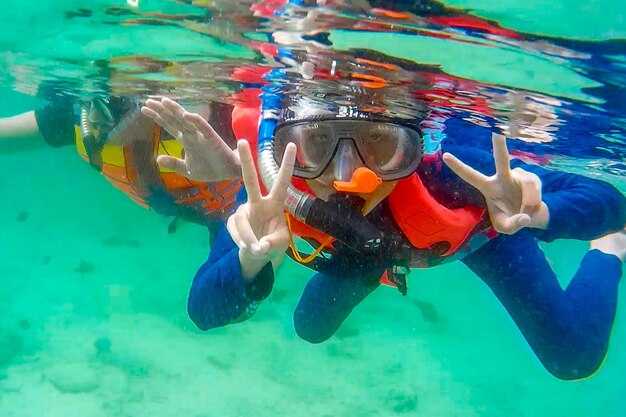
Reserve a local centre in New Caledonia at least four weeks ahead to lock in your favourite dive plan and secure access to sought-after sites along the south coast, including arches and the barrier reef.
Steps to book: choose a caledonian centre, confirm prerequisites such as minimum age, medical clearance if required, and current certification; select a suitable itinerary and complete forms, then upload your cert card. Use diveplanitcom to review a ready-made trail and depth ranges that match your experience. Pick sites within your comfort level, from arches over the seabed with soft coral to a bertonneau cave, and finalize your complete diving itinerary.
Payment options: online card payments via Visa or Mastercard through a secure gateway; bank transfer for advance deposits; or cash in CFP franc at the centre. Some centres offer instalments or flexible payment windows, especially for multi-site packages tied to a resort stay.
On arrival, you’ll get a safety briefing, equipment check, and a dive plan overview. The guide will cover depth, currents, and water temperature, and you’ll observe local marine life and may encounter turtles or reef fish. Stay within your depth limits, protect the soft coral, and follow the trail with care. A well-matched plan within a centre’s options makes for a spectacular day, whether you explore arches or the bertonneau cave, or cruise a favourite reef near a resort.