


 Čeština
  English (UK)
  Русский
  العربية
  日本語
日本語  한국어
한국어  Magyar
  Türkçe
  Español
  Svenska
  Português
  Ελληνικά
  Suomi
Suomi  Nederlands
  Română
  Italiano
  Français
  Polski
  Українська
  Deutsch
  简体中文
简体中文  Slovenčina
 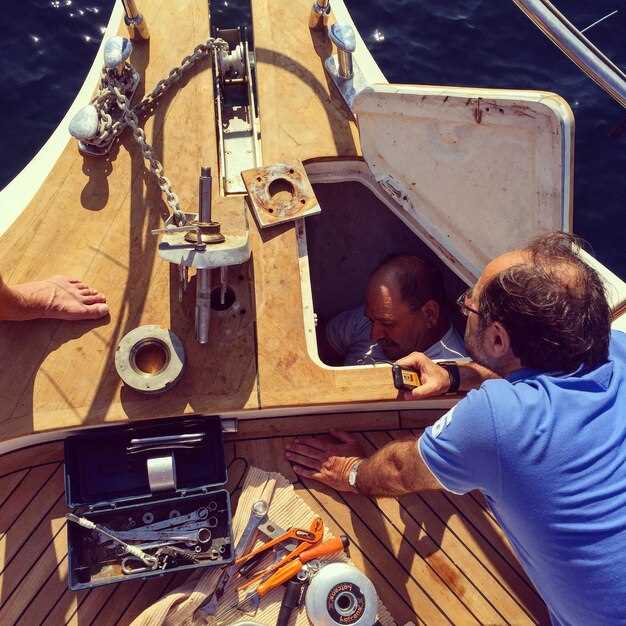 Vytvoření dokonalého inzerátu na loď pro maximální viditelnost">

Stand out in every search with a clutter-free hull and precise inspecting workflow that makes your listing perfect for boaters and brokers. This approach delivers transparency and a compelling story of condition, so your deck, berths, and hull look their best under the most favorable light.
Our service combines photos a video that show čerstvé equipment and features, with a well-crafted description and a hook that keeps interested parties engaged. We arrange a staged setting, presenting the same high-quality look across platforms so sellers themselves feel confident about what’s provided.
Our process is led by a specialist who conducts thorough inspecting of the hull, decka equipment, then the provided assets–the table of items that matter–are compiled with clear notes about condition and history. We pick the strongest shots and photos that highlight berths, waves on deck, and the setting, ensuring you don’t overstate anything or overlook any detail.
With transparency and a clear agreement presented to brokers, the same high standard is used across every stage. This approach builds relationships with sellers and those interested in buying the boat, giving you confidence that you’re delivering a genuine story rather than a glossy presentation that hides clutter.
Ready to act? Ask for a gday greeting and let us arrange a consultation. We’ll show you how every listing component–from hull to berths–to the setting and condition works together to drive more action and convert lookers into buyers, which makes your effort worth the investment.
Section 1: Visuals
To maximize visibility for your listing, visuals must feel live from the first frame. Start with a plan for photography and a concise video walkthrough that shows how the boat performs in real use. Highlight the built quality and the equipment buyers expect, with expert guidance in shot selection and a clean, professional finish. Include both exterior and interior shots that demonstrate space, layout, and usability.
Exterior shots should cover the hull, paint, deck fittings, and key features that signal value. Interior shots should span the main cabin, galley, head, and the V-berth, including the sitting areas and how the space can accommodate a group. For multihull models, emphasize deck space, stability, and performance potential, with action clips that illustrate handling, speed, and carefree sailing or motoring.
Lighting matters: shoot on sunny mornings or in the golden hour to produce sharp, clear images. Keep backgrounds clean and free of distractions. Consider a short video where the owner or a specialist explains key features; this adds knowledge and credibility. If you have an aussie audience, a friendly gday moment can help establish rapport and trust.
Use captions or on-frame text to surface useful facts without overpowering the visuals: year, length, hull type, engine hours, and notable upgrades. Specifically call out equipment and upgrades that differentiate this boat from others. heres the basics: hero exterior shot, interior walkthrough, then close-ups of gear and safety gear. thats the flow that keeps attention and reinforces value.
Ensure every image is clean and high-resolution, with minimal shade and clutter. Highlight distinctive paint work, wood flair or trim, and the condition of running gear. For boats that have special features–independent safety gear, V-berth arrangement, or unique multihull layouts–show close-ups to communicate quality and care. dont forget to include a video supplement so viewers can see action, such as a quick dock, turn, or anchoring sequence, to give a real sense of performance. Boaters notice when details matter, and a well-produced video helps secure interest rather than lose it to dull listings.
Finally, align visuals with your written listing to drive engagement. The goal is to build a straightforward, memorable impression that helps you secure serious inquiries from clients who value effort and detail. Your visuals should support the narrative you want to tell and make buyers feel confident beginning a conversation with you–the owner or a specialist–about buying the boat today. This is your ticket to great relationships, faster responses, and a smoother buying journey.
Capture high-resolution photos with natural light and accurate colors
Crafting high-resolution photos with natural light and accurate colors is worth more than a dozen generic shots. Presented with a clear description, these images draw interest and help viewing by potential buyers. This approach works for particular layouts, including multihull builds, and shows water, deck, galley, berths, and power systems in a way that your listing can stand up to inspection by boaters and buyers alike. Gday, aussie boaties – this approach keeps the process simple, friendly, and easy to understand for an owner or their friend. Keep your own voice clear and avoid clutter so the thing that buyers are looking for reads true. A well-built hull and meticulous craft speak to buyers and reflect the care years of ownership bring.
To achieve natural light and accurate colors, plan shoots for the hour around sunrise or sunset, or on an overcast day when shadows are gentle. Use a tripod and shoot at high resolution; youve got space to capture both wide views and close details. These shots give viewers a realistic sense of space. Include a video walk-through as a supplement, but ensure the still photos remain the core of the sale. Whatever the angle, aim for sharp, easy-to-read imagery that supports viewing and helps boaters and buyers get a clear sense of the boat before any viewings. For particular boats, this method adapts to different layouts and helps with the buying decision.
While inspecting the boat, you can arrange space to reduce clutter. Remove unnecessary gear, tidy lines, and stage areas so the galley, berths, and living spaces read clearly. This walk-through helps buyers picture themselves on board, including yourself, and taken as a set, these shots should give a detailed sense of layout and how the boat feels when you walk through. Their accuracy matters for the sales process and helps you avoid disputes after selling. Arranging the space is easier if you walk the boat with a friend or follow a provided checklist.
Exterior and interior framing should tell a clear story that aligns with the listing description. Focus on the features that buyers care about: power, water systems, galley appliances, climate comfort, and berths. This consistency helps build trust and justice between seller and buyer, and makes the listing more appealing than a cluttered gallery. For every thing you show, be mindful of what is not shown; you want to avoid misrepresentation and deliver what is listed and exactly as described, with your own detail and promise that the description matches the image. Over the years, the sharp, more detailed photos set a higher level of trust, and a better buying experience follows, which can help you sell faster and reach an agreement that satisfies both parties, with the sold item clearly understood. absolutely, this approach supports crafting a clear path for buyers and provides much value for their decision-making.
| Aspect | Action | Notes / Examples |
|---|---|---|
| Lighting & Color | Shoot in natural light; use a tripod; shoot in high resolution | Golden hour or overcast; keep water and hull colors true; consider RAW for flexibility |
| Composition | Include exterior wide views and interior close-ups | Show galley, berths, cockpit; maintain easy-to-read lines |
| Preparation | Arrange space; remove clutter; prepare for viewings | Match images to description; avoid misleading angles |
| Details | Close-ups of features | Power panels, galley appliances, storage, berth size |
| Consistency | Use the same angles and exposure | Listed items align with the description |
| Video & Documentation | Include a short walk-through video | Link to video; ensure description matches images |
Section 1: Photo Quality
Photos are the most important element of the listing. After planning the shoot, provide plenty of photos that cover the front, hull, deck, interior, and equipment. When the shots look fresh and professional, they support the buyer’s purchasing decisions and marketing outcomes. Pictures and video can accompany the listing to tell the story of the vessel, and this approach helps youre listing feel more credible to every viewer. The owner or someone else can assist with inspecting and handling the setup to ensure accuracy, and care carefully to present everything clearly. Justice to their condition requires a full set that shows hundreds of details, not a few shots. Also, organize the items on a table and secure them to avoid distractions; this plan reduces time and creates easier viewings.
Photographic Setup and Presentation
- Front shots and hull detail establish exterior condition; use long-range and close-up pictures to balance context and specifics.
- Interior, cockpit, and equipment shots reveal layout, upholstery, controls, and storage, providing a complete story of the vessel.
- Keep items such as gear and accessories neatly arranged and sitting on a clean surface to avoid clutter in every frame.
- Short video clips alongside high‑quality photos enhance marketing and help viewers understand scale, space, and flow.
- Apply consistent lighting and settings so the colors are accurate, making the listing feel fresh and predictable for buyers.
Planning, Delivery, and Verification
- Plan the shoot with clear goals and time for setup, testing, and final review, ensuring the plan aligns with what buyers expect.
- Provide hundreds of photos that cover all key items and perspectives; include both wide views and close-ups to illustrate details.
- During handling and setup, inspect every area carefully to avoid misleading impressions and ensure the listing remains trustworthy.
- After shooting, review the gallery for accuracy and consistency; remove anything that could misrepresent the vessel’s condition.
- Publish the final set with a friendly tone and a short video that supports the listing, especially for aussies, to encourage quick viewings.
Show six key shots: bow, stern, cockpit, engine, gauges, and gear
Shot-by-shot guide
Begin with a clean bow shot that shows the forward profile, rails, and anchor gear. Shoot from a low angle in natural light to convey power and presence. This image helps buyers understand the vessel’s lines from the owner’s perspective and sets the tone for the rest of the listing, especially when the water is calm and the hull looks well maintained.
Next, capture the stern to reveal the transom, swim platform, and any mooring hardware like fenders. A wide shot here communicates space and stability, and you can show how the vessel sits in the water from behind, which matters whether the boat is a planing runabout or a multihull.
The cockpit shot should emphasize seating, helm, electronics, and access to the swim platform. Include a clean deck, uncluttered lines, and thoughtful staging so viewers can imagine themselves steering and relaxing at anchor. If you plan to list this boat with a team, show how the space supports easy social flow for friends and guests.
The engine shot places the power source in focus. If you have an inboard or outboard, photograph the engine cover open to reveal clean, well‑maintained systems, hoses, clamps, and labels. Mention visible engine hours or performance notes in the caption so buyers know the runs and maintenance history without digging for details.
A shot of gauges highlights the boat’s instruments: tach, depth, fuel, battery, wind, and trim. Use close‑ups for detail and a wider shot to show the overall cluster. This helps buyers know whether the electronics are up to date and easy to read, giving a feel of control and readiness when you’re on board.
Finally, the gear shot captures essential kit on deck or in stowage: life jackets, anchors, lines, fenders, hoses, and tools. Show how the gear is stored, easily reachable, and organized so the boat feels prepared for whatever you want to do on day one, including berths or interior access if relevant.
Listing optimization tips
To maximize visibility, pair each shot with concise captions that highlight the boat’s strengths and what makes it stand out. Include any active brokerage status and whether the seller is the owner or working with a professional team. This helps potential buyers know they’re getting expert advice and a friendly, straightforward experience, which is especially valuable in a busy market.
Provide a detailed plan for the shoot: schedule, locations, weather windows, and who will be involved. If you’re listing a multihull or a motorboat, tailor the shots to show the distinct features, since visibility is key and the agreement with the buyer should feel clear and fair. If you’ve bought the boat recently, mention improvements and what’s included rather than leaving buyers guessing.
Before you publish, do a final check: ensure the pictures are well lit, each shot is clean, and no important detail is missing. Provide a quick overview in a table or caption pack so buyers know what they’re getting at a glance. This reduces back‑and‑forth calls, helps the seller present details clearly, and makes it easy for any buyer to move from interest to an actual call or visit.
Remember: your goal is a professional, detailed, and friendly presentation that doesn’t overwhelm. Keep the tone honest and straightforward, acknowledge what’s included (or not), and offer clear next steps if the buyer wants to proceed with an agreement or arrange a viewing. If the listing is active, stay consistent across six shots and provide the necessary advice and contact information so buyers know whom to call for more details–a simple step that can prevent loss of interest and drive serious inquiries from a motivated buyer, whether they’re a first‑time buyer or an experienced seller looking for a smooth, well‑organized process. There’s much to gain when you present pictures that are easy to understand and truly reflect the vessel you’ve listed, with room for questions, and a plan that protects both sides.
Section 2: Title and Clarity
Craft a buoyant, accurate listing title that communicates the vessel type, location, and core value in one line. An effective title helps boaters and buyers find your listing exactly when they are looking. Use a simple, descriptive approach that stands out without exaggeration, because clarity is the foundation of trust. Follow each step with the same standard to help them make informed decisions.
Pair the title with a concise subtitle that explains the offering and sets expectations. The same approach should appear on every channel – listing pages, viewings, and photo galleries. Include the vessel name, key features (galley, v-berth, full inventory), and the setting or location to avoid confusion.
Photos and notes should provide proof of condition and equipment. Use fresh, properly lit photo sets, with captions that identify each area: galley, v-berth, cockpit, engine space, and any upgrades or repairs. Hanging a high-quality photo of the hull or paint can be part of the plan; ensure the visuals support what you write. The listing should reflect the vessel being presented in real life conditions. Provide a источник of proof for any performance claim.
Make the language accessible and helpful to customers. Avoid jargon that is hard to understand, and keep each sentence short and informative. Provide personal notes about how the vessel fits a buyer’s needs, along with a note about access to viewings, time windows, and whether you can prepare the vessel independently or with the brokerage support of a professional team. If youve limited access to viewings, state it clearly.
Provide details that buyers care about: ownership history, current inventory, and the expected price range. If you’re offering a complete, full listing, state what is included and what is not. Include an agreement or note about the process to submit offers, how to handle negotiations, and what the buyer should provide to move forward with a viewing or test voyage.
Consider the audience, including aussies and international buyers. Use language that speaks to them, and include practical information such as location, nearby services, and typical delivery or transport considerations. A solid listing can help a buyer stand out by presenting a clear, transparent plan for preparation, handling, and pickup.
Finally, ensure the word flow and structure are consistent: a strong title, a clear subtitle, a well-ordered description, and a robust photo gallery. The goal is absolute clarity so buyers can quickly decide to view or request more details, with a straightforward path to schedule a viewing or make an offer.
Craft a precise title with Make, Model, Year, and core specs
To maximize visibility and attract buyers, the title must clearly show the Make, Model, Year and core specs. The first impression matters, so keep it easy to read and appealing. A precise header helps buyers filter the listing, reduces the chance you lose interest during showing or when theyre scanning the feed, and sets expectations for the description and photos provided.
Use a simple template that quickly communicates the essentials: Make Model Year – Length, Power, Hull type, and core features. This approach is easy to scan and straightforward for buyers across platforms. If any item is unknown, simply omit it rather than forcing terms that may mislead readers. Highlight the power and primary features so readers know what theyre getting at a glance.
Whether you list on MarineHub or through a brokerage, a well-constructed title speeds up showing and inquiry. Include the most relevant years, power and features in the header; where the boat sits geographically may be better left to the description. When you keep it short but detailed enough, the header becomes more likely to surface in searches by areas and terms buyers look for. Theres a balance between brevity and detail; use the header to summarize Make, Model, Year and core specs, and use the description to expand with full detail.
Examples show how concise headers translate into strong results: “Bristol 42 Sedan 2015 – 42ft, 2x 350hp, diesel” and “BrandX 380 Cruiser 2019 – 38ft, 2x 350hp, bow thruster, generator.” For searches by aussies and international buyers, these short, appealing titles pair with a robust description and high-quality photos to build solid relationships with buyers, sellers, and brokerages alike. The galley, equipment, and other features can then be detailed under the description or video section for those who want to see every detail before planning a showing.
Advice from a specialist and brokerage teams can help you pick the right combinations of terms and core specs. A well-prepared title will be provided with the full description, photos, and video, going beyond just the basics to cover important requirements and equipment. This approach will help buyers assess the boat’s value, keep terms clear, and reduce friction during negotiations–a bonus for preparing listings that sell quickly, fresh or sold–because a precise header sets the tone for every subsequent interaction, with their ongoing relationship to marinehub, buyers, and sellers. This is particularly useful when you need to choose what to highlight in the title and what to detail in the description, ensuring you pick the elements that matter most to buyers and match the boat’s true condition.
Section 2: Specs and History
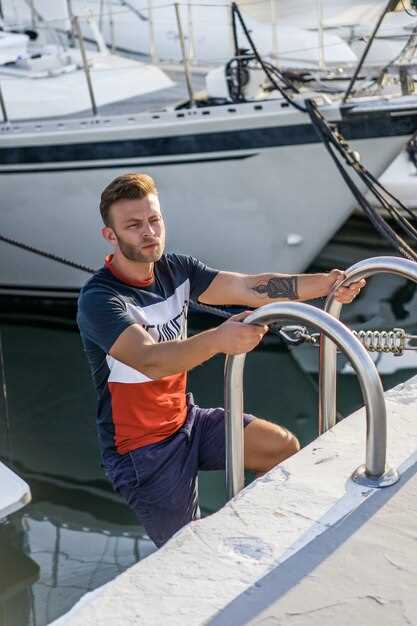
Full specs and history are presented here to help buyers and clients evaluate quickly. Items are verified and ready for independent review. Whether buying for cruising, fishing, or charter work, you can expect clear data that supports decisions. This section is sorted by category to avoid clutter and provide room for questions during a call or on a walk-through. The information here reflects the real condition of the vessel, with pictures that show the layout and equipment as they sit on the water. gday to prospective buyers viewing from overseas, eyes on the details will help you assess value without surprises.
- Model and year: Oceanic Yachts Sport Cruiser, built 2007
- Length overall / beam / draft: 42 ft / 12 ft 7 in / 3 ft 6 in
- Hull and deck: fiberglass monohull with non-skid deck; blue gel coat; designed for solid marine performance
- Displacement: about 18,000 lb; waterline stability emphasized
- Engine(s): twin inboard diesel engines, Volvo Penta, total approx. 600 hp
- Propulsion: shaft drives with standard trim and engine controls for predictable handling
- Fuel capacity: 320 US gallons; range varies with load and speed
- Water capacity: 70 US gallons; pressurized freshwater system
- Cruise speed / max speed: about 22 knots / up to 30 knots
- Electrical and accessories: shore power, inverter, battery bank, 12V/24V systems; basic electronics package plus upgrades
- Electronics: GPS/chartplotter, radar, VHF, depth finder, autopilot; all shown in pictures
- Navigation and safety: AIS compatibility, life jackets, throwable PFDs, fire suppression; readiness documented
- Berths and head: 2–4 berths; 1 head with marine-grade fixtures; hot water and vented head
- Interior and layout: main salon, functional galley, private staterooms; headroom above 6 ft 4 in in key areas
- Equipment and inventory: anchor with windlass, lines and fenders, spare parts, tools, and a complete equipment list
- Pictures and visibility: high-resolution pictures included in the listing; layout and deck gear shown clearly
- Included inventory: full list of items and accessories that stay with the boat; ready for review
- Condition notes: condition aligns with regular usage; no major structural issues reported; exterior shows expected wear for age
History and provenance provide context for the specs above. The vessel was built for private use and later handled through brokerage channels to ensure transparency. The following history highlights help reduce the unknowns for buyers and their parties, whether evaluating for personal use or commercial opportunities. The current owner has kept meticulous maintenance records, which have been independently verified by a surveyor. Over time, upgrades and service have been performed by authorized technicians to maintain performance and reliability, with a clear trail of work completed and documented in the service folder.
- Year built and original builder: 2007, Oceanic Yachts
- Original owner: private use; records retained with current brokerage
- Current ownership: owned by a single party since 2022; prior owner used the boat for coastal cruising
- Brokerage history: listed with a respected marine brokerage; all listings and showings are documented
- Maintenance and service: independently inspected on a recent survey; engine service and system checks completed; records available
- Upgrades and changes: electronics refresh in 2022; upholstery and interior accents updated; anchor/ground tackle upgraded
- Charter or commercial use: boat has mainly been private with occasional limited charter visibility; shows potential for charter work but not marketed as a current charter vessel
- Condition assessment: pictures and inspection notes indicate real, solid condition for age; no hidden damage found
- Included support and services: brokerage provides preparation services for buyers, including walk-throughs and turn-key handover assistance
- Viewing and accessibility: boat can be viewed by appointment; walk-around demonstrations can be arranged; gday to interested parties seeking a thorough evaluation