


 Čeština
  English (UK)
  Русский
  العربية
  日本語
日本語  한국어
한국어  Magyar
  Türkçe
  Español
  Svenska
  Português
  Ελληνικά
  Suomi
Suomi  Nederlands
  Română
  Italiano
  Français
  Polski
  Українська
  Deutsch
  简体中文
简体中文  Slovenčina
  Clean Boating – Best Practices for Eco-Friendly Boaters">

Při kotvení nebo stání u břehu mějte vypnuté motory, abyste snížili emise a šetřili palivo. often platí předtím, než odplujete od mola, a pomáhá snižovat znečištění u zdroje z výfukových plynů motoru.
Používejte zařízení v marinách ke správnému nakládání s odpady: odpadní vodu zadržujte ve vyhovujících nádržích, využívejte výpustní stanice a účastněte se místních úklidů na ochranu vod, písku a pobřeží. Hlášením úniků here a přispíváte tak k čistší vodě a zdravější Zemi.
Keep a practical souprava na palubě s absorpčními podložkami, malá souprava pro případ rozlití, vyhrazená nádoba na palivo a pevný pytel na odpadky. Úklid provádějte mimo citlivé oblasti a likvidujte odpad v zařízeních určených pro lodě. To pomáhá udržovat písek a půdu čisté a chrání zem před skvrnami.
Poučte každého člena posádky o tom, jak zacházet s palivy a oleji: kontrolujte těsnění, zabraňte kapání a používejte sorpční hadici do lodního dna k zachycení úniků. Toto practical tento přístup omezí rozlití a ochrání vody před kontaminací. Looking pro zlepšení? Tyto kroky jsou praktické a měřitelné.
Vyhledejte místní zařízení v přístavu a dodržujte pravidla proti vypouštění šedé vody nebo paliva do vody. Pokud potřebujete objasnění, zeptejte se personálu nebo jiného lodníka; zde jsou pravidla jasná, vždy okamžitě řešte úniky a hlaste je úřadům, což pomáhá komunitě rychle reagovat.
Udržujte motory s practical plán údržby – pravidelné výměny oleje, správné palivové filtry a včasné opravy, aby se minimalizovaly úniky, které znečišťují vodu a pobřeží. Denní kontrola hladiny oleje a paliva snižuje riziko rozlití během cest from domů do přístavu.
Připojte se nebo organizujte místní úklidy pro odstranění nečistot z vodních toků a břehů používaných loděmi. Sběr odpadků, monitorování zařízení a dokumentace skvrn nebo znečištění za účelem řešení problémů dříve, než eskalují.
1 Otřete si nohy: Praktické kroky k ochraně vodních toků
Otřete si nohy, než vstoupíte na palubu, abyste udrželi písek mimo palubu a od vody. Tento praktický návyk snižuje množství zbytků, které by se mohly spláchnout do vodních toků během vaší plavby.
Udržujte na palubě malou nádobu na odpad a vyprazdňujte ji v řádných pobřežních zařízeních; nikdy nevypouštějte odpad, kalovou vodu nebo vodu z mytí motoru do přístavu. Jasné označení pomáhá všem vědět, co se považuje za odpad, a zabraňuje vypouštění do citlivých oblastí.
Před každou cestou si osvojte správný návyk vizuální kontroly motorového prostoru: zkontrolujte hadice, zda nejsou prasklé, dotáhněte spoje a mějte k dispozici absorpční materiál pro zachycení úkapů. Pravidelné kontroly omezují úniky a chrání životní prostředí.
Vybírejte praktické čisticí prostředky šetrné k životnímu prostředí a skladujte je ve vyhrazené nádobě; rozlité tekutiny ihned otřete a oplachujte střídmě, abyste zabránili vnikání zbytků odpadu do vody. Tím zajistíte bezpečnost paluby a snížíte dopad motoru na mořský život.
Tankujte opatrně a mějte na palubě sadu pro úniky; umístěte trysky tak, aby se minimalizovalo cákání, udržujte palubu suchou a prázdné použité podložky vyhoďte do odpadní nádoby, když jste v doku. Tyto kroky zabraňují vypouštění, které by se jinak dostalo do půdy a vody.
Odkládejte odpadky a zbytky jídel v pobřežních zařízeních; některé předměty přitahují divokou zvěř nebo znečišťují kotviště, pokud jsou ponechány na palubě. Udržováním odpadu v uzavřených nádobách přispíváte k čistší domácí marině a zdravějšímu prostředí pro všechny, což je malé úsilí, které zvyšuje ochranu vodních cest.
Čisticí stanice u doku: rohožka, ubrousky a značení
Nainstalujte odolnou venkovní rohož před můstek, biologicky odbouratelné ubrousky a jasné značení pro navádění námořníků a návštěvníků.
- Rohožka: Venkovní protiskluzová rohožka s gumovou podložkou o rozměrech 60 × 90 cm; umístěte ji před práh, aby zachytila nečistoty, sůl a bláto z obuvi. Udržujte ji dobře viditelnou, snadno čistitelnou a rovnou, aby se předešlo zakopnutí; týdně ji opláchněte nebo vyklepejte a vyměňte každých 12–18 měsíců, aby terasa zůstala neposkvrněná.
- Ubrousky: Biologicky rozložitelné ubrousky ve voděodolném zásobníku; zajistěte 50–100 ubrousků na stanici v závislosti na frekvenci používání; vybírejte ubrousky, které odstraňují bláto a ropné zbytky z obuvi, a vyhýbejte se plastům v obalech. Poučte uživatele, aby zbytky vyhazovali do koše, nikdy ubrousky nesplachovali a udržovali zásobník uzavřený, aby se zabránilo vysychání.
- Značení: Odolné značení proti povětrnostním vlivům v úrovni očí s jednoduchými ikonami; zahrňte kroky: otřete si nohy, osušte si nohy, znovu vstupte. Použijte vysoce kontrastní barvy a velká písmena pro čitelnost; v případě potřeby přidejte vícejazyčné popisky; zajistěte, aby držitelé průkazů a návštěvníci dodržovali postup zde i tam, aby chránili životní prostředí.
Údržba a bezpečnost: udržujte prostor čistý a přístupný; nikdy nedovolte, aby se v blízkosti rohože hromadilo palivo nebo nebezpečné zbytky. Umístěte absorpční podložky na rozlité kapaliny a neprodleně je odstraňte; provádějte týdenní kontrolu a vyměňujte opotřebované rohože a vyčerpané ubrousky; čistěte čisticími prostředky bezpečnými pro mořské prostředí, abyste podpořili úklid a ochranu životního prostředí. Správně proškolte personál, aby byla stanice po každé plavbě uvedena do původního stavu.
Dopad: tato stanice by mohla omezit množství odpadu, ušetřit čas s úklidem paluby a chránit životní prostředí v různých podmínkách; pomáhá námořníkům a posádce chránit se před nečistotami a palivem v okolí, čímž podporuje zodpovědné chování na lodi a v přístavu. Pro zajištění konzistentních výsledků je nutné vymáhat její používání u všech členů posádky a hostů.
Rohožka a kartáč: Zachytí nečistoty před opětovným nastoupením
U vchodu do kajuty nainstalujte vhodnou rohožku a vedle ní umístěte kartáč s tuhými štětinami. Toto uspořádání zachytí nečistoty a vlhkost ještě před nástupem, čímž omezíte znečištění za sebou a ochráníte každý povrch paluby před skvrnami.
Zaveďte rychlý, 30sekundový postup, který může dodržovat každý člen posádky: stoupněte na rohož, očistěte obě nohy od paty ke špičce a poté sestupte na palubu. Tento jednoduchý postup zabraňuje roznášení nečistot do kajut nebo na mokré rošty a pomáhá udržovat příjemné prostředí pro všechny na palubě.
Péče a likvidace jsou jednoduché: zbytky dávejte do koše a řádně zlikvidujte; po intenzivním používání opláchněte podložku a kartáč. Podložka rychle schne ve stínu.
Vyberte si podložky na palubu vyrobené z biologicky odbouratelných vláken nebo recyklovaných plastů. Hledejte protiskluzovou podložku a materiál, který rychle schne, aby se zabránilo tvorbě plísní za okraji poklopů nebo kování zábradlí. Pravidelné čištění jemným ekologickým přípravkem udrží vlákna neporušená a zabrání znečištění teakového dřeva, sklolaminátu nebo plastů na všech površích.
Pro námořníky a hosty tento zvyk přidává příjemnou rutinu, která snižuje riziko uklouznutí a míru znečištění interiéru. Zároveň chrání palubní vybavení a hrany paluby před opotřebením, prodlužuje životnost vašeho vybavení a zjednodušuje péči o palubu pro posádku.
| Položka | Material | Eco-friendly | Péče | Poznámky |
|---|---|---|---|---|
| Podložka na palubu | Biodegradabilní vlákno nebo směs recyklovaných plastů | Yes | Opláchněte, nechte uschnout na vzduchu; týdně setřeste zbytky | Protiskluzová podložka je nezbytná |
| Kartáč na palubu | Tvrdé syntetické štětiny, recyklovatelná rukojeť | Yes | Po použití opláchněte; zavěste a nechte uschnout | Odolný proti slané mlze |
| Sada podložky a štětců | Kombinace | Biodegradabilní vlákna nebo recyklované plasty | Měsíční čištění; výměna opotřebovaných kartáčů | Snadná instalace u vchodu do kajuty |
Shoe Swap Protocol: switch to boat-friendly footwear at the hatch
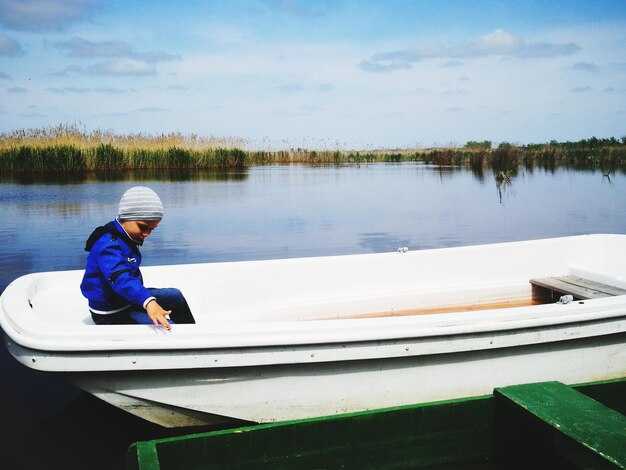
Recommendation: Switch to boat-friendly footwear at the hatch as you board. Keep a compact pair of non-marking, soft-soled shoes at the hatch for immediate swap onto deck. This practice makes housekeeping easier and keeps the deck unsullied by drips.
- Designate a hatch-side station with a small, weatherproof mat and a labeled hook or bin for the spare pair.
- Choose non-marking, slip-resistant shoes with quick-dry materials; look for green certifications or recycled-material options where available.
- Wipe the soles before stepping onto deck to remove sand and grit; this reduces wear on deck coatings and lowers towing rope snag risks.
- Embed the swap into daily boating routines; this practical step works well, taking under 30 seconds and paying back in cleaner surfaces.
- Dispose of worn footwear ashore; avoid letting wastes reach the water and other maritime spaces.
- End each outing with a quick check: the swap station is stocked, the deck is dry, and the shoes are ready for the next voyage.
Benefits include a more efficient flow on deck, less drips on walkways, and a greener footprint for boating operations. Spills can be cleaned promptly; if a spill seems vanishedbut the residue remains, a brief wipe restores the surface. This protocol aligns with green housekeeping practice and keeps the deck pristine for guests and crew alike, addressing safety, comfort, and ocean stewardship.
Rinse Off Mud at a Dockside Station Before Reboarding
Rinse mud off at a dedicated dockside station before reboarding to keep decks dry and protect marine environments.
Start with boots and gear: knock off excess mud, brush the soles, then use the station’s spray for a proper rinse. Use a cup or small bottle to splash water into crevices and repeat until the remains fade.
Apply biodegradable soap only if necessary, and keep it in dedicated bottles. Use a sponge or brush and rinse thoroughly with clean water. If you are filling a container with rinse water, seal it promptly and keep it away from the fuel area to prevent contamination.
This routine increases awareness among boaters and makes protection of environments a daily practice. It prevents sediment from entering waters and helps every voyage stay cleaner and safer, and can save water when you rinse efficiently.
Keep little amounts of soap and rinse water on hand, store cups and bottles properly, and reboard with dry gear. After reboarding, wipe surfaces and ensure the deck remains tidy; remains of mud may be vanishedbut careful rinsing minimizes any trace. The dock stays cleaner, the boat stays ready for the next trip.
Crew Briefings: quick reminders and visual cues for foot hygiene
Install a dedicated foot-wash station at the gangway and require crew to scrub feet before boarding. Keep the station stocked with soap, a bristle brush, and a rinse bucket, and assign dedicated maintenance to keep taps clear and the mat dry.
Use color-coded cues: a green mat means clean feet, red indicates dirt, and there is a simple sign with icons to guide those boarding, which reduces cross-contamination between outside decks and the cabin.
Quick routine: wipe feet on the dry mat outside before stepping aboard, then scrub with soap for 20 seconds, rinse, and dry with a towel. When you notice a drop on the deck, wipe it immediately; if grime falls, wipe and rinse.
Protecting the marine environment starts with small habits: catch drips and discharges at the mat, keep heavy mud out of the galley, and avoid carrying debris toward the engine room. Green cues signal youre protecting the ocean and marine life, which benefits all crew.
Make the briefing a 60-second routine in boarding, use a laminated card, and run a quick drill during pre-departure. Those steps often cut dirt and keep dishes in the galley cleaner, while reinforcing green practices across the fleet. Apply the same routine at home port to keep standards consistent.